





Emergency power






























About
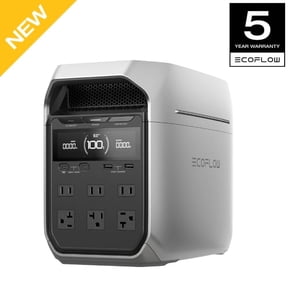
Emergency power helps you keep key devices running during outages, storms, and worksite interruptions. You can compare battery units, portable power stations, and emergency generators by wattage, runtime, and indoor placement.
How to choose emergency power by wattage
You should start with the devices you need during an outage, because wattage decides what your setup can handle. You can count lights, phones, routers, refrigerators, or sump pumps before you choose a backup power source.
You also need to compare running watts and starting watts when you power motor-driven appliances. You'll notice refrigerators, freezers, and pumps may need extra surge power when they first turn on.
When you choose under 500W, you can usually cover phones, tablets, lights, and small electronics. If you move into 500W to 1000W, you can support more outlets and longer use for compact essentials.
In the 1000W to 2000W range, you can often run larger household basics and selected tools. If you need over 2000W, you can plan for heavier loads and more demanding startup requirements.
- You can match wattage ranges to your must-have devices.
- You can compare running watts with starting watts before you choose.
- You can check runtime hours under load for clearer outage planning.
- You can compare outlet types before you plug in home essentials.
Choosing between a portable power station and an emergency power supply
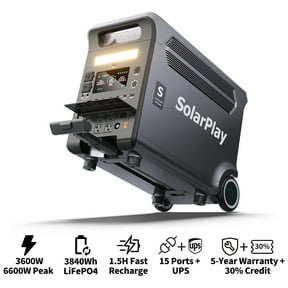
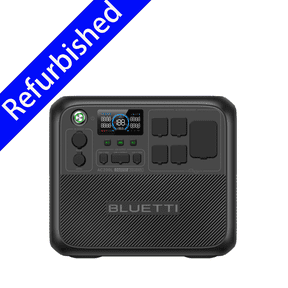
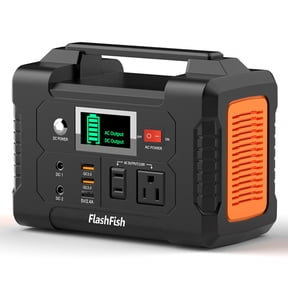
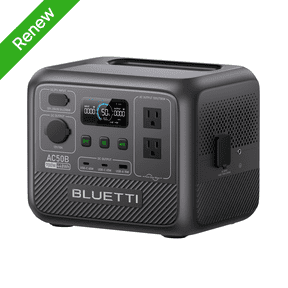
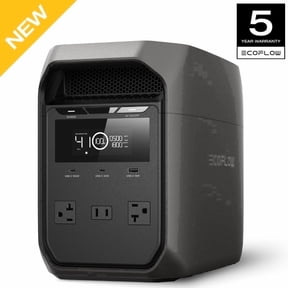
You may prefer a portable power station when you want quiet operation and straightforward charging. You can place many battery-powered options inside, because they don't rely on a combustion engine.
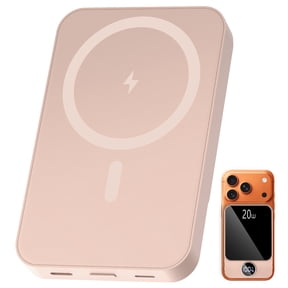
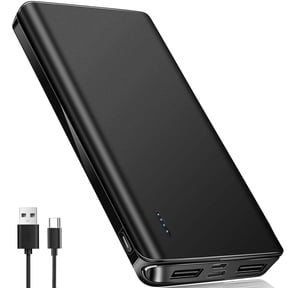
If you need an emergency power supply for camping gear, phones, laptops, or small appliances, battery models can feel easier to manage. You'll often get USB ports, AC outlets, and car-style connections for flexible charging.
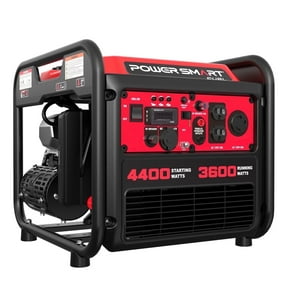
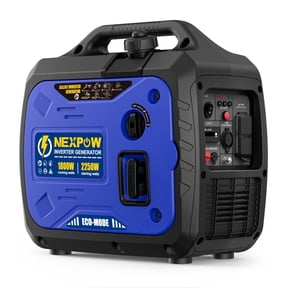
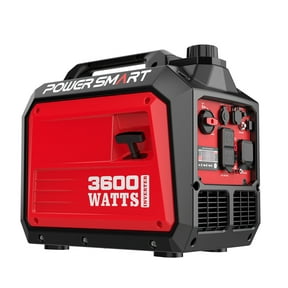
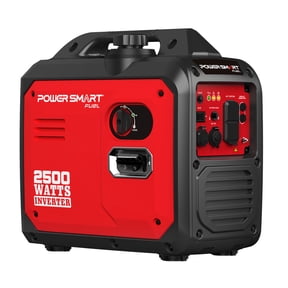
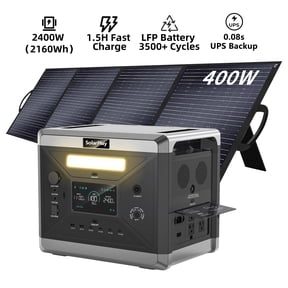
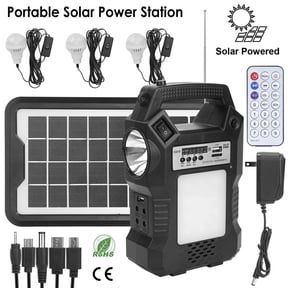
You might compare solar generators when you want battery storage with solar charging compatibility. You can also consider emergency generators when you need higher output for larger appliances or extended outdoor backup.
For indoor planning, you should check whether the unit uses a battery or a fuel-burning engine. You'll want battery backup for home use when indoor placement, low noise, and simple startup matter a great deal.
What to look for in runtime, outlets, and indoor use
You should read runtime in plain terms by matching your expected load to the listed hours. If you power fewer devices, you can often stretch runtime much longer from the same unit.
Some setups can run a router and lights for many hours, while heavier appliances shorten runtime quickly. You can avoid surprises when you compare runtime under load instead of relying on a single headline number.
You also need to review outlet types before you choose a backup power source. You may want standard household outlets, USB-A, USB-C, or 12V ports depending on what you plan to plug in.
Battery systems can make indoor use simpler when you need backup for bedrooms, kitchens, or home offices. Fuel-powered units usually belong outdoors, so you should plan cord reach and placement before an outage starts.
When you compare emergency power options, portability matters along with output. You may want handles or wheels if you expect to move power between rooms, campsites, tailgates, or work areas.
Matching emergency power to weather events and daily backup plans
You can prepare for hurricane emergency power needs by focusing on communication devices, fans, lights, and food storage basics. If outages may last longer, you should compare recharge options and larger-capacity units.
For winter storm backup power, you may prioritize routers, phones, lamps, and kitchen essentials during long indoor hours. You'll also want to check whether your chosen unit supports the startup needs of appliances with motors.
If you work outside or travel often, a portable power station can support tools, small appliances, and device charging away from outlets. You can also use compact units for tailgates, road trips, and outdoor events.
At home, battery backup for home setups can help you cover internet equipment, office devices, and overnight lighting. If you need broader household support, you can step up to larger systems or emergency generators.
You may also compare solar generators when you want rechargeable backup that pairs with solar panels. That option can make sense when you want flexible charging between outages, travel days, and weekend outdoor use.
Emergency power becomes easier to choose when you compare watts, runtime, outlet types, and indoor placement together. You can narrow the right setup faster and keep your essential devices ready when the grid goes down.