

Easter Traditional Decor




















About
Traditional easter decor helps you create a familiar holiday look with pastel colors, classic bunny shapes, and heirloom-inspired accents. You can use this collection to build a coordinated Easter setting that feels warm, nostalgic, and easy to style.
If you prefer timeless details over modern themes, you’ll find guidance here for matching style, placement, material, and product type. You can compare classic, vintage, rustic, and retro looks without losing that traditional Easter feel.
How to choose traditional easter decor by style
When you compare decor styles, you should start with the mood you want in your home. You can use classic easter decorations for soft pastels, simple egg motifs, and familiar bunny figures.
If you want an aged, collected look, you may prefer vintage easter decor with distressed finishes, muted colors, and old-fashioned prints. If you want a farmhouse touch, you can choose rustic easter decor with wood textures, woven details, and natural tones.
Retro easter decorations often bring brighter colors and playful shapes from mid-century designs. You can mix one retro accent into your display if you still want your room to feel traditional.
Choosing placement for traditional easter decorations
You should measure where your decorations will sit before you choose a tabletop, mantel, door, or outdoor piece. You can keep your display balanced when you match the scale to the space.
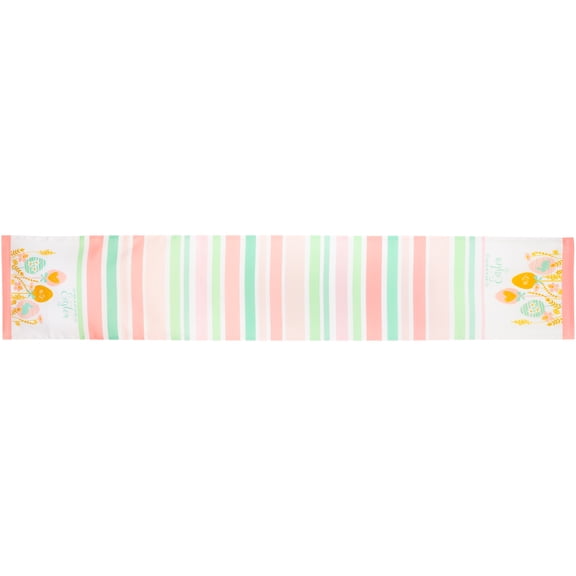
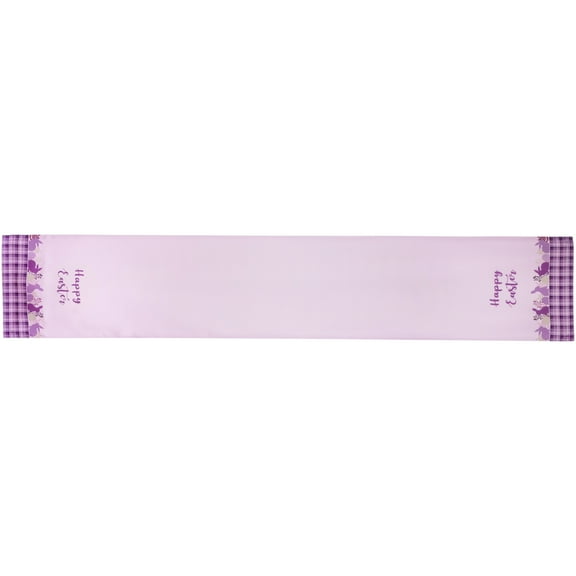
For easter table decor, you may want low-profile pieces that leave room for serving dishes, place settings, and conversation. You can use table runners, small bunny figurines, and egg garlands to frame the center without crowding it.
On a mantel, you’ll usually want layered height and a clear focal point. You can combine garlands, ceramic figures, and a wreath above or nearby for a classic Easter arrangement.
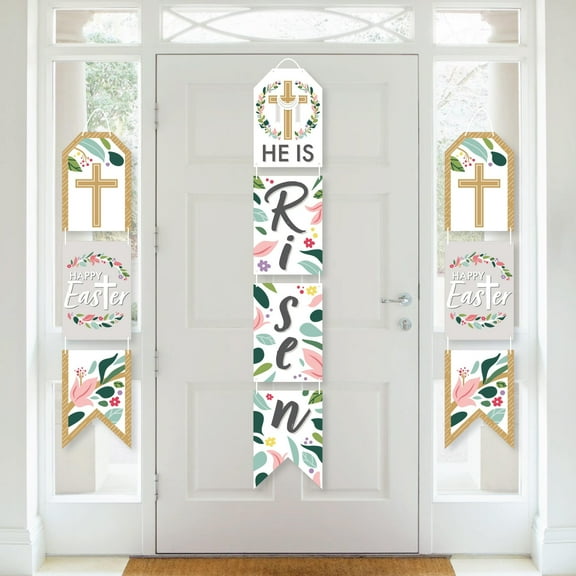
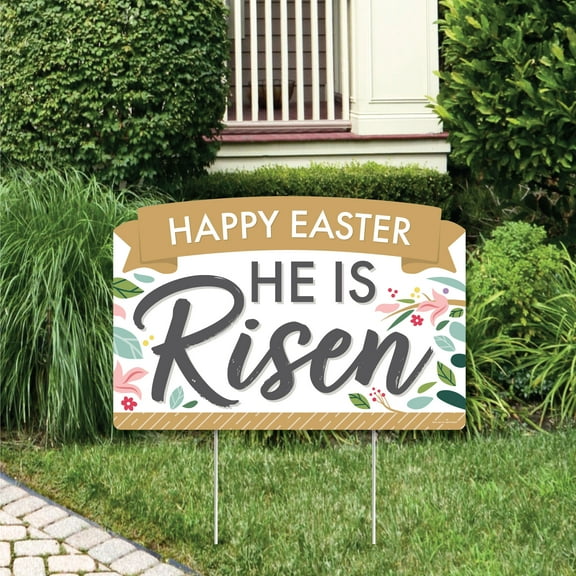
At your front door, you may want a wreath that sets the tone before guests step inside. For outdoor placement, you should look for finishes and materials that suit changing spring weather.
What materials mean for your space
You should compare materials based on where you’ll place each item and how much texture you want. You can use wood, ceramic, fabric, and resin to create different looks within the same theme.
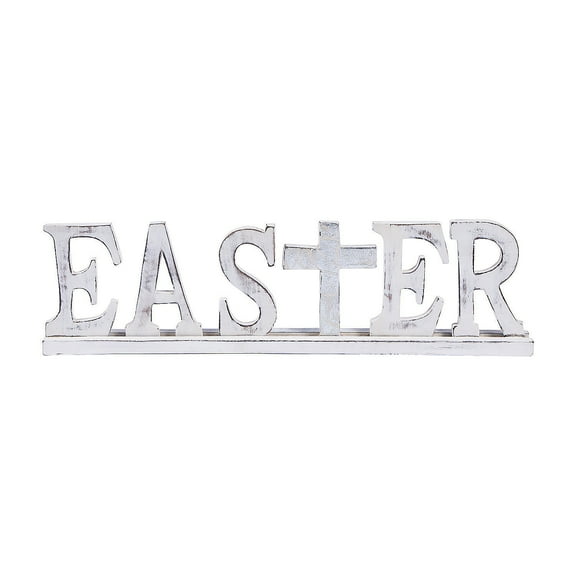
Wood accents often give your room a rustic Easter decor feel with visible grain and handcrafted character. You can pair wood signs or bunny shapes with softer pastel textiles for a balanced display.
Ceramic pieces usually suit tabletops and mantels when you want a polished, traditional look. You may notice that glazed finishes reflect candlelight and pair well with classic Easter table decor.
Fabric details, such as table runners and soft garlands, help you add color without adding visual weight. You can use them to connect place settings, centerpieces, and nearby mantel accents.
Resin decor can be useful when you want shaped figures with painted detail for indoor or outdoor use. You should check whether your outdoor placement calls for materials made to handle spring moisture and sun.
- You can use wood for rustic texture and farmhouse-inspired Easter displays.
- You can choose ceramic for polished tabletop and mantel arrangements.
- You can add fabric for soft layers, pastel color, and easy seasonal updates.
- You can consider resin when you want detailed figurines for indoor or outdoor placement.
How to compare product types for classic easter decorations
You can build your display faster when you choose product types that match your main decorating zone. Bunny figurines, easter wreaths, egg garlands, and table runners each serve a different purpose.
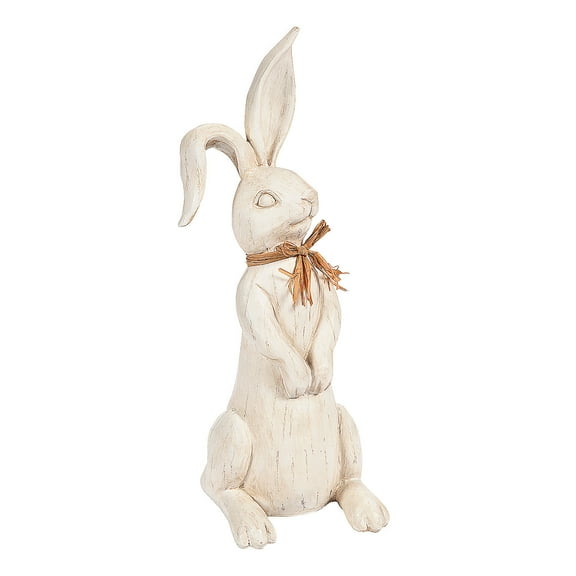
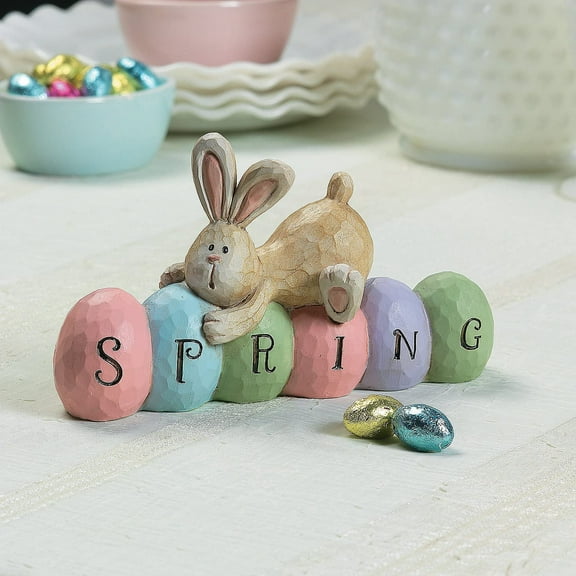
Bunny figurines work well when you want a clear seasonal focal point on shelves, mantels, or dining tables. You can group two or three sizes together for a collected, traditional easter decor look.
Easter wreaths help you carry the holiday theme to your entryway or interior wall. You can use one to connect your door decor with the pastel colors inside your home.
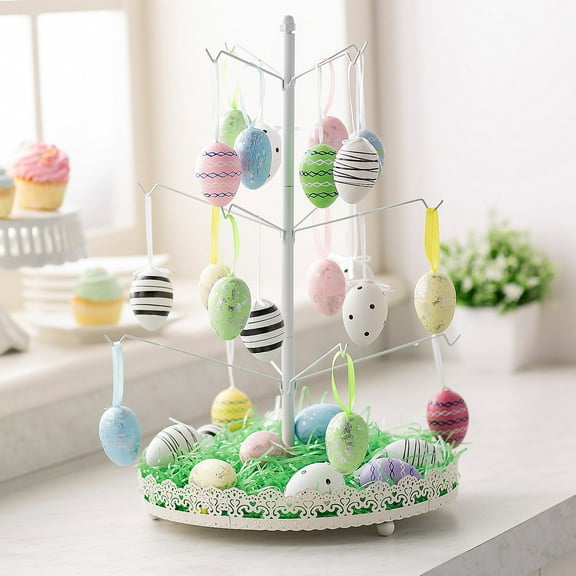
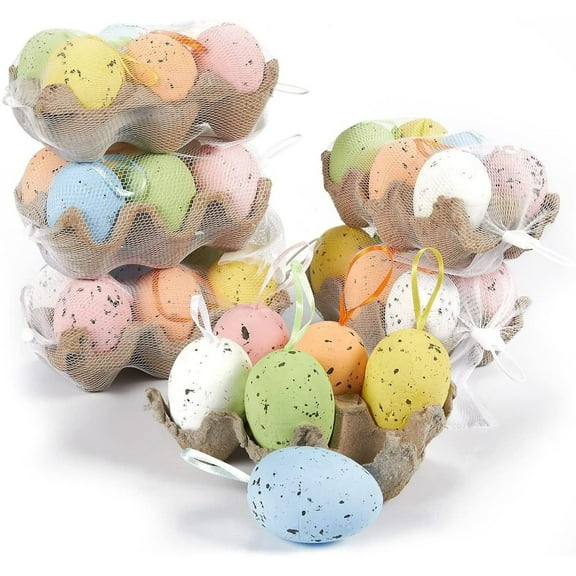
Egg garlands are useful when you want to outline a mantel, staircase, or buffet edge with soft color. You can drape them around framed art or mirrors for a vintage-inspired Easter setup.
Table runners anchor your easter table decor and make place settings feel intentional. You can layer them with ceramic bunnies, egg cups, or floral stems for a classic holiday centerpiece.
Matching traditional easter decor to real holiday moments
If you’re decorating for brunch, you may want tabletop pieces that feel festive without blocking dishes or conversation. You can combine a runner, small figurines, and pastel egg accents for a clean traditional look.
For a family room mantel, you might choose classic easter decorations in ceramic and fabric for layered texture. You can add a garland across the shelf and place bunny figures at each end.
If you’re styling an entryway, you can use vintage easter decor on a console table and a wreath on your door. You’ll create a connected look that feels welcoming from the moment guests arrive.
For a porch or covered outdoor spot, you should focus on placement and material together. You can choose resin or weather-suited pieces that keep your traditional Easter style consistent beyond the front room.
When you want a nostalgic theme, you can blend classic shapes with vintage prints and rustic materials. You’ll get a collected holiday look that feels familiar, seasonal, and easy to coordinate across rooms.
With traditional easter decor, you can make every room feel connected through timeless color, classic motifs, and thoughtful placement. You’ll enjoy a polished Easter setting that feels inviting from your table to your mantel.