


Dialectical Rhetoric (Paperback)
Key item features
In Dialectical Rhetoric, Bruce McComiskey argues that the historical conflict between rhetoric and dialectic can be overcome in ways useful to both composition theory and the composition classroom.
Historically, dialectic has taken two forms in relation to rhetoric. First, it has been the logical development of linear propositions leading to necessary conclusions, a one-dimensional form that was the counterpart of rhetorics in which philosophical, metaphysical, and scientific truths were conveyed with as little cognitive interference from language as possible. Second, dialectic has been the topical development of opposed arguments on controversial issues and the judgment of their relative strengths and weaknesses, usually in political and legal contexts, a two-dimensional form that was the counterpart of rhetorics in which verbal battles over competing probabilities in public institutions revealed distinct winners and losers.
The discipline of writing studies is on the brink of developing a new relationship between dialectic and rhetoric, one in which dialectics and rhetorics mediate and negotiate different arguments and orientations that are engaged in any rhetorical situation. This new relationship consists of a three-dimensional hybrid art called “dialectical rhetoric,” whose method is based on five topoi: deconstruction, dialogue, identification, critique, and juxtaposition. Three-dimensional dialectical rhetorics function effectively in a wide variety of discursive contexts, including digital environments, since they can invoke contrasts in stagnant contexts and promote associations in chaotic contexts. Dialectical Rhetoric focuses more attention on three-dimensional rhetorics from the rhetoric and composition community.
Specs
Author, Professor Bruce McComiskey
Book format, Paperback
Genre, Nonfiction
Pages, 228
Age group, Adult
About this item
Product details
In Dialectical Rhetoric, Bruce McComiskey argues that the historical conflict between rhetoric and dialectic can be overcome in ways useful to both composition theory and the composition classroom.
Historically, dialectic has taken two forms in relation to rhetoric. First, it has been the logical development of linear propositions leading to necessary conclusions, a one-dimensional form that was the counterpart of rhetorics in which philosophical, metaphysical, and scientific truths were conveyed with as little cognitive interference from language as possible. Second, dialectic has been the topical development of opposed arguments on controversial issues and the judgment of their relative strengths and weaknesses, usually in political and legal contexts, a two-dimensional form that was the counterpart of rhetorics in which verbal battles over competing probabilities in public institutions revealed distinct winners and losers. The discipline of writing studies is on the brink of developing a new relationship between dialectic and rhetoric, one in which dialectics and rhetorics mediate and negotiate different arguments and orientations that are engaged in any rhetorical situation. This new relationship consists of a three-dimensional hybrid art called "dialectical rhetoric," whose method is based on five topoi: deconstruction, dialogue, identification, critique, and juxtaposition. Three-dimensional dialectical rhetorics function effectively in a wide variety of discursive contexts, including digital environments, since they can invoke contrasts in stagnant contexts and promote associations in chaotic contexts. Dialectical Rhetoric focuses more attention on three-dimensional rhetorics from the rhetoric and composition community.In Dialectical Rhetoric, Bruce McComiskey argues that the historical conflict between rhetoric and dialectic can be overcome in ways useful to both composition theory and the composition classroom.
Historically, dialectic has taken two forms in relation to rhetoric. First, it has been the logical development of linear propositions leading to necessary conclusions, a one-dimensional form that was the counterpart of rhetorics in which philosophical, metaphysical, and scientific truths were conveyed with as little cognitive interference from language as possible. Second, dialectic has been the topical development of opposed arguments on controversial issues and the judgment of their relative strengths and weaknesses, usually in political and legal contexts, a two-dimensional form that was the counterpart of rhetorics in which verbal battles over competing probabilities in public institutions revealed distinct winners and losers.
The discipline of writing studies is on the brink of developing a new relationship between dialectic and rhetoric, one in which dialectics and rhetorics mediate and negotiate different arguments and orientations that are engaged in any rhetorical situation. This new relationship consists of a three-dimensional hybrid art called “dialectical rhetoric,” whose method is based on five topoi: deconstruction, dialogue, identification, critique, and juxtaposition. Three-dimensional dialectical rhetorics function effectively in a wide variety of discursive contexts, including digital environments, since they can invoke contrasts in stagnant contexts and promote associations in chaotic contexts. Dialectical Rhetoric focuses more attention on three-dimensional rhetorics from the rhetoric and composition community.
Specifications
Publication date
Author
Book format
Genre
Warranty
Warranty information
Similar items you might like
Java: An Eventful Approach, (Paperback) $27.56 Was $31.35
 $2756current price $27.56, Was $31.35$31.35
Java: An Eventful Approach, (Paperback)
Dialectic and Dialogue, (Paperback) $19.53
 $1953current price $19.53
Dialectic and Dialogue, (Paperback)
The Constitution of Selves, (Paperback) $26.78
 $2678current price $26.78
The Constitution of Selves, (Paperback)
The Analysis of Ideology, (Paperback) $21.43
 $2143current price $21.43
The Analysis of Ideology, (Paperback)
Philodemus: On Frank Criticism, (Paperback) $23.00
 $2300current price $23.00
Philodemus: On Frank Criticism, (Paperback)
Microhistories of Composition, (Paperback) $38.95
 $3895current price $38.95
Microhistories of Composition, (Paperback)
Best seller, The Four Agreements : A Practical Guide to Personal Freedom $7.69 Was $12.95
Best seller 2 optionsAvailable in additional 2 options$769current price $7.69, Was $12.95$12.95
The Four Agreements : A Practical Guide to Personal Freedom
1554.7 out of 5 Stars. 155 reviews4.7 out of 5 starsPoetical Works: Vol. 2, (Paperback) $28.90
 $2890current price $28.90
Poetical Works: Vol. 2, (Paperback)
Virtuous Violence, (Paperback) $29.79
 $2979current price $29.79
Virtuous Violence, (Paperback)
Rise & Decline, (Paperback) $30.42
 $3042current price $30.42
Rise & Decline, (Paperback)
The Proving Ground (Paperback) $14.95
 $1495current price $14.95
The Proving Ground (Paperback)
Rational Geometery, (Paperback) $23.95
 $2395current price $23.95
Rational Geometery, (Paperback)
de Gruyter Studium Grundrechte, (Paperback) $28.66
 $2866current price $28.66
de Gruyter Studium Grundrechte, (Paperback)
Ethnographic Methods in Entrepreneurship Research, (Paperback) $21.22
 $2122current price $21.22
Ethnographic Methods in Entrepreneurship Research, (Paperback)
Follow The Thread, (Paperback) $25.93
 $2593current price $25.93
Follow The Thread, (Paperback)
Marxism, Pluralism and Beyond, (Paperback) $30.40
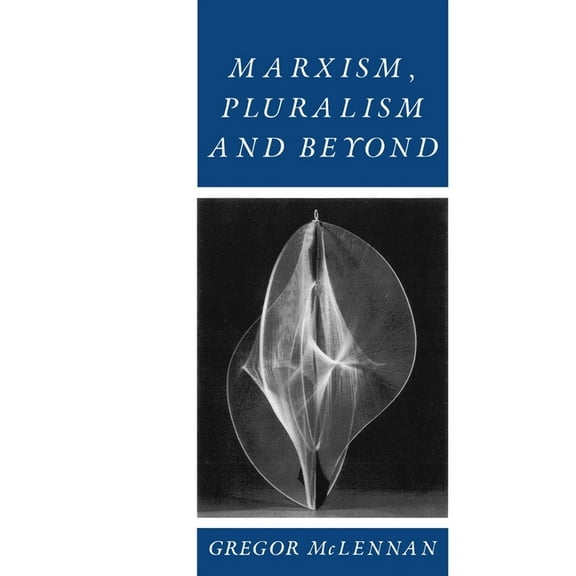 $3040current price $30.40
Marxism, Pluralism and Beyond, (Paperback)
Creation Ex Nihilo (Paperback) $10.00
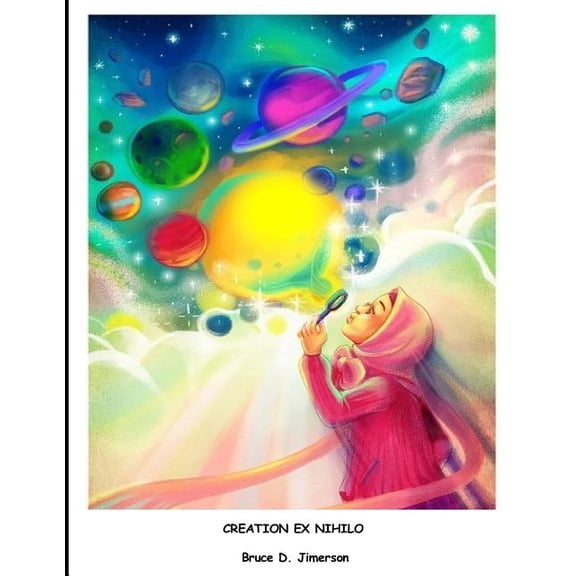 $1000current price $10.00
Creation Ex Nihilo (Paperback)
Introduccion Clinica Al Psicoanalisis Lacaniano, (Paperback) $25.95
 $2595current price $25.95
Introduccion Clinica Al Psicoanalisis Lacaniano, (Paperback)
The 21st-Century Mind (Paperback) $15.24
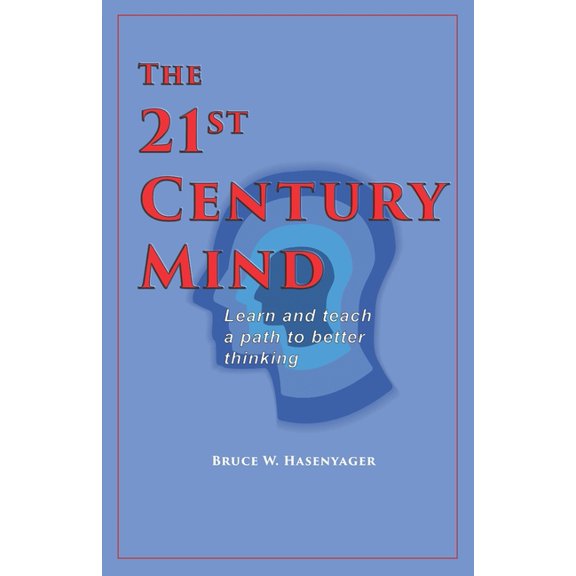 $1524current price $15.24
The 21st-Century Mind (Paperback)
Spandrels of Truth, (Paperback) $32.89
 $3289current price $32.89
Spandrels of Truth, (Paperback)
Customer ratings & reviews

- Free shipping
 Free Holiday returns until Jan 31
How do you want your item?


Related pages
- Rhetorical Leadership
- Associate Professor Of Religious Studies And East Asian Studies Jeff Wilson
- Namrata Gupta
- English Movement
- Uihj Publishing
- Sahil Gupta
- Social Philosophy Books
- Sociology of Religion Books
- Ethnopsychology Books
- Ethics & Moral Philosophy Books
- Religious Studies Books
- Research & Methodology in Psychology Books