


Hero image 0 of Blue Silicone Baby Bottle Handles, Wide Neck Bottle Grip for Self Feeding, Soft Anti-Slip Holder for Baby Boy 4 Months Up, 0 of 5
Blue Silicone Baby Bottle Handles, Wide Neck Bottle Grip for Self Feeding, Soft Anti-Slip Holder for Baby Boy 4 Months Up
(No ratings yet)
Key item features
- Blue is the handle that marks the bottle on a day-care cubby shelf. The day your baby realizes they can hold the bottle themselves is the day both your hands come back. The problem is that most bottles are still smooth, tapered plastic, and a four-month-old's grip is more of a squeeze than a hold. These silicone handles clip around a wide-neck bottle and give those tiny fingers something to actually grab. No more mid-feed surprise drops on the kitchen tile. The silicone is food-grade, soft enough to gum on during the teething months, firm enough not to collapse between the fingers. It stretches around most wide-neck bottles roughly two inches across, which covers the Avent, Dr. Brown's, Tommee Tippee, Comotomo, and NUK wide-neck lines that parents already own. It does not fit narrow glass bottles or narrow sports bottles, so measure the neck before you add to cart. If it is a wide-neck baby bottle, these almost certainly click on. The ergonomic curve is what keeps the handle from rotating; a flat ring spins in a small hand, a curved handle cups the palm and stays where you put it. The opening is wide enough to slip over a bottle nipple without removing it, and the grip has just enough give that a toddler who is still learning does not crush it. For twins, pick two colors so each baby has their own marked bottle. The ergonomic curve is what keeps the handle from rotating; a flat ring spins in a small hand, a curved handle cups the palm and stays where you put it. The opening is wide enough to slip over a bottle nipple without removing it, and the grip has just enough give that a toddler who is still learning does not crush it. For twins, pick two colors so each baby has their own marked bottle. The silicone does not pick up odors the way a cheap plastic grip does, so a month of formula does not leave a smell in the handle. The handle is also BPA-free and food-grade, which matters because a teething baby will gum it. The handle does not block a dishwasher jet, so the bottle still cleans fully with the handle on. The handle is BPA-free and food-grade, which matters because a teething baby will gum on it. The handle does not block a dishwasher jet, so the bottle still cleans fully. It clips on without tools.
- Think about what you are paying for. A sippy cup stage costs a whole new set of bottles. A handle retrofit costs a few dollars and a snap-on fit, and it buys you months of self-feeding while the baby is still on the nipple they already know. The silicone is soft enough to gum on, firm enough not to collapse, and easy to peel off and wash in the top rack of the dishwasher. The handle pulls off, goes in the top rack of the dishwasher, and snaps back on. It does not replace the nipple or the cap; it clips around the neck below the screw ring, so the seal of the bottle is untouched. That matters because a bottle that leaks is a bottle that does not get used. The handle does not interfere with a newborn's slow-feeding stage either; you can leave it off until the baby is strong enough to grip. Most parents put it on around four months, when the baby starts reaching for the bottle mid-feed. It stays on through the whole self-feeding stage until the baby graduates to a real sippy cup. The silicone does not pick up odors the way a cheap plastic grip does, so a month of formula does not leave a smell in the handle. Rinse it after each use if you have a minute; otherwise the dishwasher handles it. The handle pulls off, goes in the top rack of the dishwasher, and snaps back on. It does not replace the nipple or the cap; it clips around the neck below the screw ring, so the seal of the bottle is untouched. That matters because a bottle that leaks is a bottle that does not get used. The handle does not interfere with a newborn's slow-feeding stage either; you can leave it off until the baby is strong enough to grip. Most parents put it on around four months, when the baby starts reaching for the bottle mid-feed. It stays on through the whole self-feeding stage until the baby graduates to a real sippy cup. Rinse it after each use if you have a minute. For a baby who transitions to a straw, the handle moves to the straw cup if it shares the wide-neck diameter. It does not work on a narrow 4 oz bottle; measure the neck before you order. It clips on without tools, so daycare staff can strip it for washing. It goes in the top rack of the dishwasher.
- Compatibility is the part people ask about. These stretch around most wide-neck bottles that are roughly two inches across, which covers the Avent, Dr. Brown's, Tommee Tippee, and Comotomo style wide-neck lines most parents already own. They do not fit narrow glass bottles or narrow sports bottles, so measure the bottle neck before you add to cart. If it is a wide-neck baby bottle, these almost certainly click on. The silicone stretches enough to slip over most bottle necks, and it grips without needing a screw or a band. It also works on some sippy cups that share the wide-neck diameter, so you can move the handles from bottle to cup as the baby grows. If you switch bottle brands, the handle usually transfers; measure the new neck against the old one. The handle is not universal, and it will not fit a 5-oz narrow bottle, a sports water bottle, or a glass baby bottle with a thick glass neck. For those, look for a specific brand-fit handle. For the standard wide-neck ecosystem that most parents end up in, these work. Daycare teachers like them because they clip on and off without tools, so they can strip the bottle down for washing without keeping a separate set of parts. The silicone stretches enough to slip over most bottle necks, and it grips without needing a screw or a band. It also works on some sippy cups that share the wide-neck diameter, so you can move the handles from bottle to cup as the baby grows. If you switch bottle brands, the handle usually transfers; measure the new neck against the old one. The handle is not universal, and it will not fit a 5-oz narrow bottle, a sports water bottle, or a glass baby bottle with a thick glass neck. For those, look for a specific brand-fit handle. For the standard wide-neck ecosystem that most parents end up in, these work. Daycare teachers like them because they clip on and off without tools. The silicone is soft enough that a teething baby can gnaw on it without hurting their gums. The silicone is dishwasher-safe on the top rack, which is where it lives after each feed. The silicone is soft enough to gum but firm enough not to collapse. It transfers to a sippy cup if the neck matches.
- Daycare teachers love them for a reason. A baby who can hold their own bottle feeds themselves, which means the teacher is not holding it while three other kids wait. The bright colors also make the bottle easy to spot in a cubby, and the silicone wipes clean after a run through the sippy cup bin. No small parts, no batteries, no instruction manual, just clip on and go. If a handle gets dropped in the toy bin, rinse it and it is back in service. The color coding matters on a shared shelf: a blue handle tells everyone which bottle belongs to the boy in the blue chair, a pink one marks the granddaughter's bottle, a neutral white works for a gender-neutral shower. Daycare regulations usually require that every bottle be labeled, and a colored handle is the fastest way to do that without a Sharpie that wipes off. For twins, two colors means no mix-ups at the changing table. The handle is also small enough to toss in a diaper bag; it does not take up the space of an extra bottle. It survives a run through the sippy cup bin at daycare, where bottles and handles get mixed together at the end of the day. The color coding matters on a shared shelf: a blue handle tells everyone which bottle belongs to the boy in the blue chair, a pink one marks the granddaughter's bottle, a neutral white works for a gender-neutral shower. Daycare regulations usually require that every bottle be labeled, and a colored handle is the fastest way to do that without a Sharpie that wipes off. For twins, two colors means no mix-ups at the changing table. The handle is also small enough to toss in a diaper bag; it does not take up the space of an extra bottle. It survives a run through the sippy cup bin at daycare. If the handle gets dropped on a tile floor, it bounces instead of cracking, which is more than you can say for a plastic grip. For twins, pick two colors so each baby's bottle is marked on the shelf. It transfers to a wide-neck sippy cup if the diameter matches. It is BPA-free and food-grade.
- Colors are not just a look. A blue handle on the day-care shelf tells everyone which bottle is the boy's; a pink one tells the grandparent which one goes to the granddaughter. Parents usually pick one that matches the bottle they already own, and then pick a second in a different color for the backup bottle in the diaper bag. It is a small add-on that reads as a thoughtful baby shower or Easter basket gift without looking like it was chosen at the last minute, and it stays in use through the whole self-feeding stage until the baby graduates to a real sippy cup. The blue reads boy-neutral and pairs with a blue bottle or a blue sippy cup down the line. The green pairs with a green bottle or a nature-themed nursery, and it is the color grandparents pick up for spring visits. The pink reads girl and pairs with a pink bottle, and it is the color most often requested for a girl registry. The white is the neutral that works for either baby and is the color most often added to a baby shower registry where the gender is a surprise. The yellow reads spring and Easter basket, and it pairs with a sunny bottle for a summer baby. Keep one handle on the home bottle and one on the diaper-bag backup. The blue reads boy-neutral and pairs with a blue bottle or a blue sippy cup down the line. The green pairs with a green bottle or a nature-themed nursery, and it is the color grandparents pick up for spring visits. The pink reads girl and pairs with a pink bottle, and it is the color most often requested for a girl registry. The white is the neutral that works for either baby and is the color most often added to a baby shower registry where the gender is a surprise. The yellow reads spring and Easter basket, and it pairs with a sunny bottle for a summer baby. Keep one handle on the home bottle and one on the diaper-bag backup. It is the kind of small baby item that outlasts its use; keep the spare for the next baby or a friend who is expecting. It comes in a simple pouch, ready to slip into a baby shower bag. It is BPA-free and food-grade for daily use. It reads boy-neutral and pairs with a blue bottle or a blue sippy cup down the line.
Specs
Material, Silica gel
Features, Multifunctional
Baby bottle type, Standard
Brand, Tryhome
Items included, Handle
Pieces, 1
Material
Silica gel
Features, Multifunctional
Features
Multifunctional
Baby bottle type, Standard
Baby bottle type
Standard
Brand, Tryhome
Brand
Tryhome
Items included, Handle
Items included
Handle
Pieces, 1
Pieces
1
Similar items you might like
Based on what customers bought
Clearance, Clearance Under $1.26! Silicone feeding-bottle Handle, Soft Grip with Personalized Engraving, Reusable and Dishwasher Safe for Wide-Neck Bottles $0.77 Was $0.86
Clearance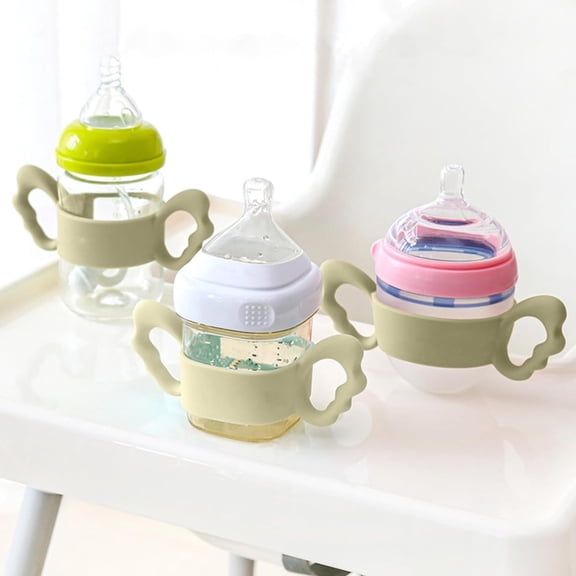

 $077current price $0.77, Was $0.86$0.86
Clearance Under $1.26! Silicone feeding-bottle Handle, Soft Grip with Personalized Engraving, Reusable and Dishwasher Safe for Wide-Neck Bottles
Reduced price, Silicone Baby Bottle Holder – Easy Grip Drop-Proof Sleeve for Glass Bottles, Shockproof Insulation for Baby Feeding, Purple $1.03 Was $1.15
Reduced price $103current price $1.03, Was $1.15$1.15
Silicone Baby Bottle Holder – Easy Grip Drop-Proof Sleeve for Glass Bottles, Shockproof Insulation for Baby Feeding, Purple
Soft Silicone Baby Bottle Handles, Ergonomic Anti-Slip Infant Bottle Holder for Self-Feeding, Fits Baby Bottles with Diameter Over 5CM $1.07 Was $1.19


 $107current price $1.07, Was $1.19$1.19
Soft Silicone Baby Bottle Handles, Ergonomic Anti-Slip Infant Bottle Holder for Self-Feeding, Fits Baby Bottles with Diameter Over 5CM
2-Piece Brick Red Silicone Baby Feeding Spoon Set, Soft Toddler Training Spoons, for Infant Self Feeding Practice $0.89
 $089current price $0.89
2-Piece Brick Red Silicone Baby Feeding Spoon Set, Soft Toddler Training Spoons, for Infant Self Feeding Practice
Clearance, Fruit Double Headed Spoon 304 Stainless Steel, Soft Silicone Feeder with Scraper, 2-in-1 Feeding Utensil $0.87 Was $0.99
Clearance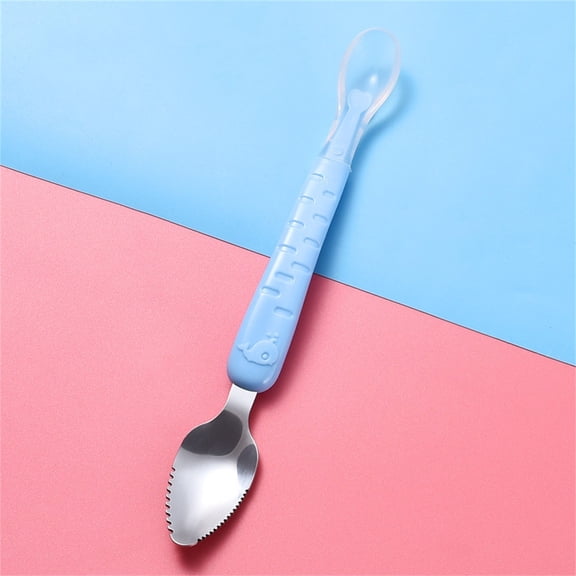 4 optionsAvailable in additional 4 options$087current price $0.87, Was $0.99$0.99
Fruit Double Headed Spoon 304 Stainless Steel, Soft Silicone Feeder with Scraper, 2-in-1 Feeding Utensil
Clearance, Parent's Choice Plastic Baby Feeding Bowl with Spoon Set, BPA Free, Easy Hold Toddler $1.00 Was $2.08
Clearance $100current price $1.00, Was $2.08$2.08
Parent's Choice Plastic Baby Feeding Bowl with Spoon Set, BPA Free, Easy Hold Toddler
934.7 out of 5 Stars. 93 reviews4.7 out of 5 stars2PCS Silicone Soft Feeding Spoon Flexible Easy Grip Utensil Training Feeding For Kids Toddlers Children And Infants Baby Led Weaning Supplies $1.19
$119current price $1.192PCS Silicone Soft Feeding Spoon Flexible Easy Grip Utensil Training Feeding For Kids Toddlers Children And Infants Baby Led Weaning Supplies
Baby Bottle Handle Grip, Silicone Feeding Bottle Holder with Easy Hold Design, Soft Flexible Handles for Infant Self Feeding Training and Baby Bottle Accessories $1.93
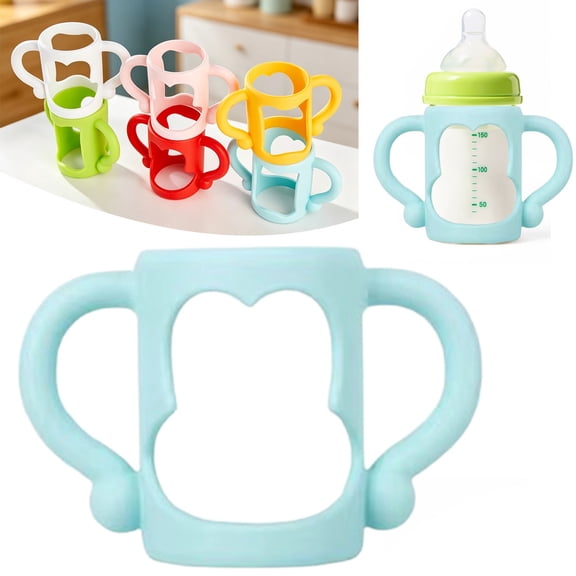


 $193current price $1.93
Baby Bottle Handle Grip, Silicone Feeding Bottle Holder with Easy Hold Design, Soft Flexible Handles for Infant Self Feeding Training and Baby Bottle Accessories
Clearance, Soft Silicone Baby Feeding Spoons Set - Gum-Friendly Training Utensils for Infants & Toddlers $1.70 Was $1.89
Clearance$170current price $1.70, Was $1.89$1.89Soft Silicone Baby Feeding Spoons Set - Gum-Friendly Training Utensils for Infants & Toddlers
5Ml Infant Baby Liquid Feeding Graduated Pipette Home Supply,Hand Dripping gum,Silica gel Dropper $3.02
 $302current price $3.02
5Ml Infant Baby Liquid Feeding Graduated Pipette Home Supply,Hand Dripping gum,Silica gel Dropper
Nipple Replacement Spouts Clear Silicone Pack Of 1 With Dishwasher Mesh Bag Fits Learner Active Sippy And Bottle $0.97 Was $3.50
 $097current price $0.97, Was $3.50$3.50
Nipple Replacement Spouts Clear Silicone Pack Of 1 With Dishwasher Mesh Bag Fits Learner Active Sippy And Bottle
Clearance, Dusknt Bottle Handles with Easy Grip Handles to Hold Their Own Bottle, Food Grade Silicone Transitional Sippy Cup Handle Grip for Wide-Neck Bottles, Yellow $2.64 Was $3.25
Clearance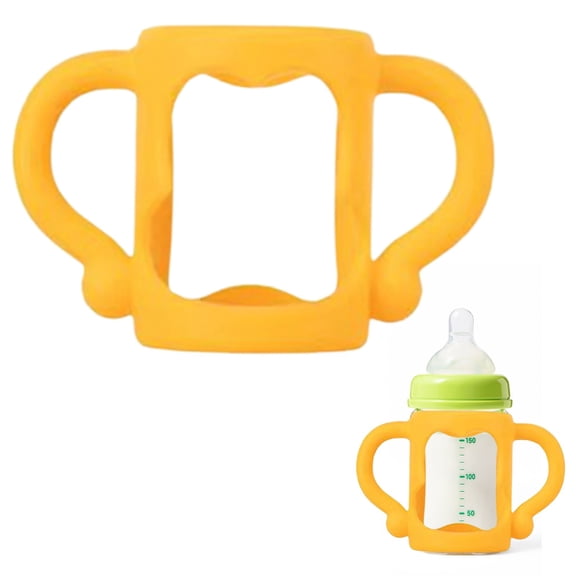 $264current price $2.64, Was $3.25$3.25
Dusknt Bottle Handles with Easy Grip Handles to Hold Their Own Bottle, Food Grade Silicone Transitional Sippy Cup Handle Grip for Wide-Neck Bottles, Yellow
Compatible Bottle Handles, Double Ear Handle For Wide Caliber,Ergonomic Non- Grip BPA-Free Bottle Holder for Hands Free Feeding $0.79 Was $0.91
 $079current price $0.79, Was $0.91$0.91
Compatible Bottle Handles, Double Ear Handle For Wide Caliber,Ergonomic Non- Grip BPA-Free Bottle Holder for Hands Free Feeding
1 Handle Clearance! Versatile Bottle Handles Made for Wide Mouth Bottles Compatibility With 2Nd and 3Rd Generation Versions Sturdy Grip for Babies' Comfort and Facilitates Parent Glass&Bottle $2.49


 $249current price $2.49
1 Handle Clearance! Versatile Bottle Handles Made for Wide Mouth Bottles Compatibility With 2Nd and 3Rd Generation Versions Sturdy Grip for Babies' Comfort and Facilitates Parent Glass&Bottle
Soft Silicone Reusable Bottle Handle Sleeve, Easy-Carry Grip for Standard Baby & Toddler Feeding Bottles (Blue, 1pc) $1.16
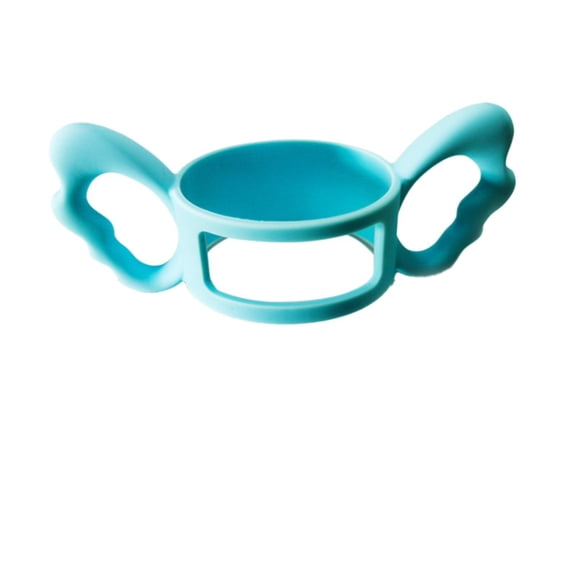 4 optionsAvailable in additional 4 options$116current price $1.16
Soft Silicone Reusable Bottle Handle Sleeve, Easy-Carry Grip for Standard Baby & Toddler Feeding Bottles (Blue, 1pc)
Silicone Baby Bottle Holder Easy Grip Drop Shockproof Protective Sleeve For Glass Bottles Feeding Accessory $1.99
$199current price $1.99Silicone Baby Bottle Holder Easy Grip Drop Shockproof Protective Sleeve For Glass Bottles Feeding Accessory
Silicone Baby Bottle Handle Grip, Universal Double‑Handed Bottle Holder, Soft Silicone Sleeve for Most Standard‑Neck Baby Feeding Bottles, Anti‑Drop Baby Bottle Accessory(Mint Green) $2.83


 $283current price $2.83
Silicone Baby Bottle Handle Grip, Universal Double‑Handed Bottle Holder, Soft Silicone Sleeve for Most Standard‑Neck Baby Feeding Bottles, Anti‑Drop Baby Bottle Accessory(Mint Green)
Best seller, Munchkin® Raise™ Toddler Fork & Spoon Utensil Set, Blue $4.38 $2.19/count
Best seller 6 optionsAvailable in additional 6 options$438current price $4.38$2.19/count
Munchkin® Raise™ Toddler Fork & Spoon Utensil Set, Blue
4264.7 out of 5 Stars. 426 reviews4.7 out of 5 starsACDANC Baby Bottle Tong,Anti-Slip Pacifier Bottle Tongs,Silicone Baby Safety Bottle Holder,Scissor Design Multi-Functional High-Temperature Resistant Tong,Green $8.12 Was $9.94
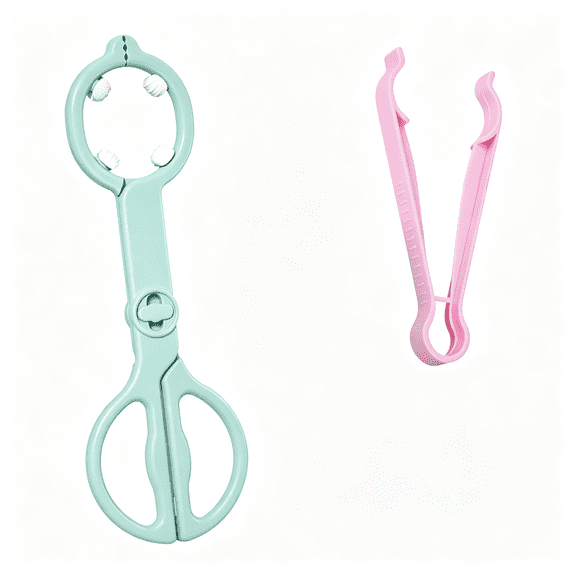 $812current price $8.12, Was $9.94$9.94
ACDANC Baby Bottle Tong,Anti-Slip Pacifier Bottle Tongs,Silicone Baby Safety Bottle Holder,Scissor Design Multi-Functional High-Temperature Resistant Tong,Green
Clearance, Glass Baby Bottle Holders with Silicone Sleeves and Handles -Breakage Solution for Natural and - Bottles 240ml Capacity $2.45 Was $7.45
Clearance $245current price $2.45, Was $7.45$7.45
Glass Baby Bottle Holders with Silicone Sleeves and Handles -Breakage Solution for Natural and - Bottles 240ml Capacity
About this item
Product details
The Soft Silicone Baby Bottle Handles turn a wide-neck bottle into a self-feeding bottle the day your baby has the grip strength to hold it, which is usually somewhere around four months. Most bottles in the wide-neck family are smooth, tapered plastic, and a four-month-old's grip is more of a squeeze than a hold. The handle clips around the bottle neck and gives the two-finger pincer something to actually close on, so the feed stops being a held-bottle event and starts being a hold-myself event. The silicone is food-grade, soft enough to gum on during the teething months, firm enough not to collapse between the fingers. It stretches around most wide-neck bottles roughly two inches across, which covers the Avent, Dr. Brown's, Tommee Tippee, Comotomo, and NUK wide-neck lines that parents already own. It does not fit narrow glass bottles or narrow sports bottles, so measure the neck before you add to cart. If it is a wide-neck baby bottle, these almost certainly click on. Cleanup is the same as the bottle itself. The handle pulls off, goes in the top rack of the dishwasher, and snaps back on. Daycare teachers like them because a baby who holds their own bottle feeds themselves, which frees up staff time. The bright colors also mark the bottle on a shared cubby shelf, so a blue handle tells everyone which bottle belongs to the boy in the blue chair. Parents buy two. One lives on the bottle at home, the other lives on the backup bottle in the diaper bag. It is a small add-on that reads as a thoughtful baby shower or Easter basket gift without looking like it was chosen at the last minute, and it stays in use through the whole self-feeding stage until the baby graduates to a real sippy cup. The ergonomic curve is what keeps the handle from rotating. A flat ring spins in a small hand; a curved handle cups the palm and stays where you put it. The opening is wide enough to slip over a bottle nipple without removing it, and the grip has just enough give that a toddler who is still learning does not crush it. For twins, pick two colors so each baby has their own marked bottle.
- Blue is the handle that marks the bottle on a day-care cubby shelf. The day your baby realizes they can hold the bottle themselves is the day both your hands come back. The problem is that most bottles are still smooth, tapered plastic, and a four-month-old's grip is more of a squeeze than a hold. These silicone handles clip around a wide-neck bottle and give those tiny fingers something to actually grab. No more mid-feed surprise drops on the kitchen tile. The silicone is food-grade, soft enough to gum on during the teething months, firm enough not to collapse between the fingers. It stretches around most wide-neck bottles roughly two inches across, which covers the Avent, Dr. Brown's, Tommee Tippee, Comotomo, and NUK wide-neck lines that parents already own. It does not fit narrow glass bottles or narrow sports bottles, so measure the neck before you add to cart. If it is a wide-neck baby bottle, these almost certainly click on. The ergonomic curve is what keeps the handle from rotating; a flat ring spins in a small hand, a curved handle cups the palm and stays where you put it. The opening is wide enough to slip over a bottle nipple without removing it, and the grip has just enough give that a toddler who is still learning does not crush it. For twins, pick two colors so each baby has their own marked bottle. The ergonomic curve is what keeps the handle from rotating; a flat ring spins in a small hand, a curved handle cups the palm and stays where you put it. The opening is wide enough to slip over a bottle nipple without removing it, and the grip has just enough give that a toddler who is still learning does not crush it. For twins, pick two colors so each baby has their own marked bottle. The silicone does not pick up odors the way a cheap plastic grip does, so a month of formula does not leave a smell in the handle. The handle is also BPA-free and food-grade, which matters because a teething baby will gum it. The handle does not block a dishwasher jet, so the bottle still cleans fully with the handle on. The handle is BPA-free and food-grade, which matters because a teething baby will gum on it. The handle does not block a dishwasher jet, so the bottle still cleans fully. It clips on without tools.
- Think about what you are paying for. A sippy cup stage costs a whole new set of bottles. A handle retrofit costs a few dollars and a snap-on fit, and it buys you months of self-feeding while the baby is still on the nipple they already know. The silicone is soft enough to gum on, firm enough not to collapse, and easy to peel off and wash in the top rack of the dishwasher. The handle pulls off, goes in the top rack of the dishwasher, and snaps back on. It does not replace the nipple or the cap; it clips around the neck below the screw ring, so the seal of the bottle is untouched. That matters because a bottle that leaks is a bottle that does not get used. The handle does not interfere with a newborn's slow-feeding stage either; you can leave it off until the baby is strong enough to grip. Most parents put it on around four months, when the baby starts reaching for the bottle mid-feed. It stays on through the whole self-feeding stage until the baby graduates to a real sippy cup. The silicone does not pick up odors the way a cheap plastic grip does, so a month of formula does not leave a smell in the handle. Rinse it after each use if you have a minute; otherwise the dishwasher handles it. The handle pulls off, goes in the top rack of the dishwasher, and snaps back on. It does not replace the nipple or the cap; it clips around the neck below the screw ring, so the seal of the bottle is untouched. That matters because a bottle that leaks is a bottle that does not get used. The handle does not interfere with a newborn's slow-feeding stage either; you can leave it off until the baby is strong enough to grip. Most parents put it on around four months, when the baby starts reaching for the bottle mid-feed. It stays on through the whole self-feeding stage until the baby graduates to a real sippy cup. Rinse it after each use if you have a minute. For a baby who transitions to a straw, the handle moves to the straw cup if it shares the wide-neck diameter. It does not work on a narrow 4 oz bottle; measure the neck before you order. It clips on without tools, so daycare staff can strip it for washing. It goes in the top rack of the dishwasher.
- Compatibility is the part people ask about. These stretch around most wide-neck bottles that are roughly two inches across, which covers the Avent, Dr. Brown's, Tommee Tippee, and Comotomo style wide-neck lines most parents already own. They do not fit narrow glass bottles or narrow sports bottles, so measure the bottle neck before you add to cart. If it is a wide-neck baby bottle, these almost certainly click on. The silicone stretches enough to slip over most bottle necks, and it grips without needing a screw or a band. It also works on some sippy cups that share the wide-neck diameter, so you can move the handles from bottle to cup as the baby grows. If you switch bottle brands, the handle usually transfers; measure the new neck against the old one. The handle is not universal, and it will not fit a 5-oz narrow bottle, a sports water bottle, or a glass baby bottle with a thick glass neck. For those, look for a specific brand-fit handle. For the standard wide-neck ecosystem that most parents end up in, these work. Daycare teachers like them because they clip on and off without tools, so they can strip the bottle down for washing without keeping a separate set of parts. The silicone stretches enough to slip over most bottle necks, and it grips without needing a screw or a band. It also works on some sippy cups that share the wide-neck diameter, so you can move the handles from bottle to cup as the baby grows. If you switch bottle brands, the handle usually transfers; measure the new neck against the old one. The handle is not universal, and it will not fit a 5-oz narrow bottle, a sports water bottle, or a glass baby bottle with a thick glass neck. For those, look for a specific brand-fit handle. For the standard wide-neck ecosystem that most parents end up in, these work. Daycare teachers like them because they clip on and off without tools. The silicone is soft enough that a teething baby can gnaw on it without hurting their gums. The silicone is dishwasher-safe on the top rack, which is where it lives after each feed. The silicone is soft enough to gum but firm enough not to collapse. It transfers to a sippy cup if the neck matches.
- Daycare teachers love them for a reason. A baby who can hold their own bottle feeds themselves, which means the teacher is not holding it while three other kids wait. The bright colors also make the bottle easy to spot in a cubby, and the silicone wipes clean after a run through the sippy cup bin. No small parts, no batteries, no instruction manual, just clip on and go. If a handle gets dropped in the toy bin, rinse it and it is back in service. The color coding matters on a shared shelf: a blue handle tells everyone which bottle belongs to the boy in the blue chair, a pink one marks the granddaughter's bottle, a neutral white works for a gender-neutral shower. Daycare regulations usually require that every bottle be labeled, and a colored handle is the fastest way to do that without a Sharpie that wipes off. For twins, two colors means no mix-ups at the changing table. The handle is also small enough to toss in a diaper bag; it does not take up the space of an extra bottle. It survives a run through the sippy cup bin at daycare, where bottles and handles get mixed together at the end of the day. The color coding matters on a shared shelf: a blue handle tells everyone which bottle belongs to the boy in the blue chair, a pink one marks the granddaughter's bottle, a neutral white works for a gender-neutral shower. Daycare regulations usually require that every bottle be labeled, and a colored handle is the fastest way to do that without a Sharpie that wipes off. For twins, two colors means no mix-ups at the changing table. The handle is also small enough to toss in a diaper bag; it does not take up the space of an extra bottle. It survives a run through the sippy cup bin at daycare. If the handle gets dropped on a tile floor, it bounces instead of cracking, which is more than you can say for a plastic grip. For twins, pick two colors so each baby's bottle is marked on the shelf. It transfers to a wide-neck sippy cup if the diameter matches. It is BPA-free and food-grade.
- Colors are not just a look. A blue handle on the day-care shelf tells everyone which bottle is the boy's; a pink one tells the grandparent which one goes to the granddaughter. Parents usually pick one that matches the bottle they already own, and then pick a second in a different color for the backup bottle in the diaper bag. It is a small add-on that reads as a thoughtful baby shower or Easter basket gift without looking like it was chosen at the last minute, and it stays in use through the whole self-feeding stage until the baby graduates to a real sippy cup. The blue reads boy-neutral and pairs with a blue bottle or a blue sippy cup down the line. The green pairs with a green bottle or a nature-themed nursery, and it is the color grandparents pick up for spring visits. The pink reads girl and pairs with a pink bottle, and it is the color most often requested for a girl registry. The white is the neutral that works for either baby and is the color most often added to a baby shower registry where the gender is a surprise. The yellow reads spring and Easter basket, and it pairs with a sunny bottle for a summer baby. Keep one handle on the home bottle and one on the diaper-bag backup. The blue reads boy-neutral and pairs with a blue bottle or a blue sippy cup down the line. The green pairs with a green bottle or a nature-themed nursery, and it is the color grandparents pick up for spring visits. The pink reads girl and pairs with a pink bottle, and it is the color most often requested for a girl registry. The white is the neutral that works for either baby and is the color most often added to a baby shower registry where the gender is a surprise. The yellow reads spring and Easter basket, and it pairs with a sunny bottle for a summer baby. Keep one handle on the home bottle and one on the diaper-bag backup. It is the kind of small baby item that outlasts its use; keep the spare for the next baby or a friend who is expecting. It comes in a simple pouch, ready to slip into a baby shower bag. It is BPA-free and food-grade for daily use. It reads boy-neutral and pairs with a blue bottle or a blue sippy cup down the line.
info:
We aim to show you accurate product information. Manufacturers, suppliers and others provide what you see here, and we have not verified it.
Specifications
Material
Silica gel
Features
Multifunctional
Baby bottle type
Standard
Brand
Tryhome
Directions
Fabric Care Instructions
Dishwasher-safe on the top rack
Warnings
Customer ratings & reviews
0 out of 5 stars
This item does not have any reviews yet

Price when purchased online
Not Available
How do you want your item?
Not available