


Hero image 0 of Long-Handle Fly Swatter, Manual Non-Breakable Plastic Fly & Mosquito Swatter for Home, Kitchen & Patio (White), 0 of 8
Long-Handle Fly Swatter, Manual Non-Breakable Plastic Fly & Mosquito Swatter for Home, Kitchen & Patio (White)
(No ratings yet)
Key item features
- A fly on the ceiling is out of reach of a short swatter. This long handle puts you back in range without a step stool. The wide mesh head lands the swat before the fly hears you coming. Keep it where the kitchen light is. The plastic is light but rigid. A floppy swatter whips around and misses. This one lands flat. Wash it after use; flies leave a mark. Keep it where the kitchen light is. Keep it with the rest of the household supplies so it is already on hand when you need it. Seasons matter more than people expect. It behaves one way in the dry heat of summer and another in the damp of winter. If you use it outdoors, bring it in before a hard freeze. If you keep it inside, it does not care about the weather. Match the season to the storage. People who live with it stop noticing it after a week. That is the compliment. A household item that keeps drawing attention is usually a hassle. Once it sits where it belongs and does its job, it fades into the background and just works, which is exactly what you want. Cleanup takes a minute. Rinse it, dry it, put it back. A minute now keeps it ready for next time. A minute saved today turns into five minutes of hunting later. The cheap habit is to leave it out; the cheap habit always costs more. The surface it goes onto matters. A clean, flat, dry surface is where it holds. A dirty, damp, uneven one is where it lets go. The item is only half the job; the surface is the other half. Spend the minute on the surface and the result holds. Use it the way the job actually demands, not the way a listing tells you to. Some days you need it for five minutes; other days it sits on the shelf for a month and then earns its keep on a single messy afternoon. That is the realistic pattern. The point is that when the moment comes, you already know where it is and how it works, so you do not improvise under pressure. Size is the detail people get wrong. Measure the spot you are covering before you order, then order that size. A little too large is easier to live with than a little too small, because a small piece leaves the job half done. When in doubt, round up. The return process is never worth the ten seconds of measuring.
- The plastic is light but rigid. A floppy swatter whips around and misses. This one lands flat, so the mesh makes contact. It is not breakable in the way a cheap one snaps after a week. Wash it after use; flies leave a mark. Use it indoors and out. A patio door, a kitchen window, a porch light. The long handle keeps your arm away from the bug, which matters for wasps. Check the size and color before you order, because those two choices decide whether it fits your actual project. If it does not seem to work the first time, check the obvious before you blame the item. Is the surface clean? Is it seated properly? Did you skip a step? Nine times out of ten, the problem is in one of those three. When all three check out and it still fails, that is a different conversation. Ordinary days are what this is for. Not the one big project, but the small recurring things that add up through the month. The sink that needs a wipe, the gap that needs sealing, the shelf that needs a brace. Buy it for the ordinary, and the ordinary gets easier. Order it before the job starts, not after. The worst time to realize you are missing the piece is mid-project. Have it on hand, lay it out, and the project stays moving. A two-day wait for a small part turns an hour job into a weekend. Here is the straight version. It works, it holds up, and it is simple to use. It will not surprise you, and that is the point. Household items that surprise you usually surprise you in a bad way. This one does what it says, at the size you ordered, on the surface you prepared. Here is the honest part no listing wants to say. It does one job well and it is not pretending to do everything. If your situation is outside what it is built for, you will be disappointed. If your situation matches, it works. Read the size and the surface it is meant for, and match those before you decide. Seasons matter more than people expect. It behaves one way in the dry heat of summer and another in the damp of winter. If you use it outdoors, bring it in before a hard freeze. If you keep it inside, it does not care about the weather. Match the season to the storage.
- Use it indoors and out. A patio door, a kitchen window, a porch light. The long handle also keeps your arm away from the bug, which matters for wasps you do not want close. It is manual, so no batteries. It is a swatter, not a trap. It kills the fly already in the room; it does not stop the next one coming through the door. Pair it with a screen door for ongoing control. Do not rush the first install. The second one is faster because you learned on the first. If you push through the first one impatiently, you create a problem you have to undo. Slow down, follow the steps, and the whole thing is done before you feel like you started. Set the right expectation. This is not a magic fix that replaces a proper repair, and it is not a decorative object. It is a tool that does a defined job. When you use it inside that job, it does not disappoint. When you stretch it, it will. Know the line. After you use it, the thing you notice is that the problem is gone. You stop thinking about the gap, the sag, the drip. That is the mark of a good household item: it fixes the thing you were annoyed by and then stays out of your way. Picture the morning you reach for it. The surface is where it always is, you know the steps by heart, and the whole thing takes less time than making coffee. That is the standard worth aiming for. A household item that needs a manual every time you reach for it is one you will stop reaching for. This one is simple enough to use without thinking. Store it where the next person in the house will find it. A garage shelf nobody opens means it stays in the bag until you buy a second one. Keep it with the other household supplies and it becomes part of the normal routine instead of a project you have to plan. If it does not seem to work the first time, check the obvious before you blame the item. Is the surface clean? Is it seated properly? Did you skip a step? Nine times out of ten, the problem is in one of those three. When all three check out and it still fails, that is a different conversation. Ordinary days are what this is for. Not the one big project, but the small recurring things that add up through the month. The sink that needs a wipe, the gap that needs sealing, the shelf that needs a brace. Buy it for the ordinary, and the ordinary gets easier.
- It is a swatter, not a trap. It kills the fly already in the room; it does not stop the next one coming through the door. Pair it with a screen door or a trap for ongoing control. Keep it within reach when summer starts. Rinse it after use. The mesh catches what you hit. Store it hanging or in a drawer. A dirty swatter is not one you want to grab. It is the kind of item that becomes useful after it arrives. People do not get excited ordering it, but the household that has one is quietly grateful. If you are buying for someone else, it is the practical gift they did not know they needed until they use it. Expect to reuse it more than once. A single-use mindset makes every cheap item feel expensive. This one comes back out next season and the season after. Buy it once, store it, and it covers several years of small jobs. When you take the swatter out of the box, the first job is getting it onto the surface where it will actually work. Read the steps once before you start, because halfway through is a bad time to discover a missed step. Most people finish the job in under ten minutes, and the ones who take longer are usually the ones who skipped the read-through. Lay the parts out, clear the spot, and work slowly on the first one. Once you have done it once, the next one goes twice as fast. You can overthink this. A cheaper version flimsies out in a week; an expensive version buys features you will never use. This sits in the middle: made well enough to last, priced like a household item, not a special purchase. You are paying for the job it does, not the brand printed on the box. Most households end up buying one, using it, and then buying a second one because the first one is already put away. That tells you something about how often it actually comes in handy. Buy the quantity that matches your real use, not the quantity that feels generous. Do not rush the first install. The second one is faster because you learned on the first. If you push through the first one impatiently, you create a problem you have to undo. Slow down, follow the steps, and the whole thing is done before you feel like you started.
- Rinse it after use. The mesh catches whatever you hit. Store it hanging or in a drawer. A dirty swatter is not one you want to grab. Buy a second for the garage; the flies there are different. Buy a second for the garage. The flies there are different. Have it ready before summer starts, because the first fly is never the last. You can tell the quality the moment you handle it. It does not feel cheap, and it does not feel like it needs careful handling. It sits in the middle: solid enough to trust, light enough to move. That balance is what makes it a household item rather than a project. The pack size is worth getting right. Too few and you are back ordering before the next job; too many and they sit in a drawer for years. Match the pack to how many jobs you actually have, not how many you imagine. Most households use fewer than they expect. Maintenance is shorter than people make it. Wipe it, let it dry, put it back. That is the whole routine. Skipping the wipe for a week is fine; skipping it for a season is where it starts to look worn. A dry cloth does most of the work. Save the cleaner for the spots that actually need it. Treat it like the household tool it is. Keep it out of reach of small hands until it is in place, and keep it away from where it could be knocked onto the floor. None of this is complicated; it is just the ordinary care that keeps a simple item from becoming a small accident. This is a workaday piece, not a showpiece. It will not be the prettiest thing in the room, and it does not need to be. Its job is to be there when you need it and to do the quiet thing it is built for. That is a lower bar than a decor item, and it clears it easily. It is the kind of item that becomes useful after it arrives. People do not get excited ordering it, but the household that has one is quietly grateful. If you are buying for someone else, it is the practical gift they did not know they needed until they use it. Expect to reuse it more than once. A single-use mindset makes every cheap item feel expensive. This one comes back out next season and the season after. Buy it once, store it, and it covers several years of small jobs.
Specs
Features, Multifunctional
Material, Plastic
Count , 1
Color, White
Dimensions, 19.29 x 4.72 x 0.79 in
Brand, Tryhome
Features
Multifunctional
Material, Plastic
Material
Plastic
Count , 1
Count
1
Color, White
Color
White
Dimensions, 19.29 x 4.72 x 0.79 in
Dimensions
19.29 x 4.72 x 0.79 in
Brand, Tryhome
Brand
Tryhome
About this item
Product details
A fly on the ceiling or upper window is out of reach of a short swatter. This long-handled one fixes that. The wide mesh head lands the swat before the fly takes off. The plastic is light but rigid, so the head lands flat instead of whipping. It is manual, so no batteries. Use it indoors and out: kitchen, patio door, porch light. The long handle keeps your arm away from the bug, which matters for wasps. It is a swatter, not a trap. It handles the fly already in the room. For ongoing control, pair it with a screen door or a trap. Rinse it after use, because the mesh catches what you hit. Keep one in the kitchen and one in the garage. Summer starts before the flies do; have it ready. A fly on the ceiling or upper window is out of reach of a short swatter. This long-handled one fixes that. The wide mesh head lands the swat before the fly takes off. The plastic is light but rigid, so the head lands flat instead of whipping. It is manual, so no batteries. Use it indoors and out: kitchen, patio door, porch light. The long handle keeps your arm away from the bug, which matters for wasps. It is a swatter, not a trap. It handles the fly already in the room. For ongoing control, pair it with a screen door or a trap. Rinse it after use, because the mesh catches what you hit. Keep one in the kitchen and one in the garage. Summer starts before the flies do; have it ready. Keep it with the other household supplies so it is there when the next repair or project comes up. Buying one and storing it with the rest beats buying it again at the weekend. Use it the way it is designed to be used and it will not let you down. Push it past that and even a well-made item shows its limits. The instructions here are meant to keep you on the right side of that line. The point of buying this is not a perfect object; it is a household job that gets done without another trip to the store. Order the right size and color and it quietly pays for itself. You will know within the first week whether it fits. Most people find it does what they expected, and the ones who send it back are usually the ones who bought it for a job it was never meant to do.
- A fly on the ceiling is out of reach of a short swatter. This long handle puts you back in range without a step stool. The wide mesh head lands the swat before the fly hears you coming. Keep it where the kitchen light is. The plastic is light but rigid. A floppy swatter whips around and misses. This one lands flat. Wash it after use; flies leave a mark. Keep it where the kitchen light is. Keep it with the rest of the household supplies so it is already on hand when you need it. Seasons matter more than people expect. It behaves one way in the dry heat of summer and another in the damp of winter. If you use it outdoors, bring it in before a hard freeze. If you keep it inside, it does not care about the weather. Match the season to the storage. People who live with it stop noticing it after a week. That is the compliment. A household item that keeps drawing attention is usually a hassle. Once it sits where it belongs and does its job, it fades into the background and just works, which is exactly what you want. Cleanup takes a minute. Rinse it, dry it, put it back. A minute now keeps it ready for next time. A minute saved today turns into five minutes of hunting later. The cheap habit is to leave it out; the cheap habit always costs more. The surface it goes onto matters. A clean, flat, dry surface is where it holds. A dirty, damp, uneven one is where it lets go. The item is only half the job; the surface is the other half. Spend the minute on the surface and the result holds. Use it the way the job actually demands, not the way a listing tells you to. Some days you need it for five minutes; other days it sits on the shelf for a month and then earns its keep on a single messy afternoon. That is the realistic pattern. The point is that when the moment comes, you already know where it is and how it works, so you do not improvise under pressure. Size is the detail people get wrong. Measure the spot you are covering before you order, then order that size. A little too large is easier to live with than a little too small, because a small piece leaves the job half done. When in doubt, round up. The return process is never worth the ten seconds of measuring.
- The plastic is light but rigid. A floppy swatter whips around and misses. This one lands flat, so the mesh makes contact. It is not breakable in the way a cheap one snaps after a week. Wash it after use; flies leave a mark. Use it indoors and out. A patio door, a kitchen window, a porch light. The long handle keeps your arm away from the bug, which matters for wasps. Check the size and color before you order, because those two choices decide whether it fits your actual project. If it does not seem to work the first time, check the obvious before you blame the item. Is the surface clean? Is it seated properly? Did you skip a step? Nine times out of ten, the problem is in one of those three. When all three check out and it still fails, that is a different conversation. Ordinary days are what this is for. Not the one big project, but the small recurring things that add up through the month. The sink that needs a wipe, the gap that needs sealing, the shelf that needs a brace. Buy it for the ordinary, and the ordinary gets easier. Order it before the job starts, not after. The worst time to realize you are missing the piece is mid-project. Have it on hand, lay it out, and the project stays moving. A two-day wait for a small part turns an hour job into a weekend. Here is the straight version. It works, it holds up, and it is simple to use. It will not surprise you, and that is the point. Household items that surprise you usually surprise you in a bad way. This one does what it says, at the size you ordered, on the surface you prepared. Here is the honest part no listing wants to say. It does one job well and it is not pretending to do everything. If your situation is outside what it is built for, you will be disappointed. If your situation matches, it works. Read the size and the surface it is meant for, and match those before you decide. Seasons matter more than people expect. It behaves one way in the dry heat of summer and another in the damp of winter. If you use it outdoors, bring it in before a hard freeze. If you keep it inside, it does not care about the weather. Match the season to the storage.
- Use it indoors and out. A patio door, a kitchen window, a porch light. The long handle also keeps your arm away from the bug, which matters for wasps you do not want close. It is manual, so no batteries. It is a swatter, not a trap. It kills the fly already in the room; it does not stop the next one coming through the door. Pair it with a screen door for ongoing control. Do not rush the first install. The second one is faster because you learned on the first. If you push through the first one impatiently, you create a problem you have to undo. Slow down, follow the steps, and the whole thing is done before you feel like you started. Set the right expectation. This is not a magic fix that replaces a proper repair, and it is not a decorative object. It is a tool that does a defined job. When you use it inside that job, it does not disappoint. When you stretch it, it will. Know the line. After you use it, the thing you notice is that the problem is gone. You stop thinking about the gap, the sag, the drip. That is the mark of a good household item: it fixes the thing you were annoyed by and then stays out of your way. Picture the morning you reach for it. The surface is where it always is, you know the steps by heart, and the whole thing takes less time than making coffee. That is the standard worth aiming for. A household item that needs a manual every time you reach for it is one you will stop reaching for. This one is simple enough to use without thinking. Store it where the next person in the house will find it. A garage shelf nobody opens means it stays in the bag until you buy a second one. Keep it with the other household supplies and it becomes part of the normal routine instead of a project you have to plan. If it does not seem to work the first time, check the obvious before you blame the item. Is the surface clean? Is it seated properly? Did you skip a step? Nine times out of ten, the problem is in one of those three. When all three check out and it still fails, that is a different conversation. Ordinary days are what this is for. Not the one big project, but the small recurring things that add up through the month. The sink that needs a wipe, the gap that needs sealing, the shelf that needs a brace. Buy it for the ordinary, and the ordinary gets easier.
- It is a swatter, not a trap. It kills the fly already in the room; it does not stop the next one coming through the door. Pair it with a screen door or a trap for ongoing control. Keep it within reach when summer starts. Rinse it after use. The mesh catches what you hit. Store it hanging or in a drawer. A dirty swatter is not one you want to grab. It is the kind of item that becomes useful after it arrives. People do not get excited ordering it, but the household that has one is quietly grateful. If you are buying for someone else, it is the practical gift they did not know they needed until they use it. Expect to reuse it more than once. A single-use mindset makes every cheap item feel expensive. This one comes back out next season and the season after. Buy it once, store it, and it covers several years of small jobs. When you take the swatter out of the box, the first job is getting it onto the surface where it will actually work. Read the steps once before you start, because halfway through is a bad time to discover a missed step. Most people finish the job in under ten minutes, and the ones who take longer are usually the ones who skipped the read-through. Lay the parts out, clear the spot, and work slowly on the first one. Once you have done it once, the next one goes twice as fast. You can overthink this. A cheaper version flimsies out in a week; an expensive version buys features you will never use. This sits in the middle: made well enough to last, priced like a household item, not a special purchase. You are paying for the job it does, not the brand printed on the box. Most households end up buying one, using it, and then buying a second one because the first one is already put away. That tells you something about how often it actually comes in handy. Buy the quantity that matches your real use, not the quantity that feels generous. Do not rush the first install. The second one is faster because you learned on the first. If you push through the first one impatiently, you create a problem you have to undo. Slow down, follow the steps, and the whole thing is done before you feel like you started.
- Rinse it after use. The mesh catches whatever you hit. Store it hanging or in a drawer. A dirty swatter is not one you want to grab. Buy a second for the garage; the flies there are different. Buy a second for the garage. The flies there are different. Have it ready before summer starts, because the first fly is never the last. You can tell the quality the moment you handle it. It does not feel cheap, and it does not feel like it needs careful handling. It sits in the middle: solid enough to trust, light enough to move. That balance is what makes it a household item rather than a project. The pack size is worth getting right. Too few and you are back ordering before the next job; too many and they sit in a drawer for years. Match the pack to how many jobs you actually have, not how many you imagine. Most households use fewer than they expect. Maintenance is shorter than people make it. Wipe it, let it dry, put it back. That is the whole routine. Skipping the wipe for a week is fine; skipping it for a season is where it starts to look worn. A dry cloth does most of the work. Save the cleaner for the spots that actually need it. Treat it like the household tool it is. Keep it out of reach of small hands until it is in place, and keep it away from where it could be knocked onto the floor. None of this is complicated; it is just the ordinary care that keeps a simple item from becoming a small accident. This is a workaday piece, not a showpiece. It will not be the prettiest thing in the room, and it does not need to be. Its job is to be there when you need it and to do the quiet thing it is built for. That is a lower bar than a decor item, and it clears it easily. It is the kind of item that becomes useful after it arrives. People do not get excited ordering it, but the household that has one is quietly grateful. If you are buying for someone else, it is the practical gift they did not know they needed until they use it. Expect to reuse it more than once. A single-use mindset makes every cheap item feel expensive. This one comes back out next season and the season after. Buy it once, store it, and it covers several years of small jobs.
info:
We aim to show you accurate product information. Manufacturers, suppliers and others provide what you see here, and we have not verified it.
Specifications
Features
Multifunctional
Material
Plastic
Count
1
Color
White
Directions
Instructions
Manual operation; rinse after use.
Warnings
Similar items you might like
Based on what customers bought
Best seller, Eliminator Fly Swatters, 20.5 in Long, Metal Wire Handle, 2-Pack $0.96 48.0 ¢/count
Best seller $096current price $0.9648.0 ¢/count
Eliminator Fly Swatters, 20.5 in Long, Metal Wire Handle, 2-Pack
40994.6 out of 5 Stars. 4099 reviews4.6 out of 5 starsAdpan 3 Pack Fly Swatters Strong Flexible Manual Plastic Fly Swatters with Long Handle Portable Heavy Duty Fly Killer with Hanging Holes for Home Kitchen Office, Multicolor $1.69
 $169current price $1.69
Adpan 3 Pack Fly Swatters Strong Flexible Manual Plastic Fly Swatters with Long Handle Portable Heavy Duty Fly Killer with Hanging Holes for Home Kitchen Office, Multicolor
Best seller, Enoz Fly Swatter for Flies and Other Insects, Wire‑Handled Plastic, Assorted Colors, 2 Count $9.37 $4.69/count
Best seller 3 optionsAvailable in additional 3 options$937current price $9.37$4.69/count
Enoz Fly Swatter for Flies and Other Insects, Wire‑Handled Plastic, Assorted Colors, 2 Count
42094.5 out of 5 Stars. 4209 reviews4.5 out of 5 stars3PCS Plastic Fly Swatter,17.5" Long Handle Manual Insect Fly Catcher for Home,Color $1.59
 $159current price $1.59
3PCS Plastic Fly Swatter,17.5" Long Handle Manual Insect Fly Catcher for Home,Color
Soovim Mini Fly Swatter, Small Handheld Fly Swatter with Hook for Home Kitchen Office, Compact Bug Catcher for Indoor Outdoor $0.79
 $079current price $0.79
Soovim Mini Fly Swatter, Small Handheld Fly Swatter with Hook for Home Kitchen Office, Compact Bug Catcher for Indoor Outdoor
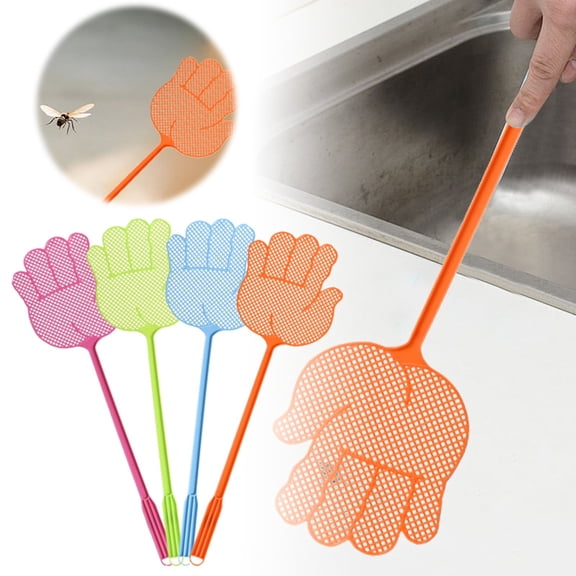
FTsdfkl Hand Shaped Fly Swatter, Long Handle Reusable Bug Mosquito Killer For Home Kitchen Indoor Pest Control $2.04
 $204current price $2.04
FTsdfkl Hand Shaped Fly Swatter, Long Handle Reusable Bug Mosquito Killer For Home Kitchen Indoor Pest Control
Clearance, Fly Swatters Multi Pack, 3 Pack Strong Manual Fly Killer, Long Range Plastic Handle, Indoor Outdoor Bug Swatter, Assorted Colors, Fly Swatter for Mosquito & Insect $0.39 Was $0.99
Clearance$039current price $0.39, Was $0.99$0.99Fly Swatters Multi Pack, 3 Pack Strong Manual Fly Killer, Long Range Plastic Handle, Indoor Outdoor Bug Swatter, Assorted Colors, Fly Swatter for Mosquito & Insect
cpengpj Fly Swatter, Fly Swatter Plastic, Telescopic Fly Swatters, Large Bug Swatter That Work for Indoor and Outdoor $1.78



 $178current price $1.78
cpengpj Fly Swatter, Fly Swatter Plastic, Telescopic Fly Swatters, Large Bug Swatter That Work for Indoor and Outdoor
Manual Fly Swatter Plastic Heavy Duty Fly Killer Manual Pest Control Tool Long Handle Insect Swatter for Indoor Outdoor Home Kitchen Mosquito Trap Pack of 1 #934 Multi-color $6.15
 $615current price $6.15
Manual Fly Swatter Plastic Heavy Duty Fly Killer Manual Pest Control Tool Long Handle Insect Swatter for Indoor Outdoor Home Kitchen Mosquito Trap Pack of 1 #934 Multi-color
Rollback, Fly Swatter, Plastic Bug Wacker for Home, 3pcs, Random Color $0.69 Was $0.97
Rollback$069current price $0.69, Was $0.97$0.97Fly Swatter, Plastic Bug Wacker for Home, 3pcs, Random Color
Qiulaii Fly Swatter 3Pcs Manual Plastic, Long Handle Bug Swatter for Home Kitchen, Flexible Durable Pest Control Tool 15in with Large Mesh(A B C) $1.73
 $173current price $1.73
Qiulaii Fly Swatter 3Pcs Manual Plastic, Long Handle Bug Swatter for Home Kitchen, Flexible Durable Pest Control Tool 15in with Large Mesh(A B C)
36-Inch Fly Swatter - Extra Long Unbreakable Mosquito Killer for Indoor/Outdoor, Thick Plastic Summer Insect Control Tool $1.67 Was $2.67


 $167current price $1.67, Was $2.67$2.67
36-Inch Fly Swatter - Extra Long Unbreakable Mosquito Killer for Indoor/Outdoor, Thick Plastic Summer Insect Control Tool
22.5 out of 5 Stars. 2 reviews2.5 out of 5 starsClearance, RuiJiao 3Pcs Durable Plastic Fly Swatter with Long Handle, Heavy Duty Bug Zapper for Kit $3.15 Was $3.98
Clearance


 $315current price $3.15, Was $3.98$3.98
RuiJiao 3Pcs Durable Plastic Fly Swatter with Long Handle, Heavy Duty Bug Zapper for Kit
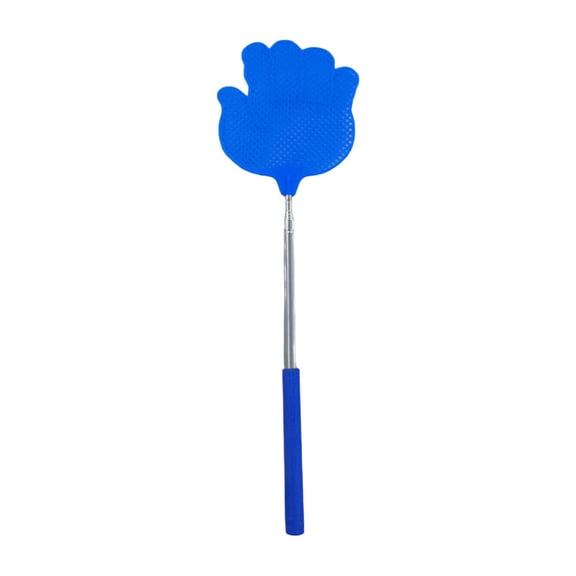
Retractable Fly Swatter Blue for Kitchen, Patio, Porch, Camping, and Household Insect Control Tasks $7.73


 $773current price $7.73
Retractable Fly Swatter Blue for Kitchen, Patio, Porch, Camping, and Household Insect Control Tasks
FNGZ Gardening Supplies, 4 Pack Fly Swatters Multi Colors Manual Plastic Fly Swatter Set Mosquito Killer, 4*Fly Swatter $4.65
 $465current price $4.65
FNGZ Gardening Supplies, 4 Pack Fly Swatters Multi Colors Manual Plastic Fly Swatter Set Mosquito Killer, 4*Fly Swatter
15 out of 5 Stars. 1 reviews5 out of 5 starsRollback, Insect Repellent Mosquitoes Killer Lamp Fly Swatter 4pcs Manual Plastic 17.5' Durable Long Handle $1.24 Was $2.47
Rollback $124current price $1.24, Was $2.47$2.47
Insect Repellent Mosquitoes Killer Lamp Fly Swatter 4pcs Manual Plastic 17.5' Durable Long Handle
Clearance, Fly Swatter,Manual Fly Swatters Mesh Head,Random Color 1Pcs Mata Moscas,Plastic Heavy Duty Manual Fly Killer,Long Handle Flyswatter,Large Bug Swatters That Work for Indoor And Outdoor,Non-Slip $0.78 Was $0.88
Clearance$078current price $0.78, Was $0.88$0.88Fly Swatter,Manual Fly Swatters Mesh Head,Random Color 1Pcs Mata Moscas,Plastic Heavy Duty Manual Fly Killer,Long Handle Flyswatter,Large Bug Swatters That Work for Indoor And Outdoor,Non-Slip
CaiYueKe 4 Pack Plastic Fly Swatter with Long Handle, Manual Bug Swatter with Cute Hand Shape Design, Indoor Outdoor Fly Killer for Home Kitchen Garage Patio $6.24
$624current price $6.24CaiYueKe 4 Pack Plastic Fly Swatter with Long Handle, Manual Bug Swatter with Cute Hand Shape Design, Indoor Outdoor Fly Killer for Home Kitchen Garage Patio
Herunwer Fly Swatter,Plastic Heavy Duty Manual Fly Killer, Long Handle Flyswatter, Large Bug Swatters That Work for Indoor and Outdoor $1.48
 $148current price $1.48
Herunwer Fly Swatter,Plastic Heavy Duty Manual Fly Killer, Long Handle Flyswatter, Large Bug Swatters That Work for Indoor and Outdoor
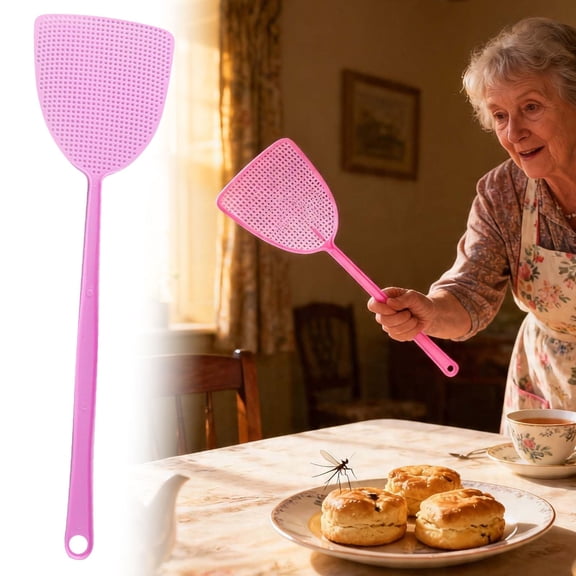
11 out of 5 Stars. 1 reviews1 out of 5 starsYardChic Bug & Fly Swatter, Fly Swatter, Manual Fly Swatters Mesh Head, Manual Plastic Flyswatter Duty for Indoor and Outdoor Racket for Bug, Mosquito, Bee, Spiders, Flies $5.39


 $539current price $5.39
YardChic Bug & Fly Swatter, Fly Swatter, Manual Fly Swatters Mesh Head, Manual Plastic Flyswatter Duty for Indoor and Outdoor Racket for Bug, Mosquito, Bee, Spiders, Flies
Customer ratings & reviews
0 out of 5 stars
This item does not have any reviews yet

Price when purchased online
Not Available
How do you want your item?
Not available