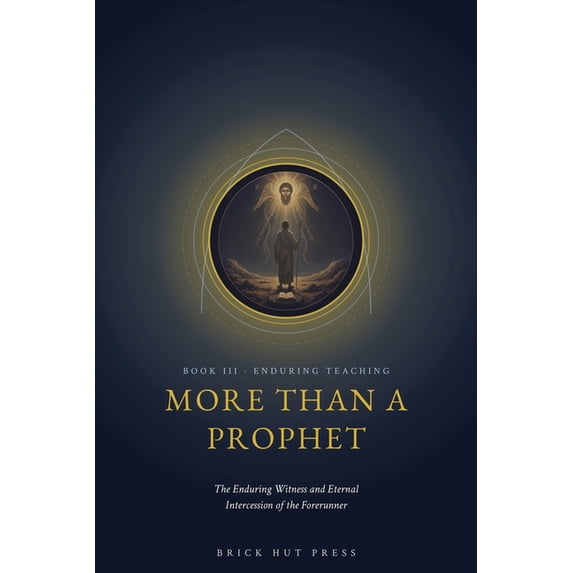
Saint John the Forerunner and Baptist was the prophet of Christ who baptized Jesus in the Jordan. How does a voice that Herod tried to silence with a sword continue to speak to the Church in every age?
Herodias believed that burying his severed head would silence his voice forever. Instead, his witness expanded into the wilderness, where the first monastics took up his camel hair garments and ascetic fasts. His posture of unceasing intercession became the center of the deisis, standing at the right hand of Christ in churches across the world. His moral demands to share coats and abandon extortion ring through the liturgical year across six distinct feasts and every Tuesday commemoration. The Forerunner emerges not as a historical artifact, but as a living patron who still calls the soul to the font of repentance.
- Enduring moral teaching: how the command to share a second coat and cease extortion remains a specific demand for the Christian conscience.
- Holy diminishment: the spiritual logic of his insistence that he must decrease so the Lord might increase.
- Liturgical memory: the theology embedded in his six annual feasts and his weekly Tuesday remembrance.
- Providential recovery: the three findings of the Precious Head that defeated the intentions of his executioners.
Book Three of The Voice That Ran Before: A Life of Saint John the Forerunner. The immediate predecessor, Behold the Lamb, left behind the historical events of his public preaching and his martyrdom. The first volume, Arise in the Wilderness, detailed his miraculous conception and his quiet preparation in the desert.
Readers seeking an introduction to the Forerunner's place in the liturgy, the history of his sacred relics, and the question he puts to every Christian.