

Wellness in Health and Medicine
















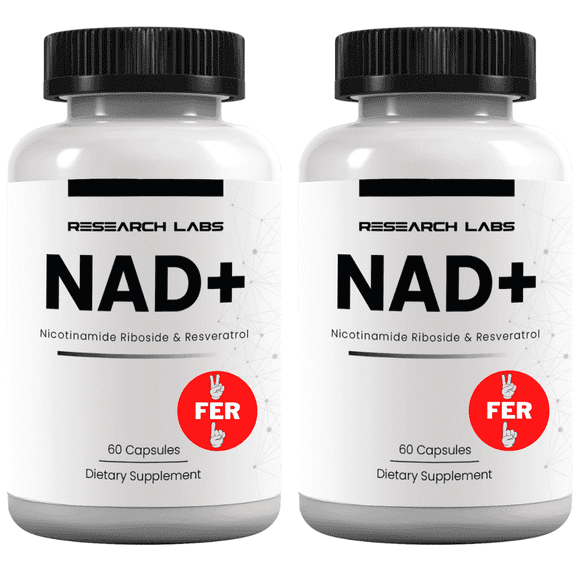


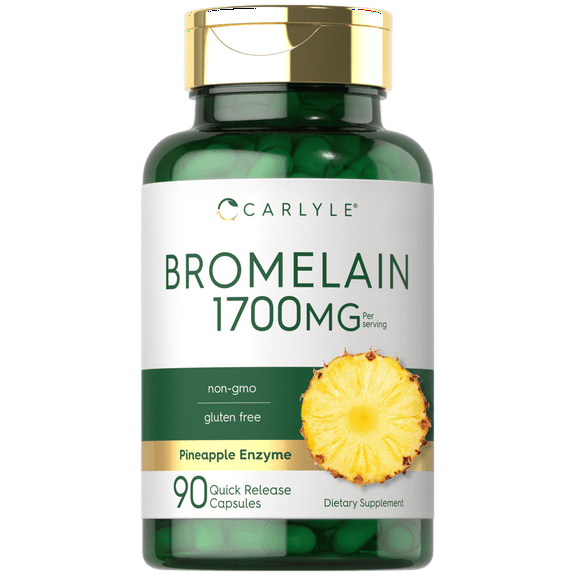

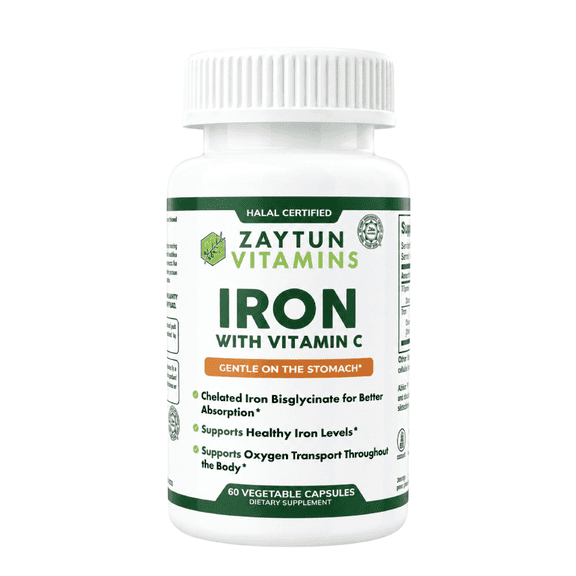
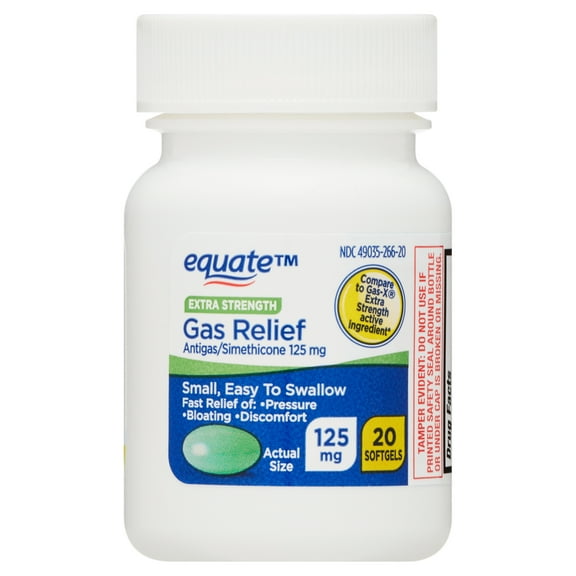


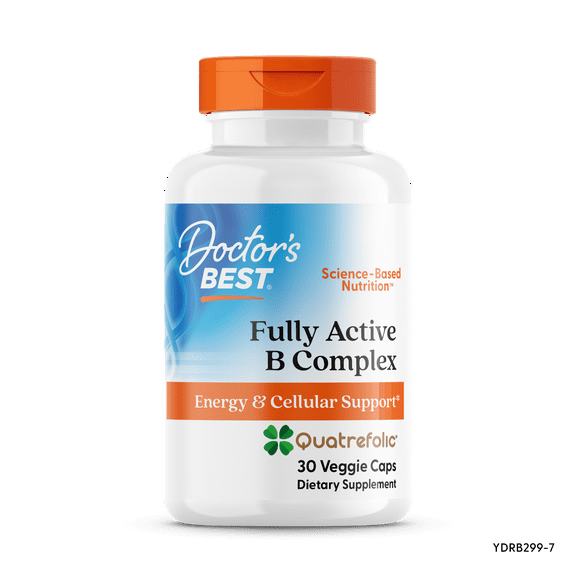


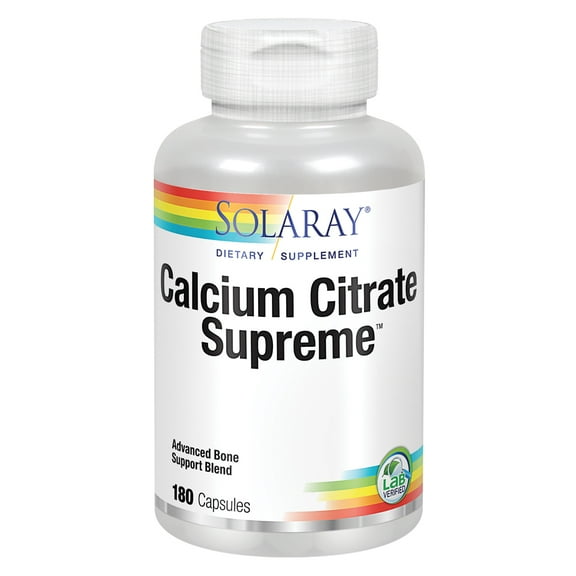
About Wellness in Health and Medicine - Walmart.com
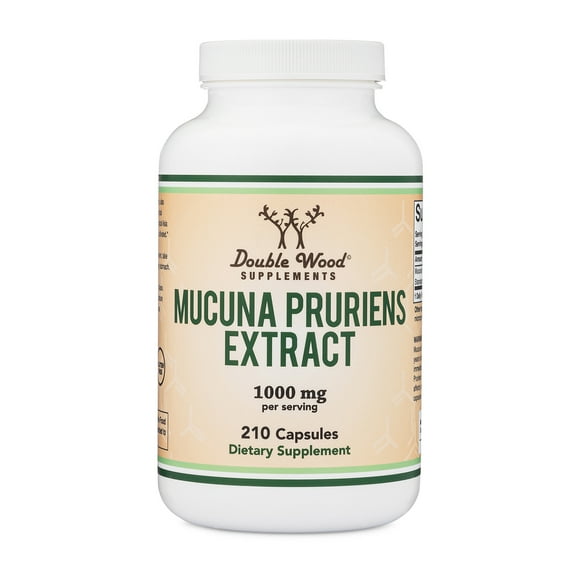
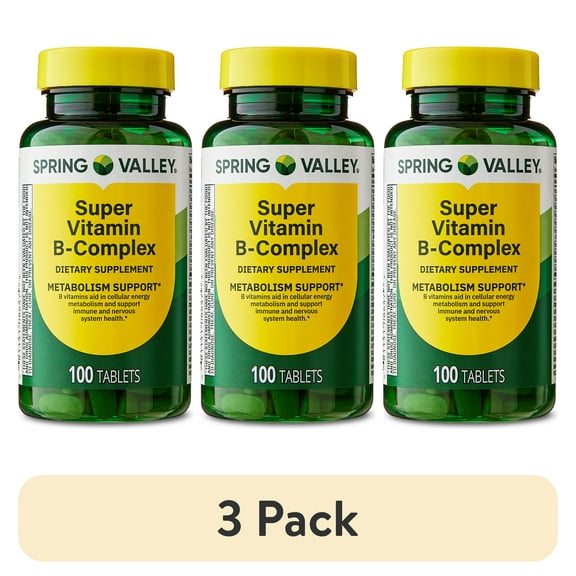
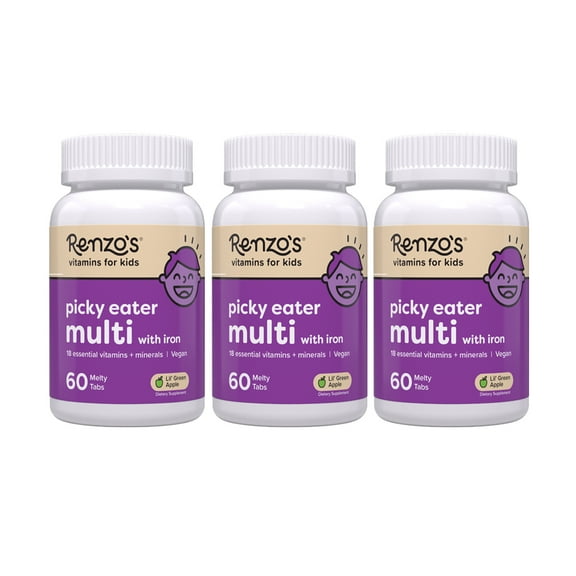
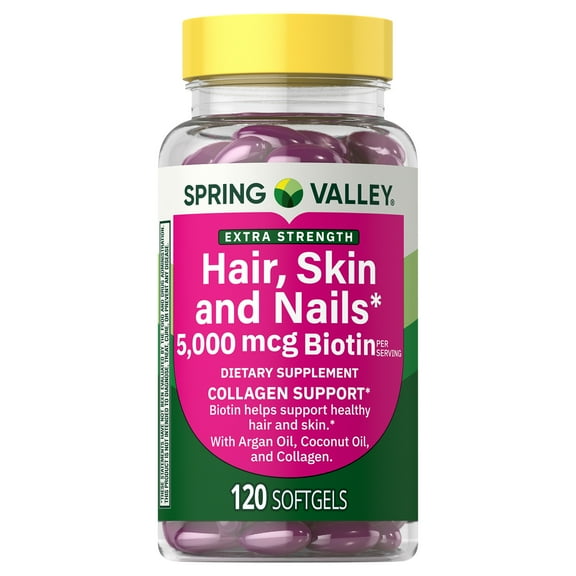
You can build a more organized routine with wellness products that match your goals, preferred form, and dietary needs. You’ll find category options like vitamins, supplements, sleep aids, and protein powders designed for everyday use.
When you shop health and wellness, you may want clear choices instead of broad claims. You can compare forms, ingredient labels, and intended routine fit without guessing what belongs in your cabinet.
How to choose wellness products by product type
You’ll often start with product type because it shapes how a product fits into your day. You can compare wellness products across vitamins, supplements, sleep aids, and protein powders based on routine and format.
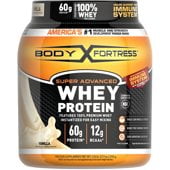
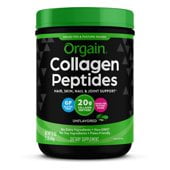
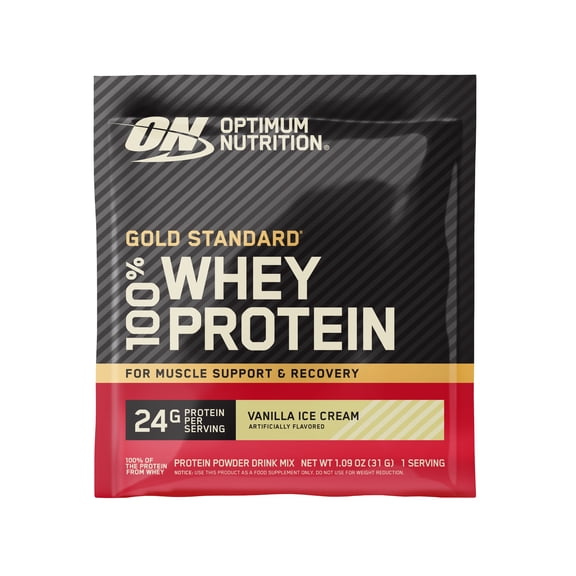
If you want a simple daily option, you may look at wellness vitamins and general supplements first. If you mix drinks or plan around workouts, you may prefer protein powders with scoop-based servings.
Sleep aids usually fit into evening routines, while other supplements may fit morning or midday use. You can narrow choices faster when you match product type to when you’ll actually use it.
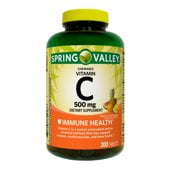
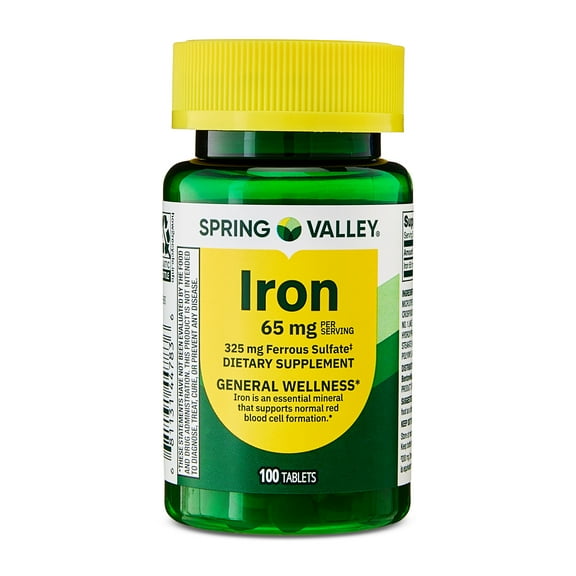
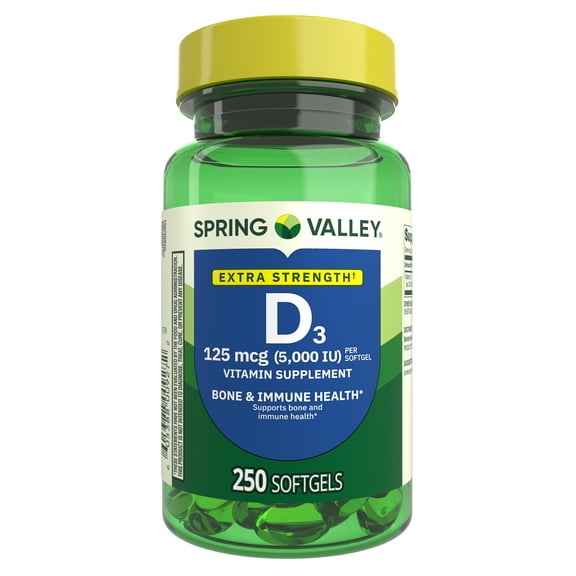
- You can choose vitamins for daily nutrient support and easy routine building.
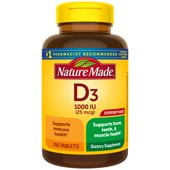
- You can compare supplements by ingredient focus and intended routine use.
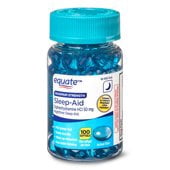
- You can look at sleep aids for nighttime formats and serving styles.
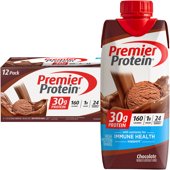
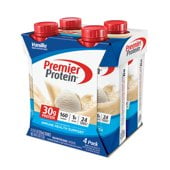
- You can pick protein powders when you want a mixable option for shakes or smoothies.
Choosing the right form for wellness vitamins
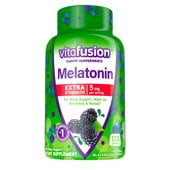
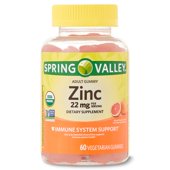
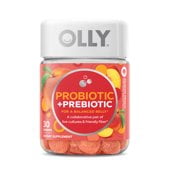
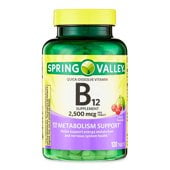
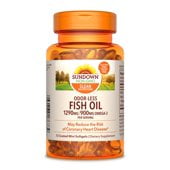
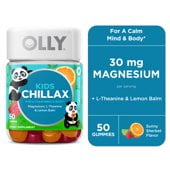
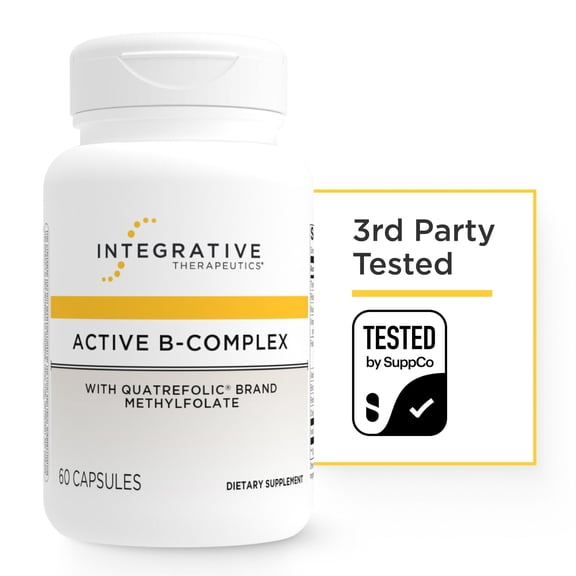
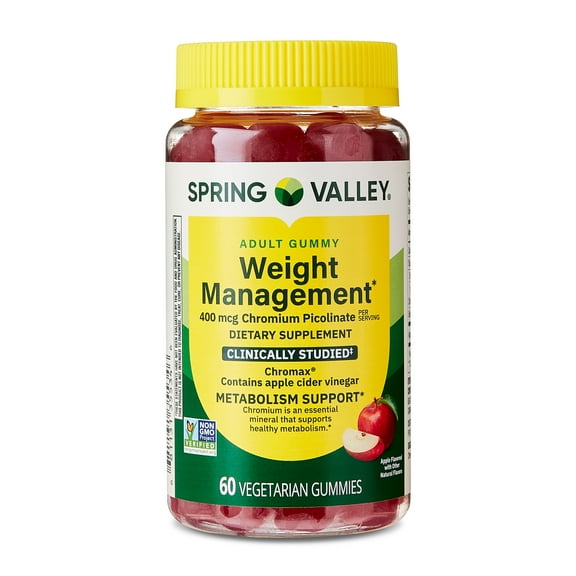
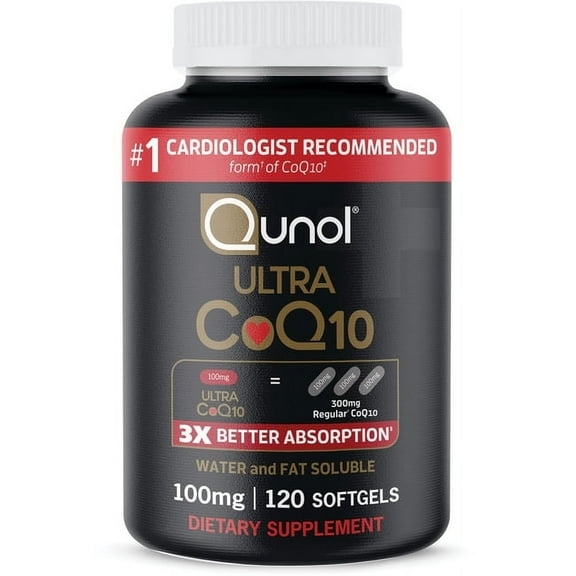
You may prefer capsules when you want a compact option with a familiar serving style. You can choose gummies when taste and chewable texture matter more in your routine.
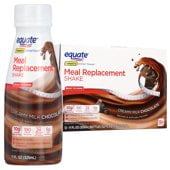
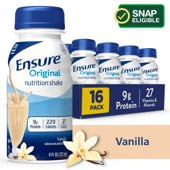
Liquids can work well when you want flexible measuring or easy mixing into drinks. Powders may suit you when you already make shakes, smoothies, or other blended recipes.
You should also compare serving size, texture, and portability before you decide. You’ll notice that capsules travel easily, while powders often need a scoop and extra prep space.
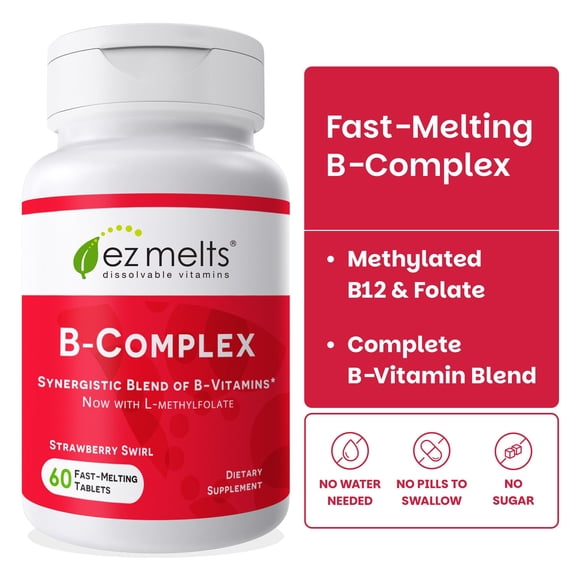
If you dislike swallowing pills, you may lean toward gummies or liquids instead. If you want fewer flavor variables, you may prefer capsules with a quick, simple finish.
Comparing dietary preferences in health and wellness
You should check dietary preference details early because they can remove options fast. You can compare gluten-free, vegan, organic, and non-GMO labels to match your household standards.
When you review labels, you’ll want to look for clear certification language and ingredient lists. You can use that information to compare products without relying on vague front-panel wording.
Vegan options may matter if you avoid animal-derived ingredients in capsules or gummies. Gluten-free choices may help you keep your pantry aligned with your regular meal planning.
Organic and non-GMO details can also shape how you compare ingredient sourcing. You can use those callouts as shopping filters when your routine depends on specific ingredient standards.
Matching wellness supplements to your goal
You’ll shop more efficiently when you start with your intended goal instead of broad category terms. You can compare wellness supplements for immune support, sleep support, energy, or digestive health.
For daytime use, you may look for formats that fit breakfast, snacks, or post-workout routines. For evening use, you may focus on serving style and timing that feel easy to repeat.
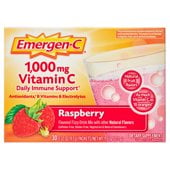
Digestive health options may appeal to you if you want products that pair well with meals. Immune support choices may fit your routine when you keep a steady daily schedule.
You can also compare active ingredient concentration in plain terms on the label. You’ll want amounts that are easy to understand, so your routine stays consistent from one serving to the next.
What to look for in ingredients and sourcing
You should read ingredient panels closely because they help you compare wellness products with more confidence. You can check serving size, active ingredients, flavoring, and source details before you commit.
When sourcing matters to you, you may look for organic or non-GMO callouts first. You can then compare whether the form, flavor, and serving size still fit your daily habits.
You may also want fewer preparation steps if your mornings already feel busy. You can choose ready-to-take capsules or gummies, while powders may suit a more planned routine.
If you share products across your household, you should compare taste, texture, and label preferences together. You’ll make a smoother choice when the format works for more than one routine.
How wellness products fit real routines
You can build a morning setup with capsules beside breakfast items or powders near your blender. You may keep gummies in a visible spot when you want a routine that feels easy to remember.
For travel or office days, you might prefer compact forms that fit neatly in a bag. You can reserve larger tubs and scoop formats for home counters and kitchen storage.
If you follow plant-based eating, you may filter for vegan options before comparing forms. If you avoid gluten, you can focus on label details before choosing flavor or texture.
You can also shop by schedule, such as daytime energy, evening wind-down, or meal-based use. You’ll feel more organized when your selection matches where and when you actually use it.
You can shop wellness with a clearer plan when you compare product type, form, dietary preference, and routine goal together. You’ll make a more confident choice when each label detail supports the way you already live.