






Weighted Blankets for Comfort and Relaxation












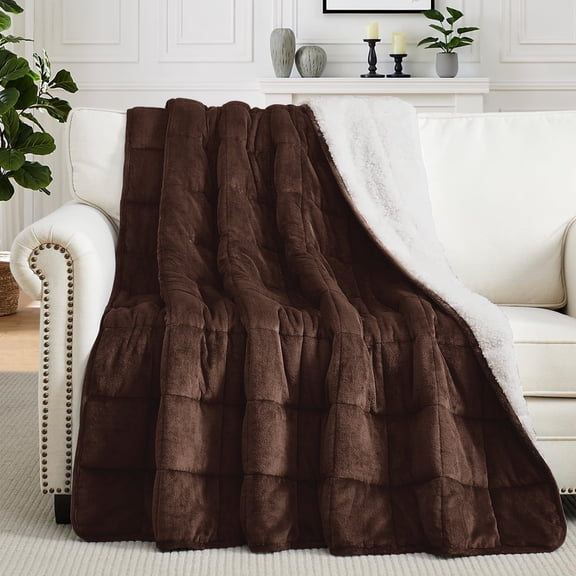


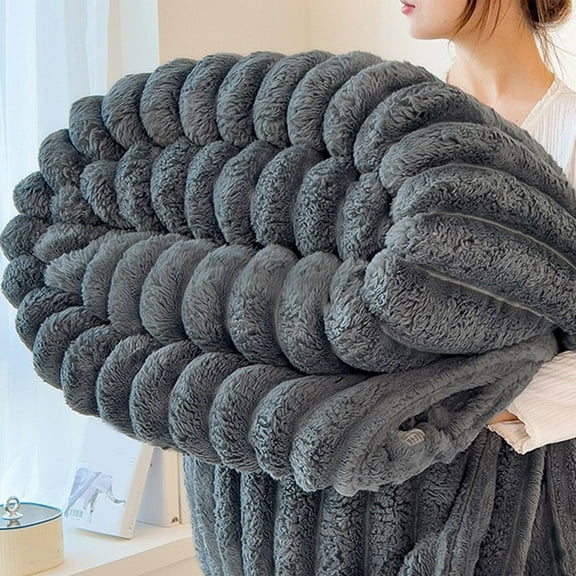


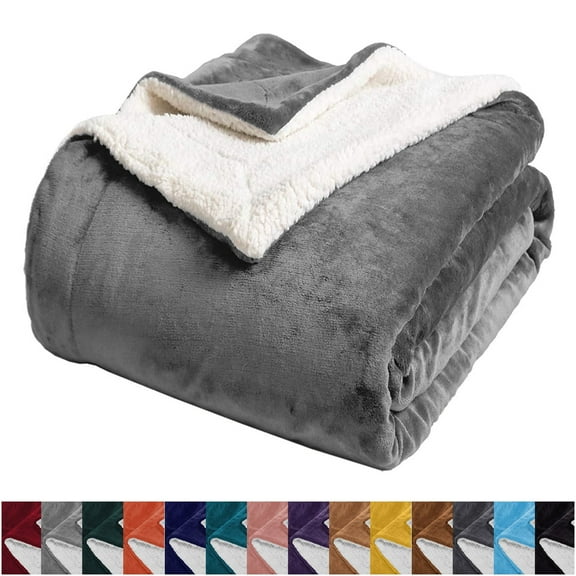


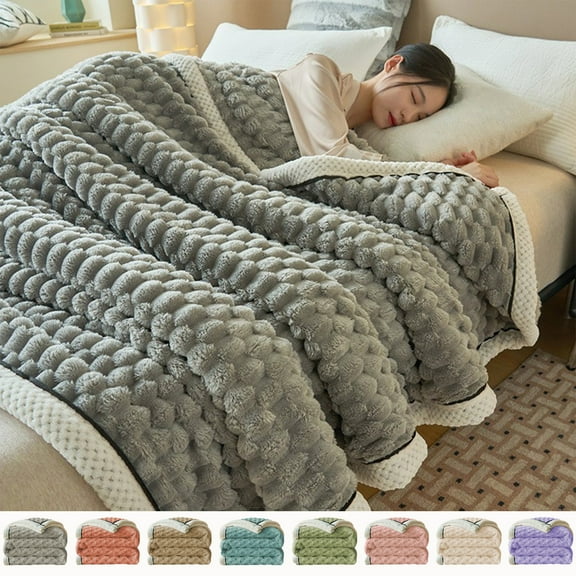


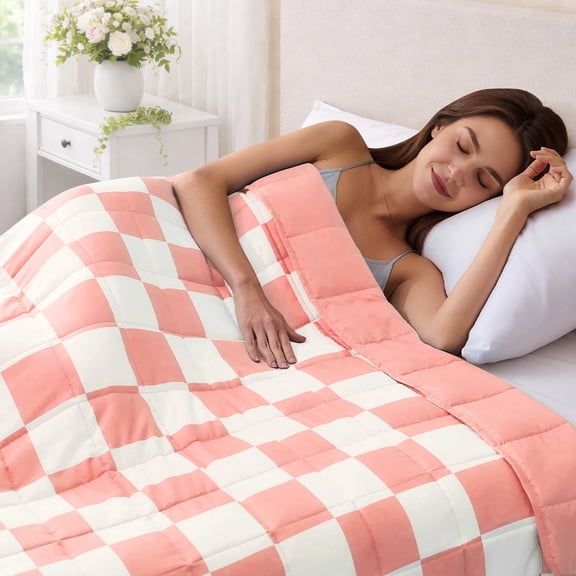


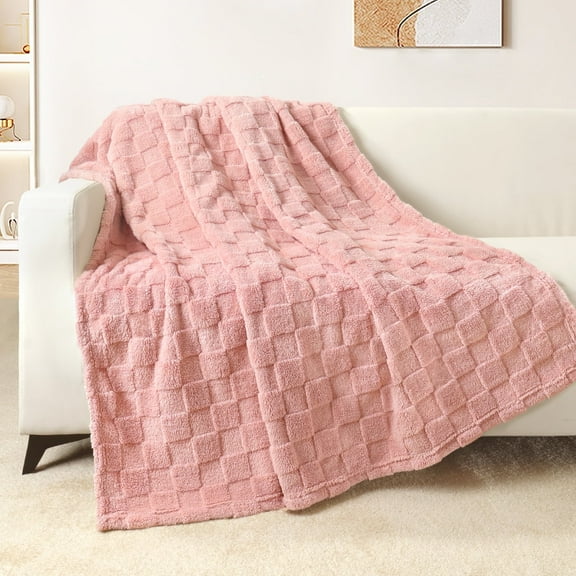


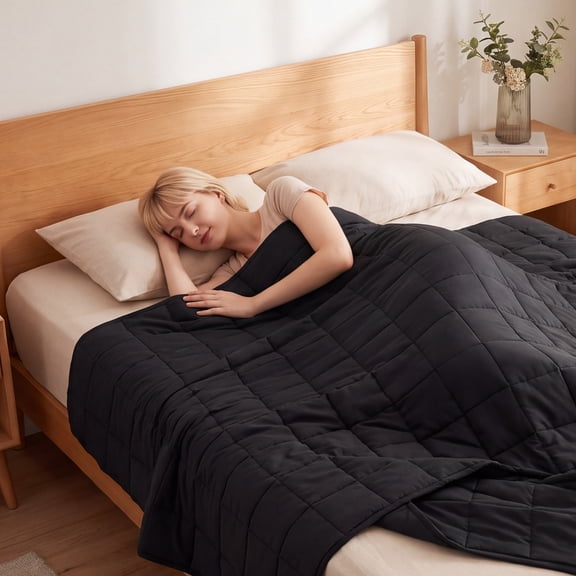


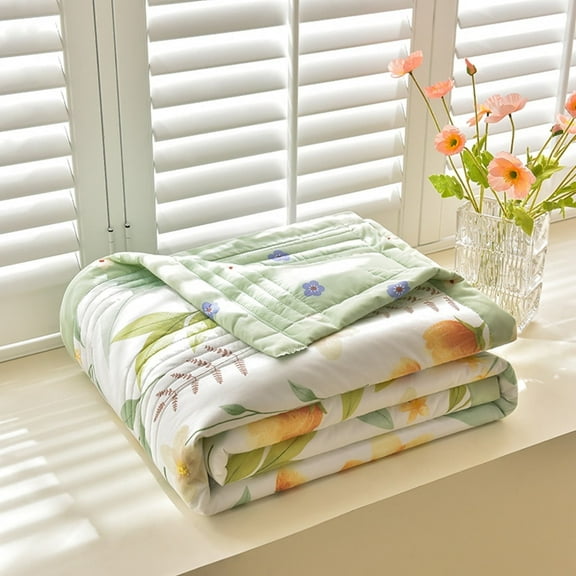








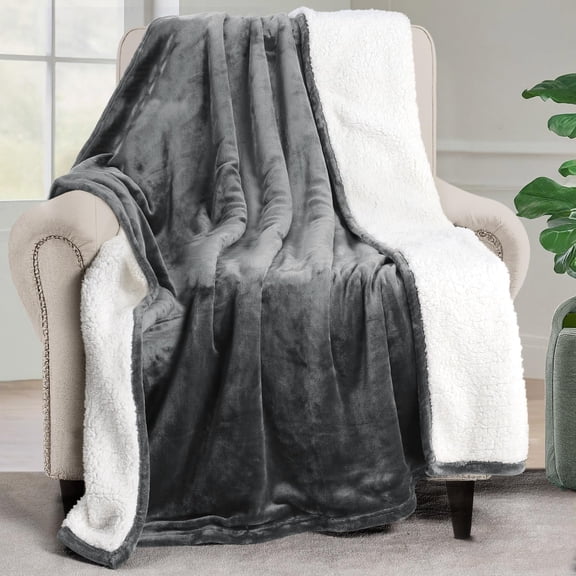


About Weighted Blankets for Comfort and Relaxation - Walmart.com
Weighted blankets give you a practical way to compare weight, size, and fabric before you choose one for your bed or sofa. You can use this guide to match the blanket’s feel, coverage, and care needs to your routine.
If you want clearer buying guidance, you should start with weight, coverage, and fabric feel. You may also want options for adults, children, warm sleepers, and shared beds.
How to choose weighted blankets by weight and size
You should start with blanket weight, because that choice shapes how the blanket feels across your body. You can use the 10% body weight rule as a practical starting point.
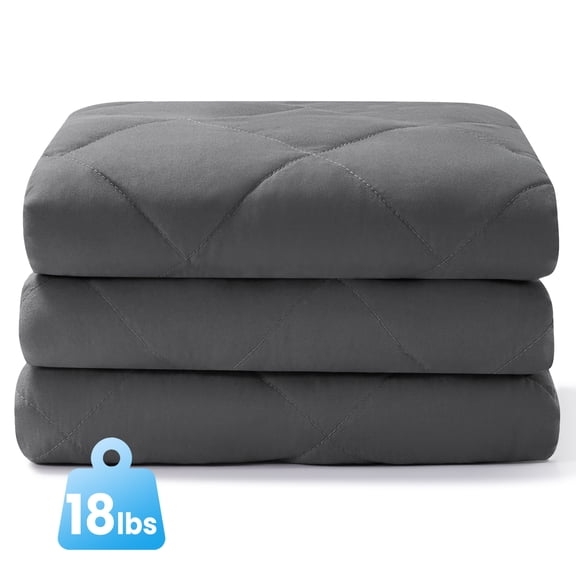
If you weigh around 100 pounds, you may consider 10 lbs for a gentler feel. If you want a heavier drape, you may compare 15 lbs, 20 lbs, or 25 lbs options.
You should also match the size to how you plan to use your blanket. You may choose a weighted throw blanket for couch use, while a queen size weighted blanket suits broader bed coverage.
If you sleep on a twin bed, you may prefer a twin size that stays centered more easily. If you share your bed, you may compare queen and king sizes for fuller drape.
What to look for in weighted blankets materials and filler
You should compare fabric next, because temperature and texture can shape your comfort. If you sleep warm, you may prefer a cooling weighted blanket made from rayon from bamboo.
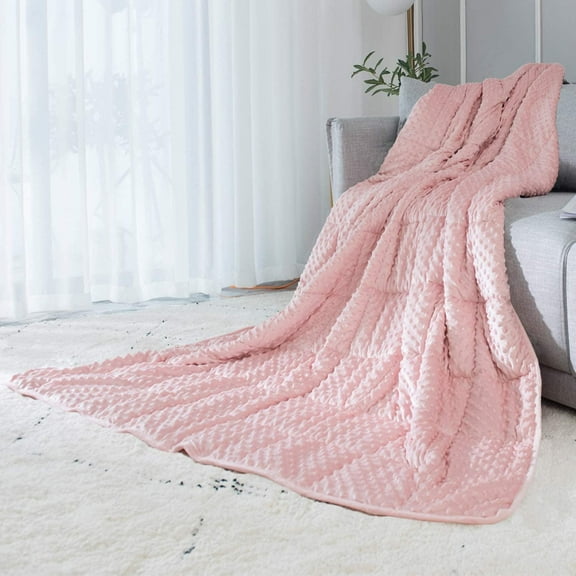
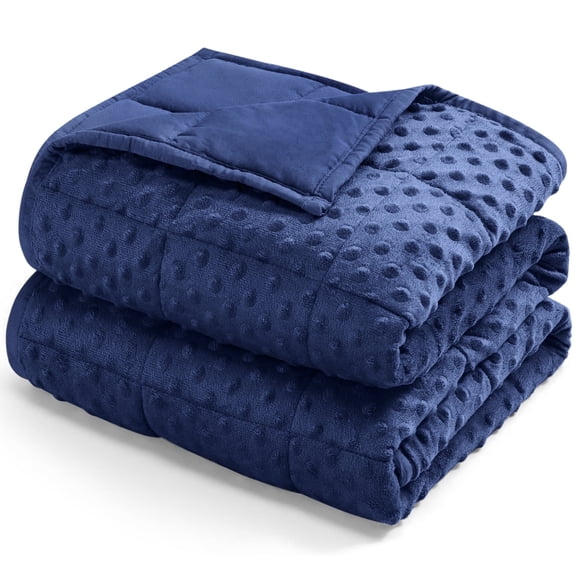
If you want a softer surface, you may prefer minky fleece for cooler rooms. If you want an everyday bedding feel, you may choose cotton for a familiar finish.
You should also compare filler type, because that choice changes how the blanket rests across your body. You may notice glass beads create a smoother feel, while plastic pellets can feel bulkier.
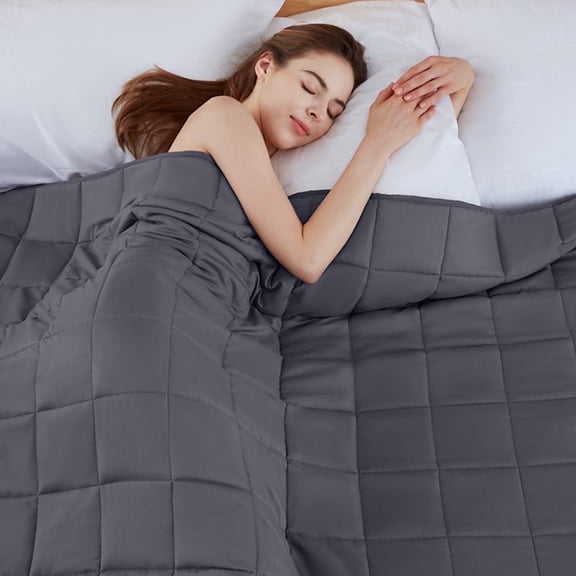
When you compare a heavy blanket, you should check how evenly the blanket distributes weight. You may prefer smaller stitched sections, because they help the filler stay more balanced.
- You can use the 10% body weight rule as a starting guide for 10 lbs, 15 lbs, 20 lbs, and 25 lbs options.
- You may choose throw, twin, queen, or king sizes based on couch use, solo sleep, or shared bed coverage.
- You can compare cotton, rayon from bamboo, and minky fleece to match warm rooms, cool rooms, and your texture preferences.
- You should check whether glass beads or plastic pellets match the drape, feel, and weight distribution you want.
Choosing a weighted blanket for adults or children
If you’re shopping for a weighted blanket for adults, you may focus on bed size, drape, and fabric feel. You can compare queen or king options when you want more surface coverage.
If you’re considering a kids weighted blanket, you should focus on age guidance and intended use. You should check product details carefully, because child sizing and supervision guidance can vary.
You should match a child option to the user’s size rather than to the bed’s size. You may also look for easy-care covers or simpler construction if frequent washing matters.
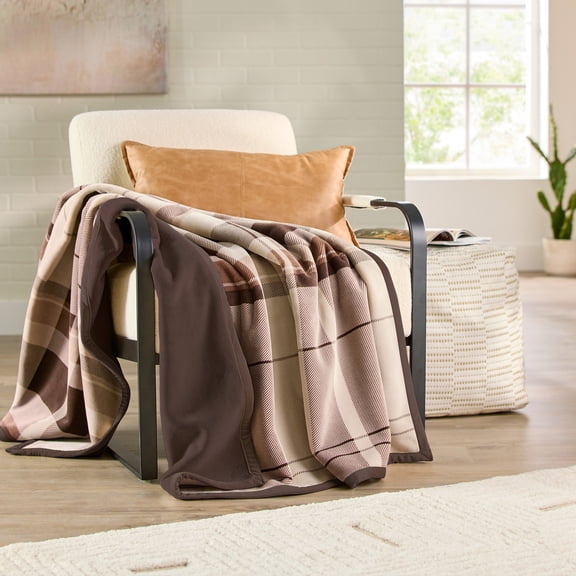
If you need a weighted throw blanket, you may prefer a smaller format for reading chairs and sofas. You can get easier folding, simpler storage, and more flexible room-to-room use.
How to compare care and comfort for daily use
You should read care details before you choose, because blanket weight affects washing options. You may find some styles work in home machines, while heavier builds may need spot cleaning or removable covers.
If you want easier upkeep, you may look for a removable cover with a simple closure. You can refresh the outer layer more often when that setup fits your routine.
You should also compare stitching, edge finish, and fabric durability for repeated use. If you use your blanket nightly, you may appreciate details that help it keep its shape and feel.
When you choose rayon from bamboo or cotton, you may want care steps that fit your laundry routine. You may prefer materials that feel comfortable without adding extra maintenance complexity.
How weighted blankets fit your routine
You can use weighted blankets in several ways, depending on your room setup and schedule. If you relax on the couch first, you may prefer a throw size that moves easily into bedtime use.
If you’re outfitting a main bed, you may compare twin, queen, and king dimensions carefully. You should look for enough coverage without excess overhang that feels awkward to adjust.
If you tend to sleep warm, you may look for cooling weighted blanket materials and breathable covers. You may notice rayon from bamboo and smoother glass bead fill feel less insulating.
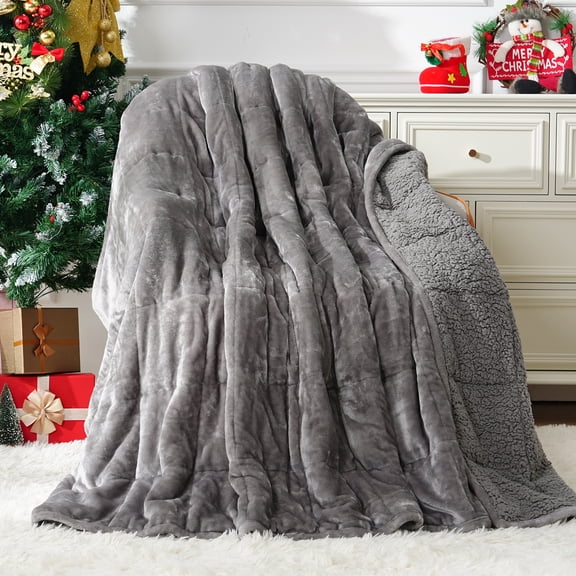
If you want a cozier cold-weather setup, you may lean toward minky fleece and a heavier drape. You can get a softer hand feel that pairs well with layered bedding in cooler spaces.
You may also coordinate your blanket with sheets, comforters, and pillows for a more complete bed setup. You can create a more consistent feel when your bedding layers match your texture and size preferences.
With the right weight, size, material, and filler, weighted blankets can fit your sleep space and lounge routine more naturally. You can feel more confident choosing an option that matches your bed, temperature preferences, and care habits.