

Washers in Fasteners



















About Washers in Fasteners - Walmart.com
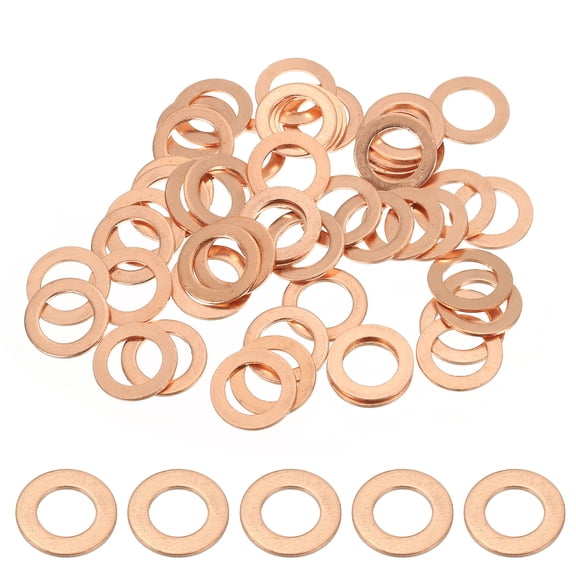
Washers help you create a secure fit, protect surfaces, and match bolts or screws with the right spacing. You can compare washer types, materials, sizes, and pack counts here for home, shop, and jobsite fastening tasks.
Choosing the right washers for your project
When you choose washers, you should first match the inside diameter to your fastener size. You should also check the outside diameter, because a wider washer spreads force across more surface area.
If you’re comparing SAE and metric washers, you’ll want measurements that match your hardware exactly. You can use inch-based sizes for SAE fasteners and millimeter sizes for metric bolts and screws.
For many assemblies, you’ll need more than simple spacing between the fastener head and the material surface. You may also need support against pull-through, help with vibration, or a tighter seal around the opening.
How washer type changes fit and function
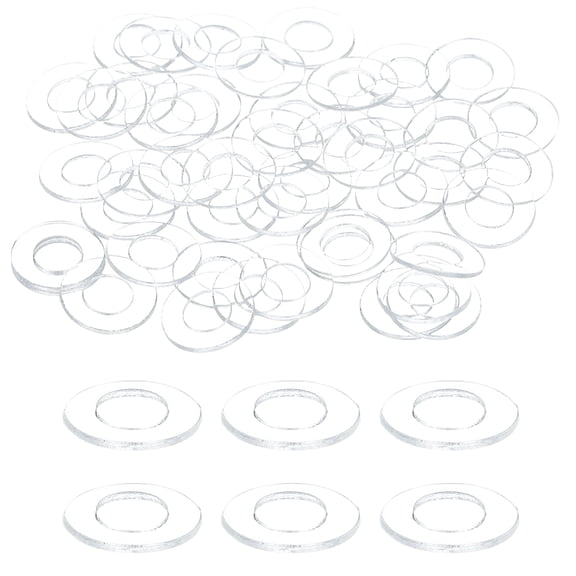
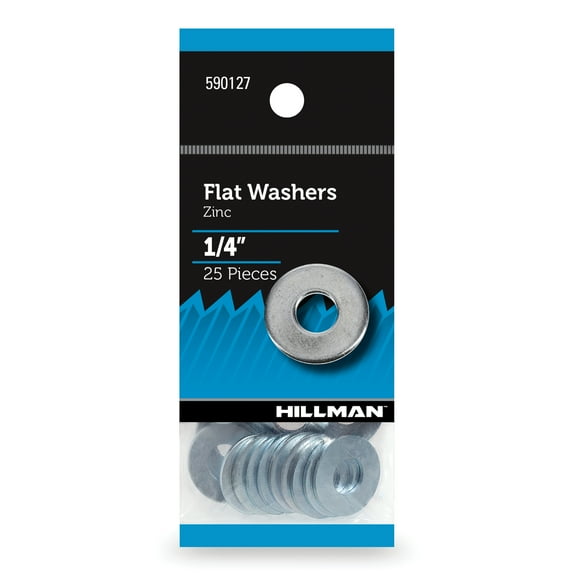
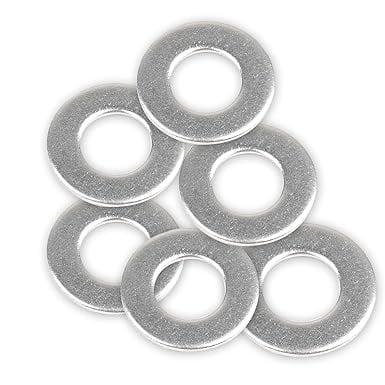
Flat washers help you spread clamp load and reduce surface marking on wood, metal, and plastic. You’ll often use them under bolt heads or nuts when you want a clean, even bearing surface.
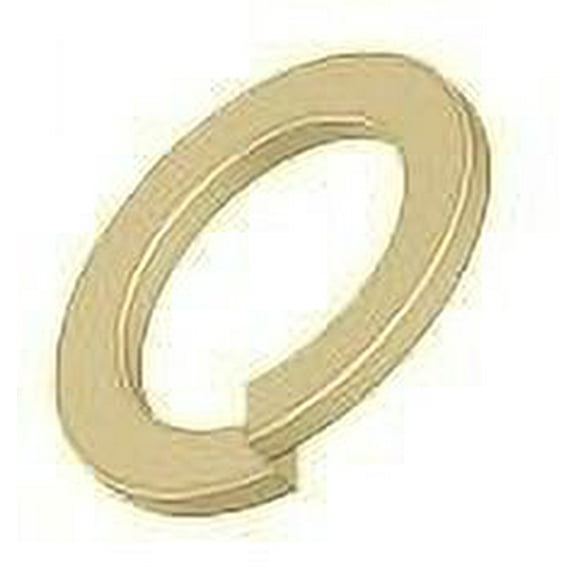
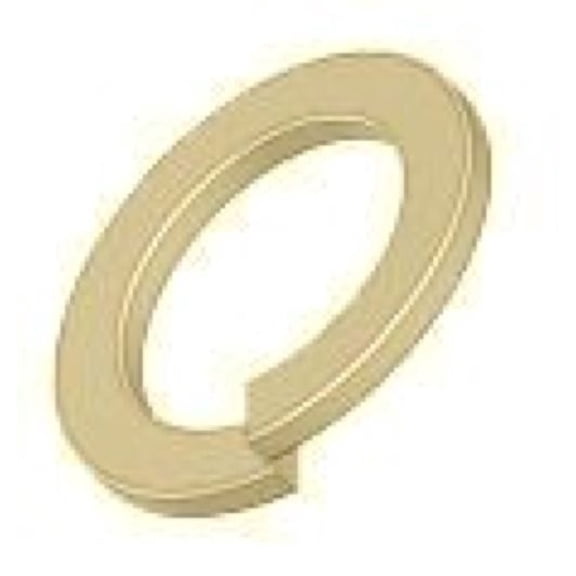
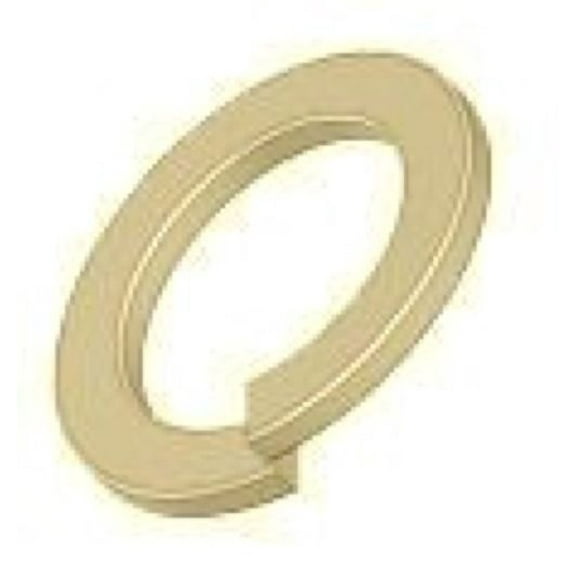
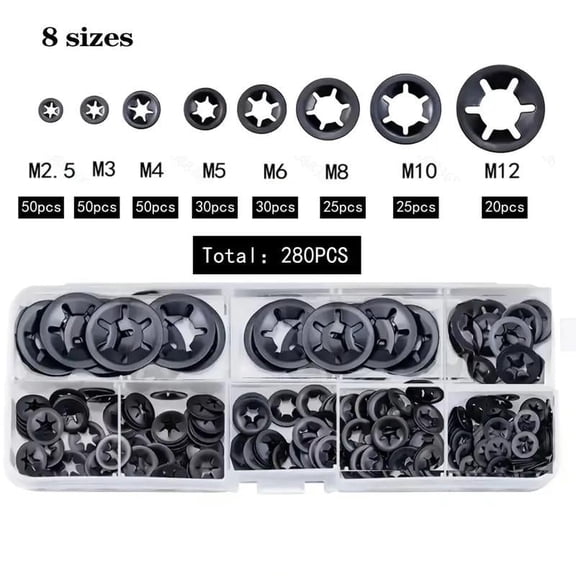
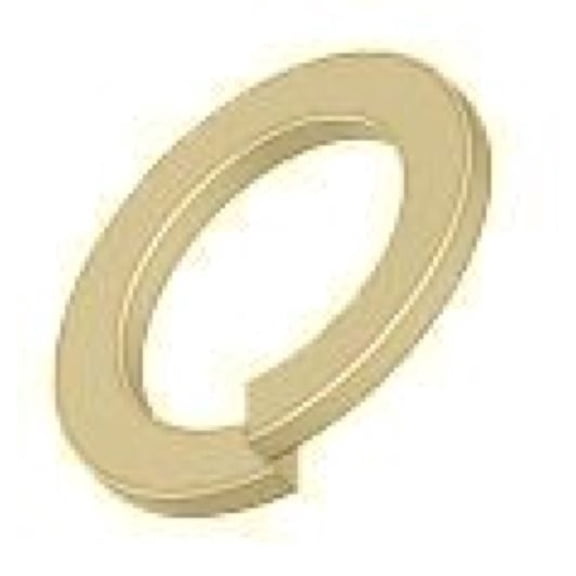
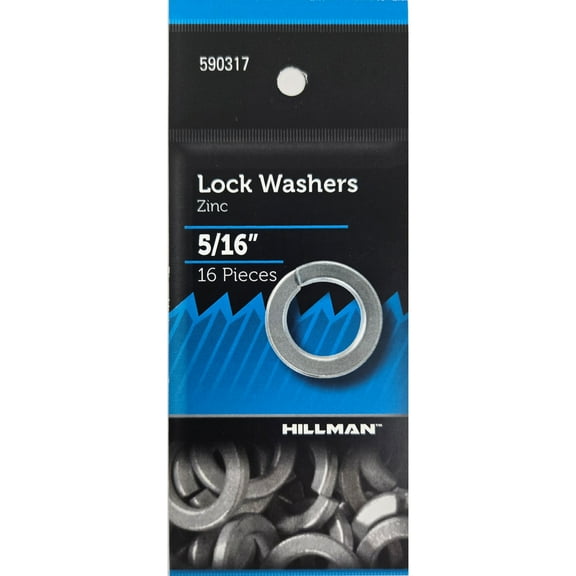
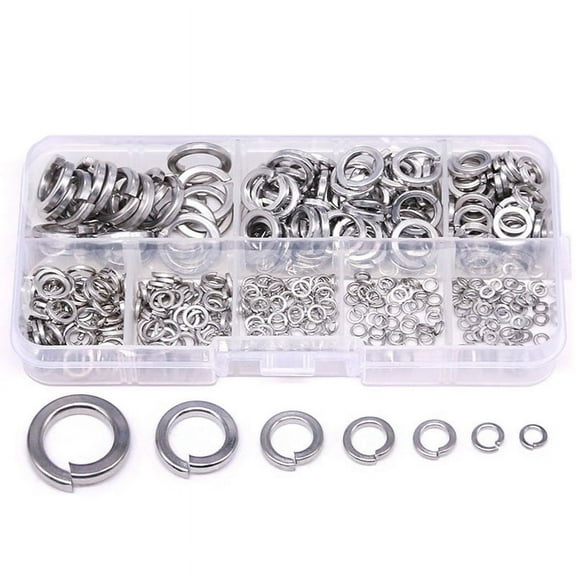
Lock washers help you add tension where vibration can loosen a connection over time. You may choose split or star styles when your assembly needs extra grip during repeated movement.
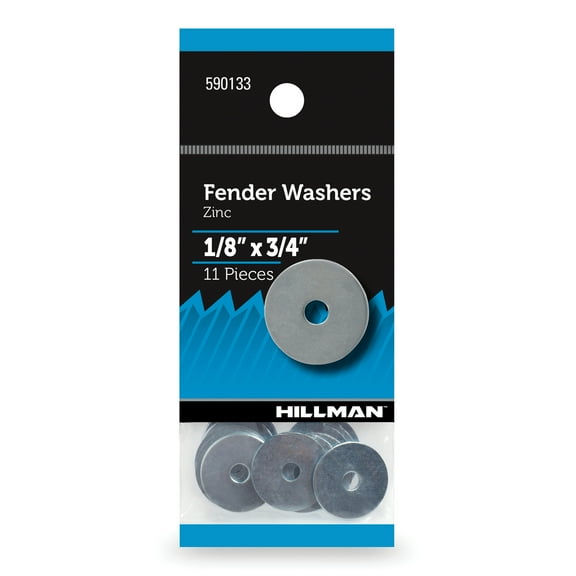
Fender washers give you a larger outside diameter, which helps you cover oversized holes or support thinner materials. You’ll often find them useful when you need broad load distribution in sheet metal or panels.
- You can use flat washers when you need balanced load distribution.
- You can choose lock washers when vibration resistance matters.
- You can pick fender washers when you need wider surface coverage.
- You can compare split and star options when you want added bite.
Each washer type supports a different fastening goal, so your choice should follow the demands of the assembly. You’ll get a cleaner fit when the washer shape matches the job instead of forcing a one-size approach.
Comparing flat washers and lock washers
Flat washers and lock washers serve different purposes, even when they fit the same fastener diameter. You should choose flat washers for support and choose lock washers for holding tension in moving assemblies.
If your bolt passes through softer material, flat washers can help distribute force and limit pull-through. If your equipment vibrates, lock washers can help the nut stay seated during regular use.
You may also stack washer types in some assemblies when you need both spacing and resistance to loosening. You should always confirm diameter and thickness so your setup stays aligned with the fastener length.
Choosing material: stainless steel washers, rubber washers, and more
Material choice affects how your washers perform indoors, outdoors, and around moisture. You should compare stainless steel washers, rubber washers, silicone washers, brass options, and nylon styles by environment and contact surface.
Stainless steel washers work well when you need corrosion resistance in outdoor or damp locations. You may choose them for deck hardware, exterior gates, utility enclosures, or equipment exposed to weather.
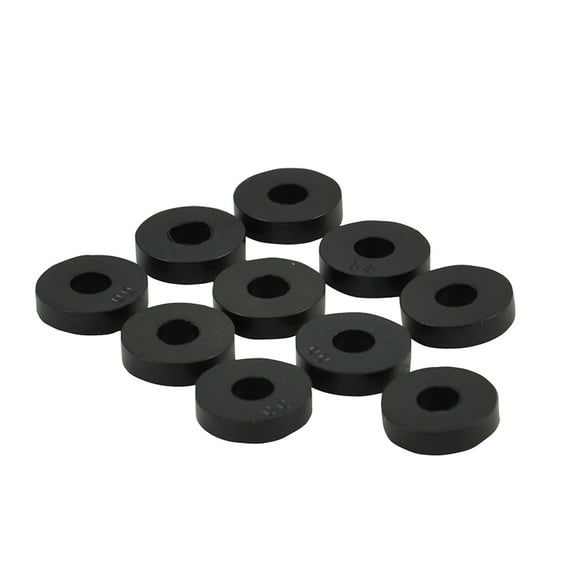
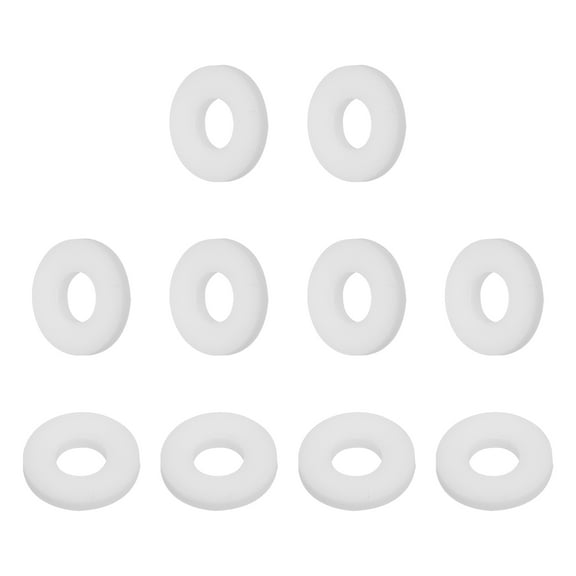
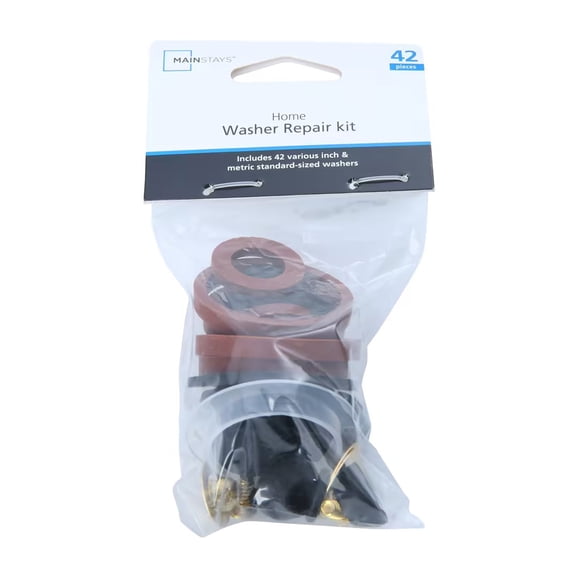
Rubber washers help you create a cushioned seal between surfaces and around fastener openings. You’ll often use them where you want leak prevention, reduced rattle, or a gentler contact point.
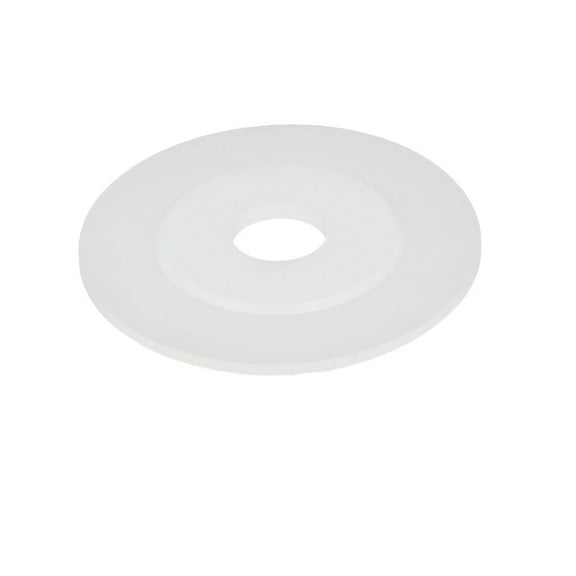
Silicone washers can suit applications where you want flexible sealing across changing temperatures. Brass washers can fit decorative hardware, while nylon washers can help separate surfaces and reduce metal-to-metal contact.
Understanding size, thickness, and metric washers
Exact fitment matters, so you should measure both the fastener and the hole before choosing washers. You’ll want the inner opening to clear the shaft, while the outer edge supports the surrounding material.
Thickness also changes performance, because a thicker piece can affect spacing and clamping height. You should check whether your bolt length still allows enough thread engagement after adding the washer.
Metric washers help you match metric bolts, machine screws, and nuts without guessing across systems. You can avoid sloppy fit and alignment issues when you keep metric hardware with metric washer sizes.
If you use SAE hardware, you should stay with inch-based washer sizing for a more consistent fit. You’ll save time during assembly when your measurement system matches from start to finish.
Picking the right pack size for repeat jobs
Pack size can shape how easily you finish repairs, installations, and production runs. You can choose individual pieces for quick replacements, small packs for planned tasks, or bulk counts for frequent use.
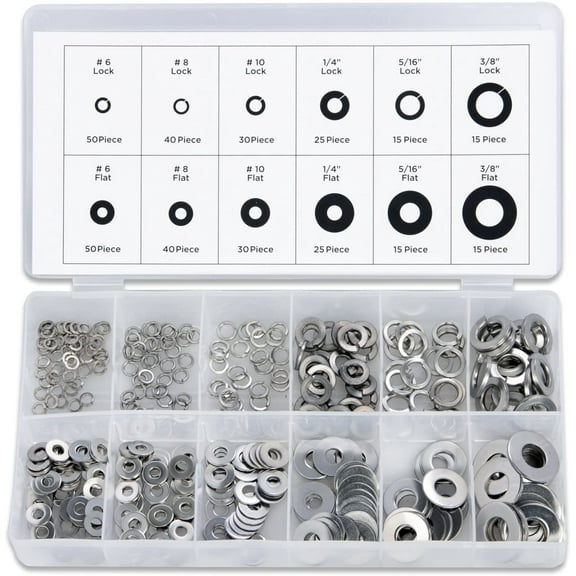
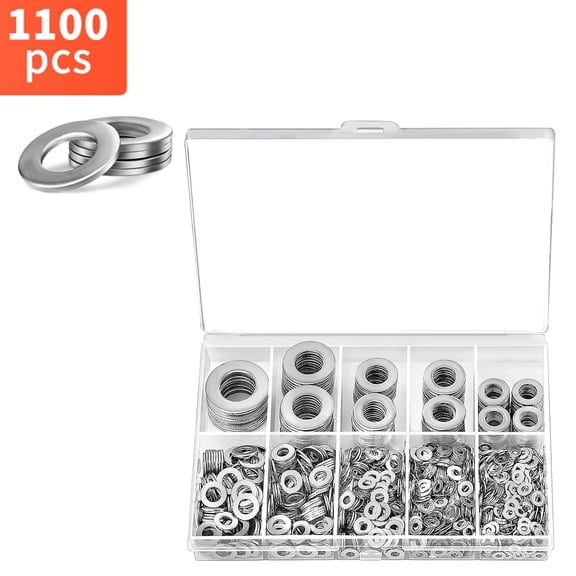
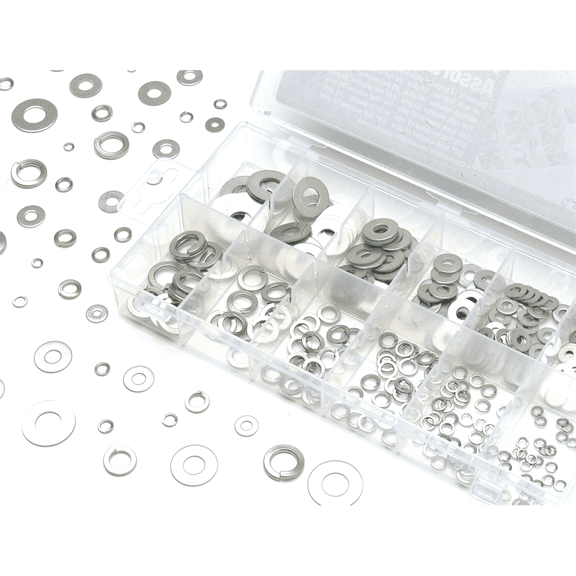
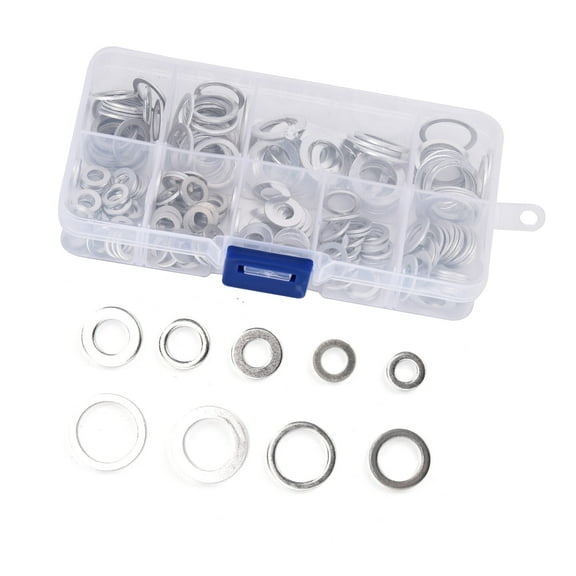
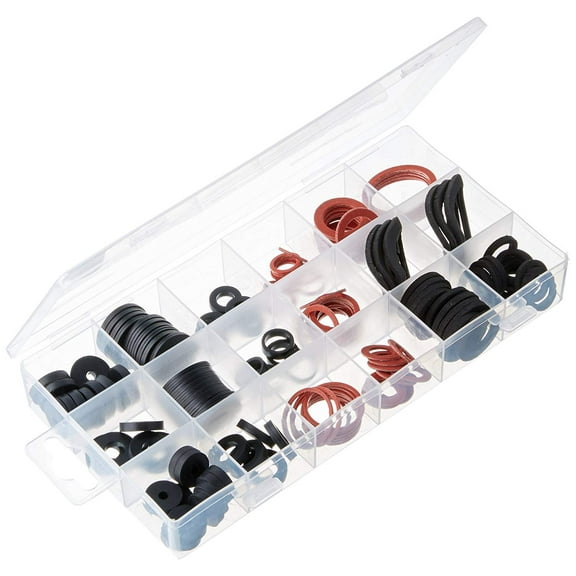
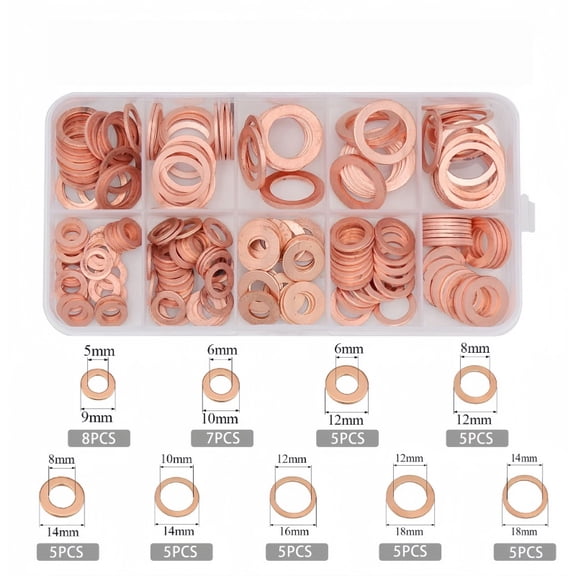
A washer assortment kit can help you keep common sizes within reach for maintenance benches and service calls. You may prefer assorted packs when you work across several bolt diameters in one day.
For repetitive fastening jobs, bulk quantities help you maintain consistency across multiple assemblies. You’ll also spend less time pausing a project to search for matching replacement parts.
Use cases that help you narrow your choice
If you’re hanging brackets or tightening machine screws on indoor fixtures, flat washers can help protect painted or finished surfaces. You should check diameter carefully when the mounting hole sits close to an edge.
When you’re securing motors, tools, trailers, or other vibrating equipment, lock washers can support a steadier connection. You may want split or star styles when movement could work a nut loose.
For plumbing-related hardware, outdoor boxes, or other moisture-prone assemblies, rubber washers and silicone washers can help with sealing. You should compare the material and size closely so the opening sits evenly around the fastener.
If you’re working with sheet metal, plastic panels, or oversized holes, fender washers can provide broader coverage. You’ll often get a more stable hold when the load spreads across a larger contact area.
Whether you need one replacement or a washer assortment kit, you can make a faster choice by matching type, material, and measurement system. You’ll get a cleaner, more dependable assembly when each washer fits your hardware and the task.