




Live Vegetable Plants for Patio Gardens


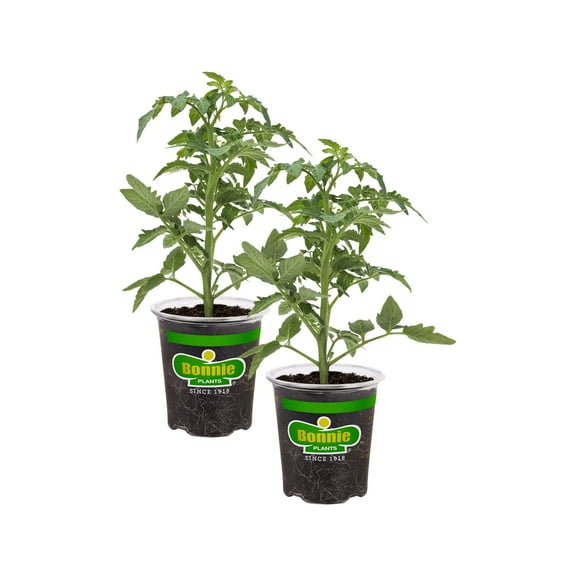


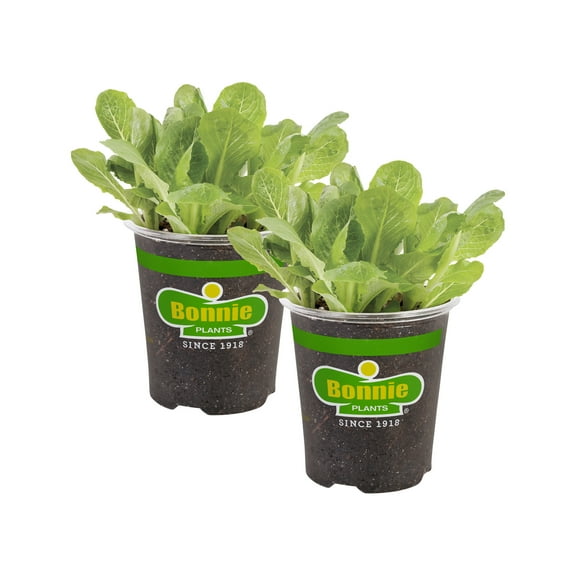
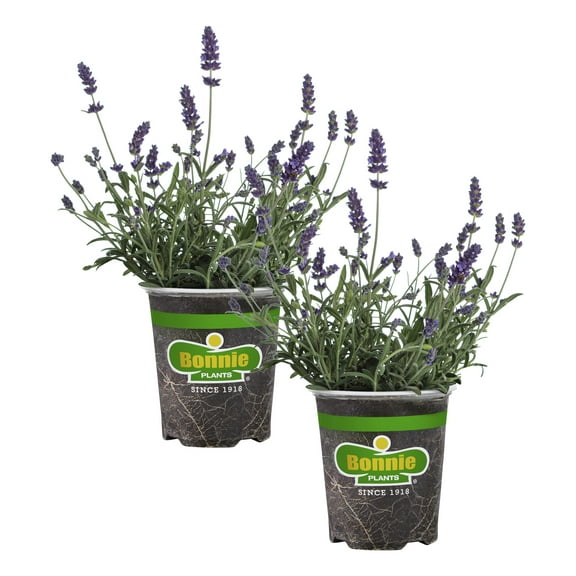


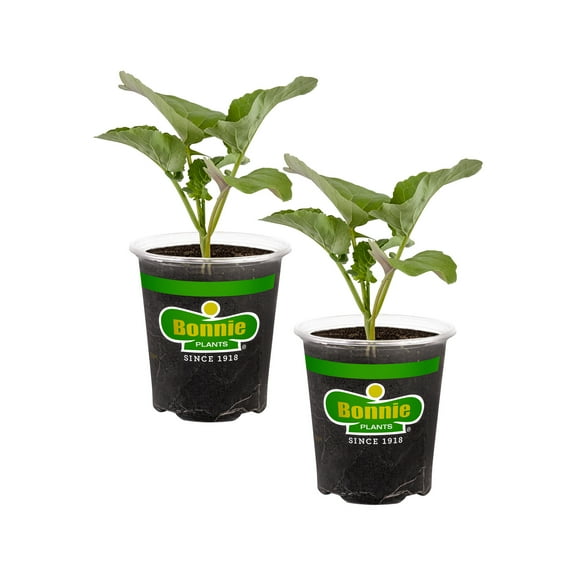












About Live Vegetable Plants for Patio Gardens - Walmart.com
Vegetable plants make it easy to start a productive garden at home, even if you’re short on space. At Walmart, you’ll find vegetable starters that arrive ready to root and grow. Choose options suited for containers, raised beds, or in-ground rows. You can plan your harvest around your climate and your kitchen’s favorites.
Skip the waiting that comes with seed starting and get earlier growth in your season. Live vegetable plants let you see leaf shape, stem strength, and overall vigor before planting. That helps you match varieties to your light, soil, and watering habits. It’s a practical way to build confidence in your garden plan.
Why vegetable plants are worth planting
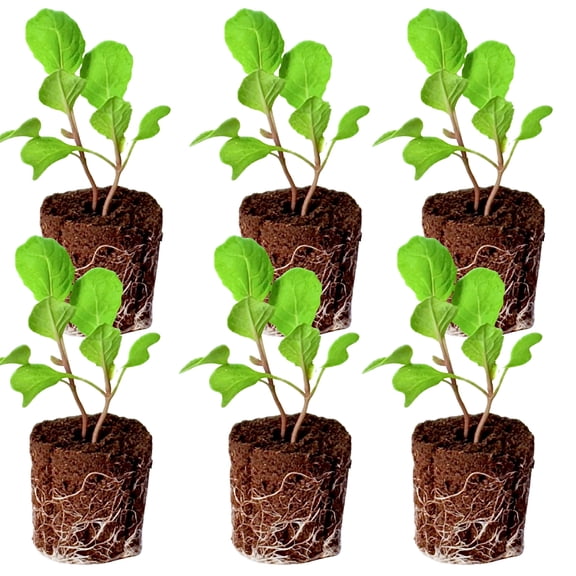
Starting with established seedlings gives you a head start on harvest timing. You’ll spend less effort on germination and thinning, especially for slower crops. Vegetable starters also help you fill gaps in beds after spring weather shifts. That keeps your garden productive across the season.
Live vegetable plants can be easier to manage than direct sowing in uneven conditions. You can choose sturdy stems and healthy leaves before they go into your soil. That reduces surprises once you plant. It also helps you keep spacing consistent for airflow and sunlight.
Many gardeners like mixing fast growers with longer-season crops for steady picking. You can tuck compact plants into small spaces and keep walkways clear. Container-friendly varieties work well on patios and balconies. Raised-bed options help you control soil quality and drainage.
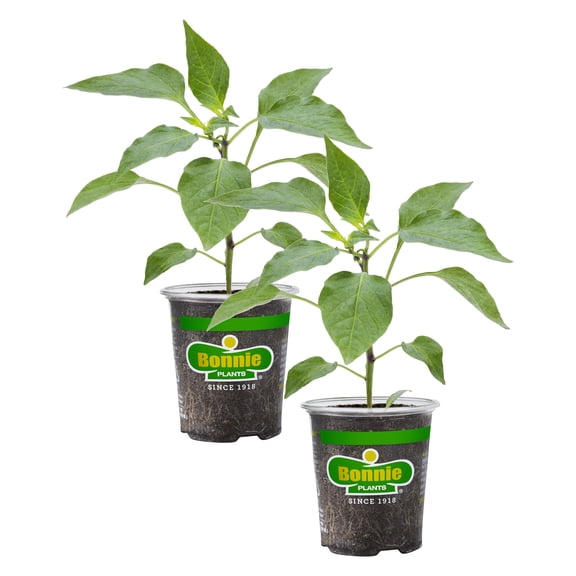
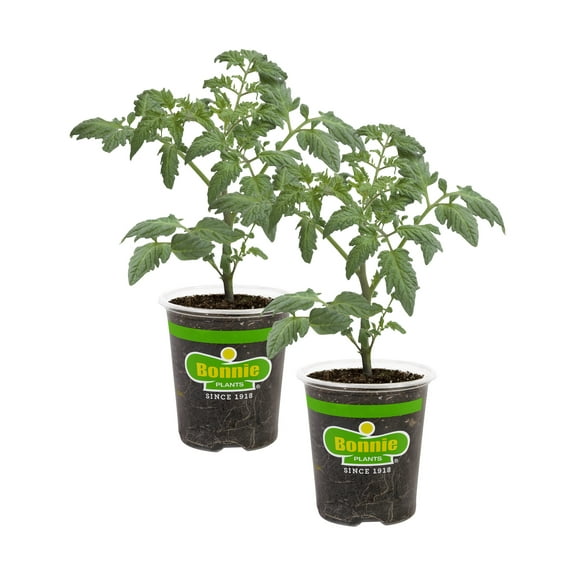
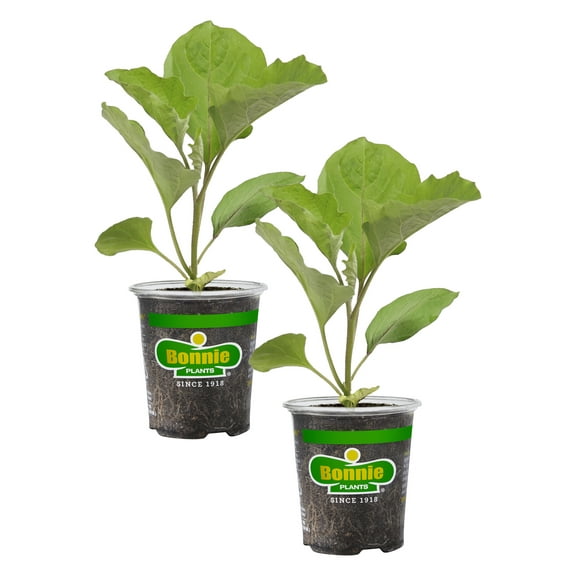
- Get a faster start than seeds for crops like tomatoes, peppers, and eggplant.
- Build a staggered harvest by planting new vegetable starters every few weeks.
- Use live vegetable plants to replace cold-damaged seedlings without redoing your whole bed.
- Choose compact varieties for containers, rails, and sunny entry areas.
Key features to compare in live vegetable plants
Plant size matters because it affects transplant shock and root establishment. Smaller seedlings often adapt quickly, while larger starts can set fruit sooner. Check for balanced growth, not stretched stems. Look for even color and leaves without ragged edges.
Root health is a strong indicator of how well a starter will take off. If roots are tightly circling, it may need gentle loosening at planting. A firm root ball usually transplants smoothly. Consistent moisture in the pot helps protect tender roots.
Sun requirements guide where each plant should live in your yard. Fruiting crops typically need full sun for dependable production. Leafy greens can handle partial shade in warmer months. Match the plant tag to your light pattern across the day.
Days to maturity helps you map planting dates to your expected harvest window. Short-season varieties fit well in cooler regions or tight calendars. Long-season types may need earlier transplanting and steady feeding. Pair labels with your first and last frost dates.
Common ways to use vegetable starters at home
Plan a kitchen garden with the crops you actually cook each week. Cherry tomatoes and sweet peppers work well for fresh snacks and quick meals. Herbs and greens fit around taller plants for efficient space use. That layout supports easy picking without stepping into beds.
Build a container setup when yard space is limited. Use pots with drainage holes and a mix designed for vegetables. Keep a saucer or tray ready for patios and balconies. Water more often because containers dry faster in wind and sun.
Try succession planting to keep harvests coming instead of arriving all at once. Plant a first round, then add another set of vegetable plants after a short interval. This works well for lettuces and bush beans. It also helps you recover after heat waves or heavy rain.
Extend your season by moving live vegetable plants under cover during cool nights. Row covers and cold frames help reduce stress during temperature swings. You can also relocate containers to a sheltered spot. This approach supports steadier growth in early spring and fall.
Finish your garden with confidence
With vegetable plants, you can set up a garden that’s easier to manage and rewarding to harvest. Live vegetable plants and vegetable starters help you start strong and stay productive. Choose varieties that match your light and your calendar. You’ll enjoy fresher meals from your own space.