



Vases in Decorative Accents







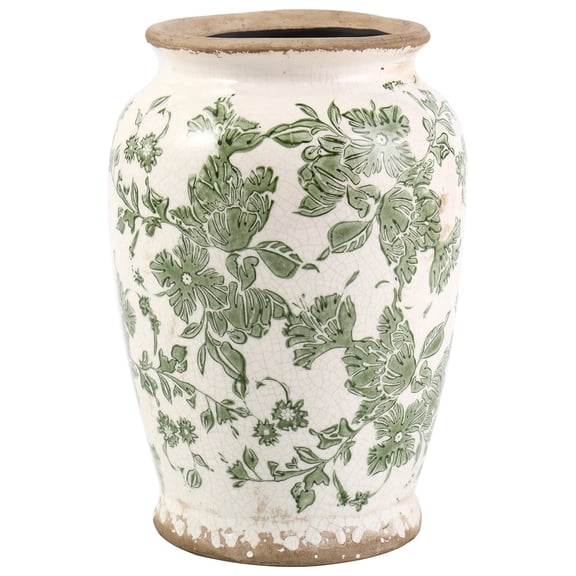


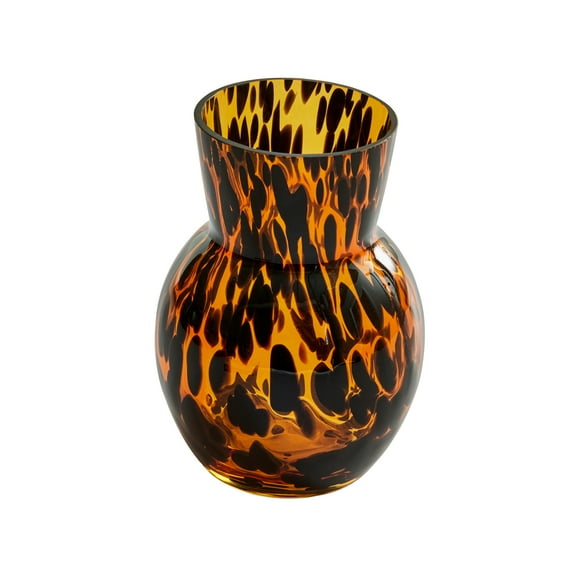


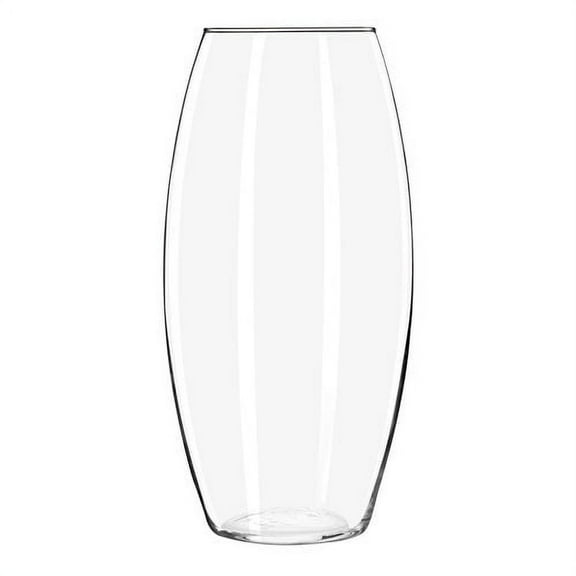


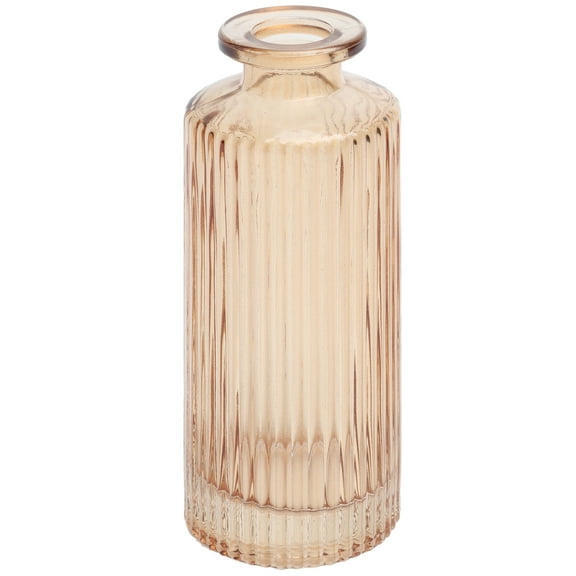








About Vases in Decorative Accents - Walmart.com
Vases help you style shelves, tables, and entryways with shape, height, and texture that fit your room. When you compare material, style, and size, you can match stems, surfaces, and placement with more confidence.
Across this category, you’ll find options for fresh flowers, faux arrangements, and stand-alone decor moments. With the right details in mind, your vases can look intentional on a mantel, console, or dining table.
How to choose vases by material
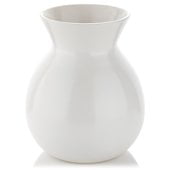
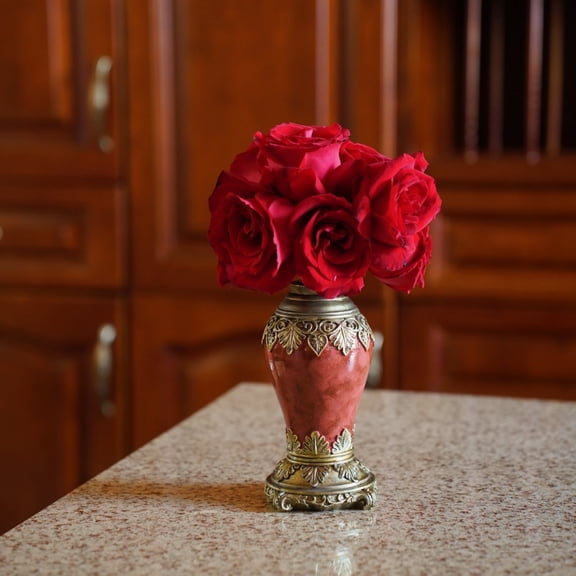
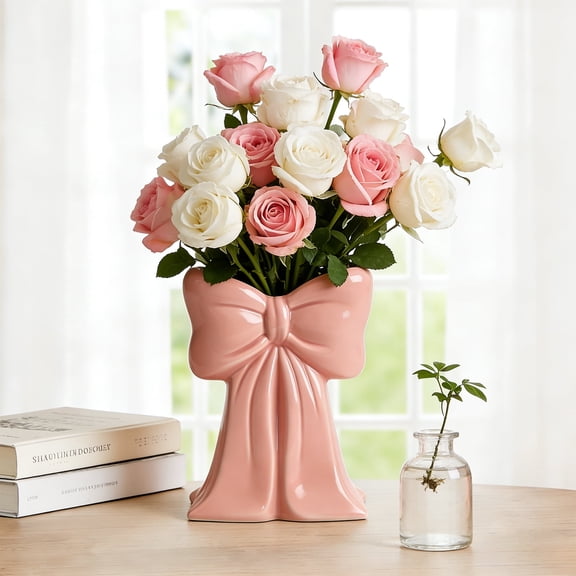
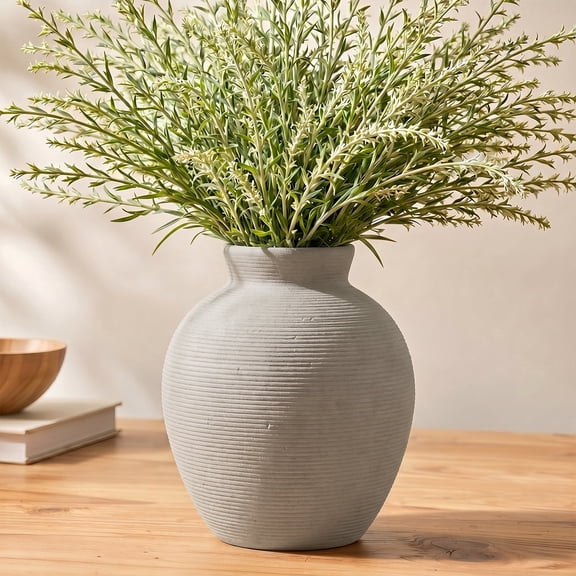
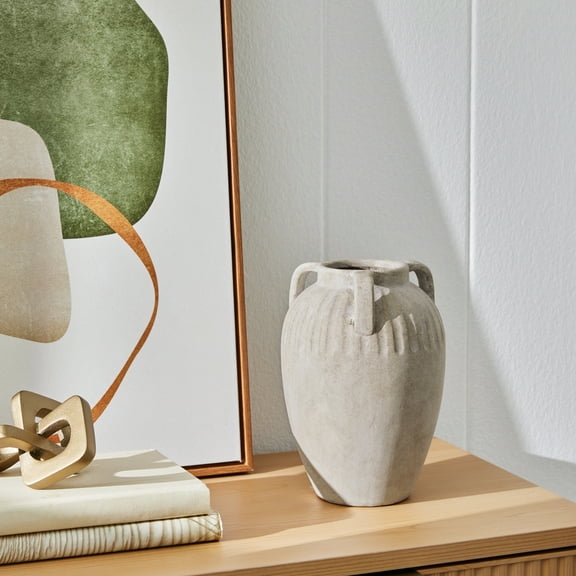
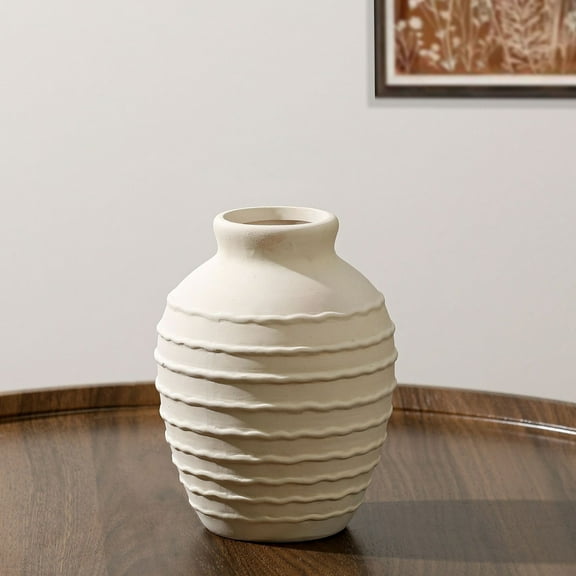
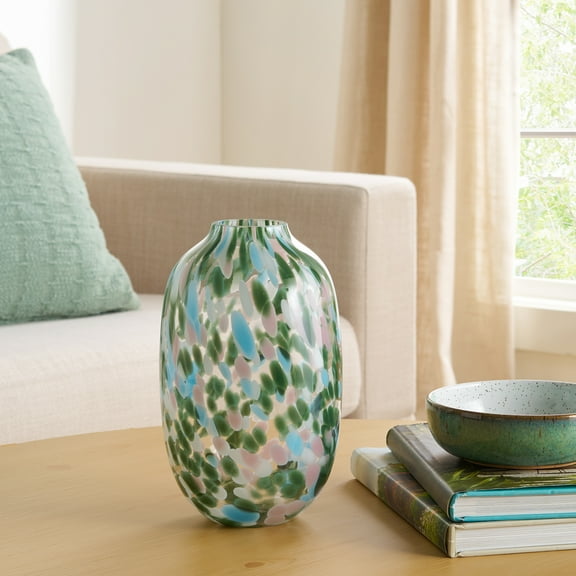
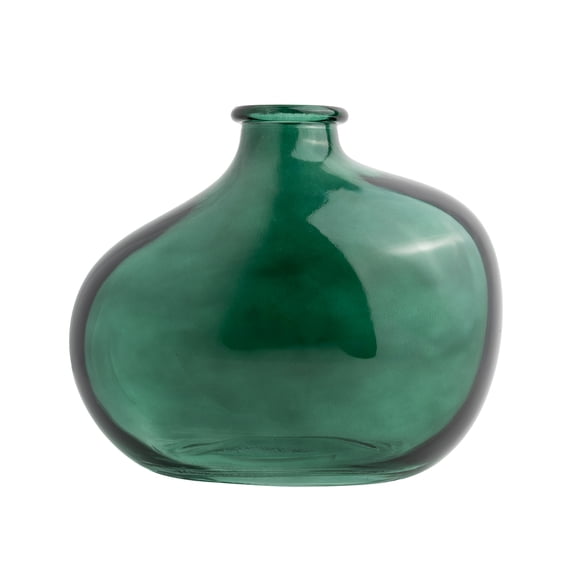
Material changes how your arrangement looks and how your vase works in daily use. Ceramic vases give your space a grounded feel, while glass vases keep stems and water visible.
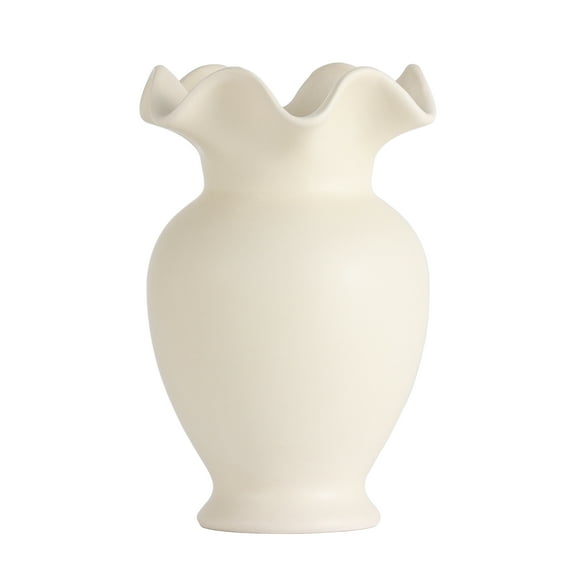
When you compare ceramic and stoneware, check whether the interior is glazed and water tight. On wood surfaces, you’ll want that glazed interior because porous finishes may let moisture pass through.
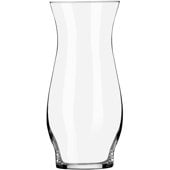
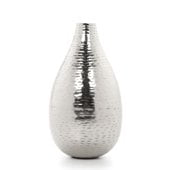
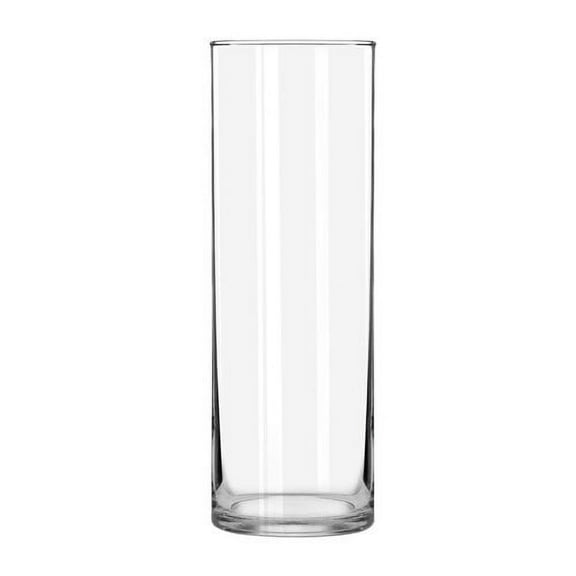
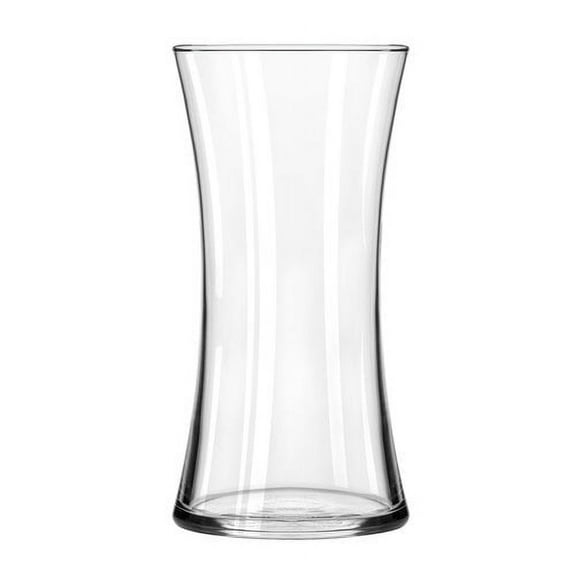
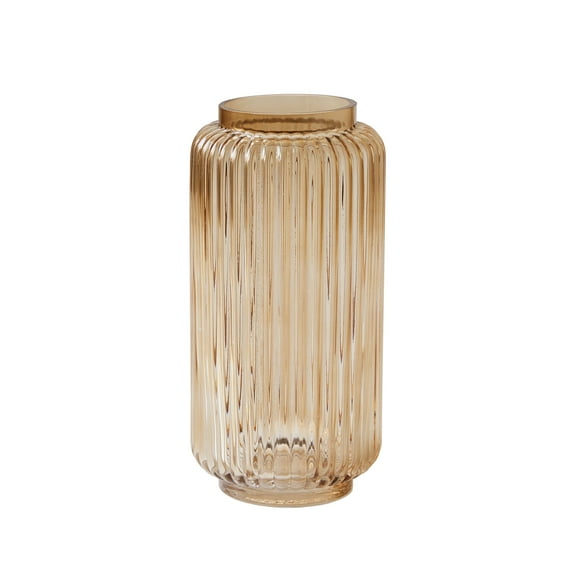
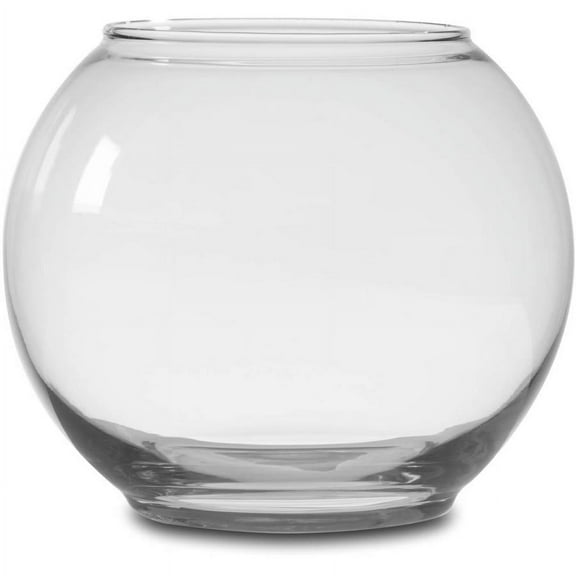
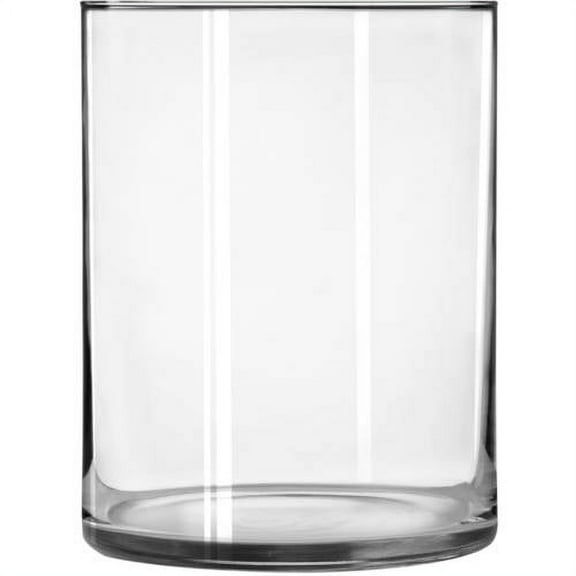
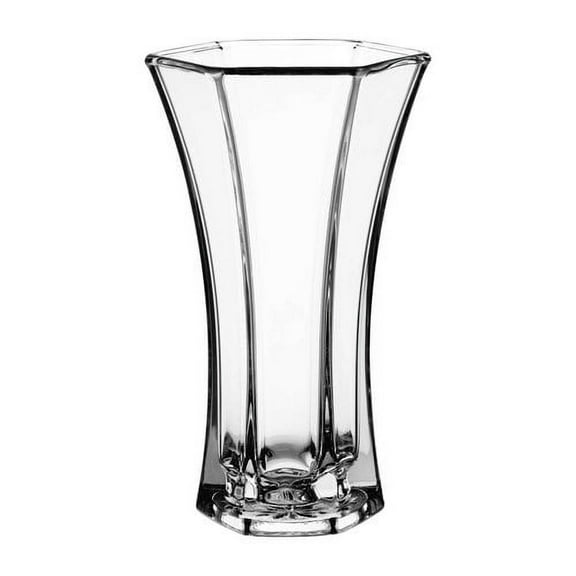
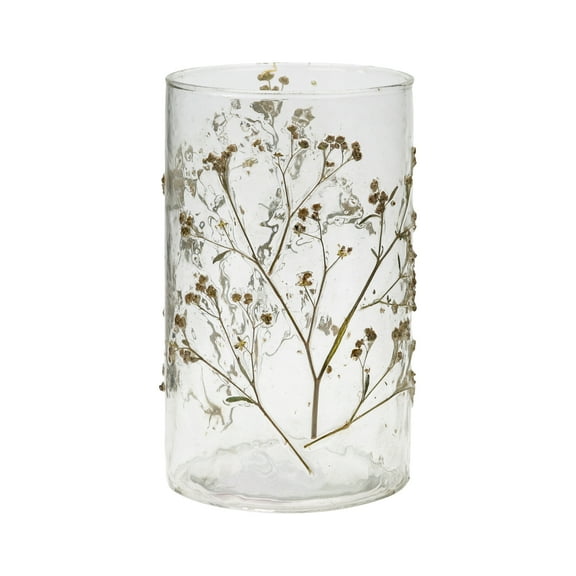
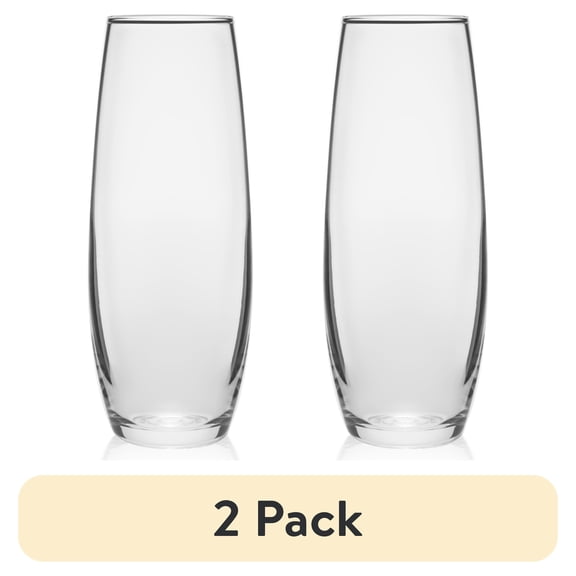
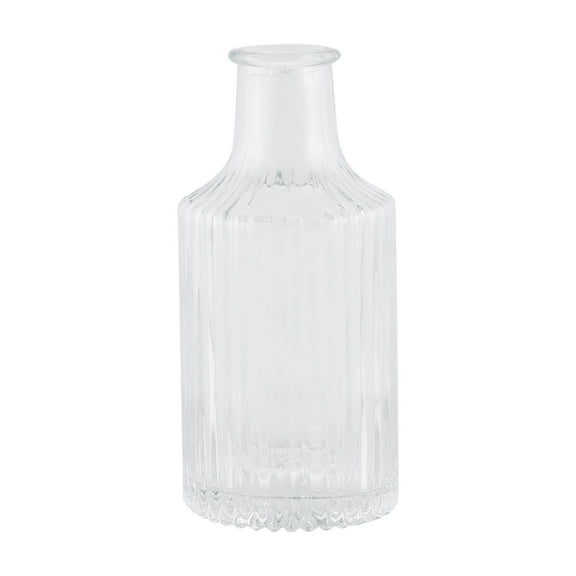
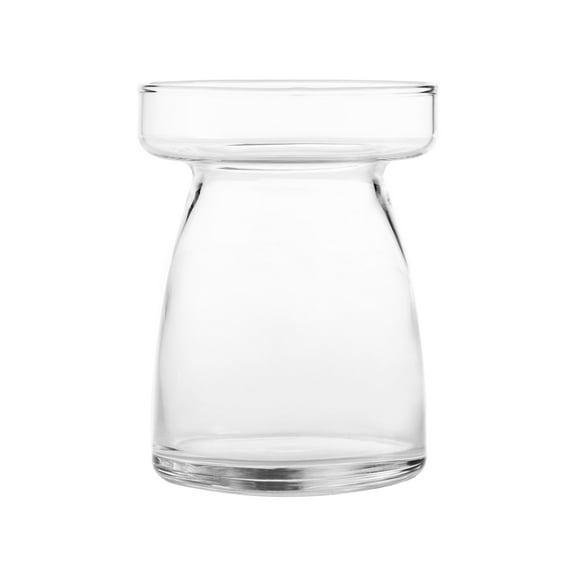
For a brighter accent, glass, metal, and crystal looks each create a different effect. Clear glass vases keep arrangements airy, while metal and crystal-inspired designs add shine and visual structure.
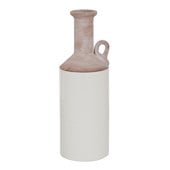
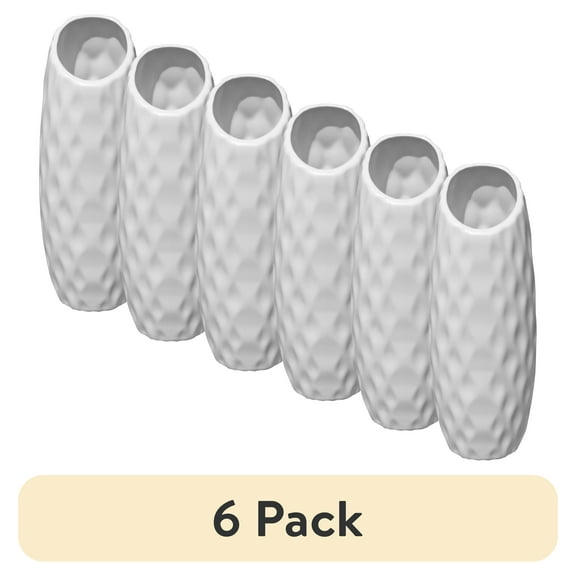
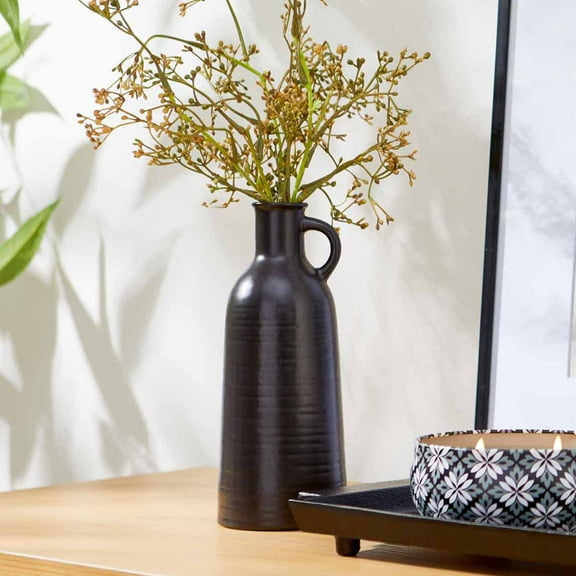
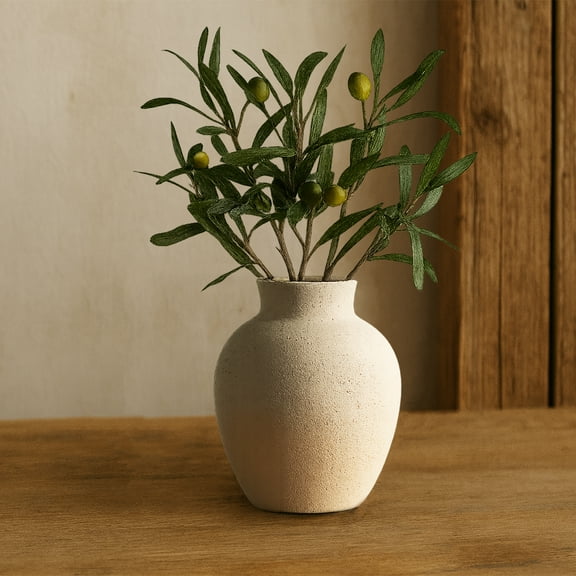
- You can use ceramic for earthy texture and sculptural styling.
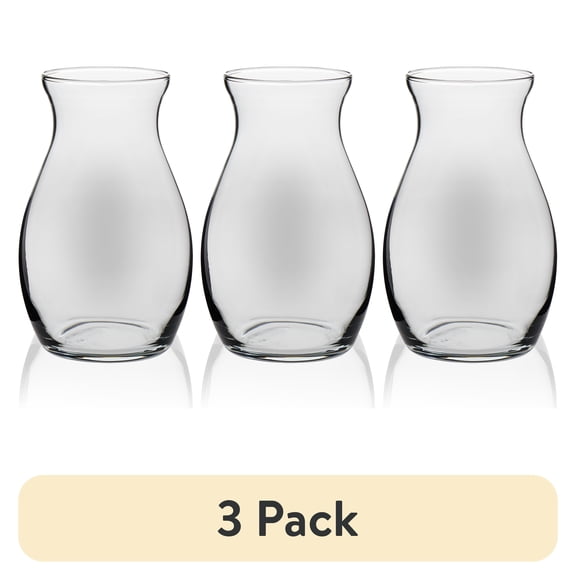
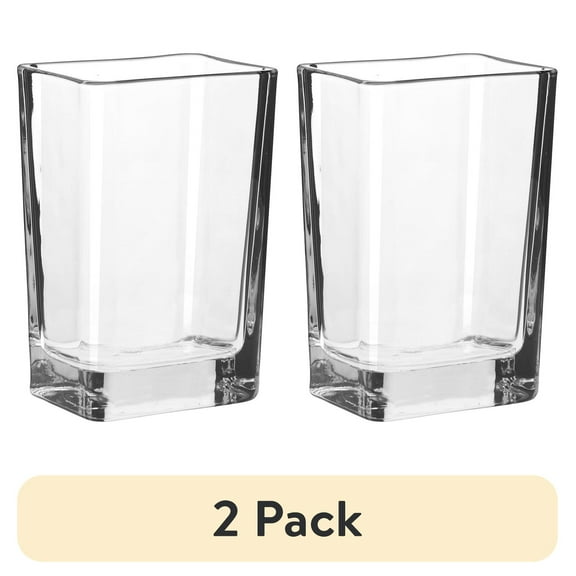
- Glass works well when you want stems, water, or filler to stay visible.
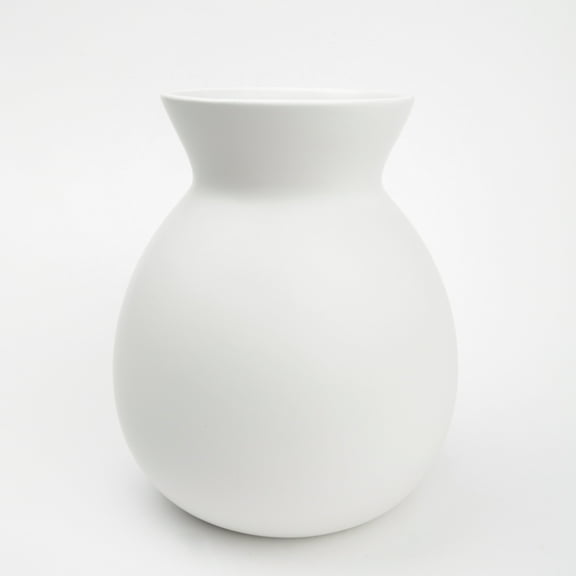
- Stoneware gives you a matte look with a substantial feel on consoles and mantels.
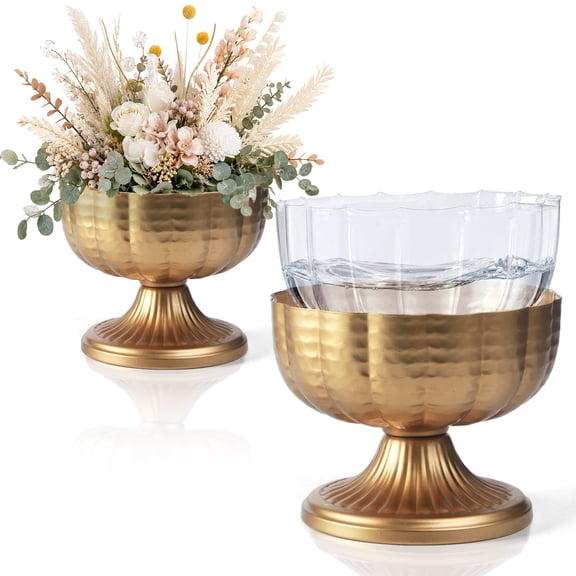
- Metal suits spaces where you want shine and an architectural accent.
- Crystal-inspired styles help you reflect light across dining tables and shelves.
Choosing decorative vases by style
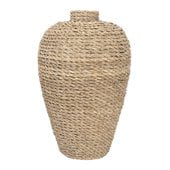
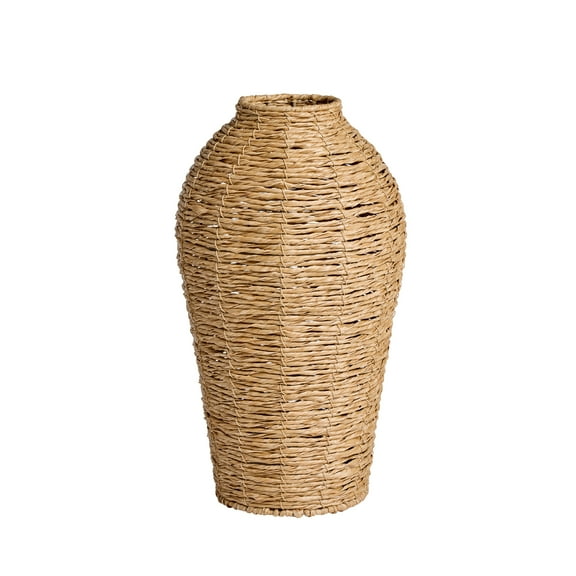
Your room’s furniture lines and finishes can guide the style you choose. Modern vases support clean edges, while boho and rustic looks add texture and a softer visual rhythm.
In minimalist spaces, simple silhouettes and restrained color usually feel more consistent. For layered rooms, vintage details, carved surfaces, and warmer finishes can echo collected decor.
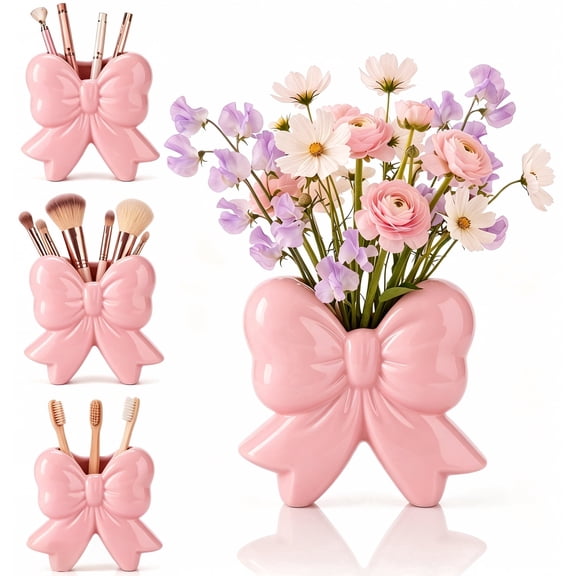
Sometimes your arrangement isn’t the focal point, and the shape carries the display. Donut vase designs, geometric forms, and urn profiles bring interest to shelves, sideboards, and coffee tables.
Choosing size and height for flower vases
Height matters because your stems need visual balance and practical support. As a guide, your vase should reach about 50 to 60 percent of your flower stem height.
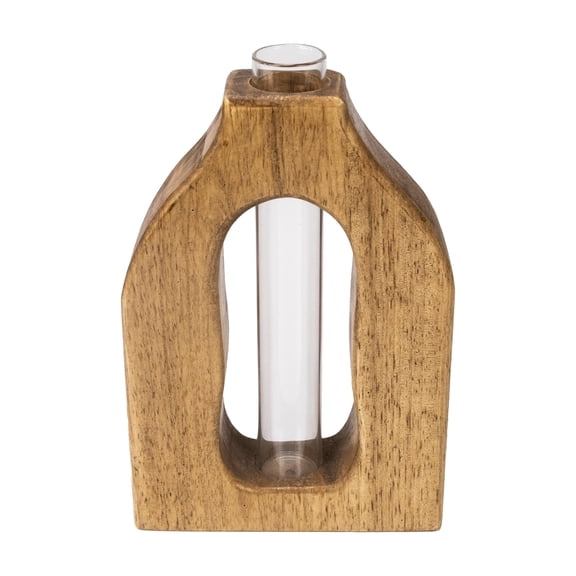
Long stems often pair well with taller tabletop pieces or tall floor vases. Short stems usually look neater in bud vases or other compact formats that don’t overwhelm the arrangement.
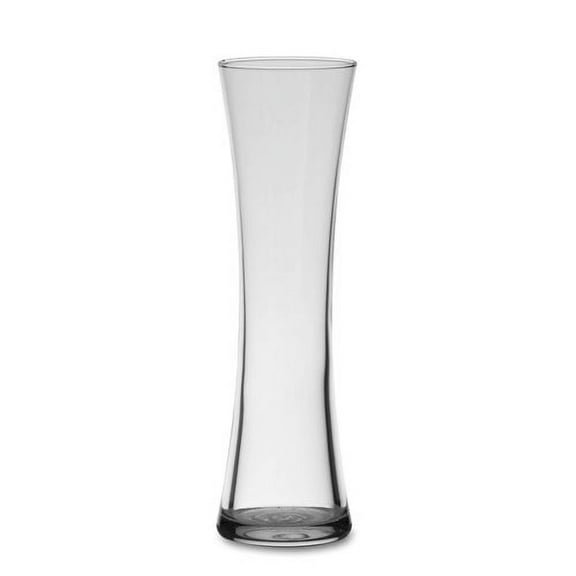
Opening width matters too, especially when your bouquet size changes from one occasion to another. A wide mouth suits full bouquets, while a narrow neck helps single stems stay centered.
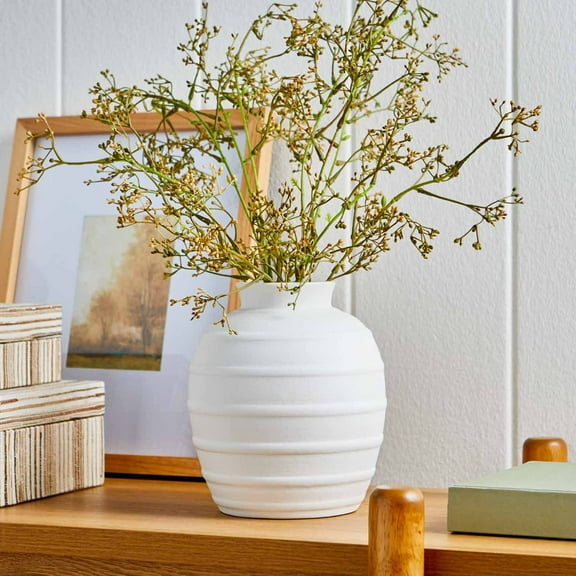
For branches or fuller arrangements, a heavy-bottomed vase gives your display more stability. When weight sits lower in the base, your top-heavy stems feel more secure on the surface.
What to look for in vase shape and function
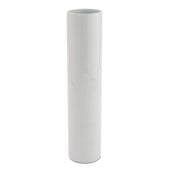
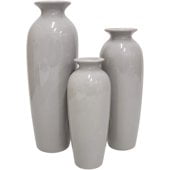
Shape affects both your overall look and the way your stems sit inside the vase. Cylinder designs support clean styling, while urn silhouettes bring a classic note to mantels and entry tables.
If you want a sculptural accent, compare donut and geometric shapes with your surrounding decor. Those forms work well as decorative vases when you use only a few stems.
Interior shape also affects arranging, especially if you change flowers often. Narrower necks guide stems into place, while wider openings give fuller bouquets room to spread naturally.
How vases fit different rooms and occasions
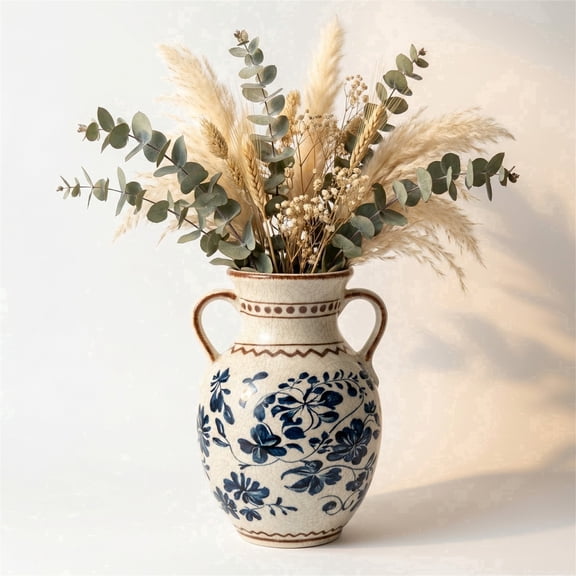
Dining tables often need flower vases that anchor a centerpiece without taking over the view. During seasonal updates, you can switch from spring floral vases to fall vases with branches or dried stems.
Entryways usually benefit from taller pieces that add height beside a bench or console. On bathroom counters or nightstands, smaller bud vases keep a surface styled without feeling crowded.
Living rooms can feel more open when you use clear glass vases that don’t block sightlines. If you want more texture, ceramic vases and stoneware pieces suit mantels, shelves, and media consoles.
Open floor areas often call for tall floor vases with long branches or faux stems. In tighter rooms, smaller silhouettes add shape and height without overwhelming your layout.
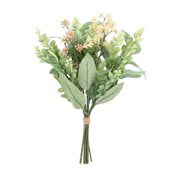
A coordinated display can feel more polished when your vase works with nearby accents. You can pair vases with artificial flowers, decorative bowls, or other tabletop pieces for a consistent look.
How to choose the right vases for your space
Before you decide, measure your surface, compare your stem length, and check your room’s finish and style. It also helps to consider water tightness, opening size, and base stability together.
With the right mix of material, height, style, and shape, your vases can support your arrangements and protect your surfaces. That combination helps your flowers look balanced and your decor feel finished every day.