

RV Stoves in RV Appliances










About RV Stoves in RV Appliances - Walmart.com
You can upgrade your mobile kitchen with rv stoves that fit tight spaces, match your fuel setup, and support road-ready cooking. You’ll find options built for campers, trailers, and motorhomes where cutout size, burner count, and fuel compatibility matter each day.
When you compare this category, you should focus on compact installation, stable cookware support, and controls that stay practical in small galley layouts. You’ll also want RV-specific sizing, because residential units often won’t match your cabinet opening or travel setup.
How to choose rv stoves for your layout
You should start with your available space, because RV cabinet openings usually need exact width, depth, and height measurements. You can avoid fit issues when you measure your current cutout before choosing a replacement.
If you’re replacing an older unit, you should compare the faceplate size and the cutout size separately. You may also want to check knob clearance, lid clearance, and oven door swing in narrow aisles.
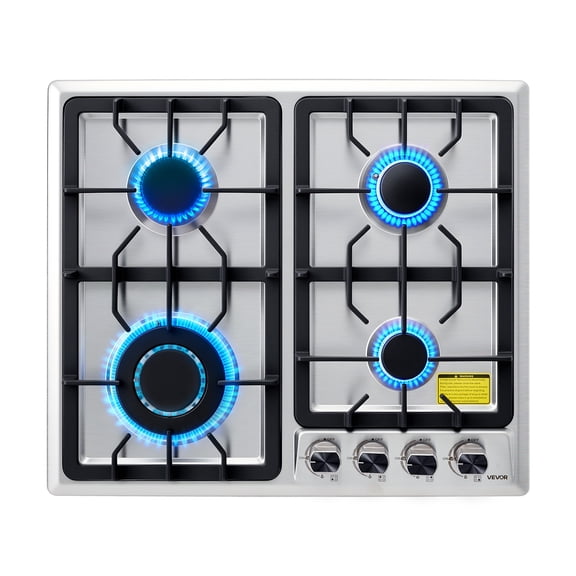
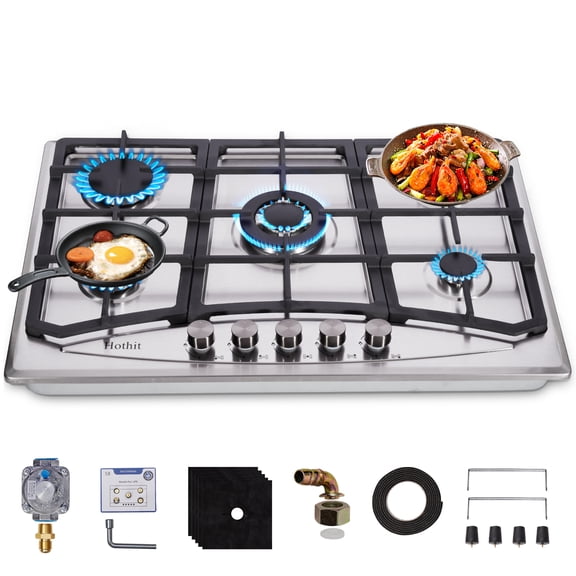
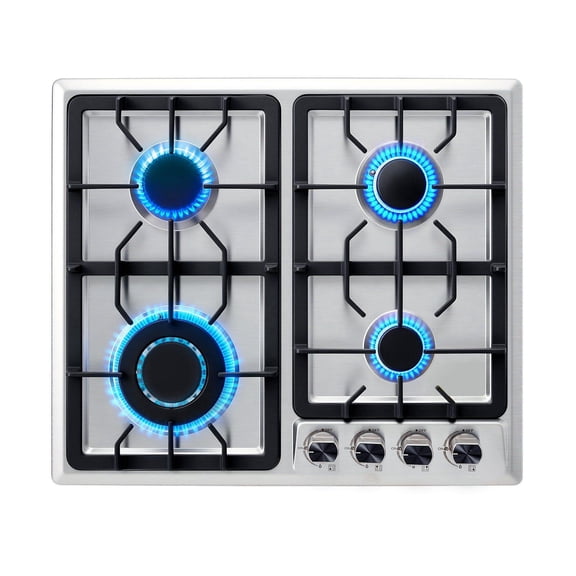
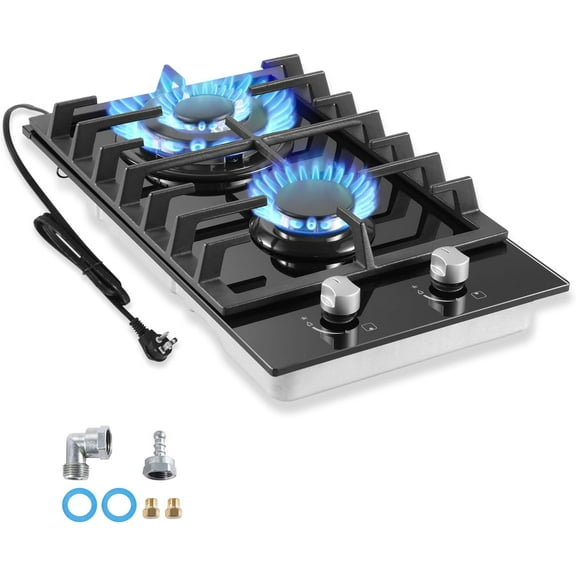
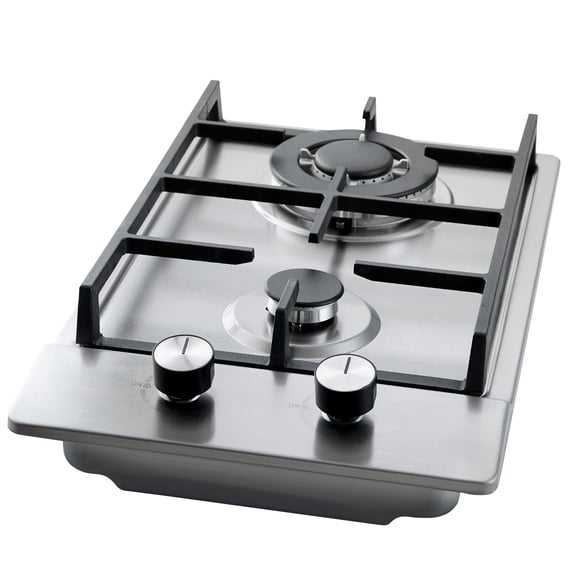
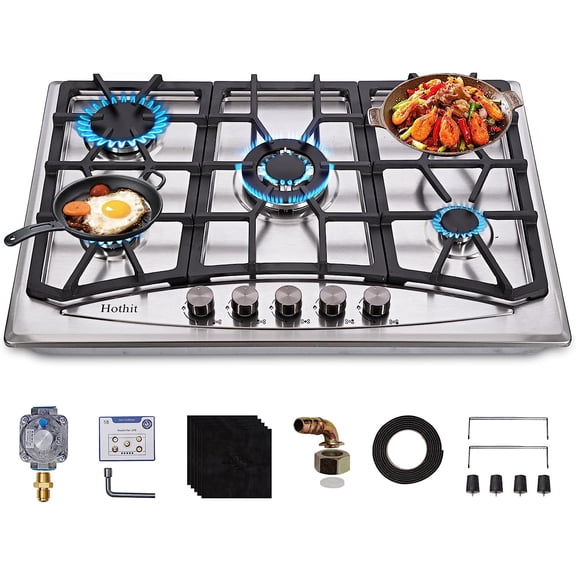
- You can choose a cooktop when you want surface cooking without an oven below.
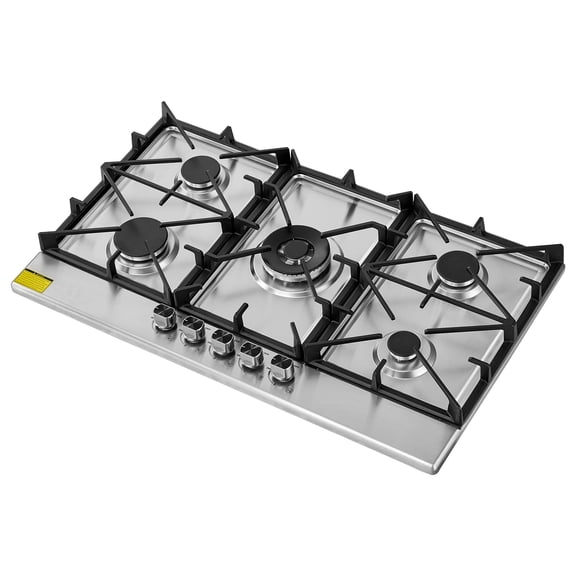
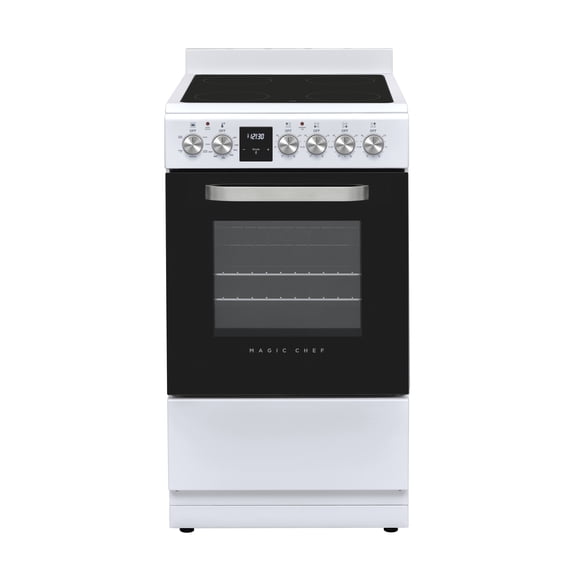
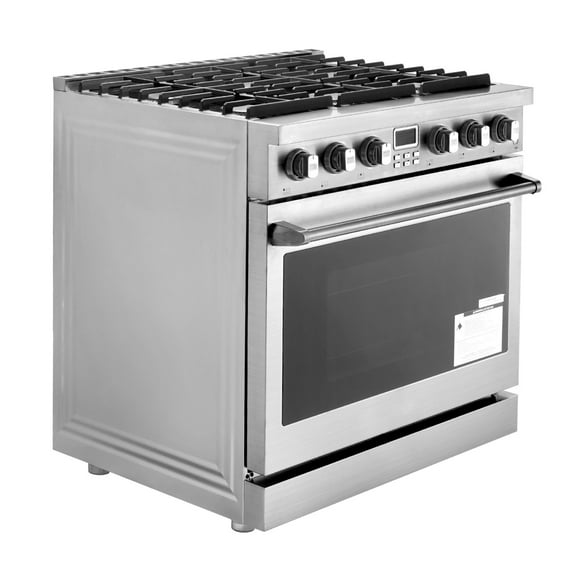
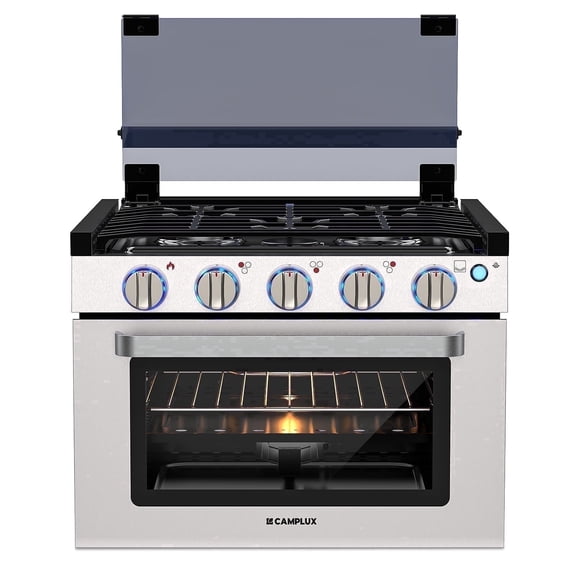
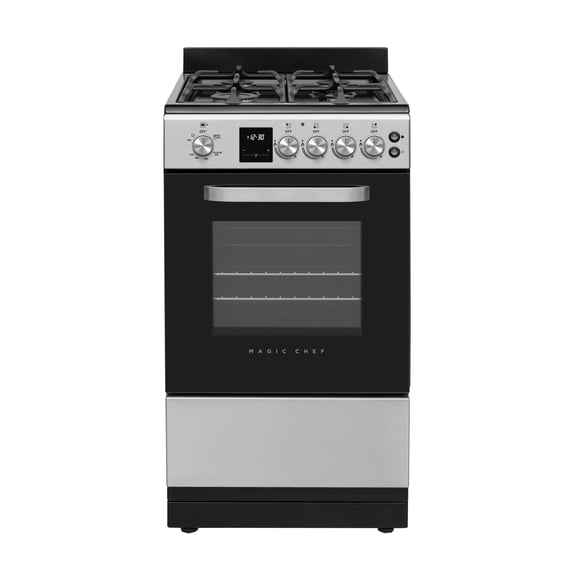
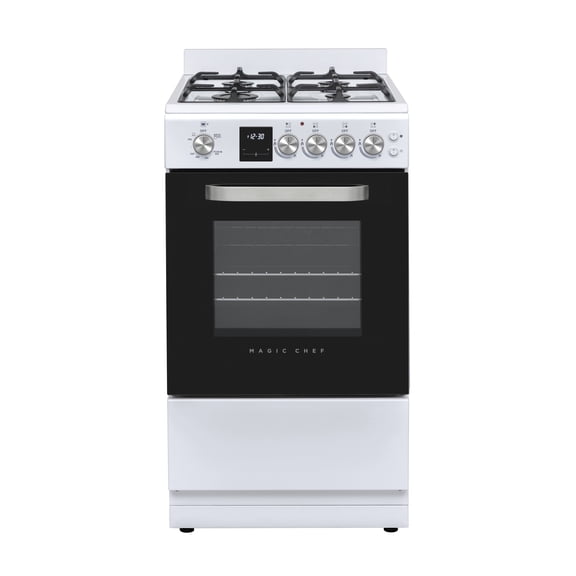
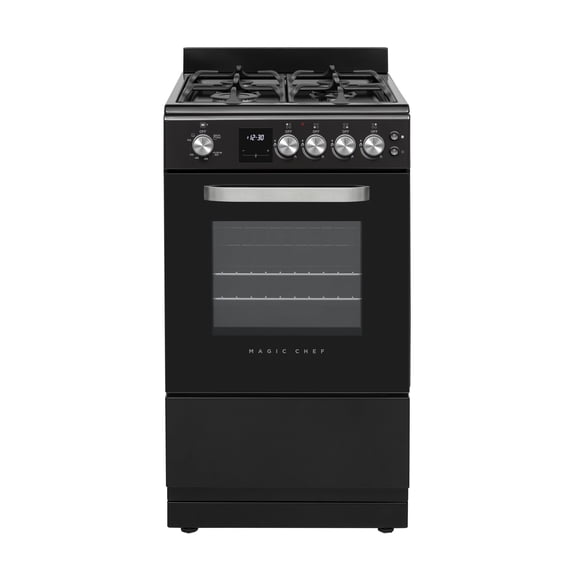
- You can choose an rv range when you want burners and baking in one compact appliance.
- You can choose a stove oven combo when you need a built-in solution for longer trips.
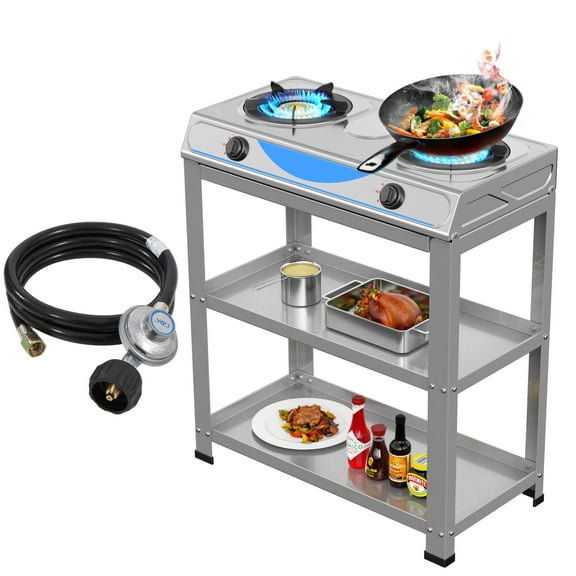
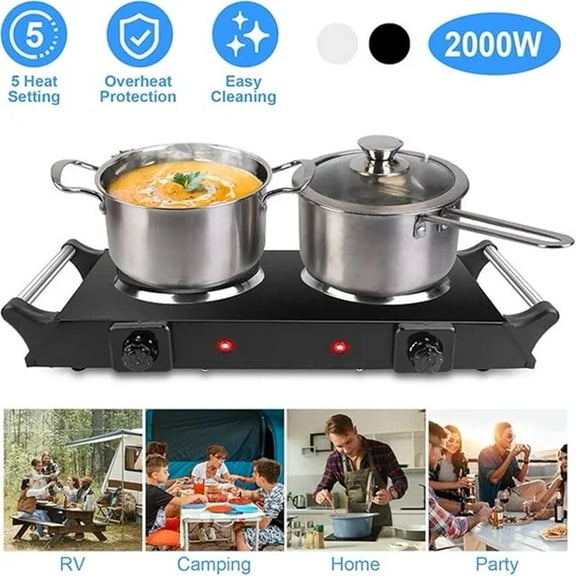
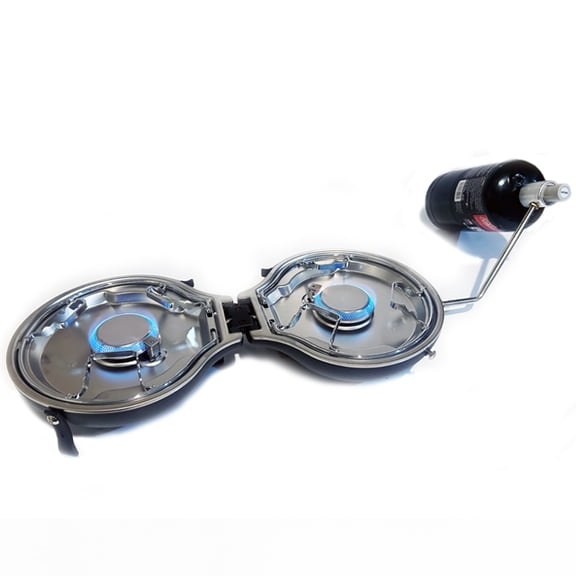
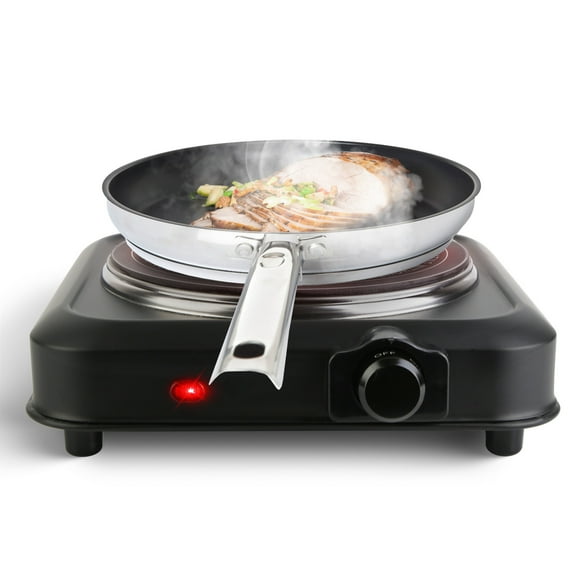
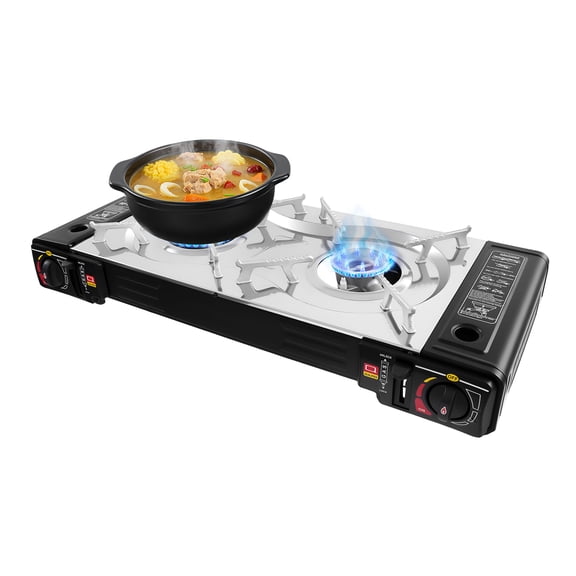
- You can choose a portable unit when you want flexible placement at the campsite.
You’ll notice that installation style changes how the unit fits your cabinetry and countertop. You should compare drop-in, slide-in, and portable designs based on your existing opening and travel routine.
Choosing the right rv cooktop fuel type
You should match the fuel type to your RV’s existing hookups and power capacity. You’ll commonly compare propane, electric, and dual-fuel models when planning an rv cooktop upgrade.
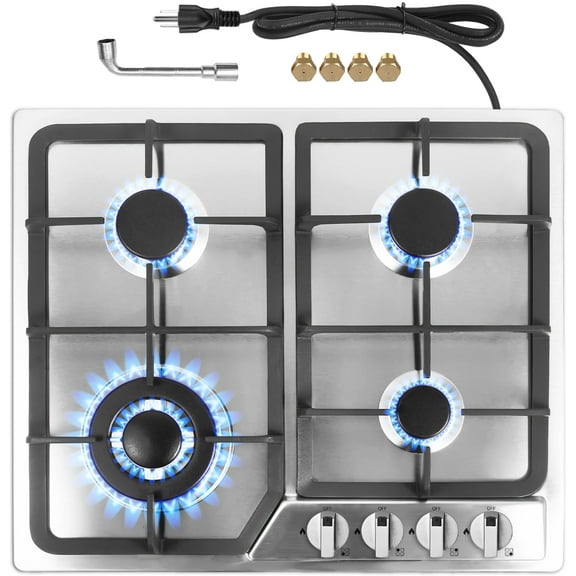
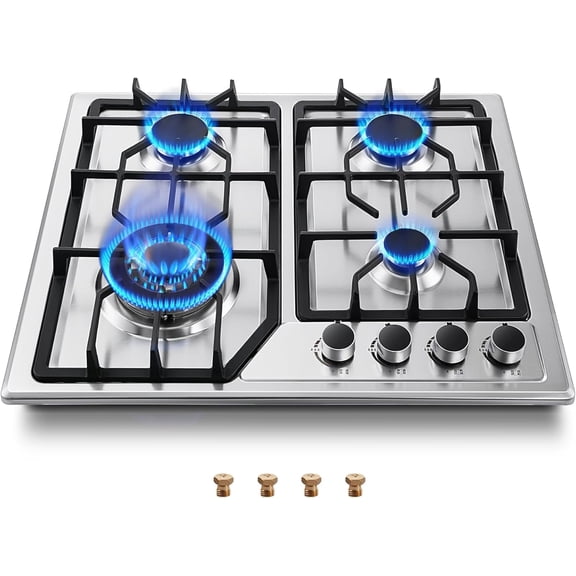
If you choose a propane rv stove, you should check BTU ratings for each burner. You’ll get a clear idea of how quickly you can boil water or manage skillet meals.
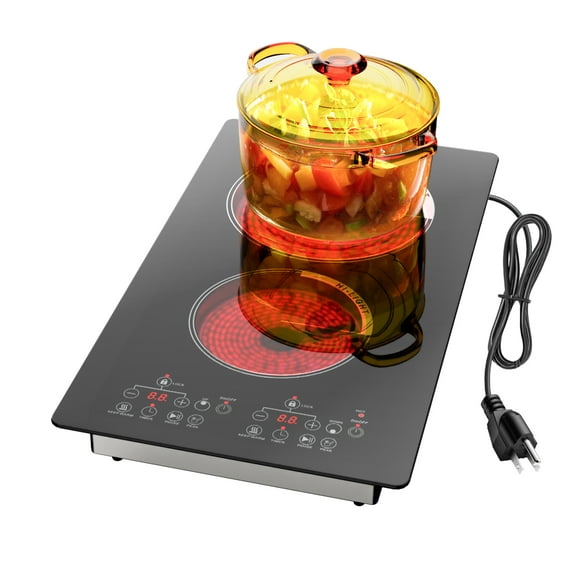
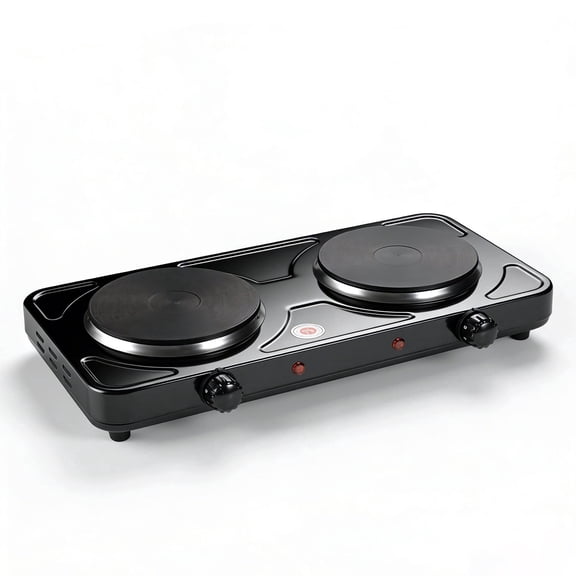
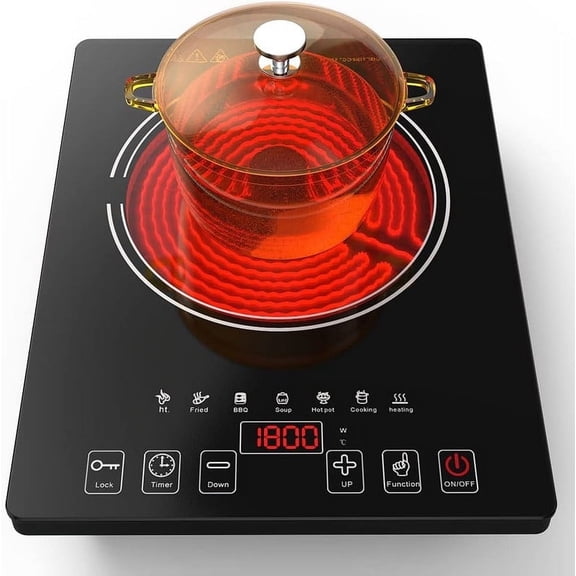
When you compare electric models, you should confirm whether your setup uses 12V support, 120V power, or another listed requirement. You’ll want the power details to match your coach wiring and shore power habits.
If you’re considering dual-fuel options, you should review how each power source fits your travel style. You may prefer that flexibility when your trips mix campground hookups and off-grid stops.
You should also look for features like flame failure devices and steady ignition systems. You’ll appreciate those details when you want added confidence during everyday meal prep in a moving home.
Comparing burner count and cooking capacity
You should choose burner count based on how you actually cook on the road. You may find a single burner works for quick coffee, while larger setups support fuller meals.
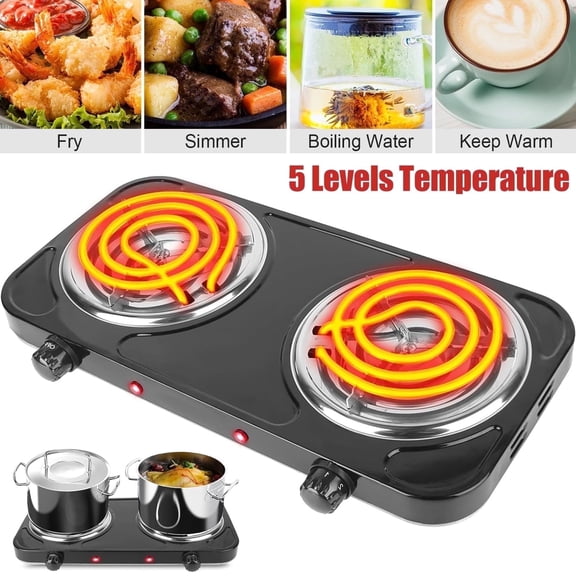
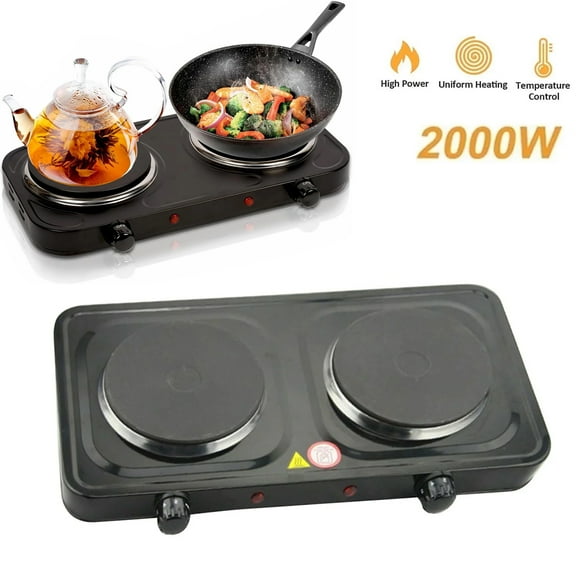
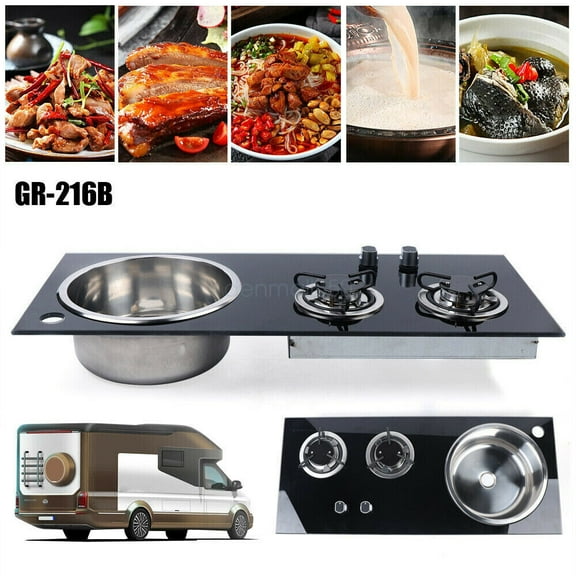
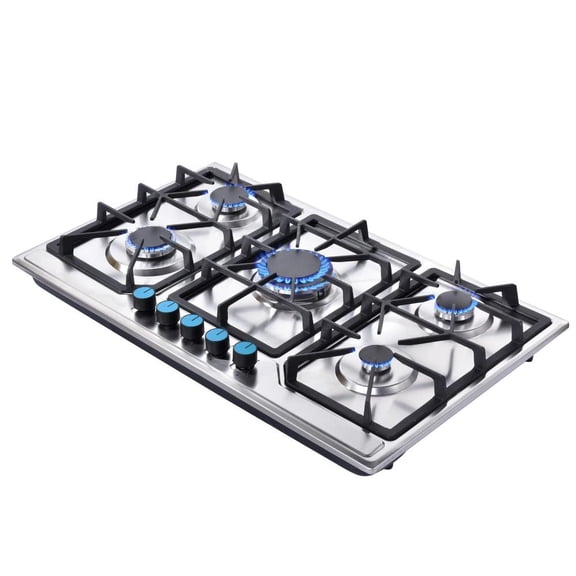
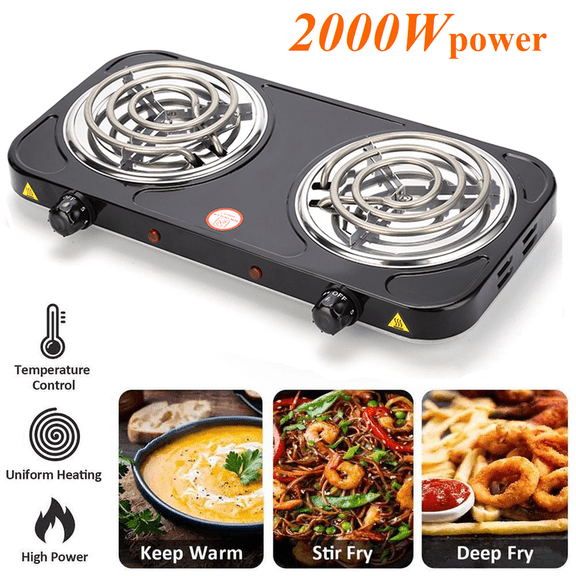
A 2 burner rv cooktop often suits compact trailers, vans, and small kitchens with limited counter space. You can cook a main dish and a side without giving up too much room.
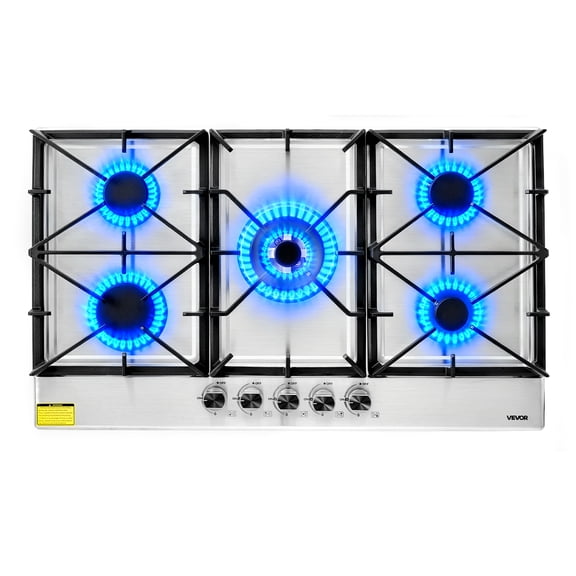
If you cook for larger groups, you may prefer three burners for extra flexibility. You’ll have additional room for boiling, sautéing, and warming at the same time.
You should also compare grate design, burner spacing, and control placement before deciding. You’ll notice these details affect pan fit, stirring room, and daily comfort in narrow cooking zones.
What to look for in an rv range installation
You should treat dimensions as a first filter, because a close fit matters in RV cabinetry. You’ll want exact product measurements and cutout guidance before you choose any rv range or replacement unit.
When you compare a drop-in model, you should check how the rim sits over the countertop opening. If you prefer a slide-in design, you should measure surrounding cabinet walls and front access.
You should also think about ventilation, lid design, and nearby storage doors. You’ll want enough clearance for cooking, cleaning, and opening adjacent compartments without crowding your aisle.
If you need an rv stove top replacement, you should compare mounting style with your current setup. You’ll make installation planning easier when your new unit matches your existing opening and connections.
Matching rv stoves to real camping use
You may want a compact camper stove for weekend trips, quick breakfasts, and one-pan dinners. You’ll likely appreciate a smaller footprint when every inch of counter space counts.
If you travel for longer stretches, you may prefer a stove oven combo that supports baking and stovetop cooking. You can prepare a variety of meals without relying on outdoor equipment.
When you camp with hookups, you may lean toward electric or dual-fuel choices that fit your site setup. If you boondock often, you may focus on propane compatibility and efficient burner performance.
You should also consider wind guards or enclosed designs for semi-outdoor cooking areas. You’ll find those features useful when your cooking space sits near open doors or breezy campsite setups.
For family travel, you may want extra burners and a larger cooking surface for several dishes. If you travel solo or as a pair, you may prefer a simpler layout that keeps cleanup simpler.
You’ll get the full benefit from rv stoves when you compare fuel type, burner count, appliance style, and installation measurements together. You can choose with confidence when your stove fits your space, your hookups, and your cooking routine.