


Plastic Sandboxes in Sandboxes & Water Tables


















About Plastic Sandboxes in Sandboxes & Water Tables - Walmart.com
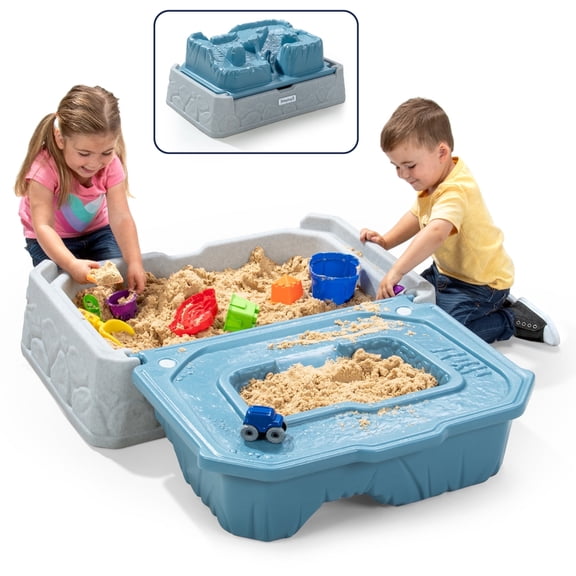
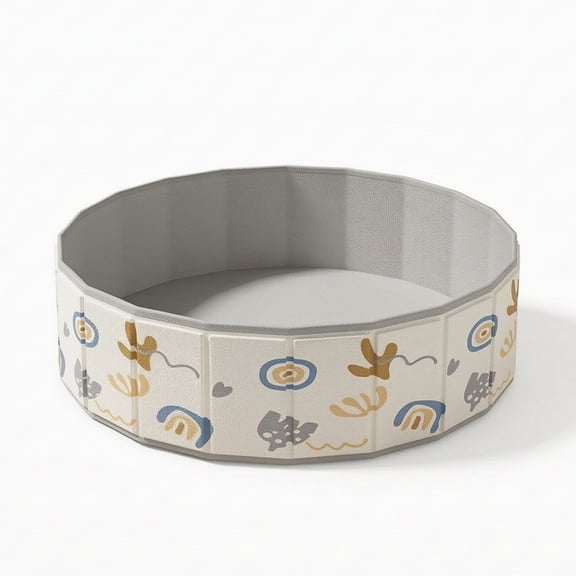
Plastic sandboxes give your yard a simple play zone with minimal upkeep and quick setup. You can compare covers, sizes, and shapes to match your space, your child’s age, and your cleanup routine.
Many parents want a play area that rinses easily after muddy afternoons and handles regular outdoor use. You can also compare designs that support dry sand play or sand and water combo fun.
How to choose plastic sandboxes for your yard
Start with your yard space, age range, and daily setup needs before you compare designs. You’ll usually want enough room for digging toys, seated play, and a clear walking path around the sandbox.
As you compare options, look for molded sides, smooth edges, and easy-to-wipe surfaces. Your shape choice should fit a patio corner, deck edge, or open backyard play area.
- You can pick molded plastic that wipes clean quickly compared to wood.
- You can choose a cover style that helps keep out rain, leaves, and yard debris.
- You can match shape and depth to solo play, sibling play, or multi-age play.
- You can look for sand and water combo options when you want more than one play activity.
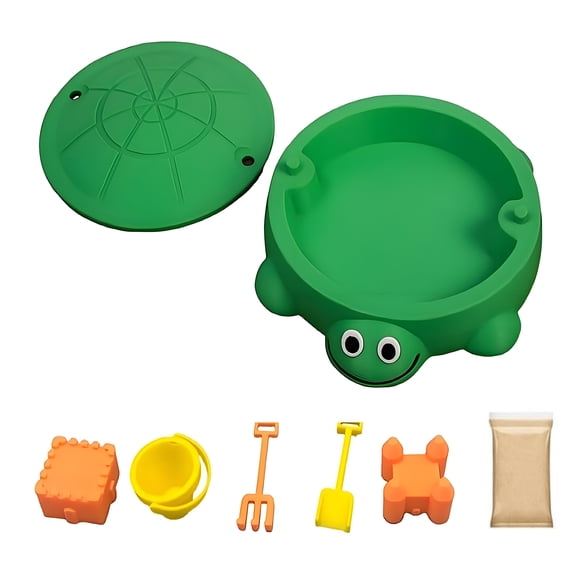
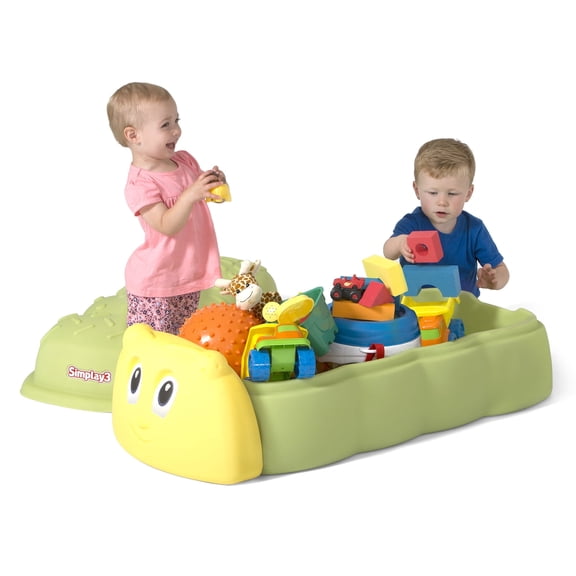
Some themed designs make outdoor play feel more inviting for younger children. You can spot turtle sandbox and crab styles that add character and keep assembly simple.
Choosing a plastic sandbox with cover
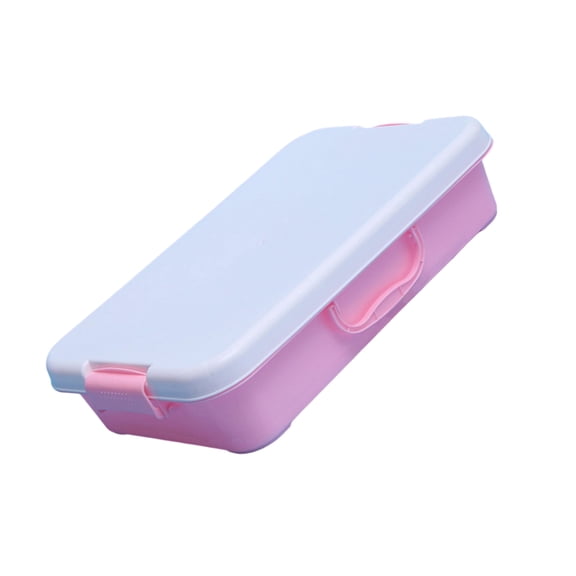
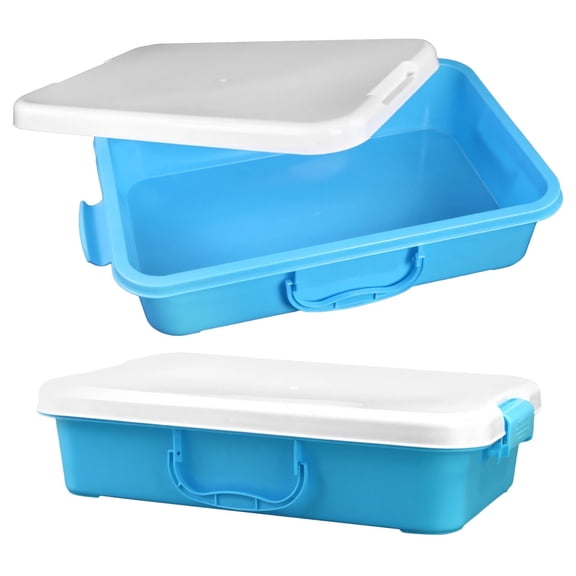
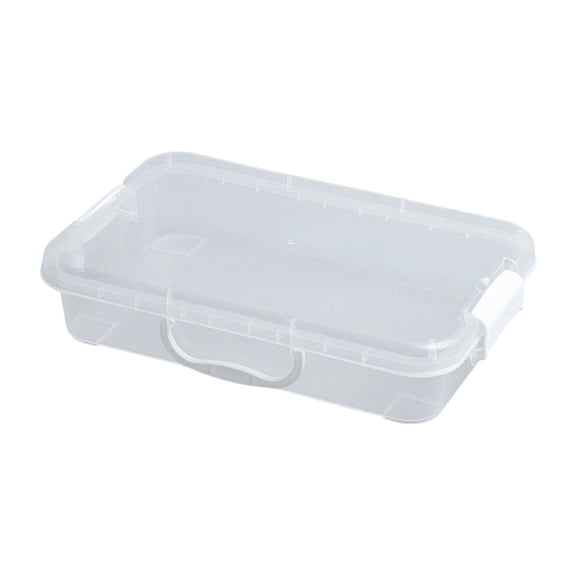
Cover type matters first because it affects cleanup, weather exposure, and how often you refresh the sand. You can choose a plastic sandbox with cover, a fitted lid, a canopy cover, or a no lid design.
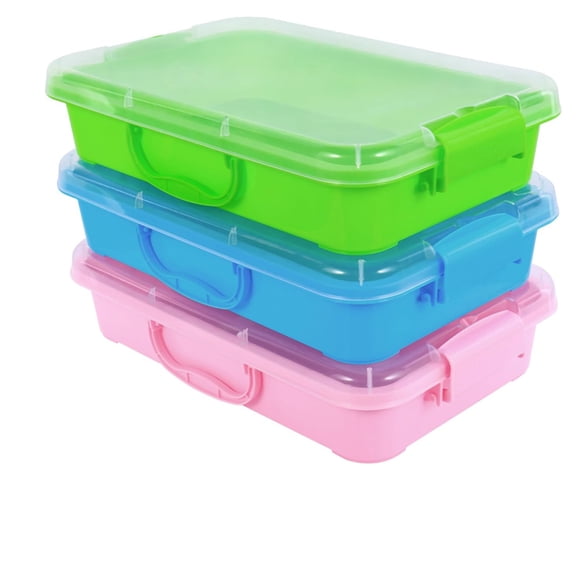
Styles with covers help you shield play sand from light rain, fallen leaves, and overnight debris. Options with lids usually sit directly on the rim, so you can remove and replace them quickly.
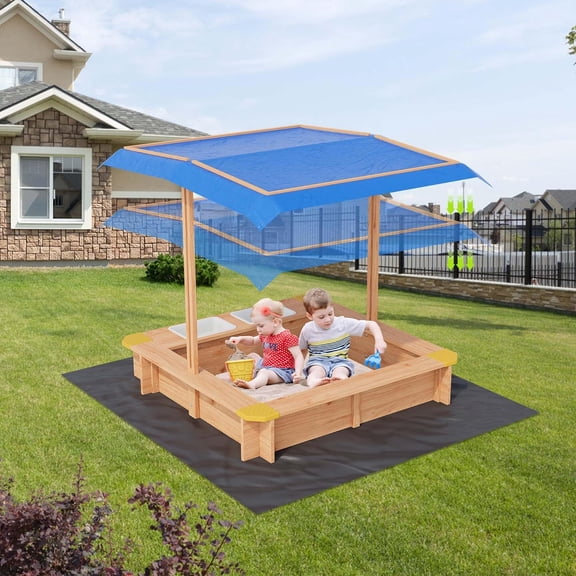
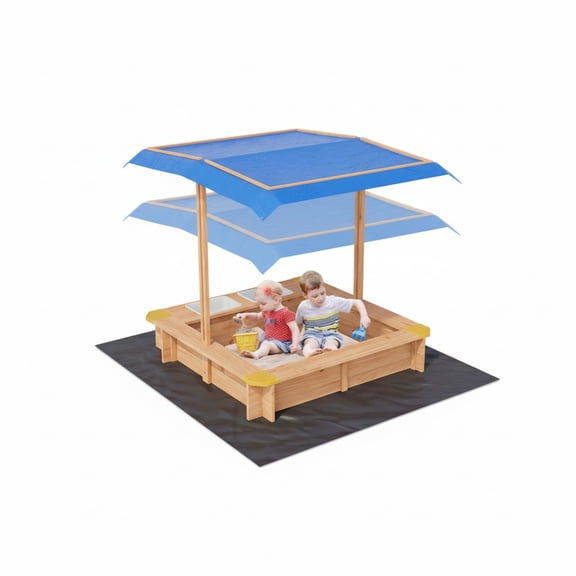
A canopy cover may suit your yard when you want overhead shade during longer play sessions. You should also check whether the design covers the sand area after play ends.
No lid designs can work well when your sandbox stays in a covered spot or under a patio. You’ll want a separate cover if your yard gets frequent rain or blowing leaves.
Cover security also deserves a close look when breezy weather is common in your space. You should check for a close fit that stays aligned and feels easy to place back on top.
Choosing age group, shape, and sand capacity
Age fit changes how comfortable the sandbox feels during everyday play. A toddler sandbox often has lower sides, compact dimensions, and a shape that supports seated digging.
A kids plastic sandbox for ages three and up may offer more interior room for buckets, scoops, and shared play. Multi-age designs can give siblings enough space for cooperative play and simple pretend builds.
Shape also affects how the sandbox fits your yard and your storage routine. You can compare square, round, turtle, and crab styles based on layout, access, and visual style.
A turtle sandbox often works well in smaller yards because the shell shape uses space efficiently. Round and square designs may suit open areas where you want easier access from several sides.
Sand capacity matters because your digging depth depends on interior size and fill level. You may need several bags of play sand, so you should compare volume details before you choose.
Measure your target spot, then check interior dimensions and suggested fill depth. That step helps you estimate how many bags you’ll need for several inches of comfortable digging space.
Checking durability, drainage, and outdoor plastic sandbox care
An outdoor plastic sandbox should handle sunny afternoons, active play, and repeated rinsing. You’ll want sturdy molded plastic that feels smooth and solid during regular use.
Wall thickness, molded seats, and one-piece or two-piece construction can shape your decision. Lighter designs may move more easily, while deeper shells may hold more sand for longer digging sessions.
Drainage affects cleanup because water can collect after rain or water play. You should check whether the base has drainage holes or whether you’ll need to tip it manually.
Simple maintenance can make backyard play easier to manage through the week. You’ll appreciate surfaces that rinse clean, dry quickly, and let you refresh sand without extra tools.
Material durability matters when your sandbox stays outside through bright seasonal weather. You should look for plastic that holds its shape well and keeps a neat appearance over time.
If you’re planning a sand and water combo setup, think about emptying and rinsing before you choose. Smaller sections can make cleanup easier when you want quick drying between play sessions.
Matching a kids plastic sandbox to real routines
A compact toddler sandbox can fit short backyard play sessions after daycare or on weekends. You can place smaller shapes near a patio when you want easier sight lines during outdoor time.
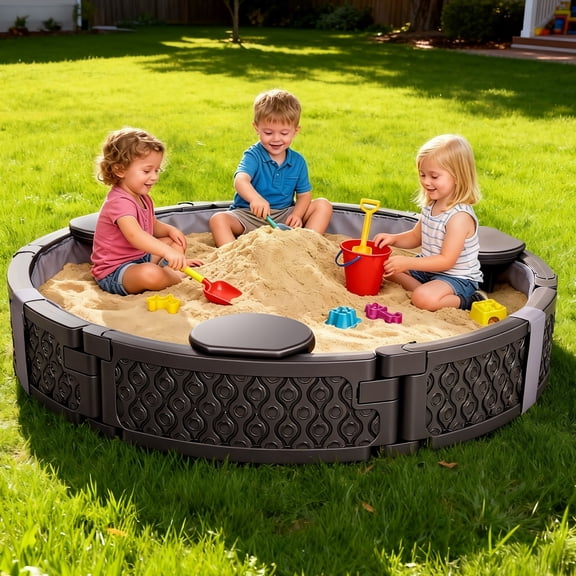
Families with siblings may prefer a wider design with broader interior space and molded seating. That setup gives each child room for scooping, pouring, and pretend construction play.
A plastic sandbox with cover can suit yards that collect leaves or get regular rain. You can close the play area quickly and reopen it with less cleanup the next time.
For smaller spaces, turtle sandbox and round designs can fit corners and narrow side yards. You should consider those shapes when you want a playful look without a large footprint.
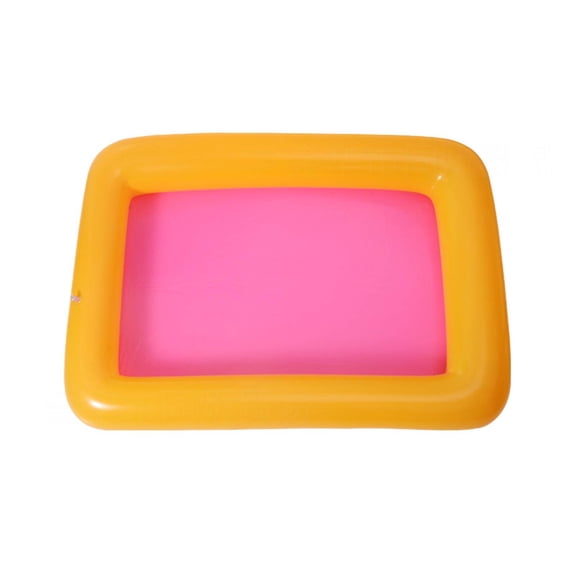
If your child enjoys splash play, compare sand and water combo options for flexible warm-weather use. You’ll get one station for digging, pouring, and rinsing during outdoor play.
You can also pair your sandbox area with play sand, water tables, and outdoor play toys. That combination helps you create a backyard setup that stays organized and ready for repeat play.
You’ll feel more confident choosing plastic sandboxes when you compare cover security, capacity, drainage, and age fit first. Your final choice can stay clean and is easy to manage for everyday outdoor fun.