

Physics Books Science Technology Collection











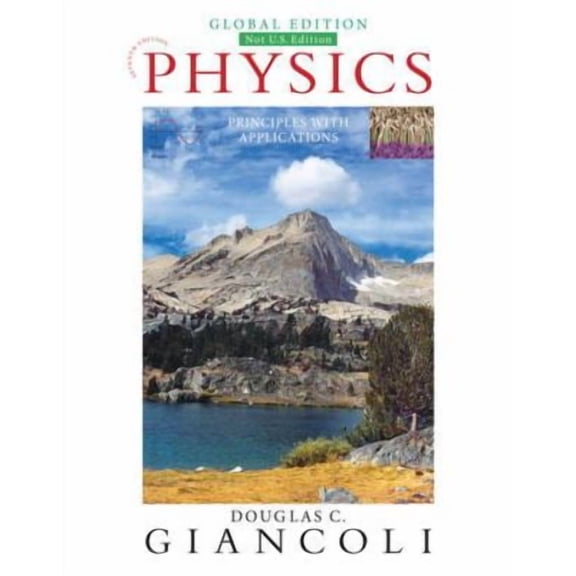


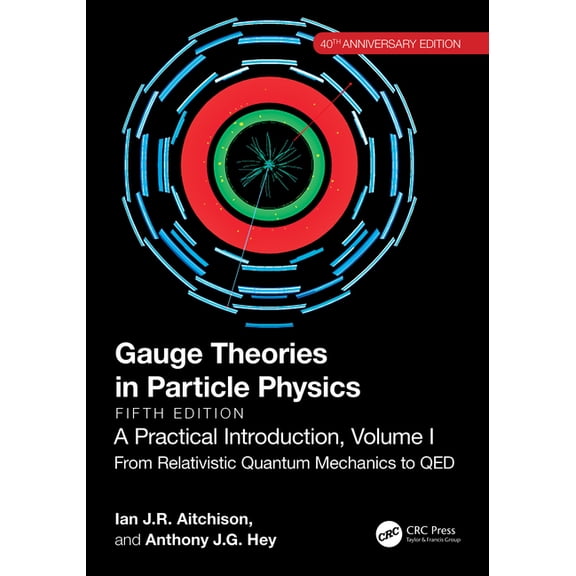

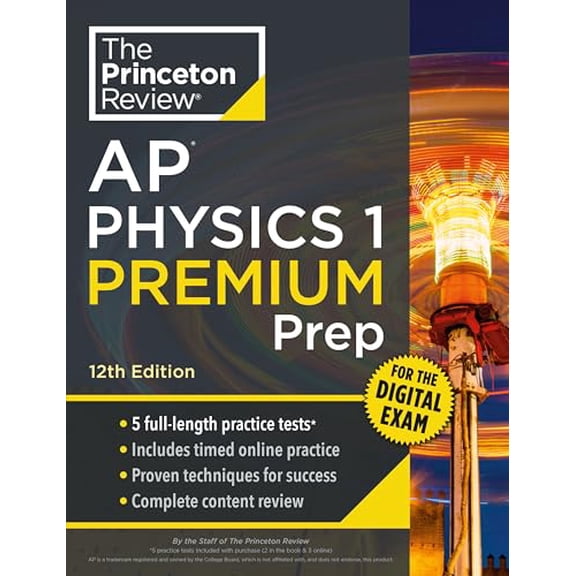
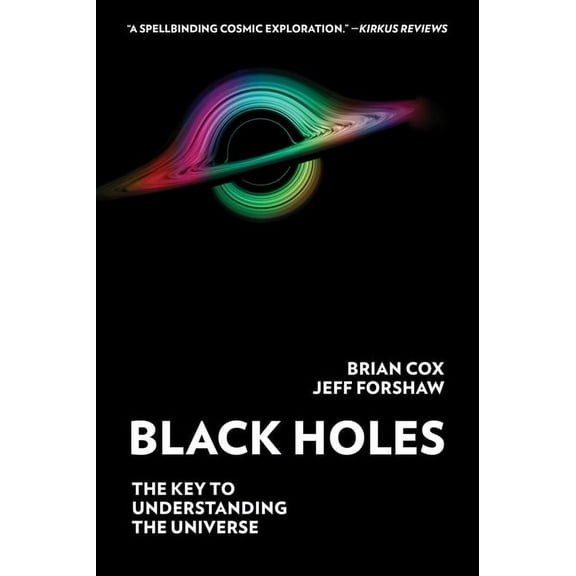
About Physics Books Science Technology Collection - Walmart.com
Physics books help you compare math level, format, and subject focus before you choose a title for class, self-study, or general science reading. You can sort physics books by branch, audience, and academic level, which makes quick decisions much simpler.
If you're building a course list or reading for curiosity, you can compare formal texts with beginner guides and narrative science titles. You can also narrow choices by quantum mechanics, astrophysics, classical mechanics, thermodynamics, or electromagnetism.
How to choose physics books for your goals
You can start by matching the book to your reason for reading. If you're taking a class, you may want structured chapters, defined terms, and end-of-chapter practice.
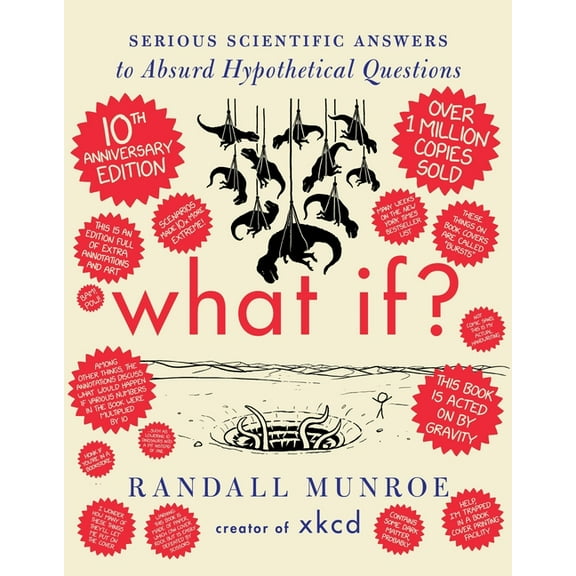
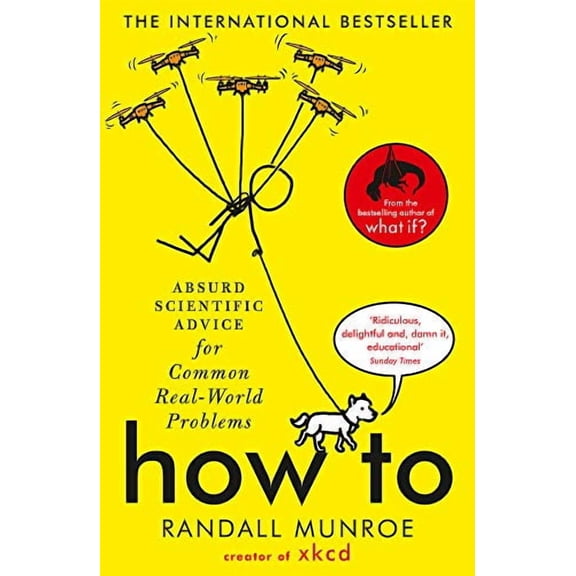
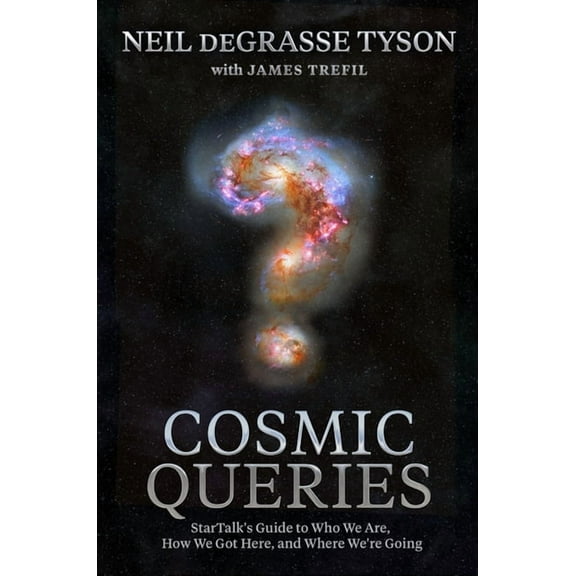
For personal learning, you may prefer narrative explanations and real-world examples over dense equations. You can often notice popular science titles explain ideas, while textbooks build skills step by step.
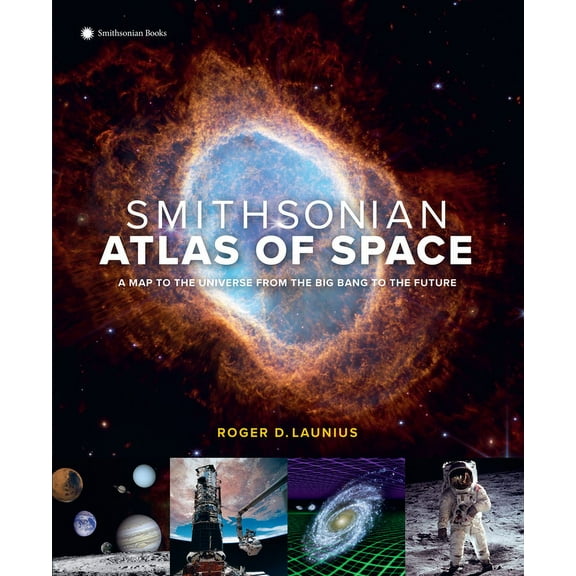
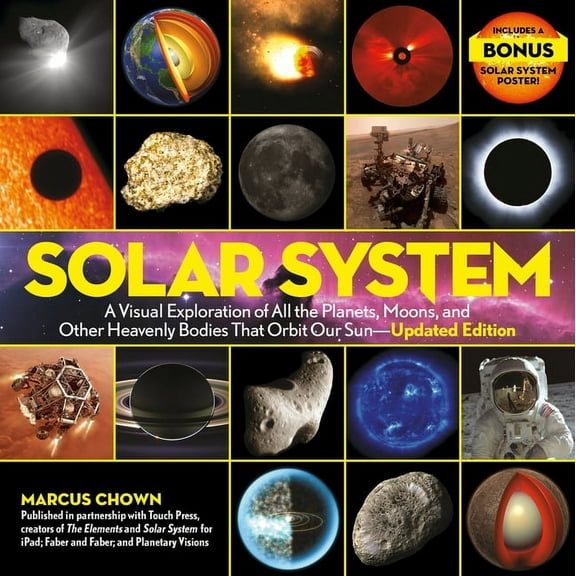
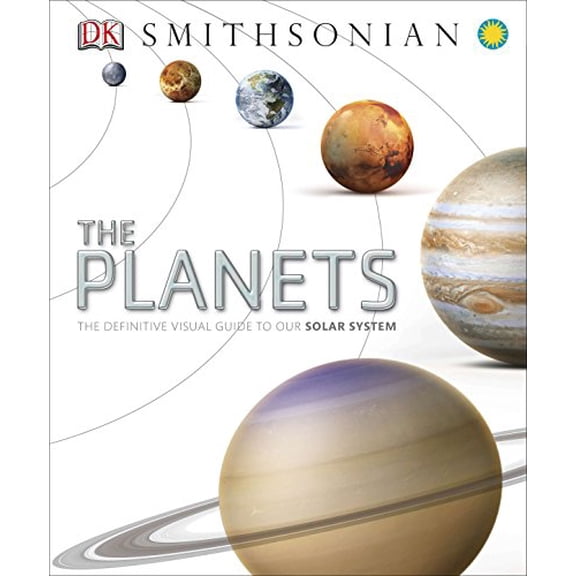
You can also narrow your search by sub-discipline before you compare editions. If your interest is space and stars, you may want to review astrophysics books first.
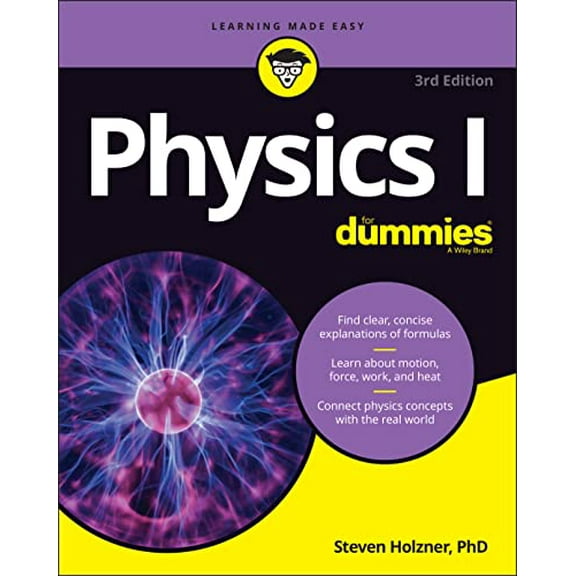
- You can use beginner-friendly titles when you want plain-language explanations and lighter math.
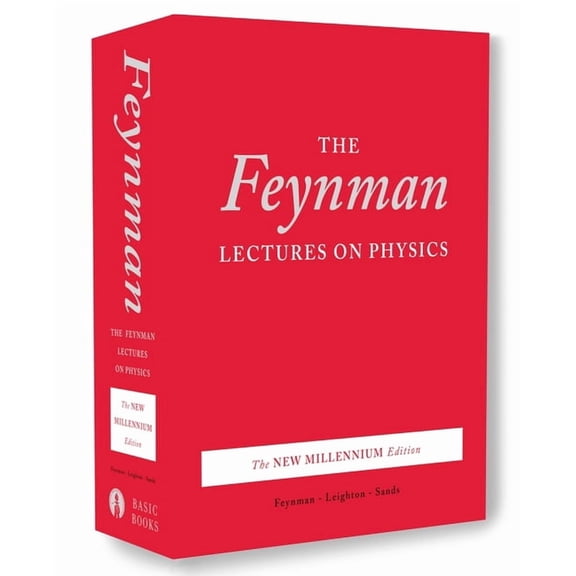
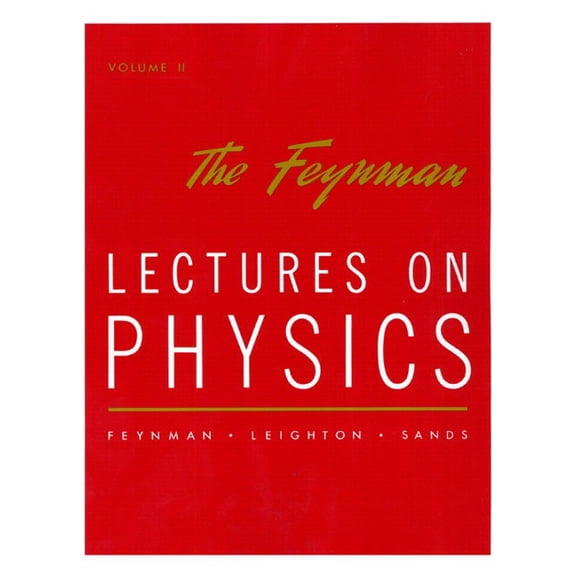
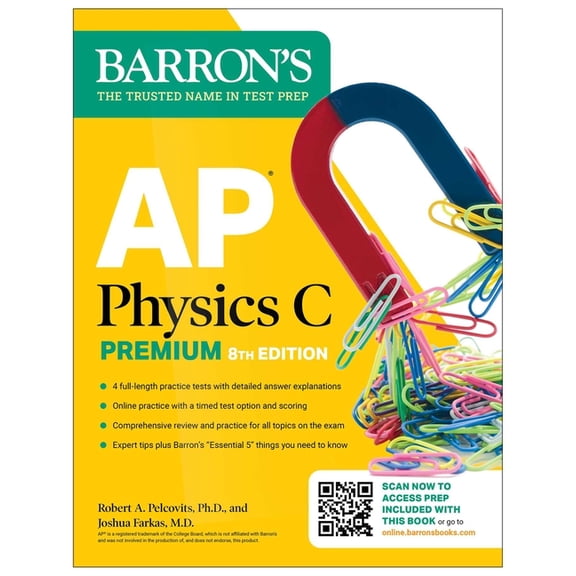
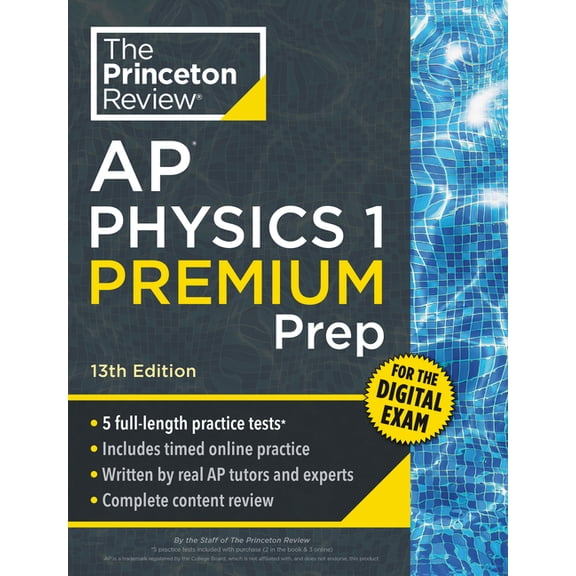
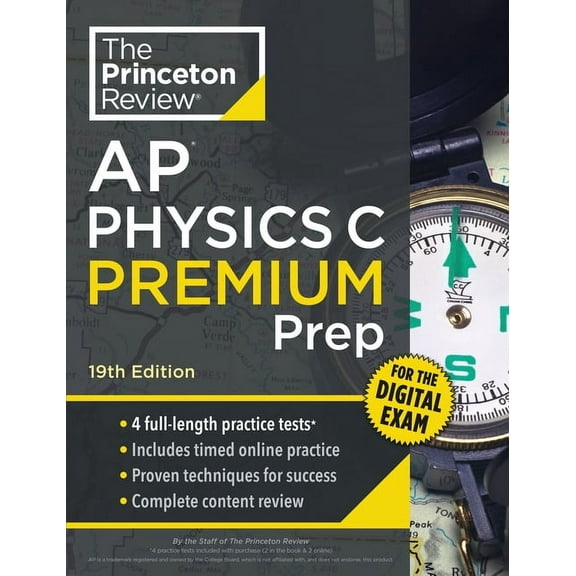
- You can choose physics textbooks when you need chapter progression, assignments, and review material.
- You can compare sub-disciplines when you want quantum mechanics, motion, heat, or electricity topics.
- You can pick paperback, hardcover, e-book, or textbook formats based on how and where you study.
Choosing between physics textbooks and general reading
You should first decide whether you need a course resource or a general-interest title. You can use a formal textbook for syllabus-based study, while you can use a popular science book for broader concept learning.
If your instructor assigns algebra-based or calculus-based material, you should check that level before you choose. You can avoid mismatched content when your math background lines up with the book's problem style.
You may also want to check whether a title includes worked examples, practice sets, or solution support. You can get structured review when those study tools appear throughout the chapters.
For high school study, you may want clear diagrams, glossary support, and slower pacing. For undergraduate or graduate work, you may need deeper derivations and denser topic coverage.
During back-to-school periods, you may also compare college physics textbooks for lecture support and homework review. You can use that filter when you need academic structure, chapter sequencing, and topic continuity.
Comparing sub-disciplines, including quantum physics books
You can use the branch of physics as your next filter when the category feels broad. Quantum physics books often focus on probability, particles, wave behavior, and theory-heavy concepts.
If you prefer motion and forces, you may want classical mechanics titles with equations, diagrams, and problem sets. If heat, energy transfer, and systems interest you, you may choose thermodynamics books for that coursework.
You can also focus on electromagnetism when you need electric fields, magnetic fields, and circuit foundations. If you're drawn to planets, galaxies, and cosmology, you may compare astrophysics books instead.
For younger readers or general readers, you may want books that connect big ideas to everyday examples. You can often find titles that explain gravity, light, and space without assuming advanced math.
What to look for in physics books by audience, level, and format
You should compare target audience labels because they narrow a large selection quickly. Physics books for beginners often use shorter explanations, fewer formulas, and more visual examples.
Students may need textbooks with unit reviews, chapter summaries, and practice questions for steady progress. Professionals or advanced readers may prefer specialized coverage with focused terminology and deeper theory.
You can also filter by academic level to avoid content that feels too basic or too technical. High school and non-academic titles often introduce fundamentals, while graduate titles may assume prior coursework.
Format matters when you read across different settings during the week. You may want paperback for portability, hardcover for shelf reference, e-book for quick access, or textbook editions for structured learning.
Matching physics books to real study scenarios
If you're preparing for a semester course, you should start with the assigned level and required math approach. You can stay aligned with class expectations when algebra-based and calculus-based material matches your text.
When you're learning on your own, you may want a beginner title with explanations before formal problem solving. You can build confidence with a format that introduces concepts before dense notation and advanced proofs.
If you're exploring one topic deeply, you can choose a sub-discipline and then compare formats. You may pick quantum physics books for theory study or astrophysics books for space-focused reading.
For gift giving or family reading, you may want accessible books with broad explanations and strong visuals. You can have a simple time choosing when the audience is kids, general readers, or dedicated students.
If you're balancing commuting, class time, and home review, you should weigh format carefully. You may appreciate e-books for quick reference and textbooks for note-taking, assignments, and repeated chapter practice.
You can feel more certain when you compare physics books by branch, math level, format, and audience before you choose. You can gain the right depth, clear study support, and a more useful reading experience.