
















Model Kits in Hobby & Collectible Toys




















About Model Kits in Hobby & Collectible Toys - Walmart.com
You can compare model kits by scale, skill level, subject theme, and material, so your next build fits your time, tools, and display goals. You can also find options that cover everything from snap-together starters to detailed replicas that reward careful painting and finishing.
How to choose model kits for your hobby style
When you choose a kit, you can start with the build experience you prefer and the shelf space you have available. You can narrow choices faster when you compare scale ratios, included parts, and whether the kit requires separate paint, glue, and tools.
If you’re building with a younger hobbyist or starting fresh, you may prefer simpler parts and clear instructions. If you enjoy careful assembly, you can look for more pieces, finer detail, and advanced finishing steps.
- You can match scale to your display space and detail preferences.
- You can pick a skill level that fits your experience and patience.
- You can choose subjects like cars, aircraft, ships, or sci-fi builds.
- You can compare plastic, wood, and metal kits by assembly style.
- You can check whether your kit includes paint, glue, or basic tools.
That buying approach helps you avoid mismatched projects and keeps your build moving smoothly from box opening to final display. You can also feel more prepared when you know which accessories belong in your workspace before you begin.
Choosing scale and plastic model kits
Scale tells you how large your finished build is and how much detail you can expect on the parts. When you compare plastic model kits, you’ll often see common scales like 1:24, 1:25, 1:35, 1:48, and 1:72.
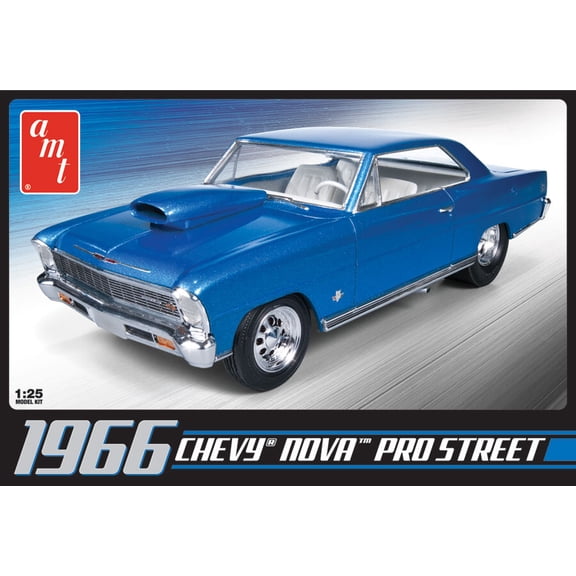
If you want larger car details, you may prefer 1:24 or 1:25 because you can see engine parts, interiors, and body lines more clearly. If you want more compact aircraft displays, you may lean toward 1:48 or 1:72 because those sizes fit shelves more easily.
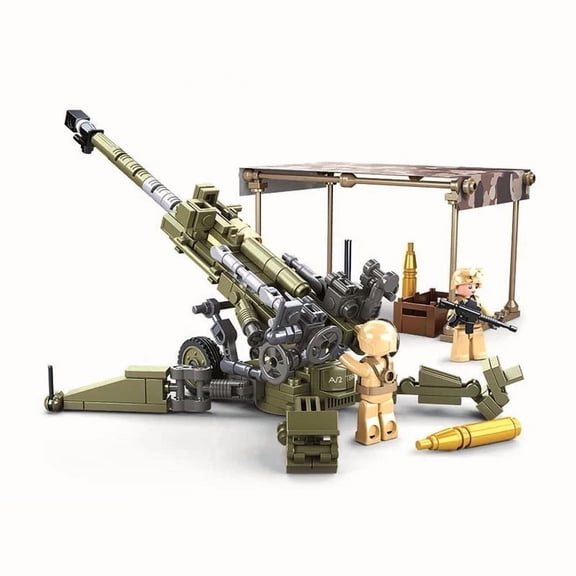
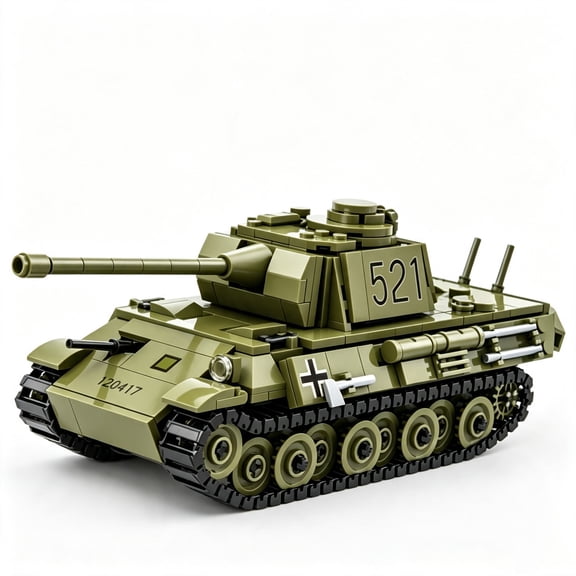
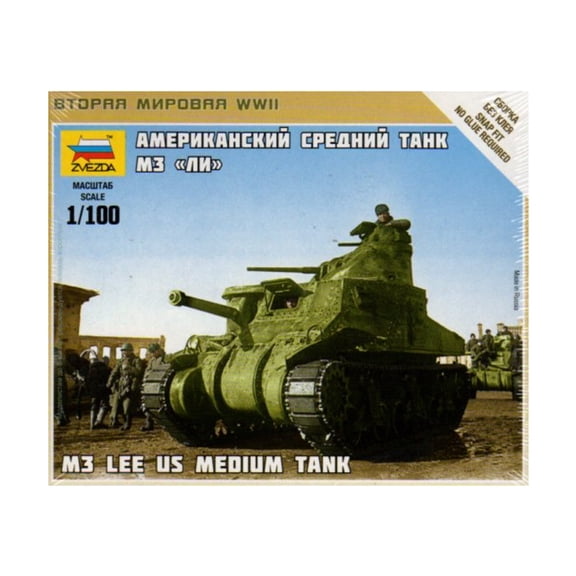
For military vehicles, you’ll often notice 1:35 because it gives you room for tread detail, weathering, and crew accessories. If you’re planning a grouped display, you should compare matching scales so your collection looks consistent together.
Material also shapes your experience during assembly and finishing. You’ll usually find plastic model kits easier to compare for painted detail, while wood and metal kits may suit different building styles and display looks.
Plastic parts often support painted finishes, decals, and crisp molded details that many hobbyists expect from replicas. Wood kits may appeal to you when you want a hands-on construction feel, while metal kits can bring a different weight and look.
Matching skill levels and accessories to your build
Skill level labels help you estimate how much time, precision, and finishing work your project may need. You can use Level 1 or Snap-Tite kits when you want easier assembly, fewer tools, and a more approachable start.
As you move into Levels 2 and 3, you’ll often see more parts, more detailed instructions, and stronger expectations for glue or paint. If you choose Levels 4 and 5, you should expect finer assembly steps, more patience, and extra attention to finishing details.
You’ll also want to check whether your kit includes paint, glue, or basic tools before you start building. Many projects need those items separately, so you can plan your workspace and avoid pauses during assembly.
Instructions can also shape your experience significantly. You should look for clear part diagrams, decal placement guidance, and piece counts that fit the amount of time you want to spend.
If you enjoy quick progress, you may prefer fewer parts and snap-fit construction. If you enjoy advanced painting, you can compare kits with detailed panel lines, cockpit pieces, or multi-part bodies that reward careful finishing.
Comparing car model kits, model airplanes, and themed builds
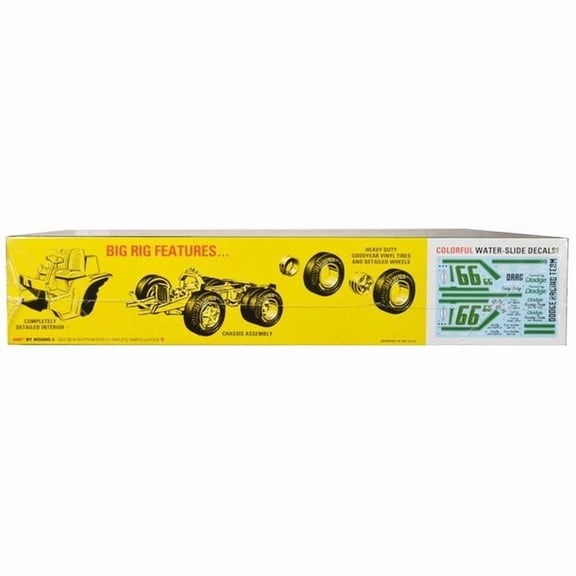
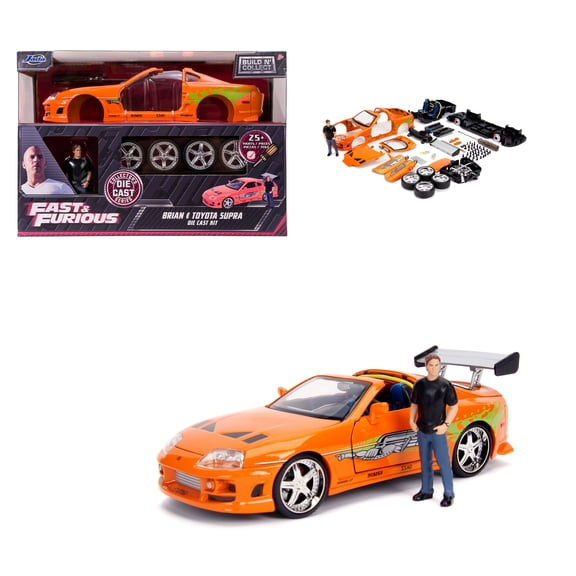
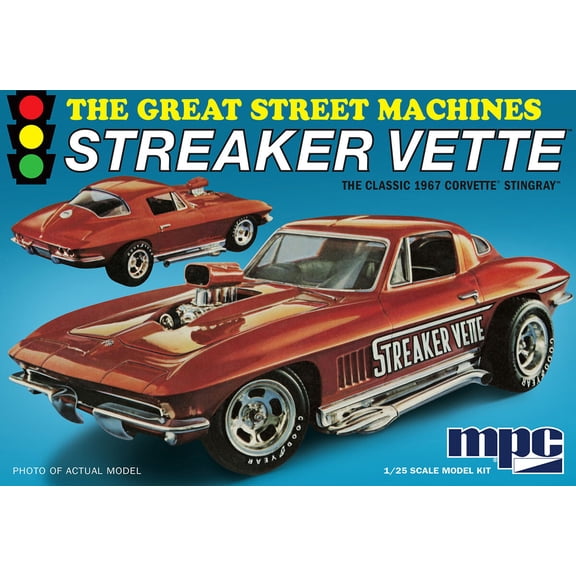
Your subject theme often decides which details matter deeply during shopping. If you’re comparing car model kits, you may focus on body style, engine detail, wheels, decals, and realistic interiors.
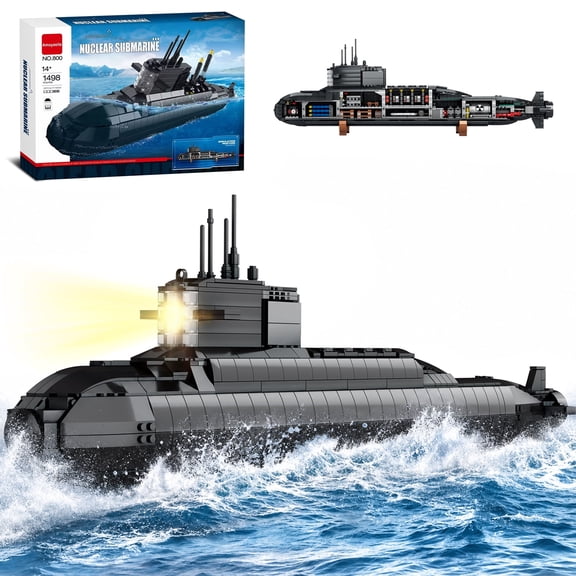
When you shop model airplanes, you may care more about wing shape, cockpit detail, landing gear, and scale markings. If you prefer military model kits, you might compare tanks, transport vehicles, ships, and aircraft with room for painted camouflage and weathered finishes.
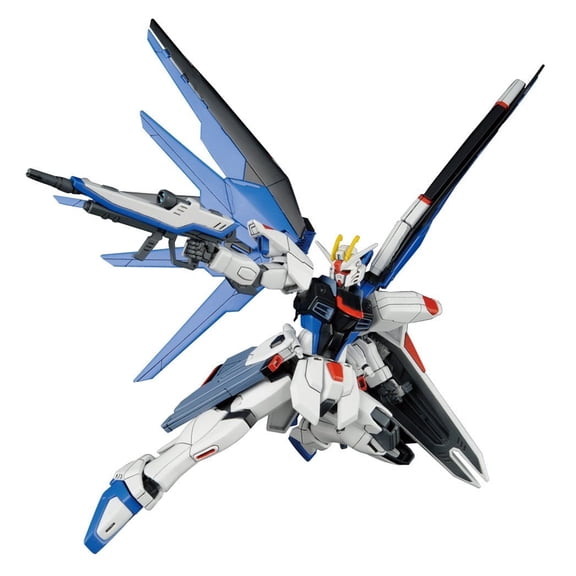
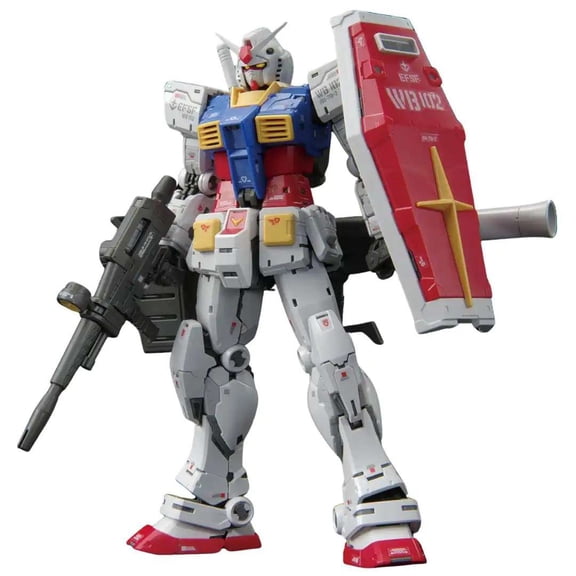
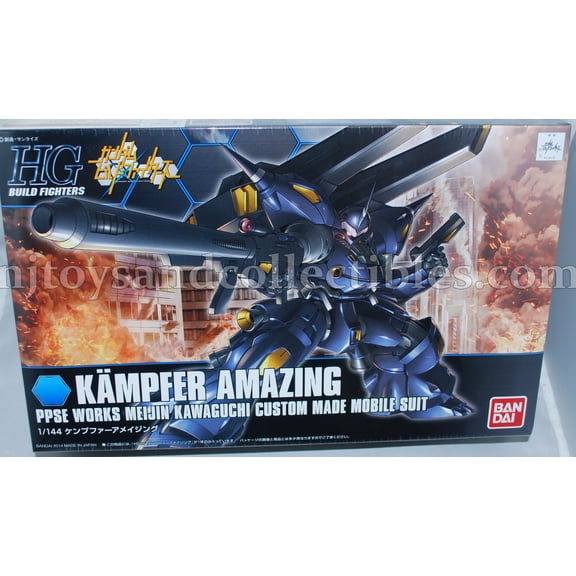
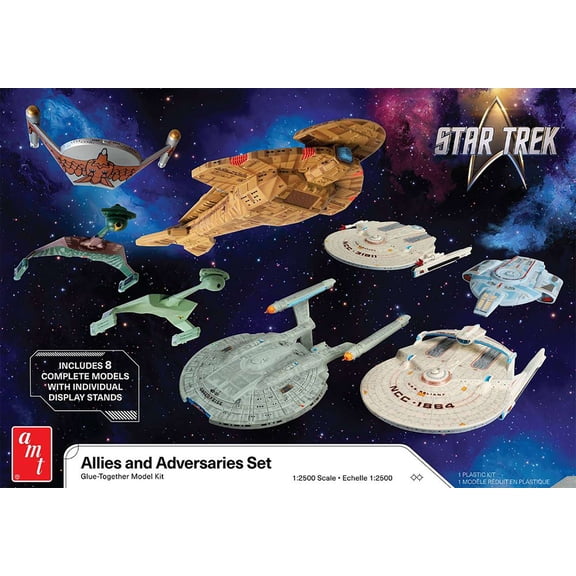
Sci-fi and space subjects can bring a very different build style to your bench and display shelf. You may enjoy gundam model kits for poseable parts and layered assemblies. You may also prefer star wars model kits for recognizable ships and character-inspired designs.
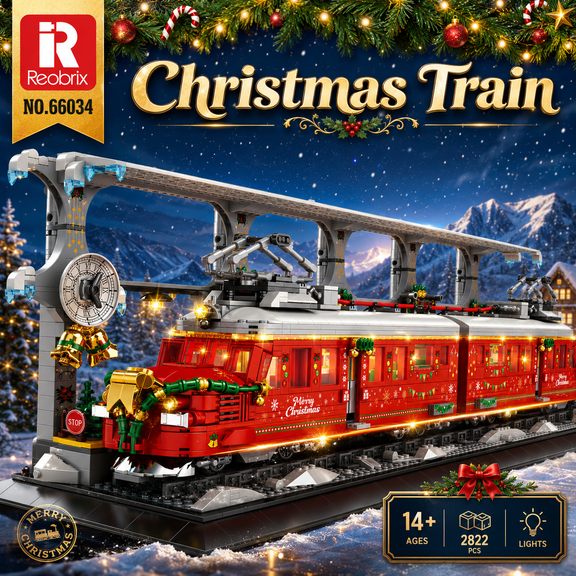
Seasonal projects can also shape your selection when you want a themed display or a shared activity. During gift-giving seasons, you may look for holiday model kits or christmas model train kits that fit festive layouts and tabletop scenes.
If you’re building for solo focus time, you may want a detailed replica with longer assembly steps and more finishing options. If you’re building with family, you may prefer simpler subjects that let everyone join the process with less setup.
What to look for before your final choice
Before you choose, you should compare scale, skill level, material, and subject theme together rather than one at a time. That full check helps your model kits match your tools, display plans, and preferred building pace.
You can feel more confident when your project fits your experience and includes the detail style you actually want to finish. With the right match, you can enjoy smoother assembly, cleaner results, and a display piece you’ll want to keep out.