



Shop Organic and Natural Culinary Herbs

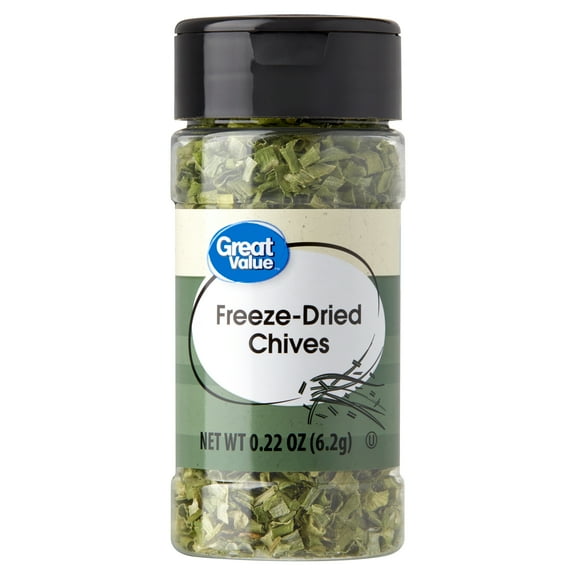
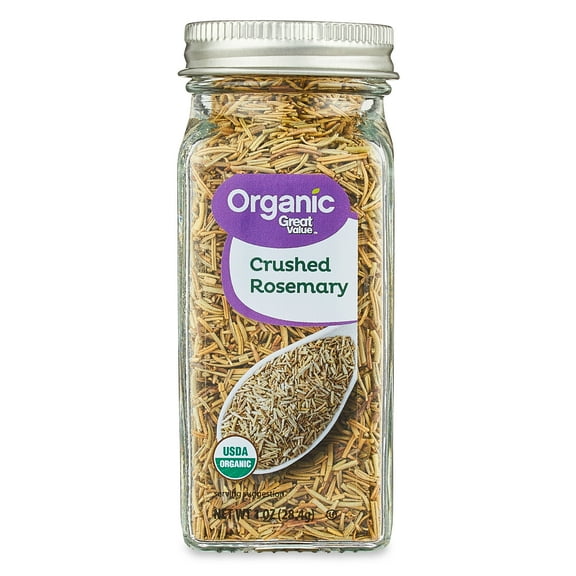
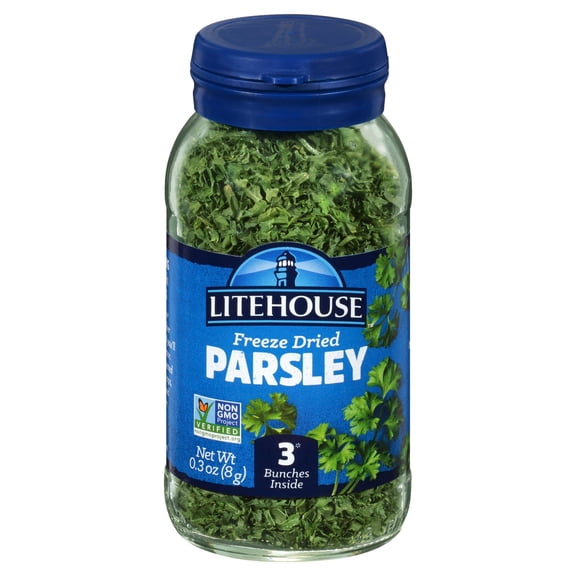

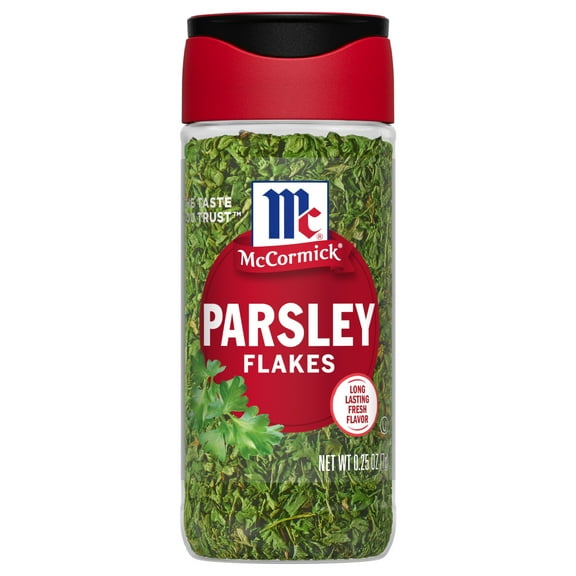


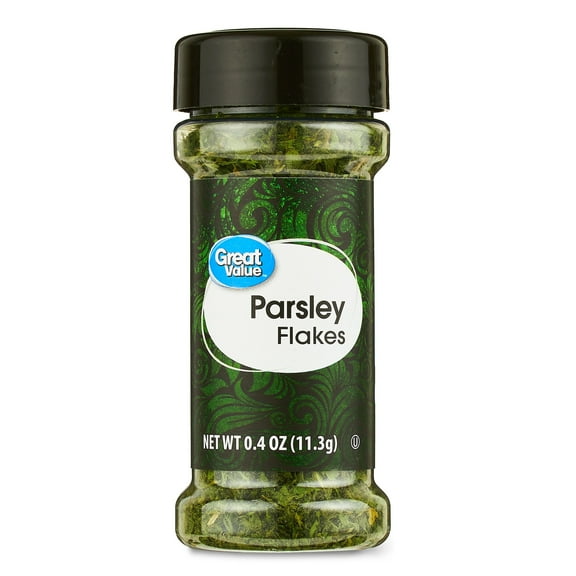


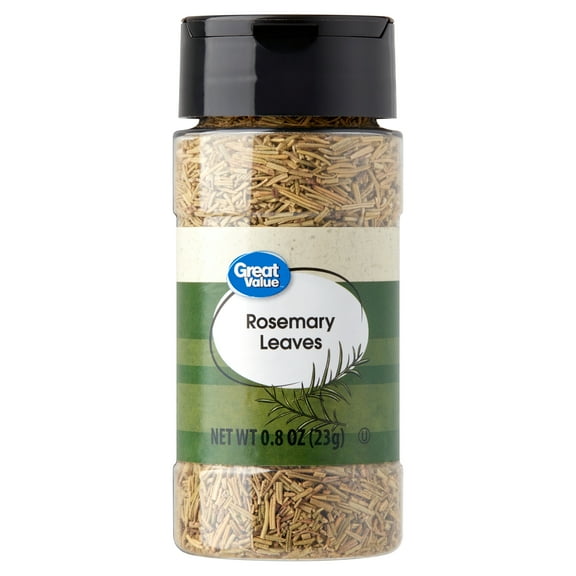
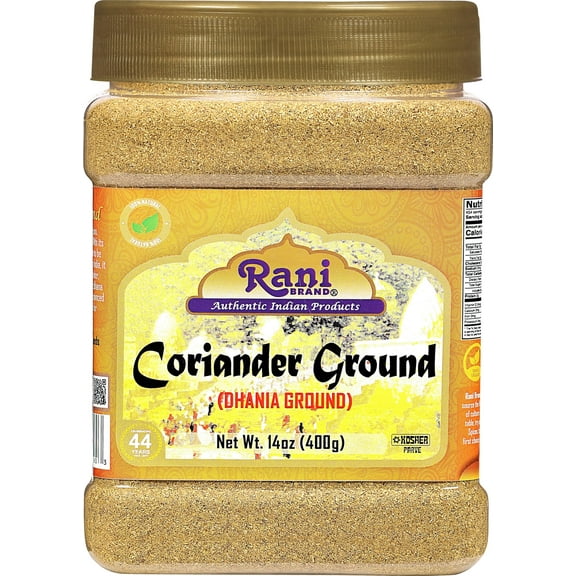
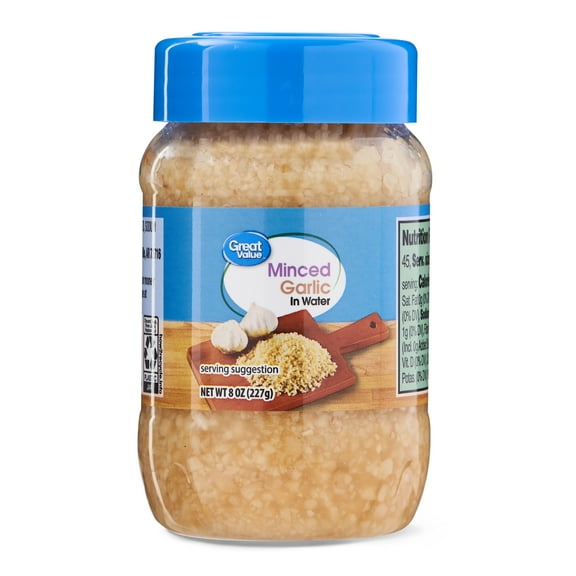





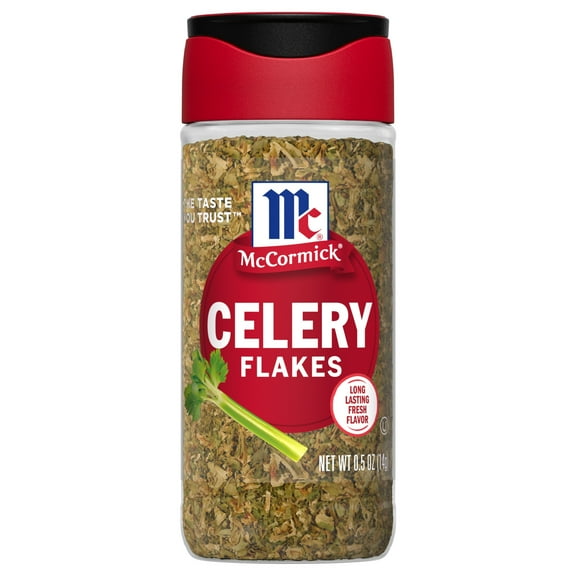
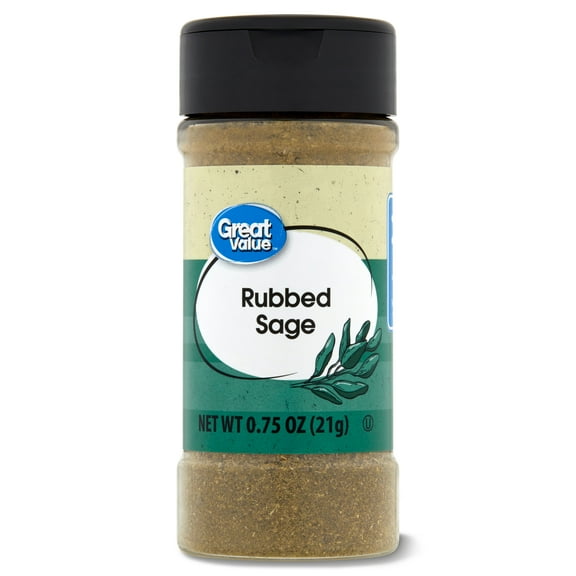
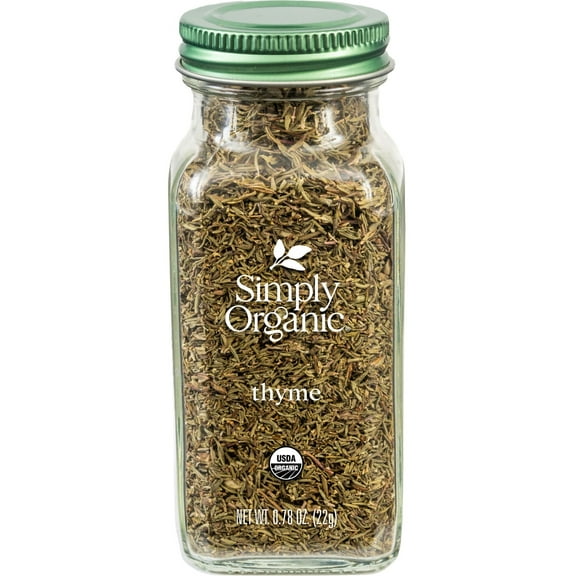
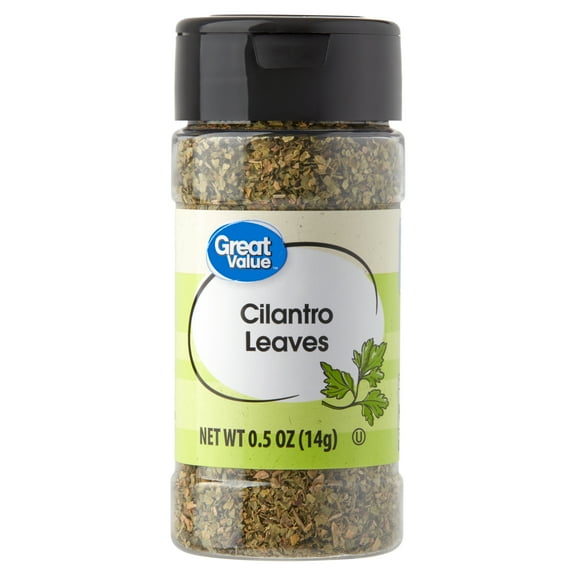




About Shop Organic and Natural Culinary Herbs - Walmart.com
You can compare herbs by form, type, packaging, and growing method, so your cooking gets the flavor and flexibility your recipes need. You can find options for quick weeknight meals, slow-simmered soups, and windowsill growing projects in one category.
When you choose herbs with a plan, your food can taste brighter, more balanced, and easier to finish the way you want. You can pick fresh bunches for vivid garnish, dried jars for pantry reach, or potted herbs for repeated snipping.
Choosing herbs by form
You should start with form, because your choice changes flavor strength, texture, and storage time. You can use fresh herbs when you want leafy texture and a just-cut finish.
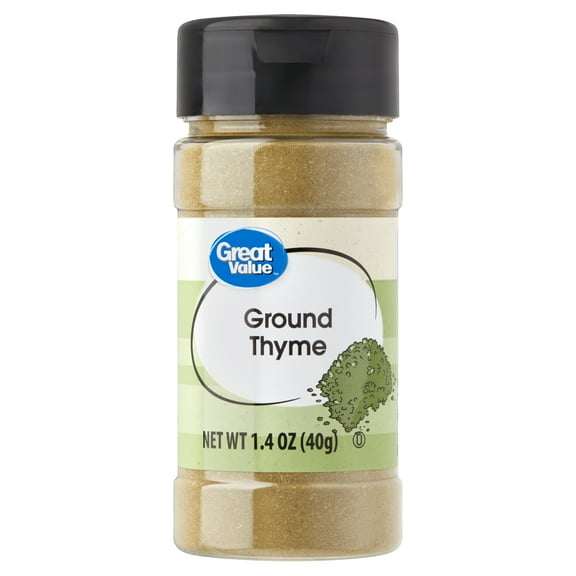
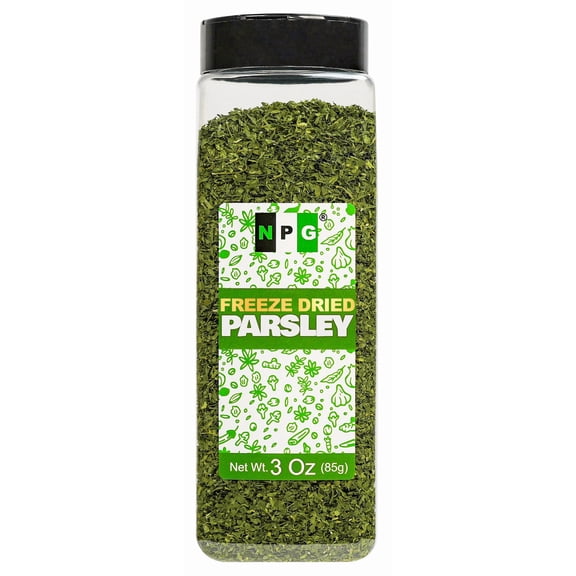
If your recipe cooks longer, you may prefer dried herbs for steady flavor through roasting, braising, or simmering. You can also compare ground and whole leaf options when you want faster blending or more visible flakes.
Fresh herbs work well when you’re finishing pasta, topping pizza, or adding color to salads. Dried herbs fit your spice cabinet and help you season sauces, marinades, and baked dishes with less prep.
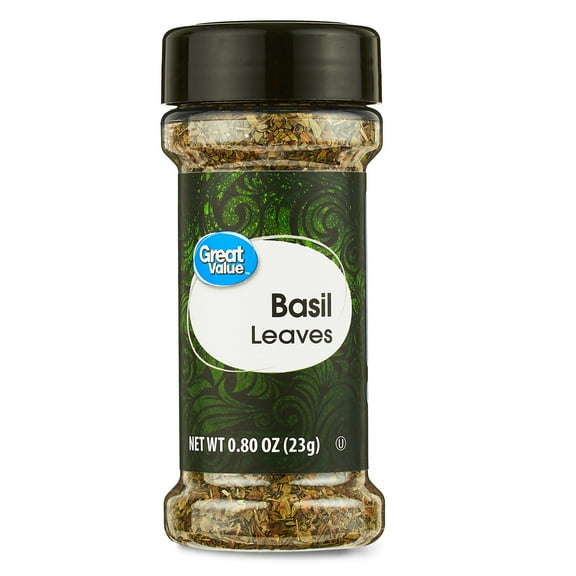
- You can use fresh basil, parsley, or cilantro for bright finishing flavor.
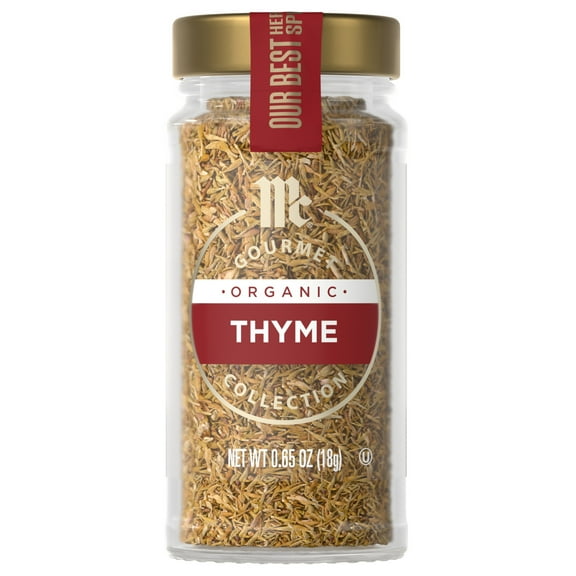
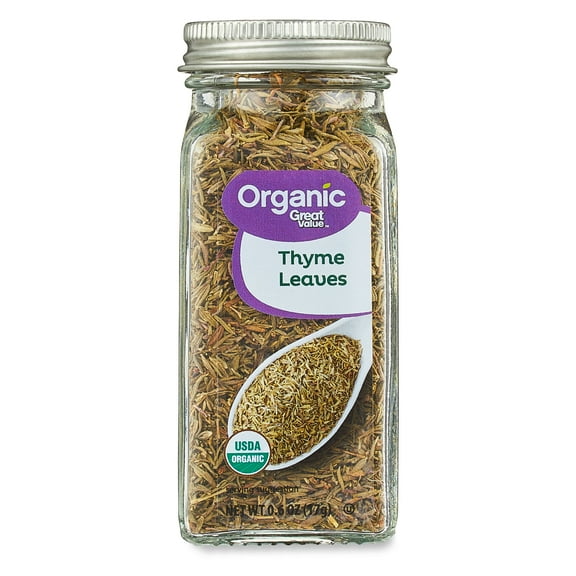
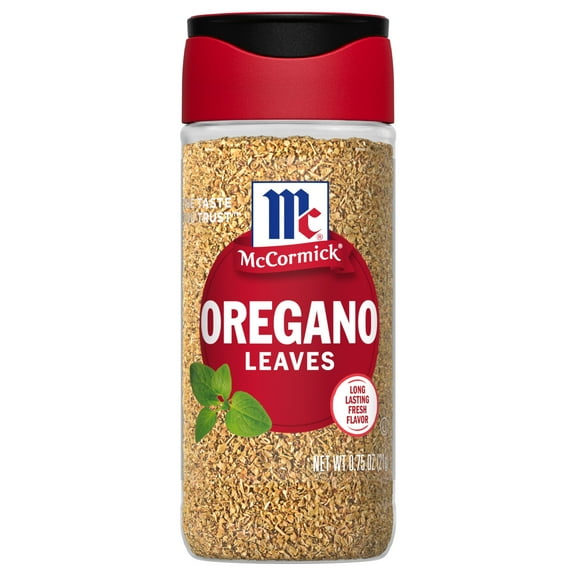
- You can reach for dried oregano, thyme, or rosemary in slow-cooked recipes.
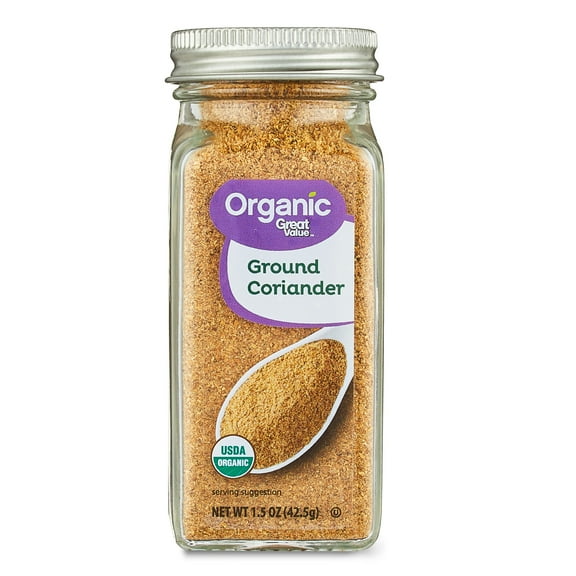
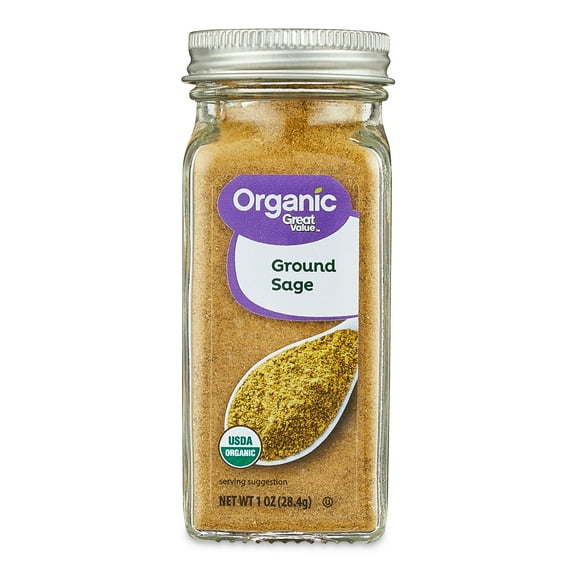
- You can choose ground herbs when you want even distribution in rubs and blends.
- You can pick whole leaf options when you want a more visible texture in soups or dressings.
Choosing culinary herbs for your dishes
You should next consider type, especially if you’re shopping for culinary herbs instead of decorative or aromatic choices. You can match flavor profiles to everyday dishes and keep your seasoning more intentional.
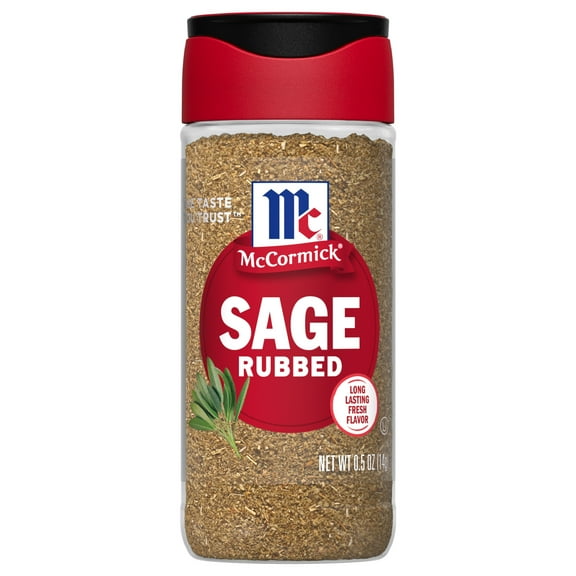
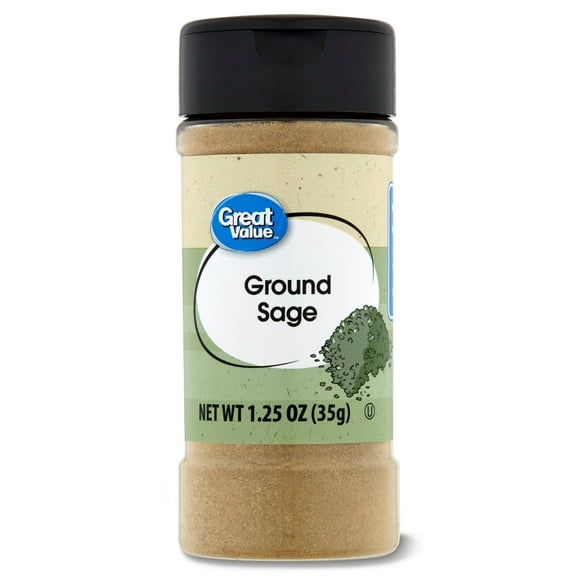
For pasta and tomato sauces, you may look for basil, oregano, or parsley to keep flavors familiar and balanced. For poultry or roasted vegetables, you can consider rosemary, sage, or thyme for a woodsy taste.
When you cook soups, stews, or beans, you may want herbs for seasoning that hold up during longer cooking. You can use dried herbs there, then finish with fresh herbs for contrast.
If you’re planning grilled foods, you can use chopped herbs in marinades, compound butters, or simple oil blends. You can also combine herbs and spices when your recipe needs warmth, brightness, and depth together.
Comparing packaging and storage needs
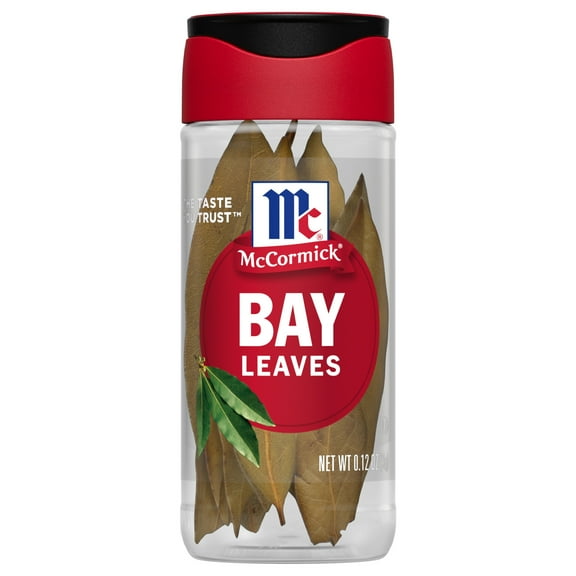
You should compare packaging with your routine, because each format supports a different cooking style. You can choose bottled options for easy pantry organization and quick measuring during meal prep.
Bulk bags can suit you when you refill spice jars often or cook larger batches regularly. Fresh bunch packaging helps you when you want whole stems for chopping, blending, or garnishing.
Potted herbs may fit your kitchen when you want to snip small amounts as needed. You can keep potted herbs near bright light and trim lightly, so your leaves stay ready for repeated use.
For storage, you can wrap fresh bunches loosely and refrigerate them to keep texture and color longer. You should store dried herbs in closed containers away from heat and light, so your seasonings stay flavorful.
Fresh herbs, dried herbs, and organic herbs
You may also compare organic herbs with conventional options when growing practices matter in your kitchen. You should check packaging details, because organic certification helps you confirm how growers produced the herbs.
If you cook often, you might keep both fresh herbs and dried herbs on hand for different tasks. You can use fresh leaves for finishing and dried pantry staples for consistent everyday seasoning.
Your shopping list may also include bottled herbs, fresh bunches, or potted herbs depending on how often you cook. You can build more flexibility when you keep several forms ready for sauces, salads, roasting, and soups.
How to use herbs in everyday cooking
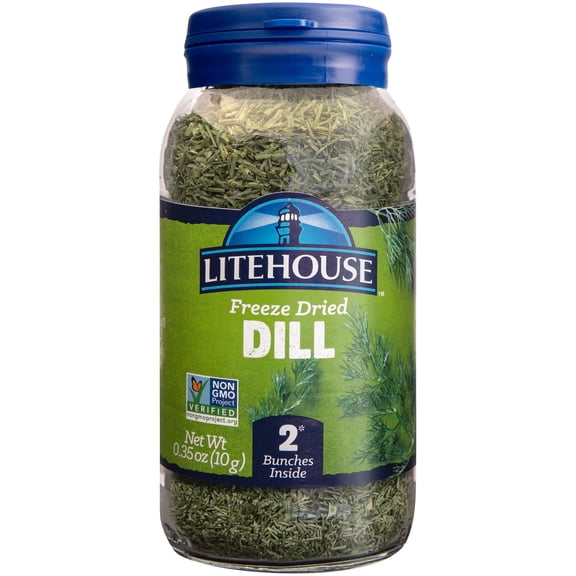
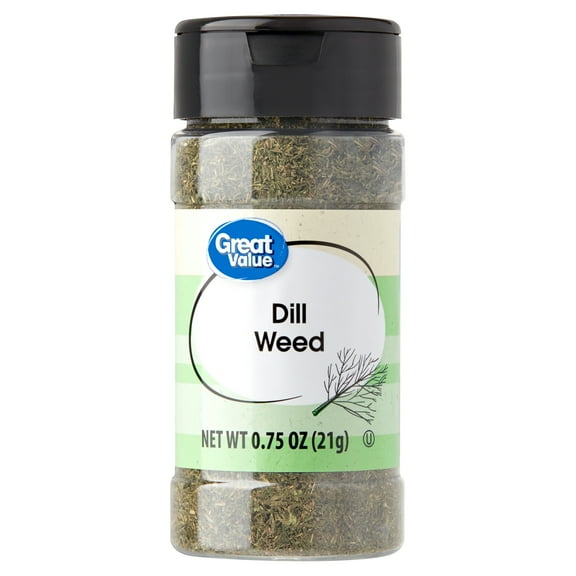
You can make this category work effectively by matching each option to a real cooking moment. You might use basil for pizza night, thyme for chicken, dill for fish, or parsley for grain bowls.
When your meal needs a quick lift, you can stir chopped herbs into dressings, yogurt sauces, or melted butter. If your meal cooks all afternoon, you can add dried herbs earlier for full flavor.
You can also choose potted herbs when your household cooks small amounts several times each week. That format lets you clip what you need for eggs, sandwiches, pasta, or simple side dishes.
With the right herbs in your kitchen, you can season more confidently and finish dishes with flavor that fits the way you cook. You can get more control over texture, intensity, and freshness every time you reach for the right form.