


Gran Centenario Tequila Premium Brand Selection Online
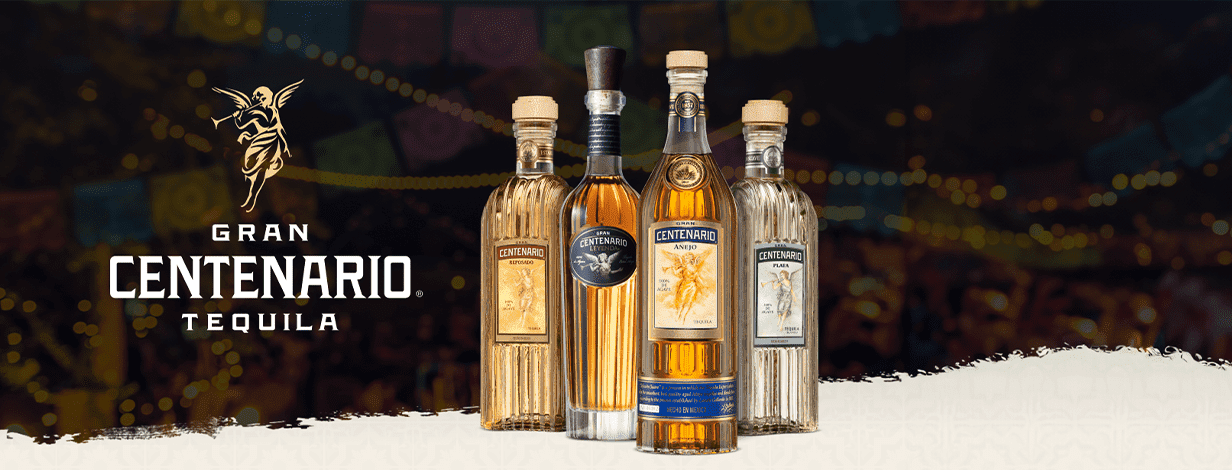
Gran Centenario® Tequila


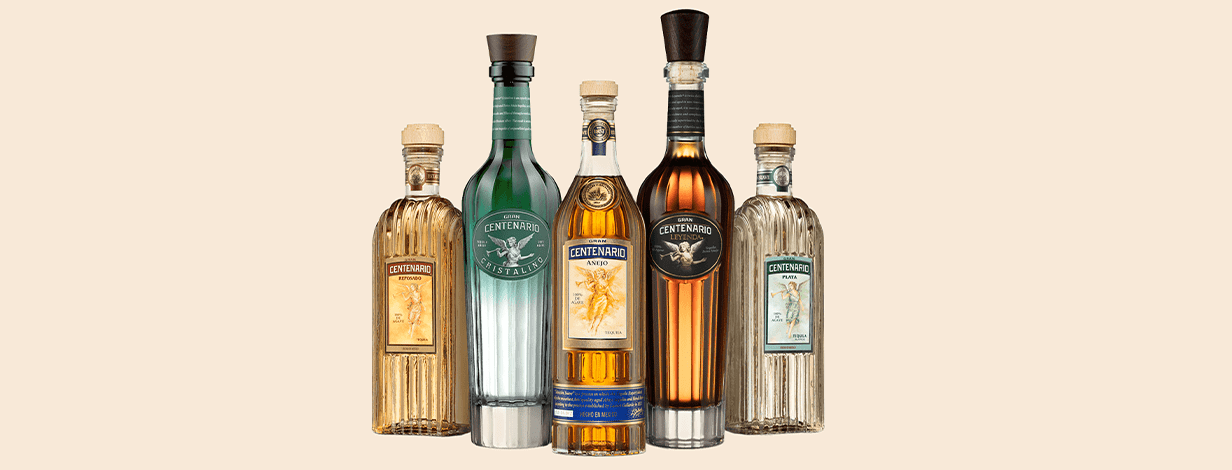
Gran Centenario® Family



Taste the tradition
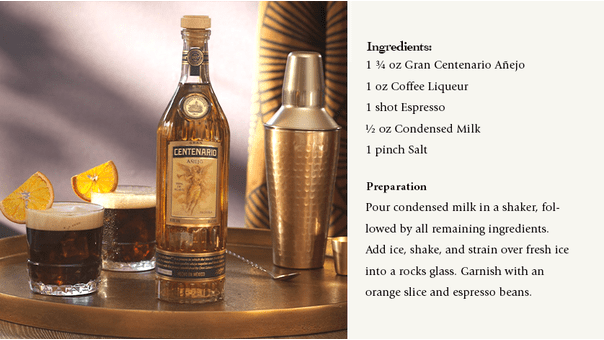

Explore Gran Centenario®



FAQ
About Gran Centenario Tequila Premium Brand Selection Online - Walmart.com
With el gran centenario tequila, you can compare aged expressions, blue agave content, and cocktail-friendly styles in one place. You get a clearer way to choose Plata, Reposado, Añejo, or Leyenda Extra Añejo for your bar cart.
If you're narrowing down a brand page, you likely want taste guidance, aging details, and serving ideas before you commit. You can use this guide to match your pour to margaritas, palomas, neat sipping, or gifting.
How to choose el gran centenario tequila
When you compare tequila types, you should start with aging because it shapes flavor, color, and how you plan to serve it. You can expect Plata to taste brighter, while aged expressions bring deeper oak-led notes.
If you prefer crisp citrus and fresh agave character, you may lean toward Plata because it isn't aged in oak. If you want rounder vanilla and toasted almond notes, you should compare Reposado and Añejo.
For a more layered sipping experience, you can look at Añejo or Leyenda Extra Añejo because longer aging builds richer oak character. If you're mixing often, you may prefer Plata or Reposado for a cleaner, livelier profile.
- You can choose Plata when you want bright agave notes for margaritas, palomas, and other citrus-forward drinks.
- You can choose Reposado when you want a balanced pour with agave freshness and light oak character.
- You can choose Añejo when you want deeper vanilla, oak, and toasted almond notes for slower sipping.
- You can choose Leyenda Extra Añejo when you want a more mature expression with added barrel influence.
Choosing tequila type and aging process
You should check the aging process first because unaged and barrel-aged tequila create very different drinking experiences. You can use that difference to narrow your options quickly.
With Plata, you get an unaged style that keeps blue agave notes front and center. You may notice a clearer look and a brighter finish in cocktails.
With Reposado, you get tequila aged from two months to one year, which adds gentle oak character. You can expect more vanilla warmth without losing all the fresh agave edge.
With Añejo, you get one to three years of aging, which creates darker color and fuller barrel notes. You may find that oak, vanilla, and toasted almond stand out more clearly.
If you compare these styles side by side, you can match aging to occasion instead of guessing from the label alone. You should look for the expression that fits your glass, garnish, and pace.
What to look for in 100% blue agave tequila
You should check for 100% blue agave because that detail helps you identify a traditional tequila style. You can use it as a simple buying filter when you want a cleaner agave-led profile.
When you choose gran centenario expressions made from 100% blue agave, you can focus on the agave character and barrel influence. You won't need to sort through extra filler terms to understand the style.
If purity matters in your pour, you should compare labels for blue agave wording before you decide on type. You can then move on to flavor and aging with more confidence.
Choosing your flavor profile
You should think about flavor in plain terms because that makes tequila easier to buy for yourself or for gifting. You can group these profiles into bright citrus, sweet agave, soft vanilla, and deeper oak.
If you want a lighter, fresher taste, you may prefer expressions that lean citrusy and agave-forward. If you want warmth and dessert-like notes, you can look for vanilla and toasted almond character.
Oak matters too because it changes how the finish feels in the glass. You may prefer stronger oak notes when you're pouring tequila neat or over ice.
When you use flavor as your guide, you can avoid buying a bottle that suits a different drinking style. You should match citrus notes to mixed drinks and richer notes to slower sipping.
Matching serving style to your occasion
You can make your choice easier by deciding whether you're mixing cocktails or pouring tequila straight. You should let that serving plan guide your type, flavor, and aging decisions.
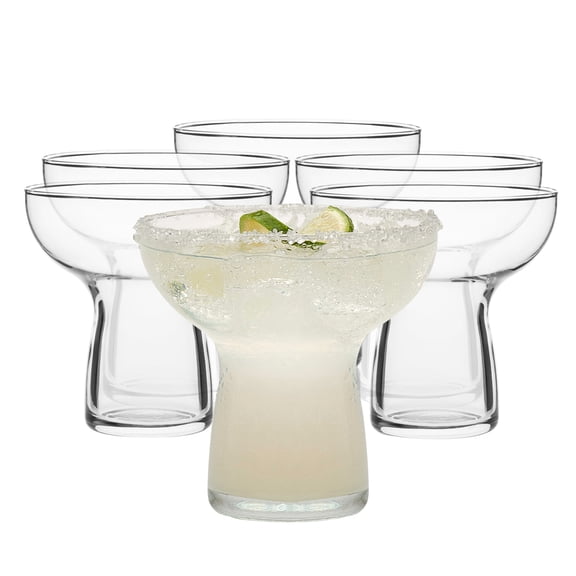
For margaritas, you may want a bright expression that keeps lime and orange flavors lively. For palomas, you can use a clean agave profile that stays crisp with grapefruit and sparkling mixers.
If you're serving tequila neat, you may prefer more barrel character and a smoother, slower finish. You can compare Reposado, Añejo, and Leyenda Extra Añejo for that kind of pour.
When you're stocking for gatherings, you can keep more than one style on hand for different tastes. You might use Plata for cocktails and reserve an aged bottle for after-dinner pours.
The heritage behind el gran centenario tequila
If brand heritage matters to you, this page brings together expressions tied to a long tequila-making tradition dating to 1857. You can explore a historic Mexico-rooted lineup with guidance that connects age, agave, and flavor.
When you choose el gran centenario tequila with the right type and tasting notes in mind, you get a pour that fits your cocktails or sipping ritual. You leave with a bottle that matches your glass from the first pour.