


Find auto parts that fit
Let’s search for parts that fit your vehicle.Gauges in Gauges, Instrument Clusters, Mounts & Hardware

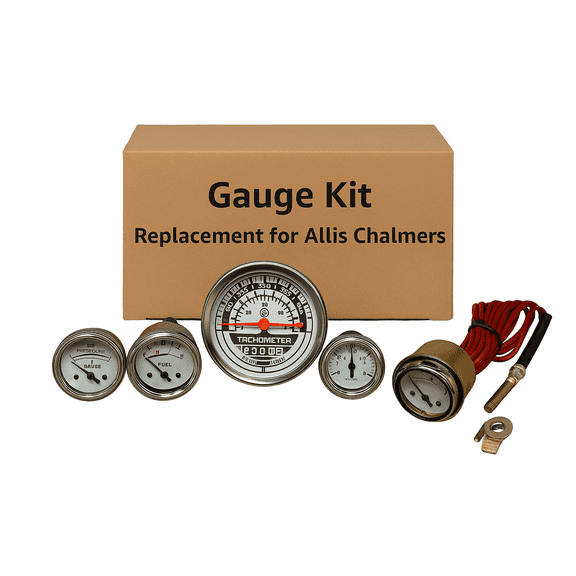


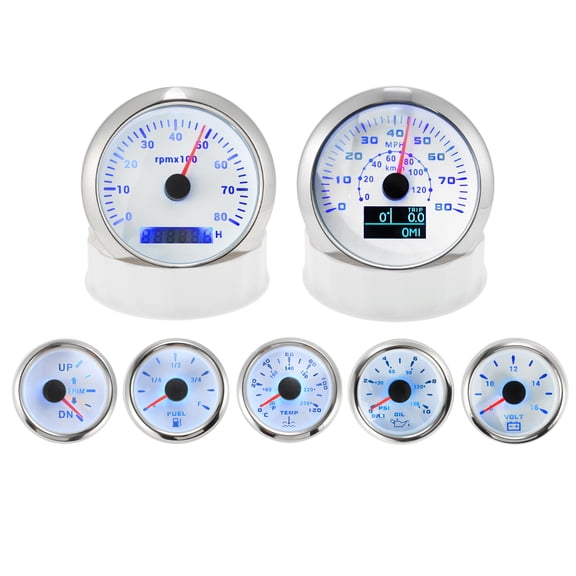


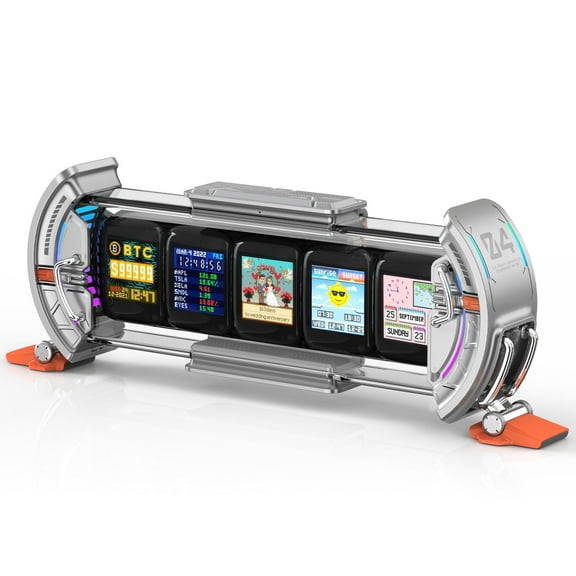


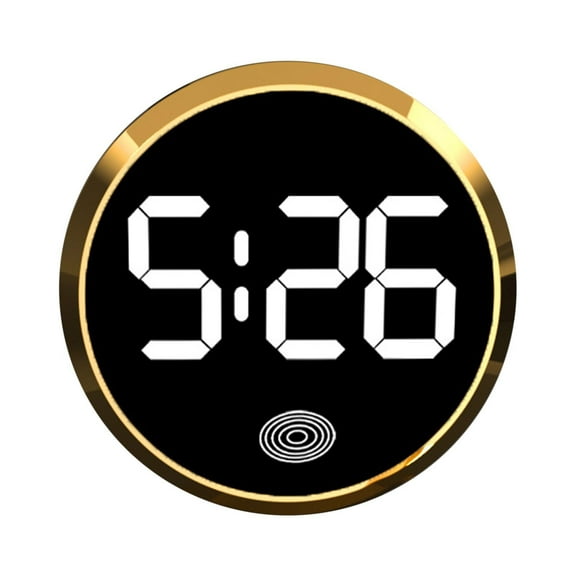









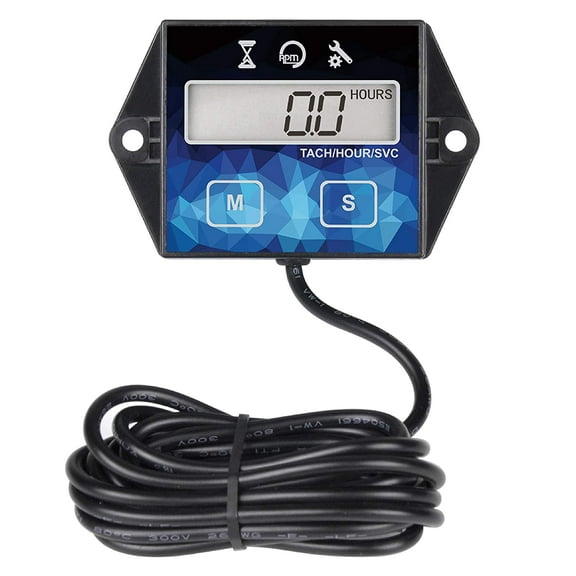
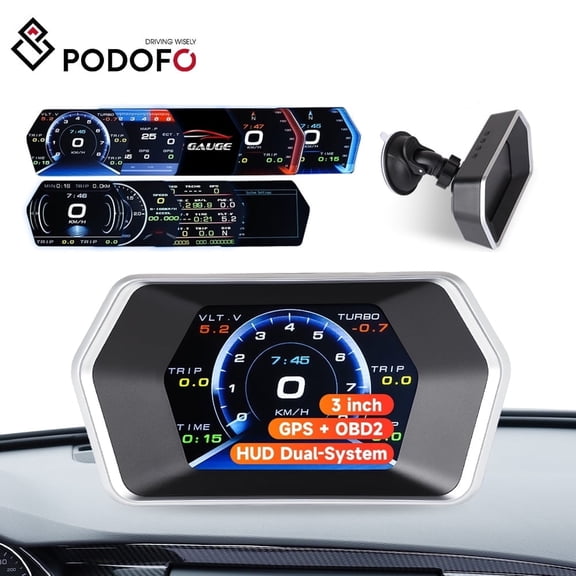

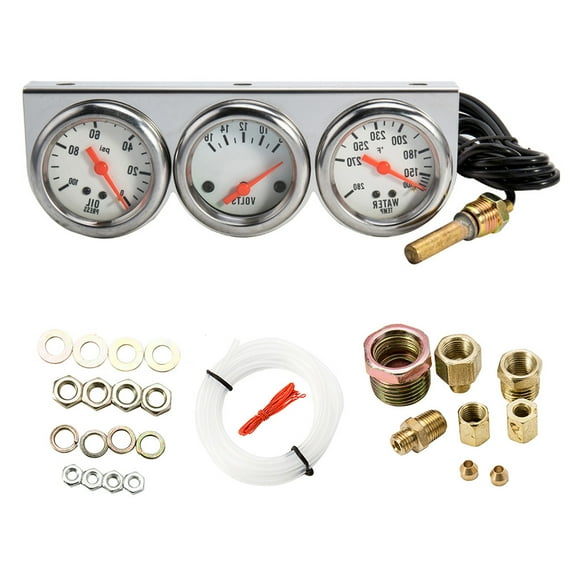

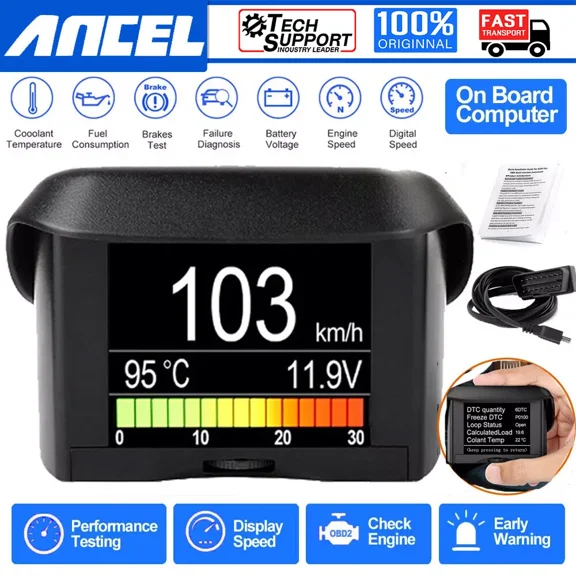











About Gauges in Gauges, Instrument Clusters, Mounts & Hardware - Walmart.com
Your dashboard gauge setup helps you track vital vehicle data with quick, easy-to-read feedback while you drive, tune, tow, or monitor daily performance. You can use this category to compare automotive-focused options that fit dashboards, pods, and common gauge openings.
When you shop gauges for cars, you’re usually comparing function, display style, fitment, and installation effort. You’ll also want details that separate automobile gauges from unrelated gauge searches outside the auto category.
Choosing the right dashboard gauge
You should start with the reading you need to prioritize, because each gauge type supports a different driving or tuning goal. You may want RPM tracking, speed reference, mileage display, oil pressure data, or water temperature monitoring.
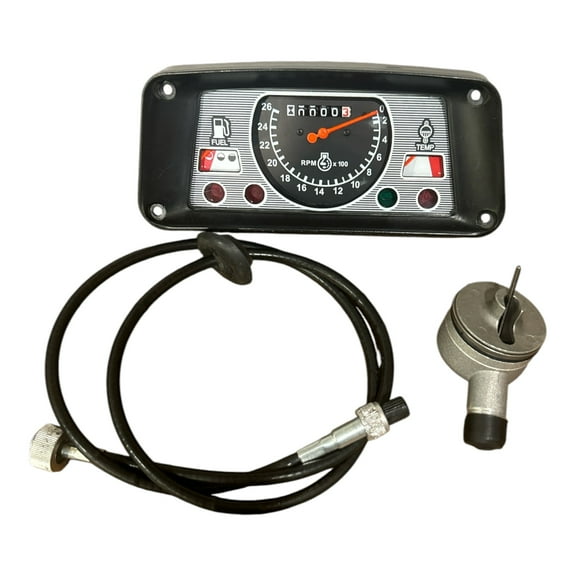
If you’re building a performance-focused setup, you may compare a tachometer 8000 rpm option with other RPM ranges. You’ll want a scale that matches your engine’s operating range and your preferred shift points.
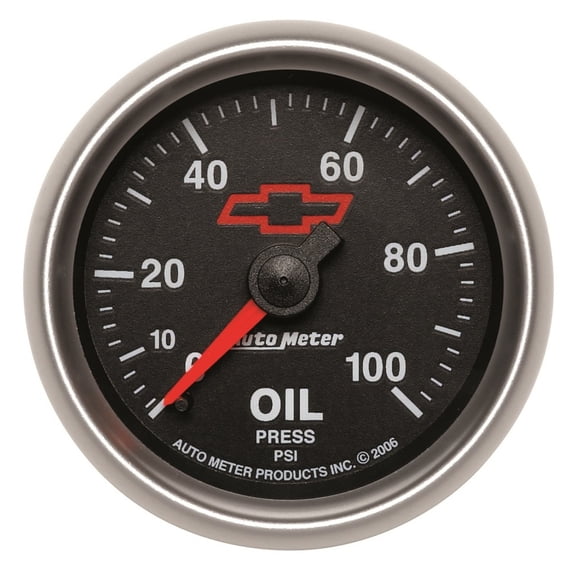
For towing, commuting, or older vehicle projects, you may focus on oil pressure or water temp first. You can use those readings to keep your dashboard information organized and easier to check at a glance.
How to compare gauge meters and display type
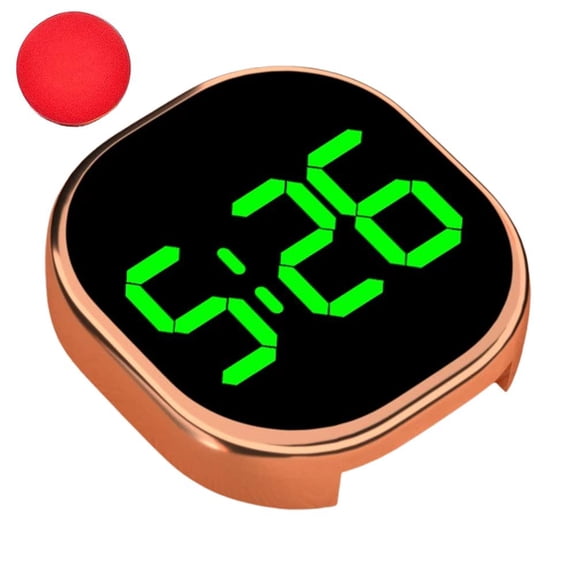
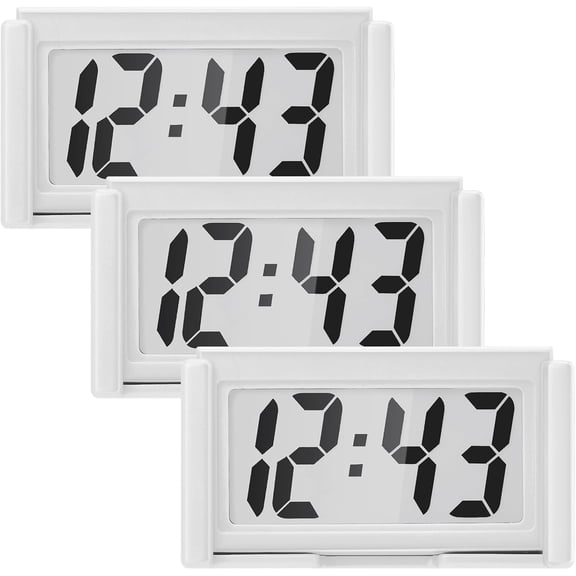
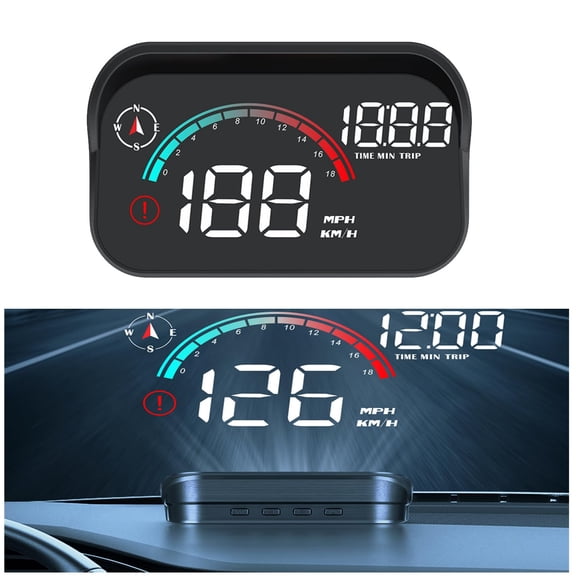
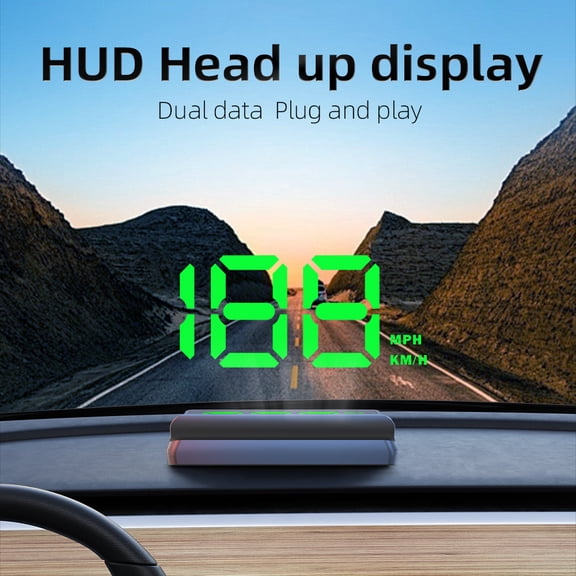
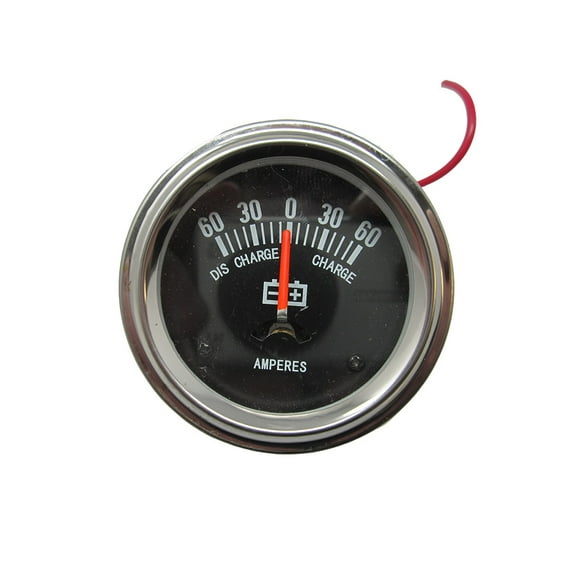
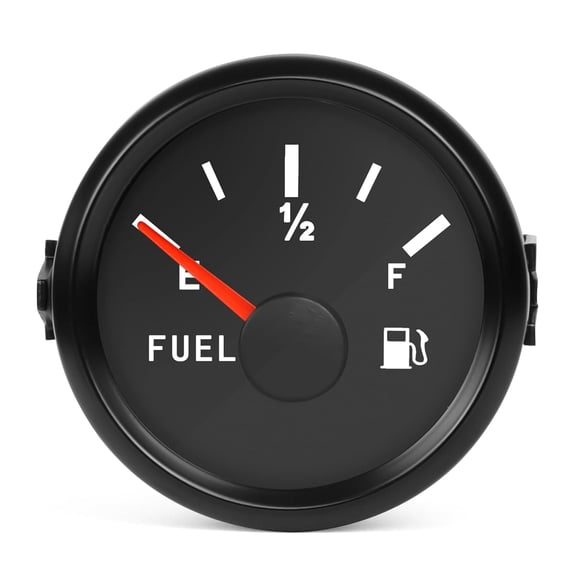
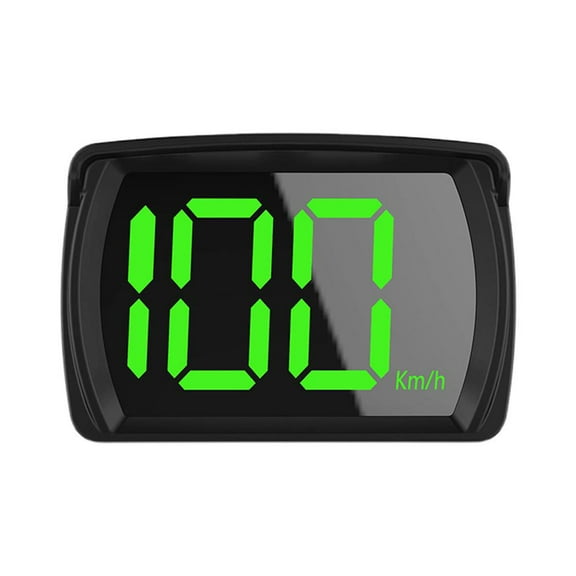
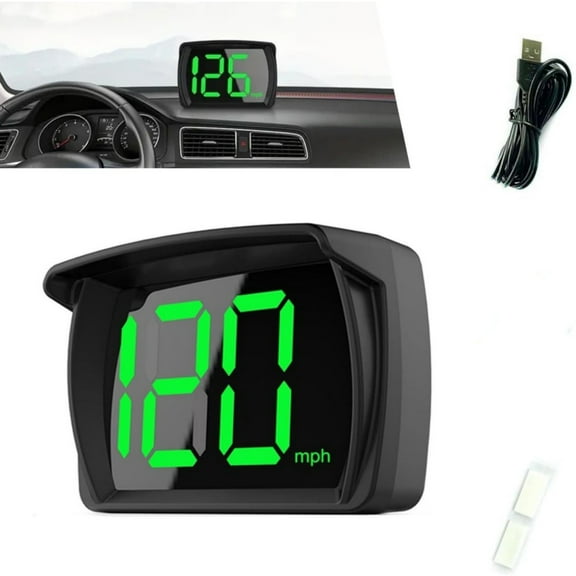
You’ll notice analog gauges use a needle and dial, while digital and LED versions use numeric readouts. You can choose based on the look you want and how quickly you prefer to read changing information.
If you like a classic cockpit style, you may prefer analog gauge meters with matching faces and bezels. If you want a modern layout, you may lean toward digital or LED displays with bright characters.
You should also compare readability in daylight, nighttime driving, and quick side glances from the driver’s seat. You’ll often find that font size, backlighting color, and contrast matter as much as the measurement itself.
- You can choose tachometers when you want clear RPM tracking during shifting or tuning.
- You can choose oil pressure or water temp gauges when you want focused engine-condition data on your dash.
- You can choose analog, digital, or LED displays based on visibility, style, and readout preference.
- You can compare gauge meters by size, mounting depth, and illumination for your interior layout.
What to look for in fitment and installation
You should check whether you need universal or direct-fit vehicle gauges before you compare styling details. You’ll usually make a straightforward choice when you match the gauge to your opening size and wiring setup.
Universal car gauges give you broad flexibility across cars, trucks, SUVs, and custom builds. You may need to confirm sender compatibility, wiring harness details, and whether your setup uses a pod or panel mount.
Direct-fit options can make sense when you want a clean install in a specific dashboard layout. You’ll want to measure carefully if you’re choosing common sizes like 52mm or 2-inch formats.
You should also consider installation complexity before you commit to a certain style or function. You may need a simple pod mount, or you may need light dash modification for a flush, integrated look.
If you’re replacing a factory-style unit, you’ll want to compare connector style and mounting depth. If you’re adding auto gauges to an older project, you may also need extra wiring or sending components.
Matching vehicle gauges to your application
You can narrow your options quickly when you match the gauge function to how you use your vehicle. You may want different vehicle gauges for commuting, towing, weekend builds, or track-style projects.
For a street car, you may want a clean speedometer or odometer display that blends with your dash. For a tuned setup, you may prefer a tachometer paired with oil pressure or water temp monitoring.
If you drive a truck or SUV, you may prioritize easy readability and durable mounting in a spacious cabin. You’ll often benefit from displays that stay clear from a wider seating position.
For custom interiors, you may coordinate automobile gauges by face color, lighting tone, and housing size. You can create a more consistent panel when your gauge dimensions and display style work together.
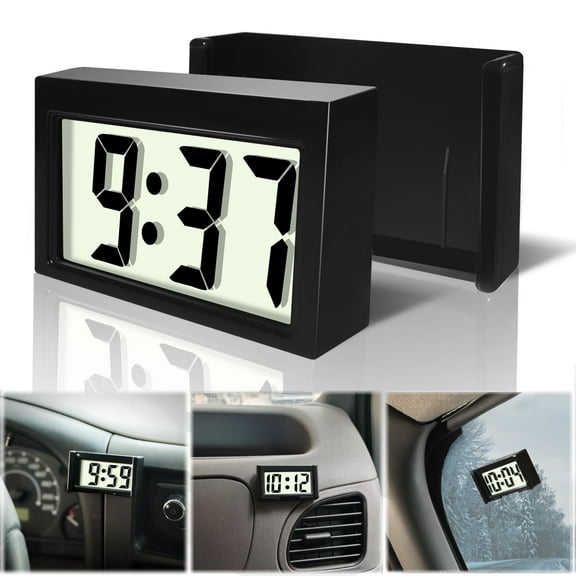
You should think about where the gauge will sit in your field of view during real driving. You’ll want quick visibility without crowding vents, switches, or other dashboard controls.
How much is a gauge and what affects your choice
When you research how much is a gauge, you’re usually comparing function, display technology, size, and fitment type. You’ll also see differences based on included hardware, lighting style, and wiring requirements.
You may find that a simple single-function unit fits a straightforward project, while a specialized readout needs more planning. You can make an informed choice when you compare what’s included with the installation method you expect.
Your ideal dashboard gauge should match your vehicle, your mounting space, and the information you want to monitor. You’ll feel more confident when your gauge setup delivers clear readings and a clean fit inside your dash.