

Craft Beer

Shop Craft Beer by Style




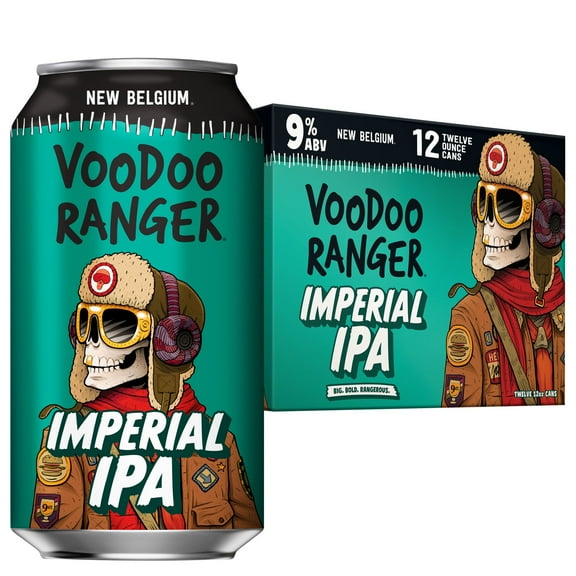
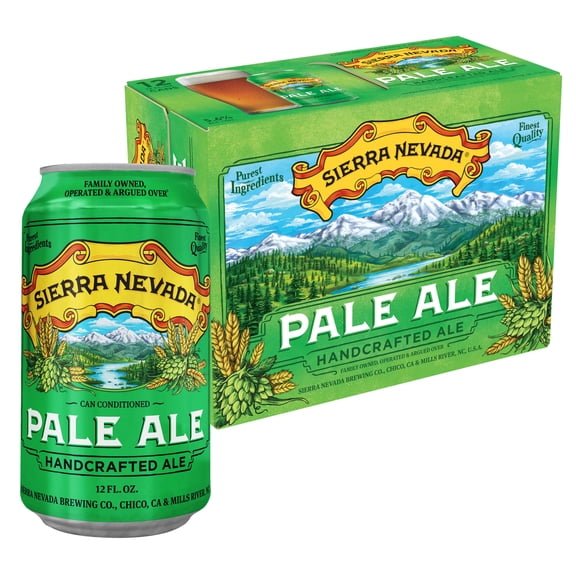
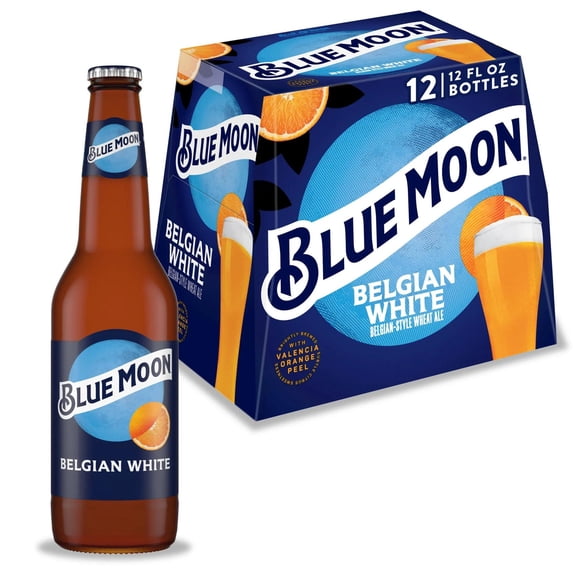
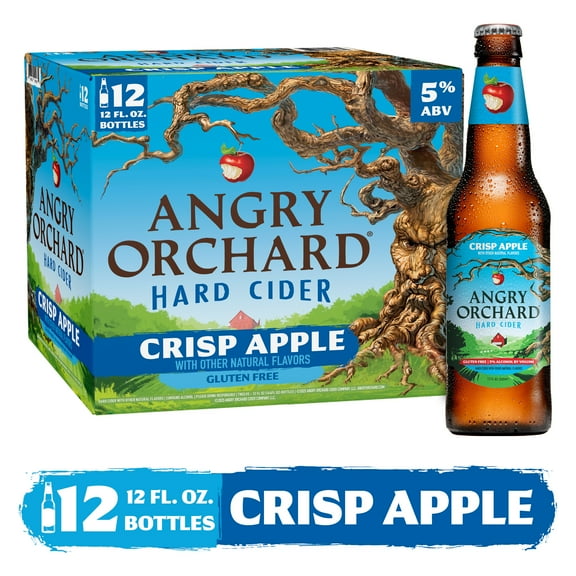
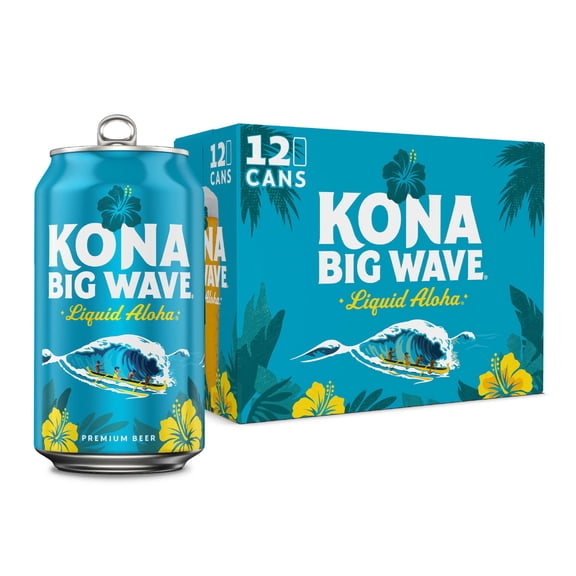



Kona Big Wave + Hang Ten Burger Recipe


Craft Beer Frequently Asked Questions
What is a craft beer?
Is craft beer stronger than regular beer?
What does IPA stand for?
How can you tell if a beer is an IPA?
FAQ
About Craft Beer - Walmart.com
When you compare craft beer prices, you want clear ways to sort by style, packaging, pack size, and ABV. This guide helps you narrow choices for dinners, coolers, tastings, and casual get-togethers.
You may be choosing between hoppy IPAs, dark stouts, crisp lagers, clean pilsners, or tart sours. With those differences in mind, you can compare flavor, freshness, and format with less guesswork.
How to compare craft beer prices by style
Style often shapes your whole pick because your flavor preference usually comes first. If you enjoy citrus, pine, or bitterness, you may start with an IPA.
For roasted notes, you might lean toward a stout with coffee or chocolate character. A lager or pilsner may fit when your meal calls for a crisp, lighter pour.
Tart fruit character can point you toward a sour for patio meals or brunch spreads. Mixed tastings also work well when you want to compare hoppy, malty, crisp, and fruity options.
- You can use IPAs when you want bold hop aroma and fuller flavor.
- You can choose stouts when you want darker pours with roasted character.
- You can pick lagers or pilsners when you want a clean, crisp sip.
- You can select sours when you want tart, fruit-forward flavor.
Many craft beer brands build a following around a signature style or flavor direction. Looking at style first helps you filter brands that match your palate and meal plan.
Choosing craft beer brands by packaging and pack size
Packaging matters because your plans may call for cans, bottles, singles, or larger packs. Cans often fit coolers neatly, while bottles may suit table settings and slower pours.
Craft beer cans can work well for tailgates, cookouts, and outdoor gatherings. Bottles may feel right for dinner service, gifting, or sharing a classic pour at home.
Pack size also changes how you compare craft beer price across your options. A single helps you try a new style, while a four-pack or six-pack supports small gatherings.
When you're planning for a group, a 12-pack can make head counts easier. Checking total ounces across pack sizes gives you a clearer picture than pack count alone.
You'll also want to match ABV to the occasion and serving plan. Low ABV options may fit longer gatherings, while standard and high ABV picks may suit slower sipping.
What to look for in craft beer price, freshness, and shelf life
Freshness matters when you're picking styles with strong hop aroma and flavor. IPAs often show that hop character clearly earlier in their shelf life.
Stouts may keep their roasted profile steady for a longer stretch in storage. That difference can help you decide whether to buy a larger pack or a smaller one.
If you're wondering where to find fresh craft beer, package dates can guide your choice when they're available. Smaller packs may also help when you want to finish beer sooner.
Storage can influence the flavor experience after you bring beer home. Keeping cans and bottles in a cool, dark place supports consistent taste and easier organization.
Craft beer prices make more sense when you compare ounces, style, and intended use together. A single may cost more per ounce, yet it gives you flexibility for trying something new.
Larger packs can make planning simpler when you've already picked a favorite style. That approach works well when your fridge, cooler, or party setup needs a predictable quantity.
Using craft beer cans and bottles for real occasions
Different formats fit different plans, so your event can guide your final choice. Craft beer in cans often works for parks, tailgates, patios, and packed coolers.
Bottles may suit dinners, tasting flights, or more formal place settings at home. That format can also help you build a slower-paced pour for guests around the table.
For game day, you might mix lagers, pilsners, and IPAs to cover several flavor preferences. A 12-pack can help when your group is larger and your cooler needs simple organization.
At dinner, your pairings can shape the style you choose first. IPAs often fit spicy foods and burgers, while stouts can pair well with grilled foods or chocolate desserts.
Sours may work nicely with fruit trays, brunch foods, or casual outdoor meals. Pilsners can fit pizza, tacos, sandwiches, and other easy weeknight dishes.
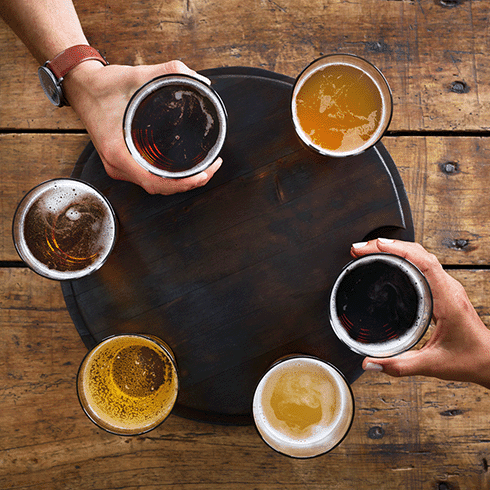
When you're building a tasting night, singles and smaller packs let you compare several craft beer brands. That setup helps you sample different styles without filling your fridge too quickly.
How to choose craft beer brands for your plans
Choosing among craft beer brands gets easier when you compare style, packaging, pack size, ABV, and freshness together. Those details help you line up each pick with your meal, guest count, and serving setup.
With that approach, your craft beer prices feel easier to judge across cans, bottles, singles, and larger packs. You end up with a selection that fits the occasion and pours with purpose.