

Console Tables in Living Room Furniture








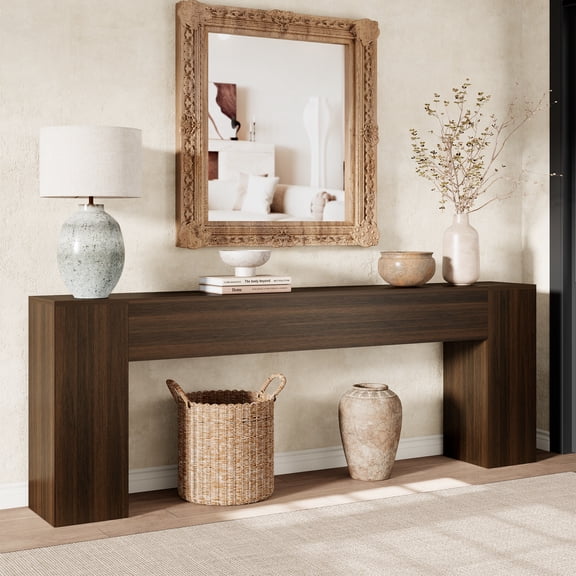


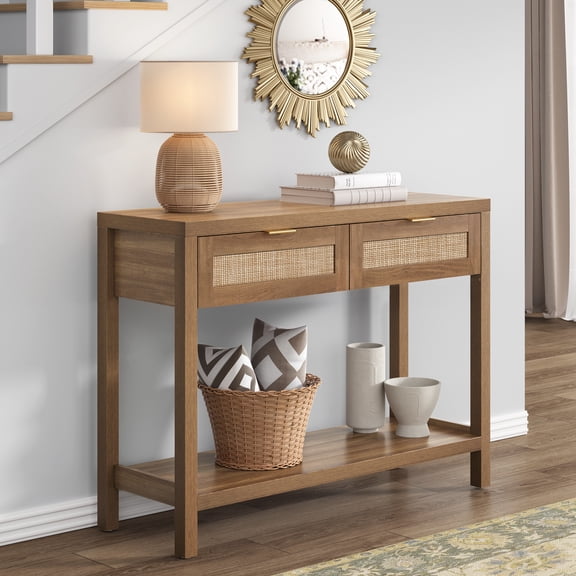


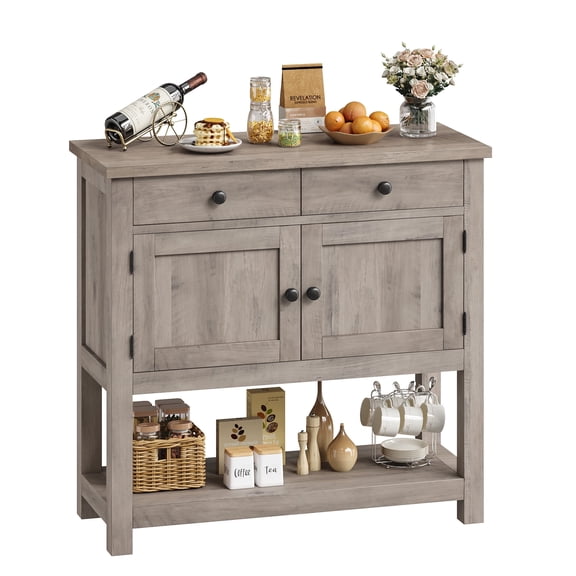


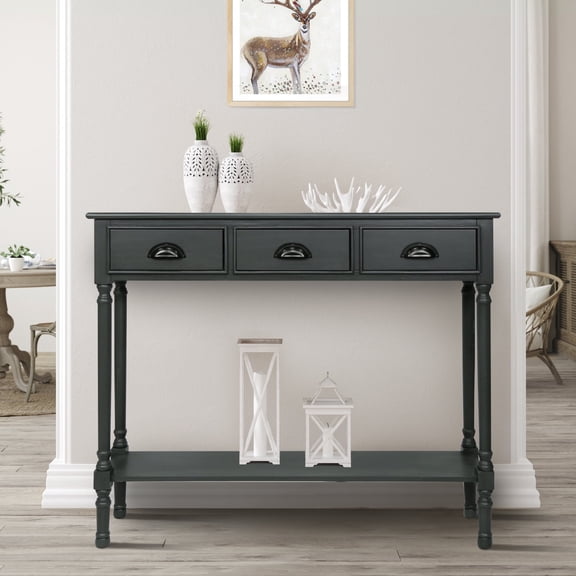



















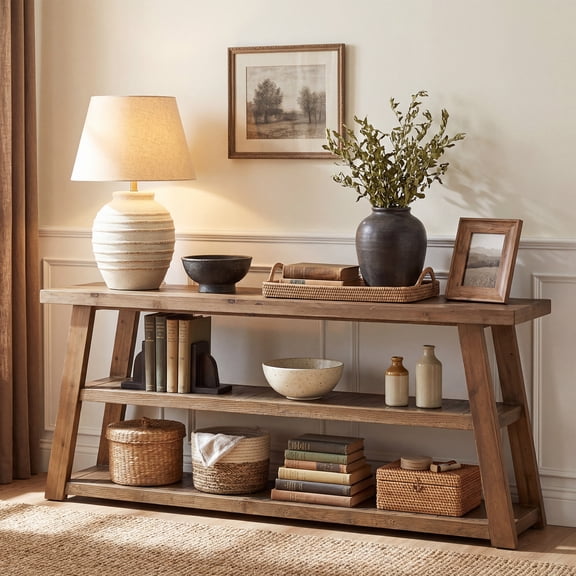
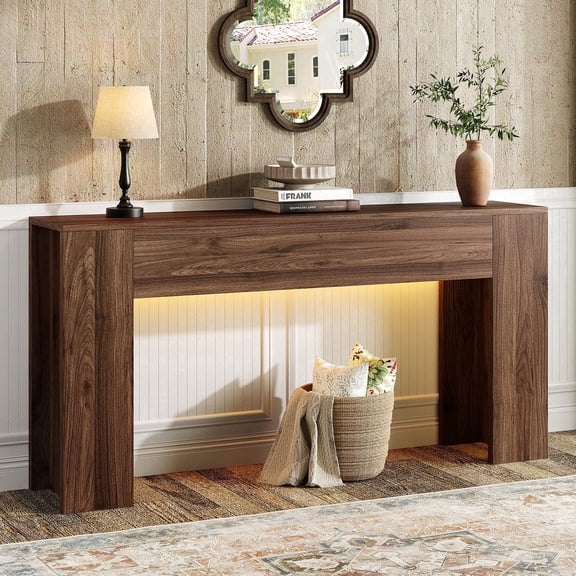


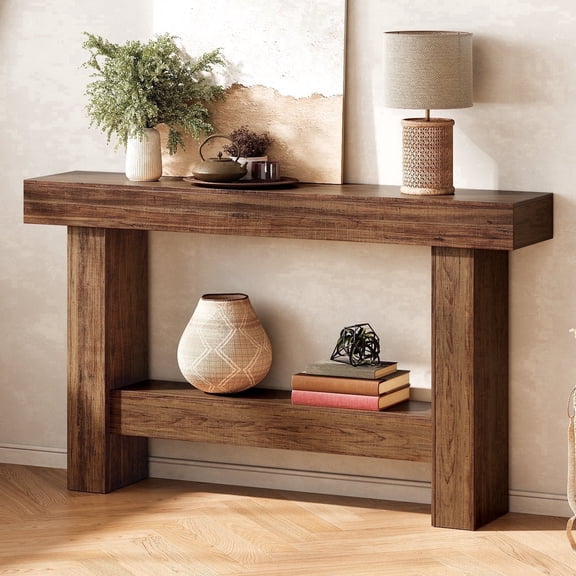


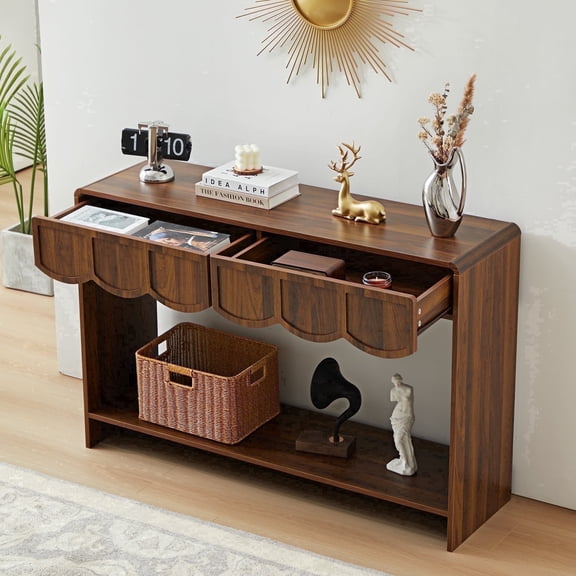






About Console Tables in Living Room Furniture - Walmart.com
Fitted sheets help you create a smoother bed when you compare pocket depth, fabric, and size. You can review fitted bed sheets at Walmart for everyday bedding setups, including cotton fitted sheets and deeper pocket options.
How to choose fitted sheets for your mattress
You should start with fit because your sheet needs to match your mattress height before you compare color or pattern. You can narrow options faster when you measure width, length, and total depth first.
When you compare fitted sheets, you should focus on pocket depth, material, bed size, and thread count. You can use these details to avoid bunching, corner lift, and extra fabric around your mattress.
- You can choose standard pockets for mattresses up to 12 inches deep.
- You can select deep pocket fitted sheets for mattresses around 14 to 16 inches deep.
- You can look for extra deep pockets for mattresses 18 inches and taller.
- You can match cotton, microfiber, rayon from bamboo, flannel, or sateen to your comfort preferences.
- You can pick twin, full, queen, king, or California king for the right fit.
If you use a mattress topper, you should measure the full height before choosing your sheet. You can get a secure fit when your pocket depth covers the mattress and topper together.
Choosing deep pocket fitted sheets by mattress depth
You should start with mattress depth because fit matters more than pattern when you want a smooth bed. You can avoid corner pop-off when your sheet pocket matches the inches from base to surface.
Standard fitted sheets usually work for mattresses up to 12 inches deep. Deep pocket fitted sheets usually suit mattresses from 14 to 16 inches, while extra deep styles fit 18 inches and above.
You may also want to check whether your sheet uses 360-degree elastic. You can usually get a steadier fit with all-around elastic, especially if you move often during sleep.
For a fitted sheet queen, accurate depth matters just as much as mattress length and width. You can improve fit on thicker queen mattresses by checking both size and pocket range.
Choosing cotton fitted sheets and other materials
You should compare fabric by how you want your bed to feel through the night. Cotton fitted sheets can feel breathable and familiar, while flannel can feel warmer during cooler months.
If you prefer a lighter feel, you may look at cotton or rayon from bamboo blends. If you want an easy-care option, you may prefer microfiber for a smooth feel and simple upkeep.
Sateen usually gives you a softer surface with a subtle sheen. Percale usually feels crisper and cooler, so you can choose based on the texture you prefer.
Cooling fitted sheets can make sense for warm rooms, summer bedding, or a lighter sleep setup. You can keep your bed seasonally focused by switching materials instead of replacing full bedding sets.
Choosing bed size and fitted sheet dimensions
You should confirm your bed size before you compare colors, patterns, or fabric finishes. You can narrow your search quickly when you know whether you need twin, full, queen, king, or California king.
A twin fitted sheet can work well for kids’ rooms, guest rooms, or dorm-style setups. A double fitted sheet, which manufacturers often list as full, gives you extra width for solo sleepers.
If you need a highly common household size, a fitted sheet queen is often the first place to look. You can also choose king and California king sizes when you need more sleeping space or a longer mattress shape.
You should check product dimensions because labeled sizes can still vary slightly by brand. You can get a smoother result when you compare mattress measurements with the listed sheet dimensions.
Choosing thread count, weave, and everyday feel
You should treat thread count as one decision point, not the only one. A 200 TC sheet can feel light and crisp, while 400 TC can feel denser and smoother.
If you want a fuller hand feel, you may compare 600 TC or 800 plus TC options. You should also check the material and weave, because those details shape softness, warmth, and durability.
Percale weave often suits you when you want a crisp finish and breathable comfort. Sateen weave often suits you when you want a smoother surface and a slightly warmer feel.
You can use thread count as a guide, but you shouldn’t ignore fabric type and pocket construction. You can usually get useful results when you compare all three together.
How to match fitted sheets to your household needs
You might want cotton fitted sheets for a primary bedroom where breathability and a familiar feel are key priorities. You can pair deeper pockets with pillow-top mattresses when you need a secure hold.
For guest rooms, you may want microfiber or cotton blends that feel easy to wash and quick to remake. You can keep spare fitted bed sheets on hand when you rotate bedding between visits.
If you’re setting up a child’s room, you may prefer a twin fitted sheet with all-around elastic for a snug fit. You can make bedtime setup simpler when corners stay in place after active use.
For taller mattresses, you should focus on deep pocket fitted sheets or extra deep options first. You can avoid constant readjusting when your sheet matches the height you actually use.
You can also switch materials by season instead of changing your full bed setup. Flannel can suit cooler weather, while cooling fitted sheets or cotton can support a lighter warm-weather feel.
When you compare fitted sheets with clear size, depth, and fabric details, you can choose with more confidence. You can end up with bedding that fits your mattress cleanly and feels right night after night.