

Colored Sheets in Bed Sheets & Pillowcases



















































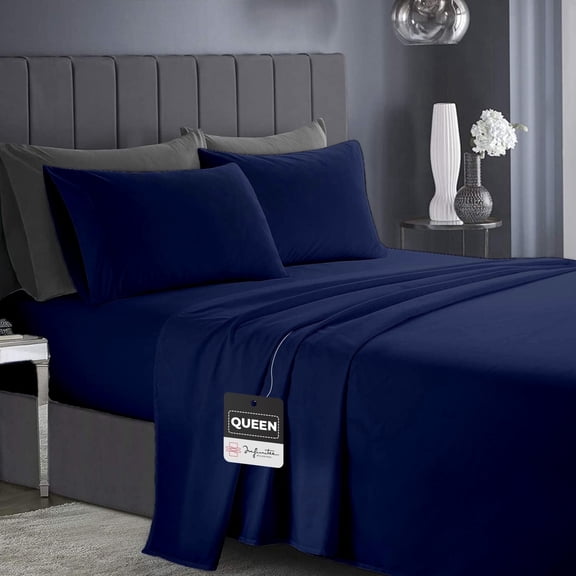


About Colored Sheets in Bed Sheets & Pillowcases - Walmart.com
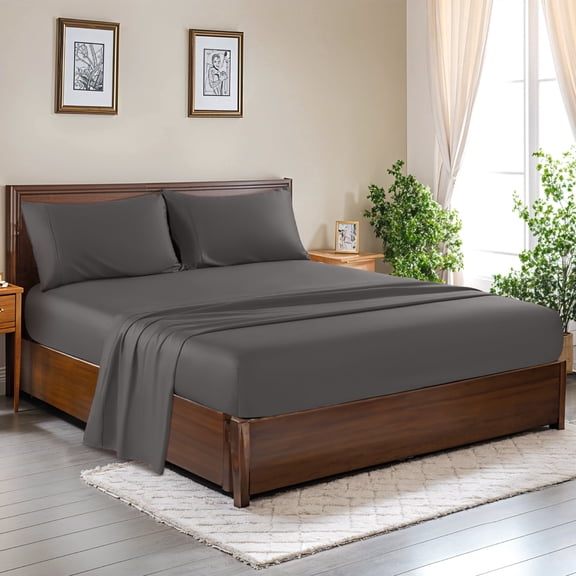
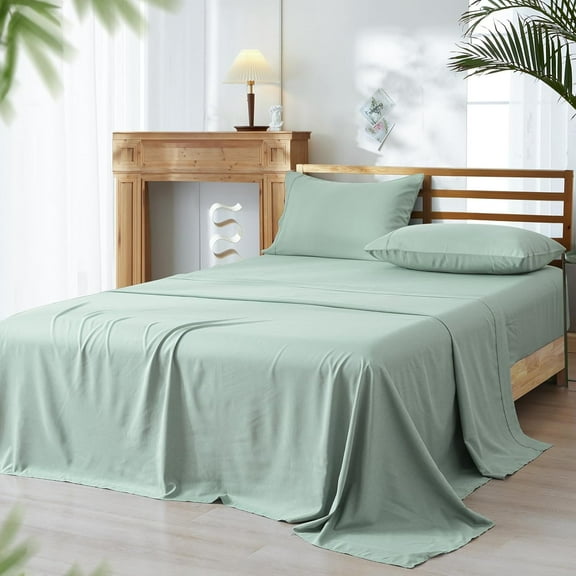
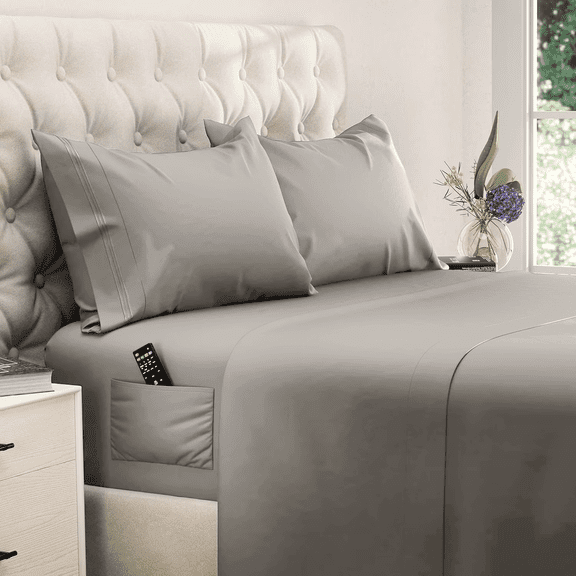
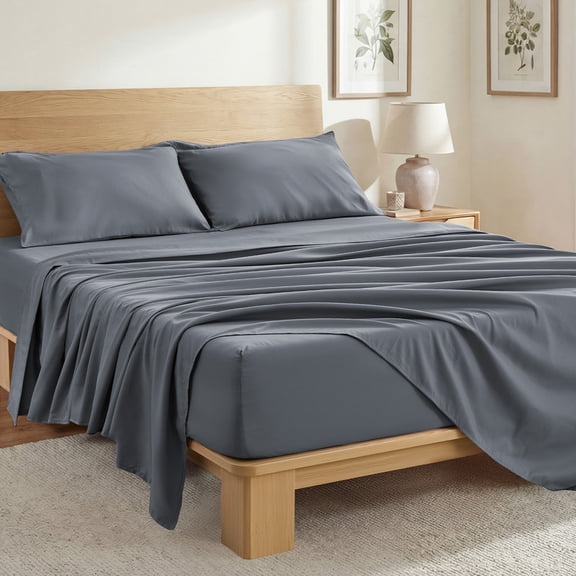
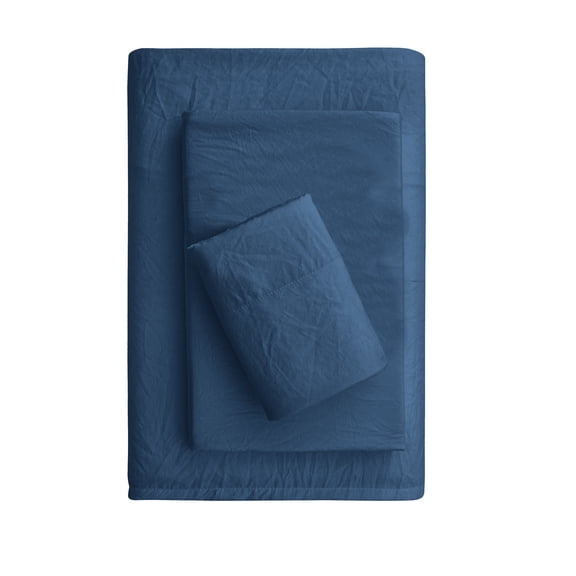
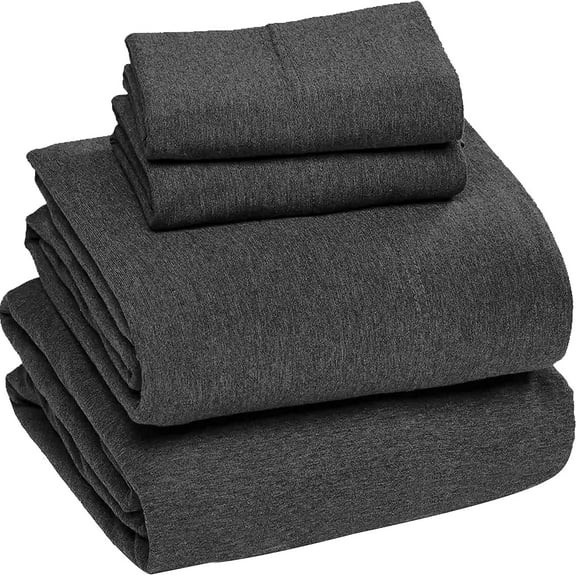
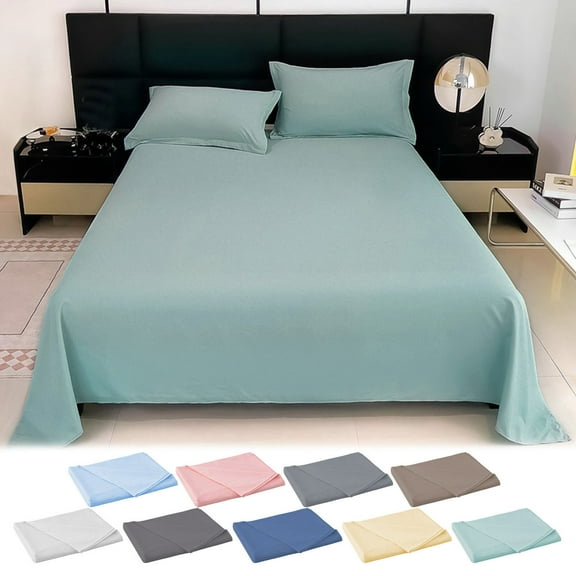
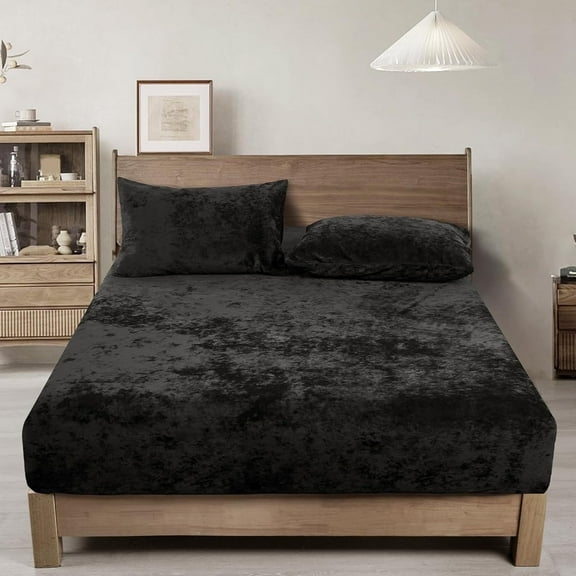
Colored sheets help you refresh your bedroom with visible color, easy coordination, and practical size options. You can compare shades, materials, and set pieces to match your bed and your daily routine.
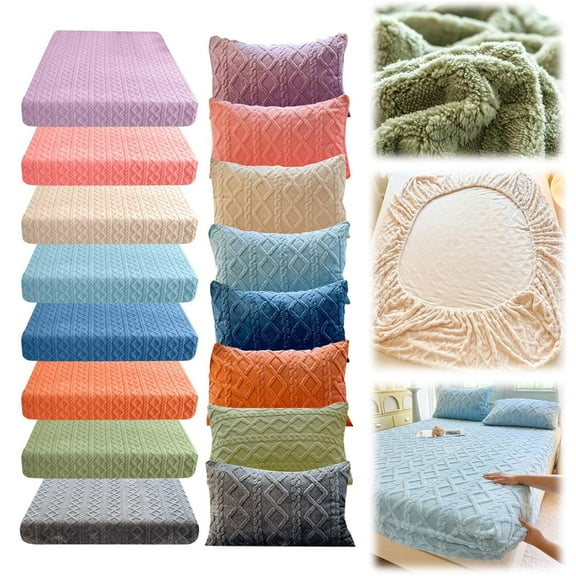
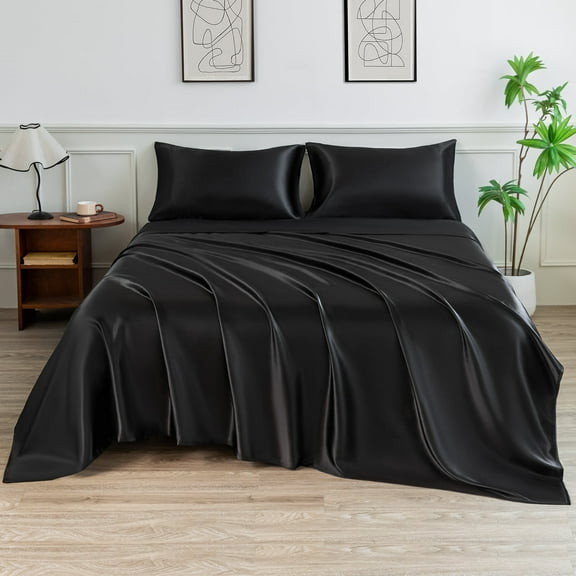
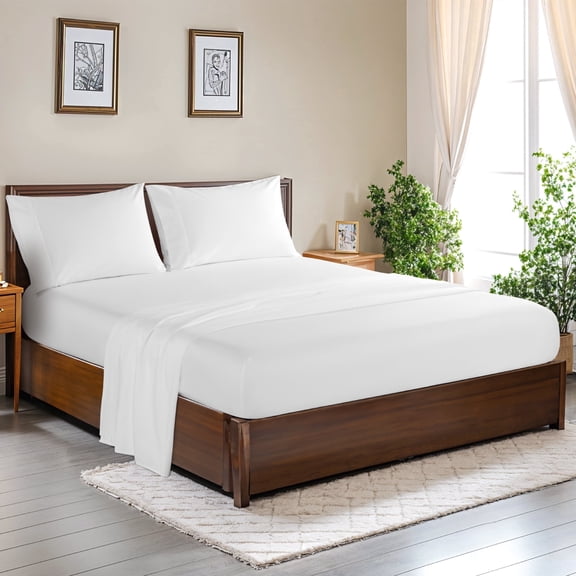
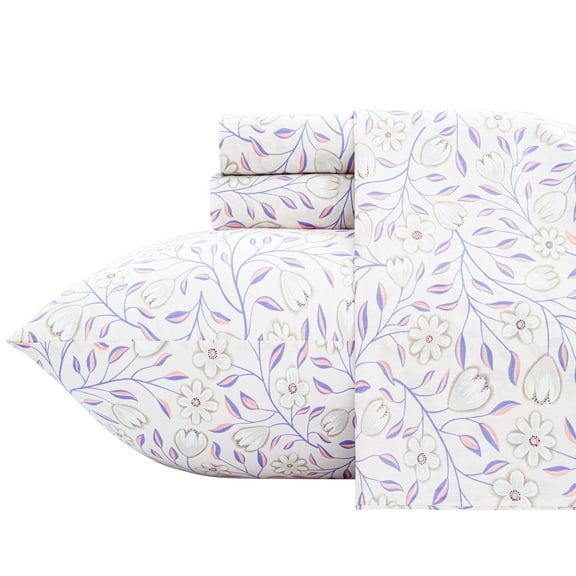
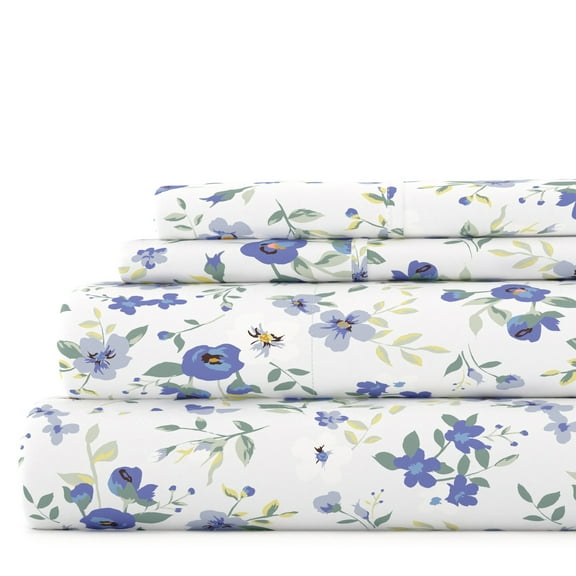
You may want solid colored bed sheets for a clean look, or you may prefer colorful sheets for a bolder setup. You can also compare light colored sheets and darker tones based on your room, your lighting, and your laundry habits.
How to choose colored sheets for your room
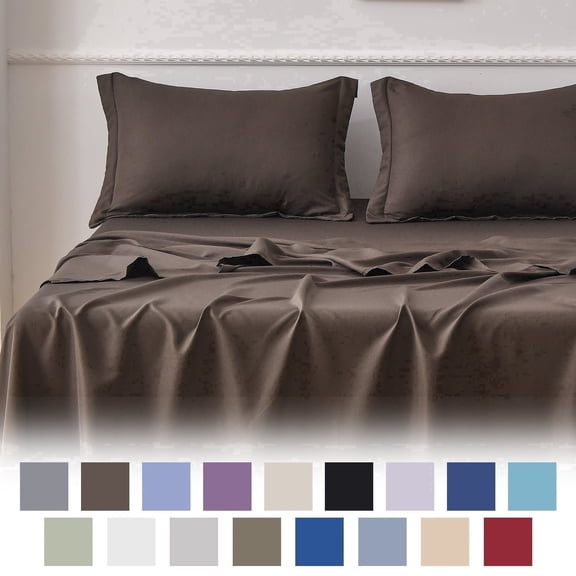
You should start with the color effect you want across your bed, pillows, and nearby decor. You can use sheets colors to echo a comforter, soften a patterned duvet, or add contrast to neutral furniture.
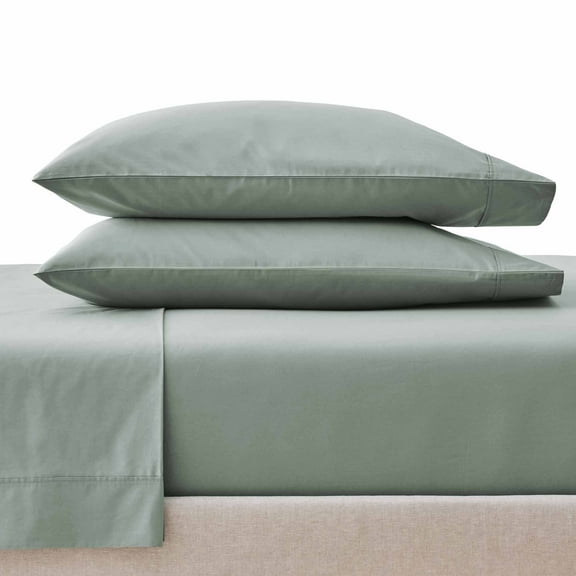
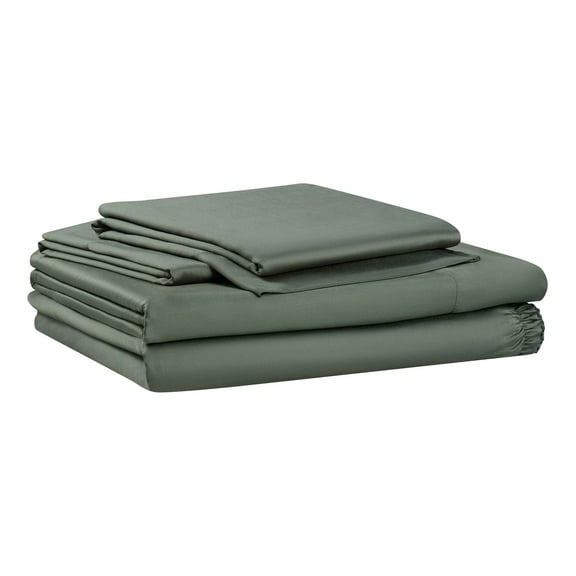
If you want a simple, versatile look, you may lean toward solid color sheets in white-adjacent pastels, blues, greens, or grays. If you want more visual energy, you can choose bright shades or multi-color designs.
You can also think about tone before you pick a specific hue for your bed. Light color bed sheets often create an airy look, while darker shades can add depth and hide everyday lint.
- You can use solid styles when you want easy matching with printed comforters or patterned pillow shams.
- You can choose bright or pastel tones when you want your bedding to shape the mood of your room.
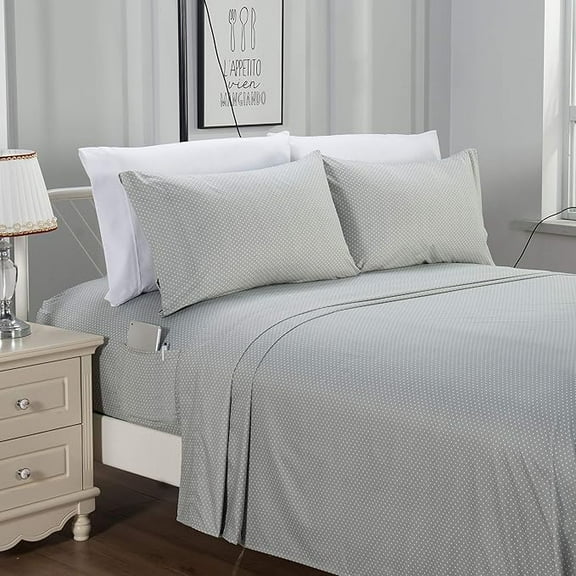
- You can compare sheet set options when you want flat sheets, fitted sheets, and pillowcases in one coordinated purchase.
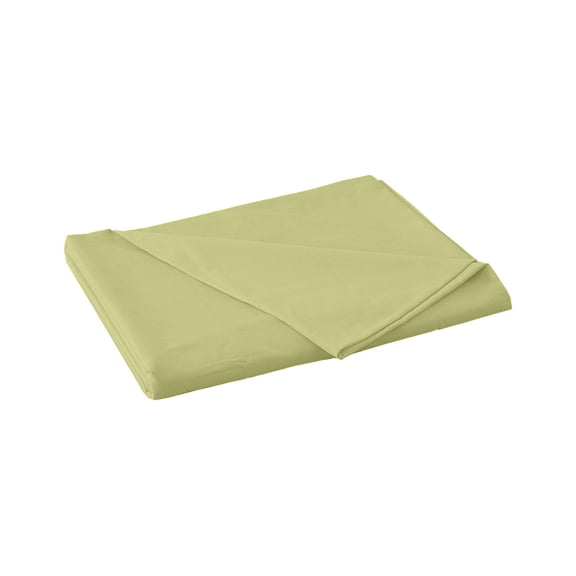
- You can pick fitted sheet only or flat sheet only options when you want to replace one piece without changing everything.
Choosing color bed sheets by material and feel
You should compare fabric first if you care about breathability, warmth, and surface feel. Cotton, microfiber, rayon from bamboo, and linen each change how your colored bed sheets feel night after night.
If you prefer a crisp finish, you may look for cotton percale and check thread count as a softness clue. You may notice percale feels cooler and lighter, which can suit warm sleepers.
If you want a smoother hand, you may compare sateen cotton and moderate thread counts. You may notice sateen feels silkier, while percale feels more matte and structured.
Microfiber can work well when you want an easy-care option with a softer, warmer feel. You may like it for guest rooms, kids’ rooms, or spaces where you wash bedding often.
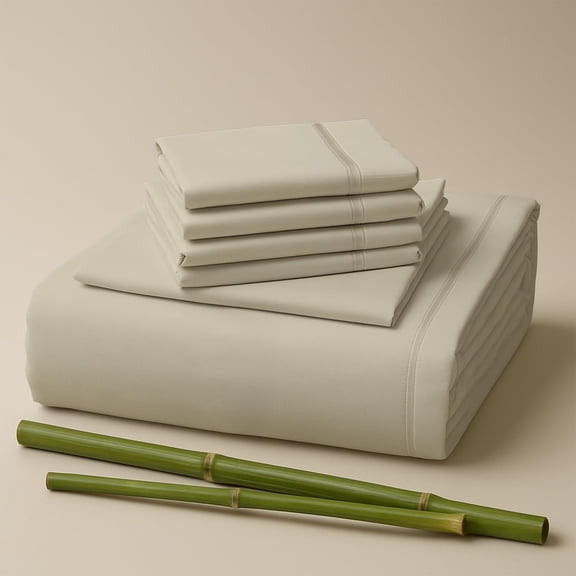
Rayon from bamboo and linen can also shape your decision when texture matters to you. You may choose rayon from bamboo for a smooth drape, or you may choose linen for a more relaxed finish.
You should also check whether the manufacturer designs the fabric and dye for repeated washing performance. That detail helps you judge colorfastness, so your colored sheets keep their look through regular care.
What to look for in colored sheet sets
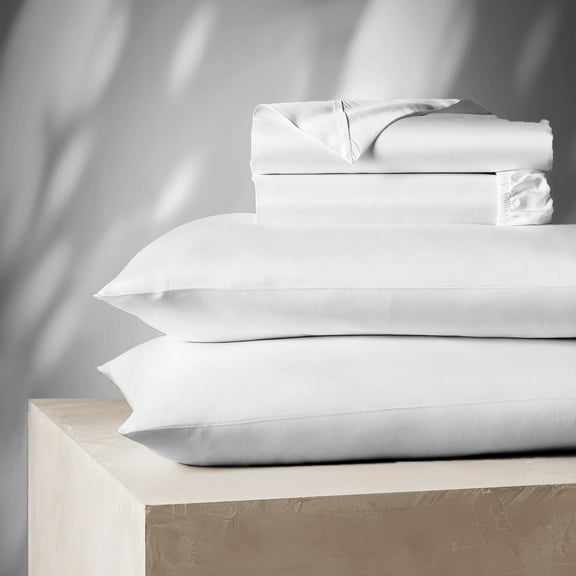
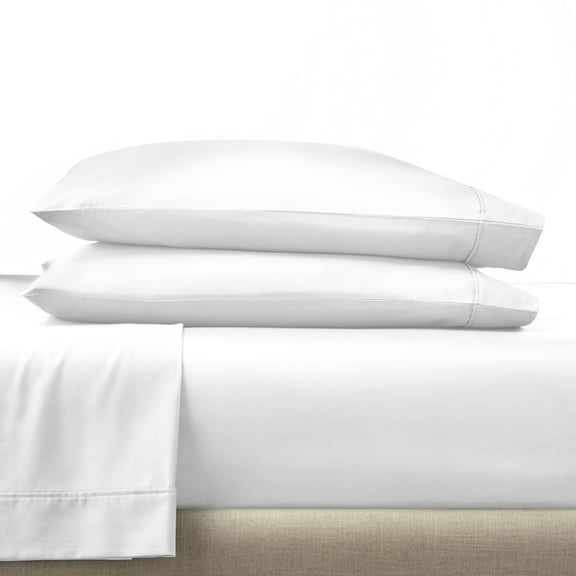
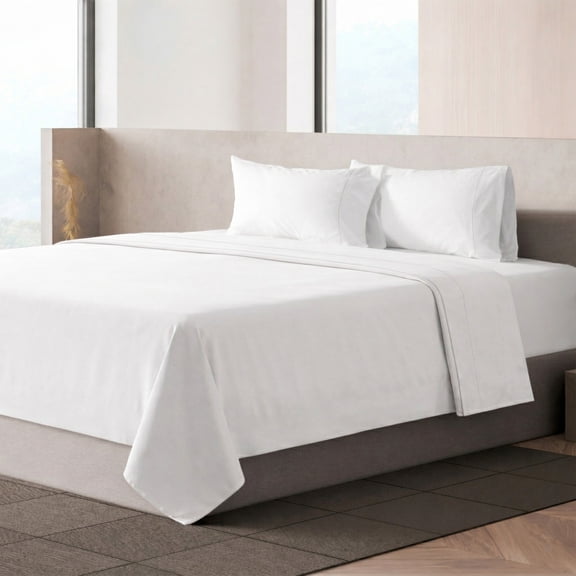
You should confirm what comes in the package before you choose colored sheet sets. A sheet set often includes a fitted sheet, a flat sheet, and pillowcases, but counts can vary by size.
If you only need one replacement piece, you can compare fitted sheet only and flat sheet only listings. That approach helps you match your existing bedding without replacing a full set.
You can also measure your mattress height before you pick a fitted sheet. Pocket depth in inches matters because a deeper pocket can help your sheet stay in place.
If your mattress includes a topper, you should add that height before you compare fitment details. You may find deeper mattresses need extra depth to avoid corner pop-off during the night.
You can also match size labels carefully across twin, full, queen, and king beds. That step matters when you want your flat sheet drape and your pillowcase count to feel consistent.
Comparing colorful sheets for daily use
You may shop colorful sheets for a main bedroom, a dorm, a guest room, or a child’s room. Each setting can change which shades, fabrics, and configurations suit your needs.
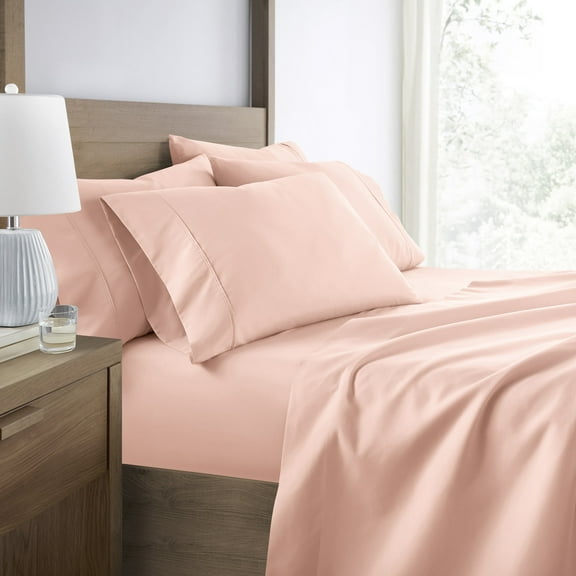
If you’re styling a calm room, you may choose light colored sheets with soft blues, blush tones, or muted greens. Those shades can pair easily with wood furniture and neutral blankets.
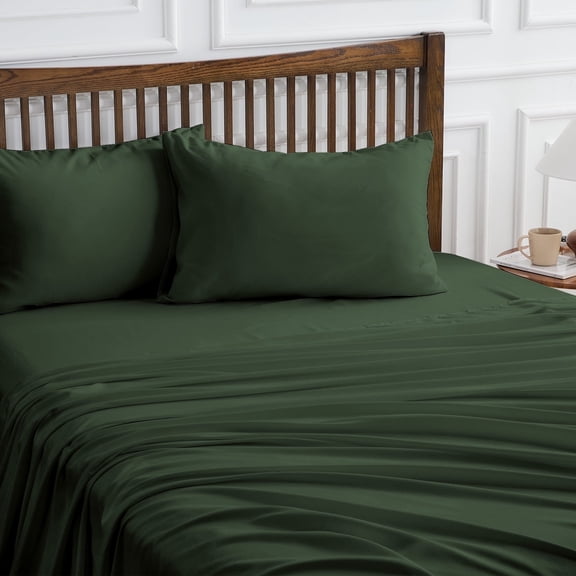
If you want a stronger contrast, you can use dark navy, charcoal, burgundy, or saturated jewel tones. Those options can anchor a room and complement metal frames or solid duvets.
You may also want solid color sheets when you switch comforters by season. A solid sheet layer can bridge summer quilts, winter blankets, and decorative pillow changes without clashing.
For busy households, you can focus on care details that support repeated washing and consistent appearance. You may also keep an eye on product notes related to color changing bed sheets if that novelty style interests you.
You can build a coordinated bed more easily when your sheets align with pillowcases, duvet covers, and comforters. That planning helps your room look intentional, even when you mix textures or tones.
How sheets colors support a finished bedroom look
You can use colored sheets as a base layer that shapes the whole bed from the mattress up. That makes shade, material, and set configuration practical decisions, not just style choices.
When you compare color type, tone, material, and fitment together, you can narrow options with less guesswork. You can end up with bedding that fits your mattress, suits your room, and keeps its color story consistent.