Baby Formula & Baby Feeding Accessories | Walmart

Baby must-haves in as fast as an hour*

Diapers & more, when you need it.

Shop now
From $1.50 pricing badge. bettergoods organic mango and kiwi puree and organic overnight oats on a wooden table with kid-friendly spoon.

New bettergoods for babies & toddlers

Shop now
From
$
1
50

Now in stores!

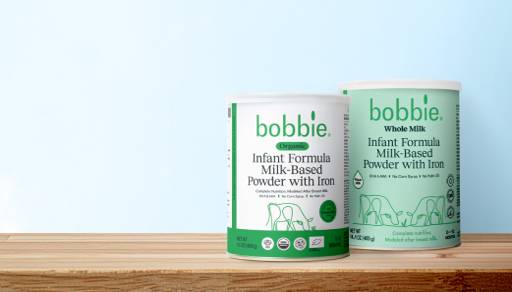
Get Bobbie in as fast as 1 hour*

Shop now
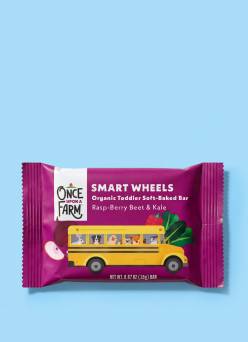
Once Upon a Farm Smart Wheels soft-baked bar in a purple wrapper with a school bus.

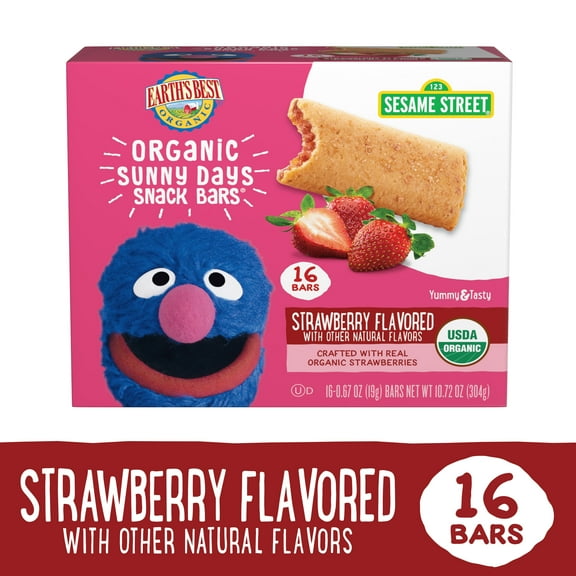
Snacks your minis love

Shop now
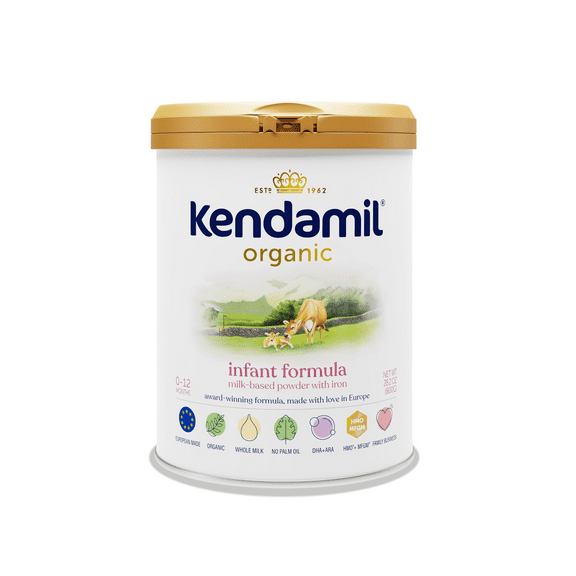
Can of Kendamil Organic infant formula against a yellow background.

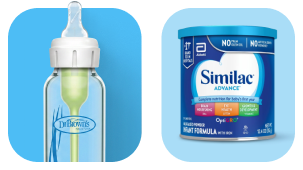
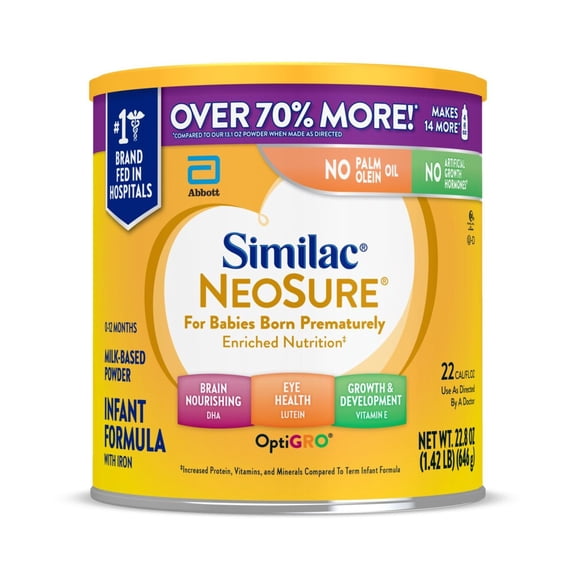
Stock up on baby formula

Shop now
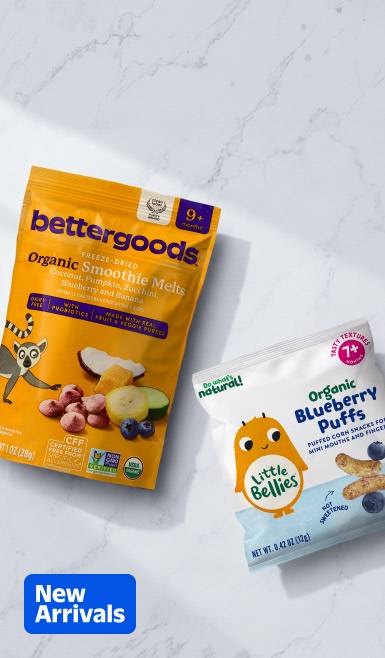
bettergoods organic smoothie melts and Little Bellies organic blueberry puffs.

The latest bites for little ones

Shop now

Shop by category

Perfect for new moms

Combo-feeding favorites

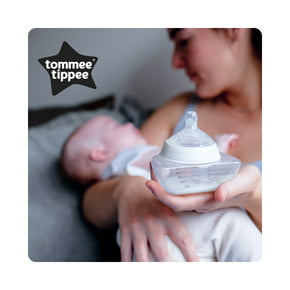
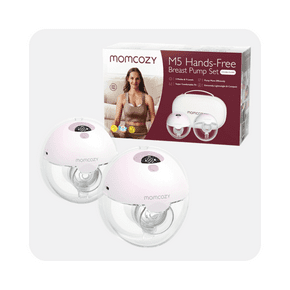
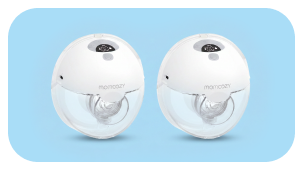
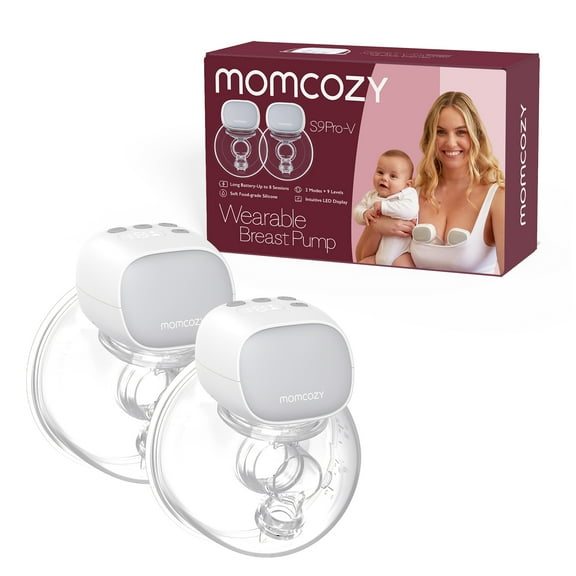
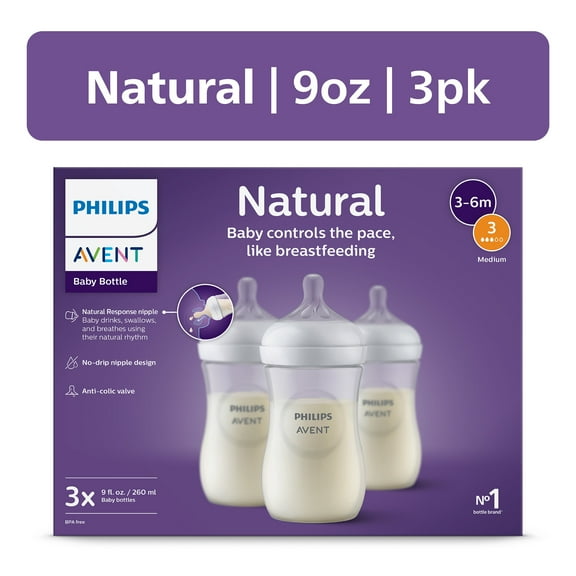
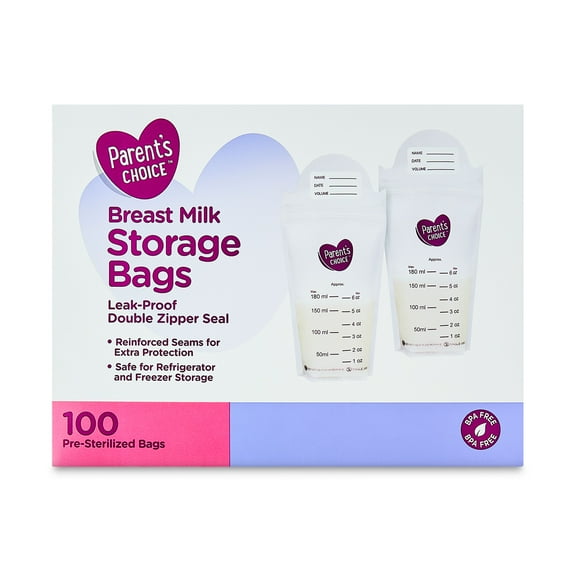
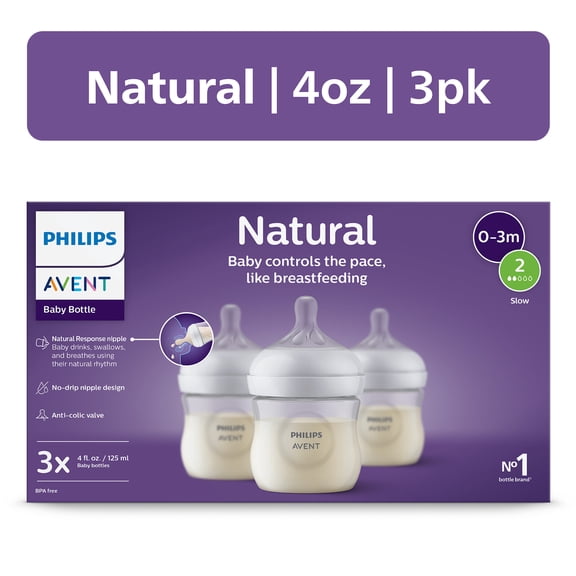
Bottles, pumps & more for any parenting journey.

Shop now

Combo-feeding favorites

Shop all

Toddler drinks & food

Shop now
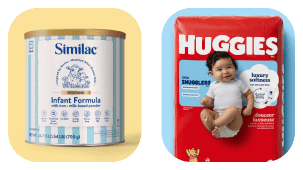
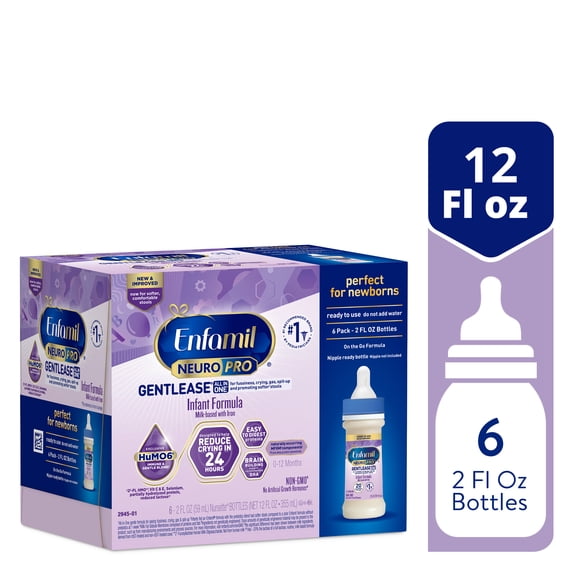
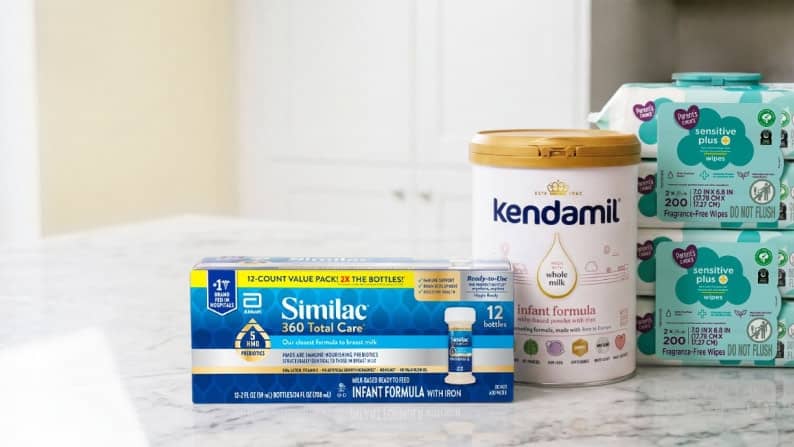
A variety of bulk baby supplies including a 12-pack of Similac liquid formula bottles, Kendamil infant formula, and packs of sensitive wipes.

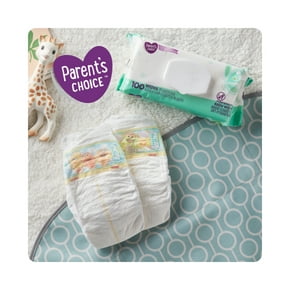
Stock up on diapers & more

Big packs, bigger savings

Shop now

Bulk baby supplies

Keep their essentials on hand.

View all

FAQ

What does "feeding" mean on this page?

On this page, “feeding” refers to baby and toddler mealtime essentials available at Walmart. You’ll find items that support bottle- and cup-feeding, first foods, and everyday meals.

  • Gear: bottles, nipples, sippy and straw cups, bowls, plates, utensils, bibs, high chairs, and booster seats.
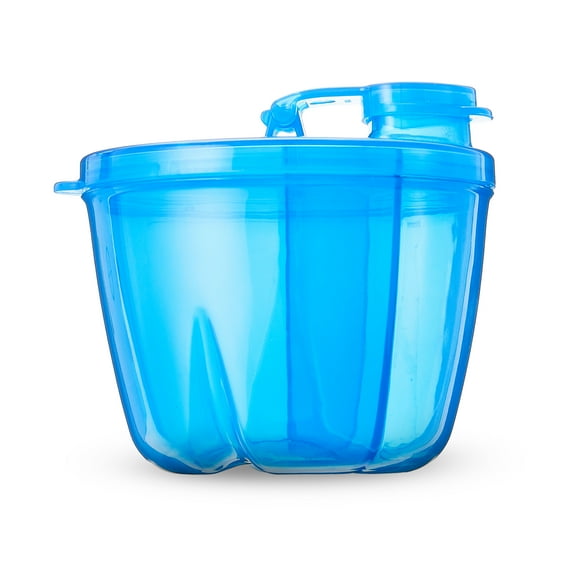
  • Prep and storage: formula accessories, snack containers, food storage, and freezer trays.
  • Cleaning: brushes, drying racks, and sterilizing accessories as labeled.

To shop efficiently, filter by capacity, material, stage, and care instructions. Many items are eligible for pickup and delivery, which can help you restock quickly. Always review product descriptions and the manufacturer’s care guidance to choose what fits your routine.

What are feeding details on a product?

“Feeding details” generally means the key specs that help you choose baby mealtime items with confidence.

  • Capacity and measurements (ounces, milliliters) and markings.
  • Material and care (hand-wash vs. top-rack dishwasher, sterilization guidance as listed).
  • Stage and flow indicators (age range, nipple flow level, or spout style).
  • What’s included (number of pieces, valves, lids).
  • Compatibility notes (replacement parts or sets from the same line).

You’ll usually find this info in the product description, images, and “Specifications” section. For the safest fit and use, compare details across items and read the manufacturer’s instructions. Customer reviews and Q&A can also provide helpful real‑world context.

Which veggies are good first baby purees?

Many families start with single‑ingredient, smooth purees so it’s easier to spot preferences and sensitivities.

  • Vegetables often used first include carrots, sweet potato, squash, peas, and green beans.
  • Introduce one new veggie at a time and allow a few days before trying another.
  • Focus on texture: very smooth at first, then gradually thicker as readiness improves.
  • Use small spoons, bibs, and portioned storage to simplify prep and serving.

Every child is different, and timing for starting solids can vary. It’s a good idea to check with your pediatrician about when and how to begin. Always follow product and food safety guidance for preparation, storage, and feeding.

How do I pick a bottle size?

Size is mostly about how much your child typically drinks at one time and how you like to prep and carry meals.

  • Smaller bottles can be handy for frequent, smaller feeds and on‑the‑go use.
  • Larger bottles offer room for bigger feeds or growth spurts.
  • Check measurement markings for accuracy and ease of reading.
  • Verify care directions (dishwasher, sterilization) and compatibility with your existing nipples or pumps.
  • Trying a small set first can help you see what fits your routine.

Filters on the page can narrow options by capacity and features. Pickup and delivery services can make it easier to test different sizes without extra trips.

How should I clean bottles and cups?

Regular cleaning helps keep feeding gear ready for everyday use.

  1. Disassemble bottles, cups, and valves per the instructions.
  2. Wash with warm, soapy water using a dedicated brush; rinse well.
  3. If labeled dishwasher‑safe, place pieces on the top rack.
  4. Sanitize as recommended by the manufacturer, such as before first use.
  5. Air‑dry completely on a clean rack and store when dry.
  • Inspect nipples, valves, and seals for wear and replace as needed.
  • Avoid harsh abrasives that could damage measurement markings.

Care guidance varies by product, so always follow the item’s instructions. Pickup and delivery can help you restock brushes, drying mats, and replacement parts when needed.

About Baby Formula & Baby Feeding Accessories | Walmart - Walmart.com

Baby formula and baby feeding accessories help you plan each stage with less guesswork. You can compare formula stages, bottle options, and mealtime tools in one place.

As you prepare for a newborn or support a growing child, you need choices that match age, feeding style, and routine. You can also find baby eating supplies that fit bottle feeding, early solids, and self-feeding.

How to choose baby formula by stage

You should start with formula stage, because age and feeding routine guide your decision. You can compare Stage one, Stage two, Stage three, and toddler transition options more clearly.

If you’re planning ahead, Stage one options fit early feeding needs from birth through the first months. As your child grows, you can move to later stages that align with changing routines.

You may also compare dietary preferences like organic, sensitive or gentle, hypoallergenic, soy-based, and non-GMO options. Your choice often depends on ingredients, format, and the feeding plan you follow.

  • You can narrow formula choices by age range and daily routine.
  • You can compare dietary preference options without losing sight of stage needs.
  • You can keep feeding supplies organized by matching formula with bottles and storage items.
  • You can prepare for baby arrival with newborn feeding supplies and formula in one category.

Choosing the right baby feeding accessories

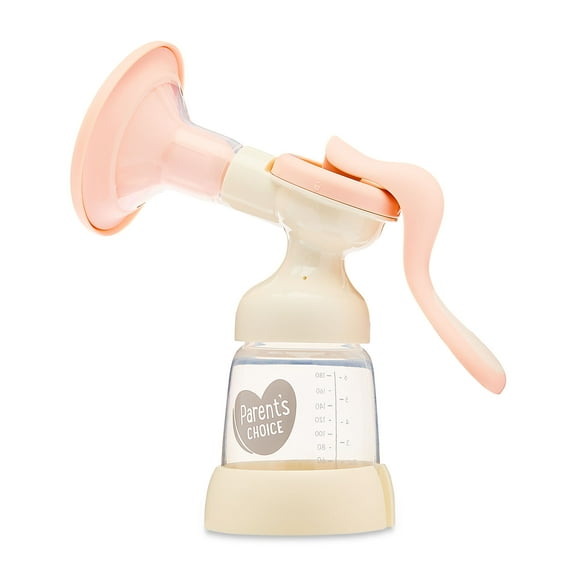
You should look at feeding type next, because breastfeeding, bottle feeding, solids, and self-feeding need different tools. Your routine may call for pump accessories, bottles, bibs, bowls, or toddler cups.

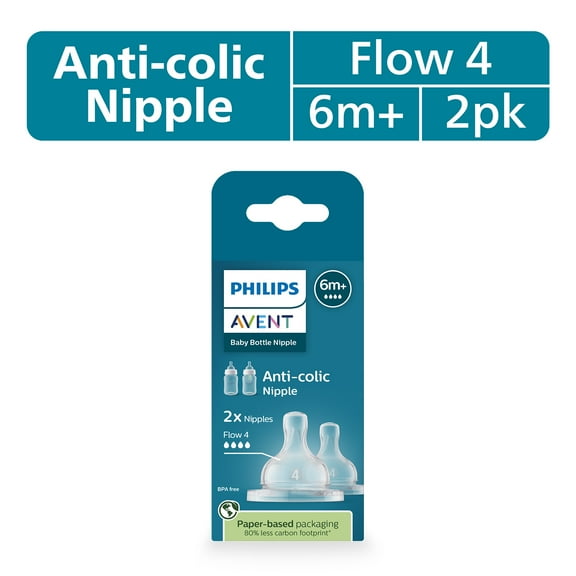
For bottle feeding, you can compare bottle sizes, nipple shapes, and flow rates. You may look for slow flow, medium flow, or Y-cut nipples based on your child’s feeding pace.

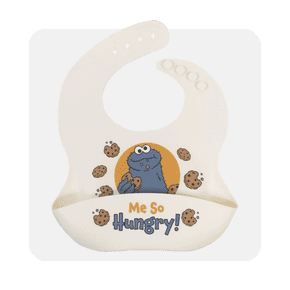
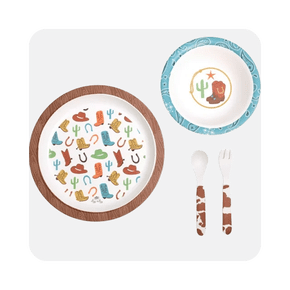
As solids begin, you can add baby feeding accessories like suction bowls, soft-tip spoons, and easy-clean bibs. Your setup may also include plates, utensils, and high chairs for seated meals.

When self-feeding starts, you can choose baby eating essentials designed for little hands and simple cleanup. Your child feeding products may include divided plates, training cups, and short-handled utensils.

What to look for in bottles and materials

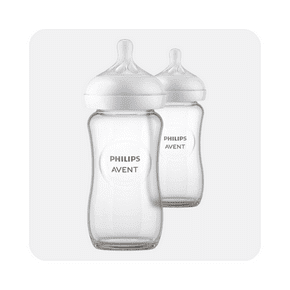
You should compare bottle material carefully, because feel, weight, and cleanup can shape your routine. You can find glass, BPA-free plastic, silicone, and stainless steel options for different preferences.

If you want a clear view of ounces, you may prefer tempered glass or lightweight plastic. If you want a soft grip, you may lean toward silicone bottles or silicone sleeves.

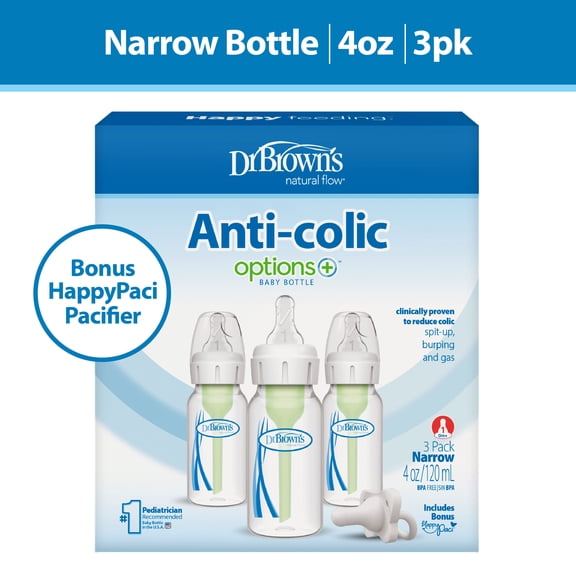
You can also choose smaller bottles for early feeds and larger sizes for growing appetites. Your bottle choice should match nipple flow rate, travel habits, and dishwasher preferences.

For daily use, you may compare vent styles, wide-neck openings, and compatibility with bottle brushes or drying racks. You can make cleanup easier when your accessories work together.

Infant feeding supplies for every stage

You can build infant feeding supplies around everyday moments instead of buying items that overlap. Your newborn setup may center on formula, small bottles, burp cloths, and storage containers.

During the infant months, you may add medium flow nipples, larger bottles, and feeding tools for mixed routines. Your feeding station can also include drying mats, bottle brushes, and sterilizer-compatible items.

When your child starts solids, you can shift toward bowls, bibs, spoons, and snack containers. Your high chair accessories, splash mats, and training cups can support regular mealtime practice.

As independence grows, you can compare baby eating supplies made for gripping, scooping, and sipping. Your child may use handled cups, divided plates, and utensils sized for self-feeding.

How to match baby eating supplies to real routines

If you’re building a registry, you can combine newborn formula and feeding supplies before baby arrives. Your list may include Stage one formula, slow flow bottles, bibs, and bottle-cleaning tools.

If you’re balancing breastfeeding and bottle feeding, you can compare compact bottles and storage-friendly accessories. Your routine may work well with small feeding bottles and clearly marked measurements.

When you’re introducing purees, you can choose soft spoons, suction bowls, and wipe-clean bibs. Your transition to solids feels simpler when each piece supports seated, less messy meals.

If your child is practicing self-feeding, you can look for sippy cups, divided plates, and short utensils. Your mealtime setup can feel more manageable when pieces match your child’s stage and grip.

Baby feeding accessories and eating essentials that fit your plan

You can compare baby feeding accessories, infant feeding supplies, and baby formula without jumping between categories. Your decisions become easier when stage, feeding type, material, and accessory needs are all clear.

With the right mix of formula, bottles, and mealtime tools, you can keep feeding routines steady from newborn days through toddler transition. Your setup supports smoother prep, cleaner meals, and easier everyday organization.

Related Links