


Find auto parts that fit
Let’s search for parts that fit your vehicle.
ATV Drivetrain Parts and Accessories

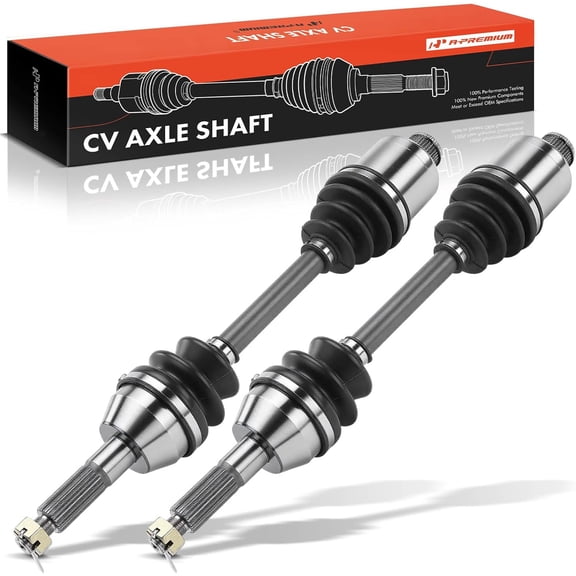

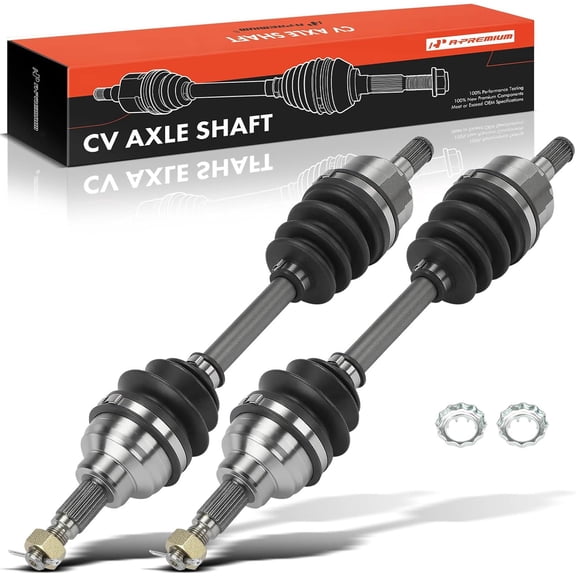


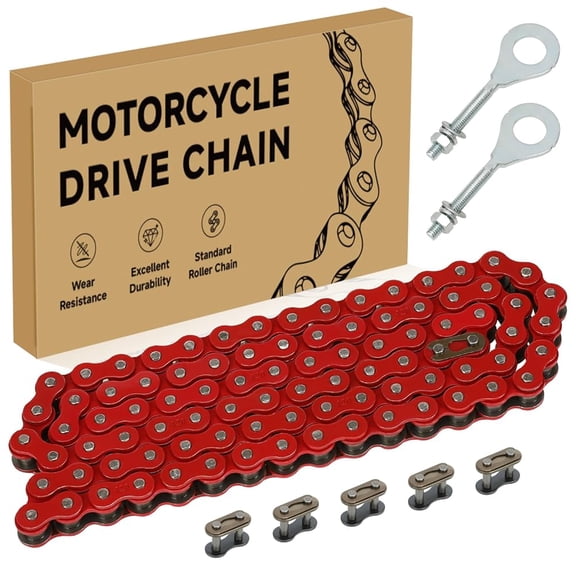
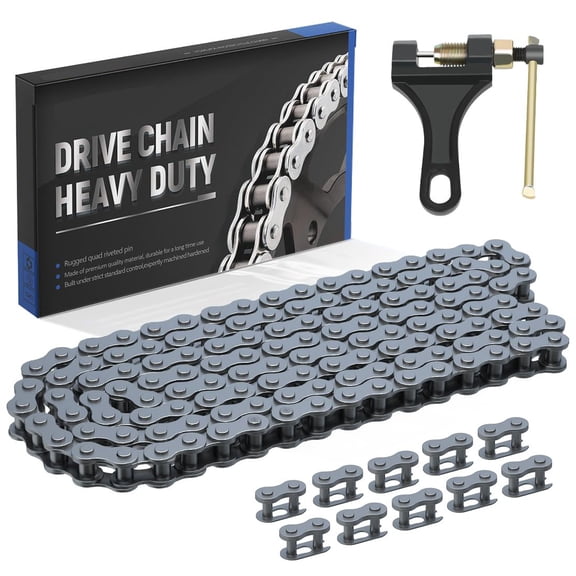













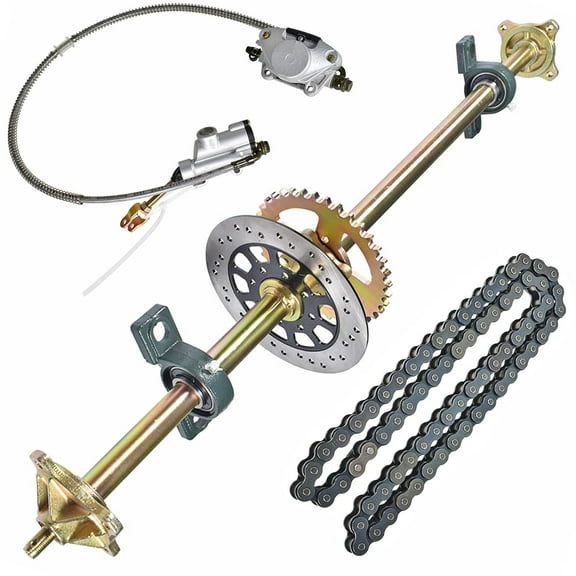
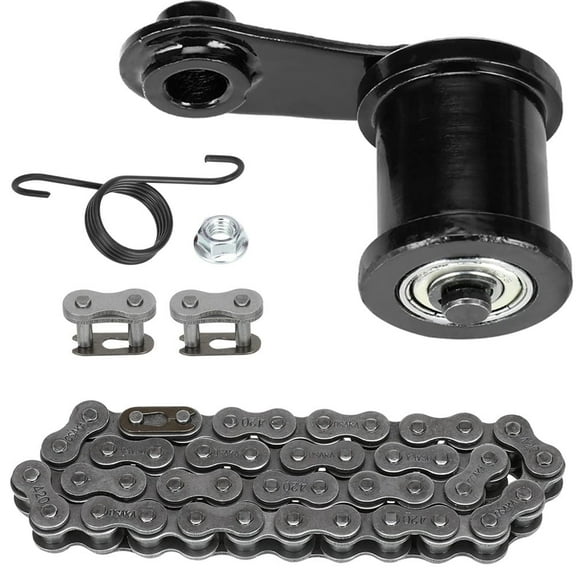

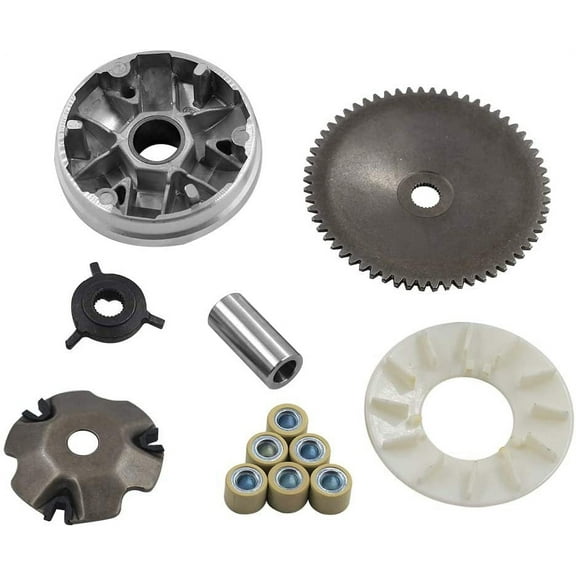


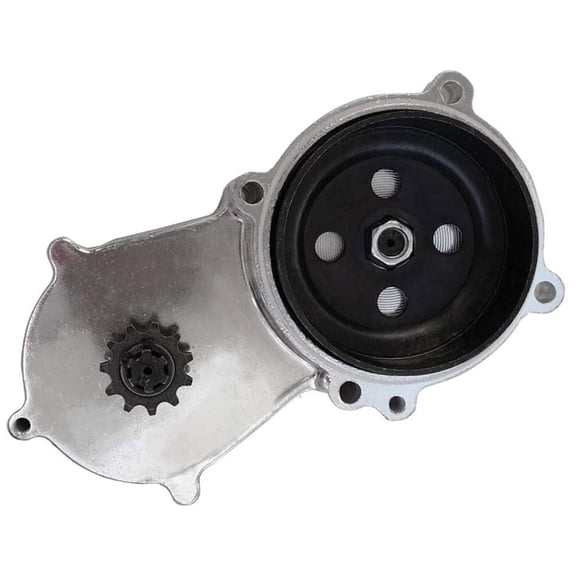
About ATV Drivetrain Parts and Accessories - Walmart.com
Your atv drivetrain choice affects how smoothly you transfer power, handle terrain, and match replacement parts to your machine. You need category guidance that covers axles, drive belts, clutches, chains, and CV joints with fitment details that matter.
How to choose atv drivetrain components
When you compare atv drivetrain parts, you should start with component type and your machine's exact fitment. You can narrow choices faster when you match year, make, model, and drivetrain layout first.
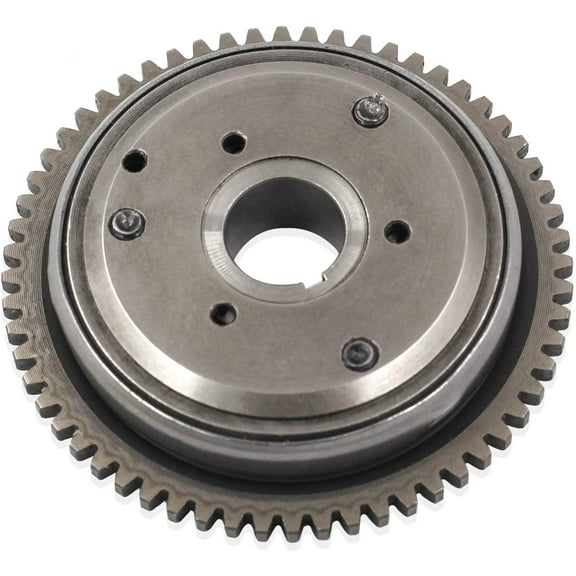
You'll usually shop axles when you need wheel-end power transfer and articulation over uneven ground. You'll focus on drive belts, clutches, and chains when you want smooth engagement, consistent response, and dependable power delivery.
If you ride often, you may compare these common component needs before you choose. You can use this checklist to keep your decision practical and organized.
- You should confirm year, make, and model before comparing sizes or materials.
- You should check spline count because your replacement needs to match your hub and differential setup.
- You can compare riding style, since mudding and racing create different drivetrain demands.
- You should review direct replacement notes if you want simpler installation.
Choosing component type and fitment
You should treat fitment as your first decision because ATV drivetrains vary across brands and model years. You can avoid guesswork when you verify year, make, model, and any listed compatibility notes.
If you ride Polaris, Honda, Can-Am, Yamaha, or Arctic Cat models, you should still check each listing carefully. You can't assume one axle or clutch fits every machine from the same brand.
You may also need to confirm spline count because that detail affects how parts connect and transfer power. You should compare count, length, and mounting points when you want a direct OEM-style replacement.
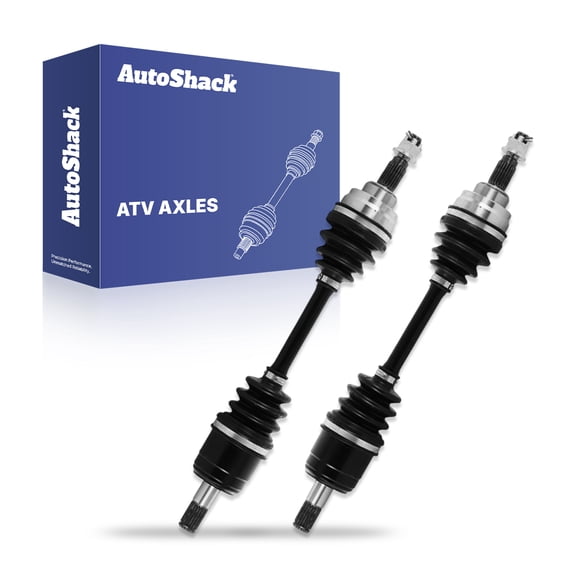
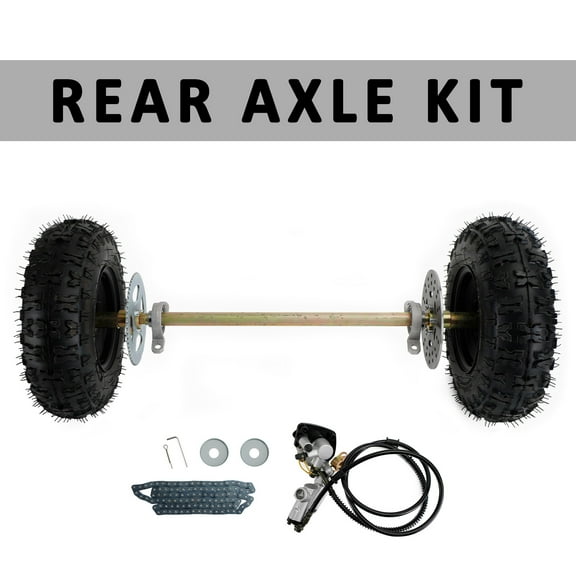
When you shop ATV axles, you should look for fitment details tied to the front or rear position. You should also confirm whether your setup uses independent suspension, because that changes axle geometry.
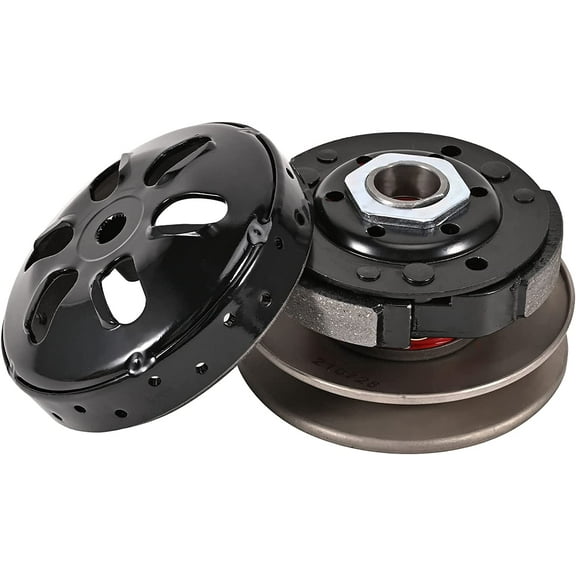
If you need ATV clutches or ATV drive belts, you should match the part to your transmission system. You can reduce installation surprises when you review model-specific notes before ordering.
Comparing materials and drivetrain construction
You should compare materials because construction affects how your quad drivetrain replacements hold up under repeated load. You may notice heavy-duty steel and chromoly steel options when you need added strength for demanding riding.
If you ride rocky trails or carry gear, you may prefer stronger axle materials for repeated torque transfer. You can look at chromoly steel when you want a tougher option for harsher use.
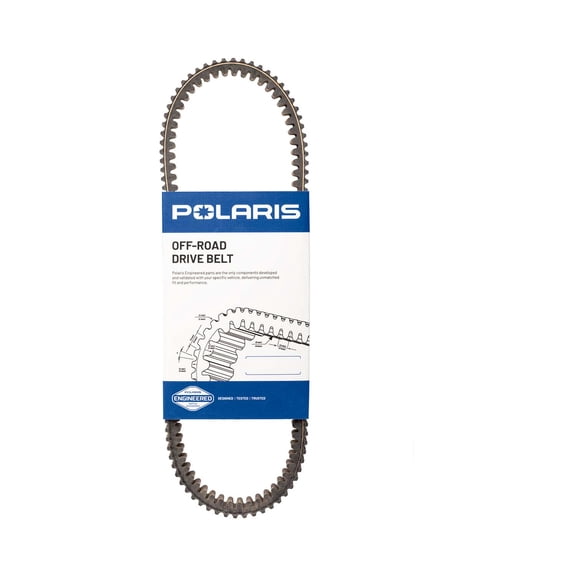
When you compare belts, you should look for carbon tensile cord construction in compatible options. You may choose that build when you want a belt designed for steady grip and consistent flex.
You should also review joints and boots when you compare CV joints in ATV drivetrain parts. You can keep your selection focused by checking connection style, shaft length, and intended placement.
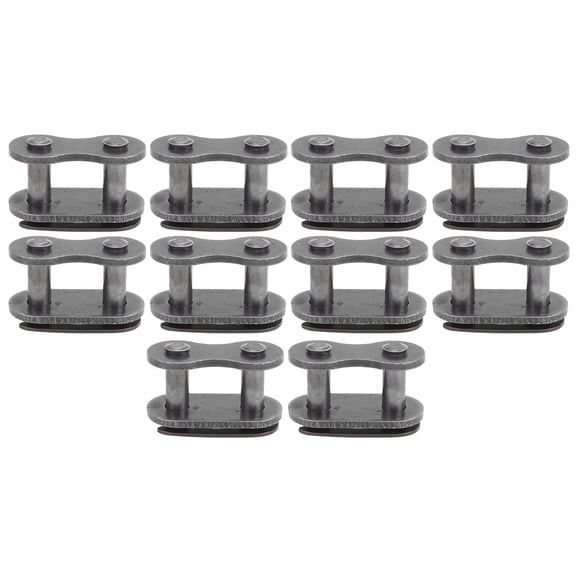
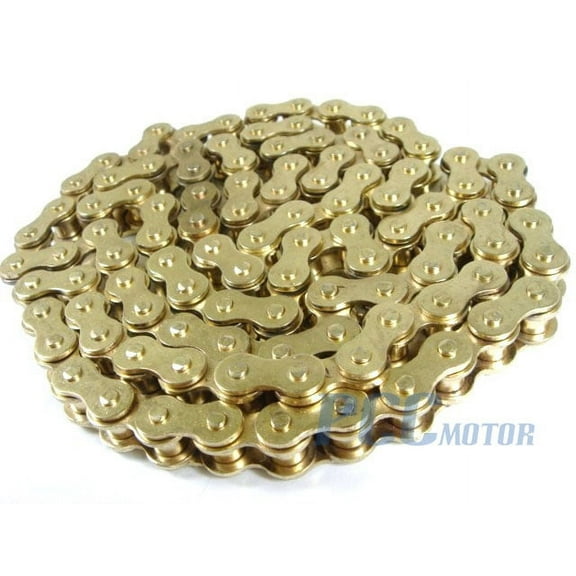
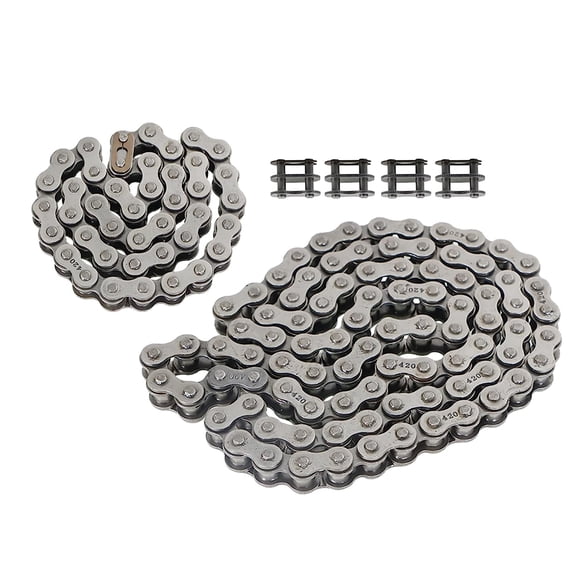
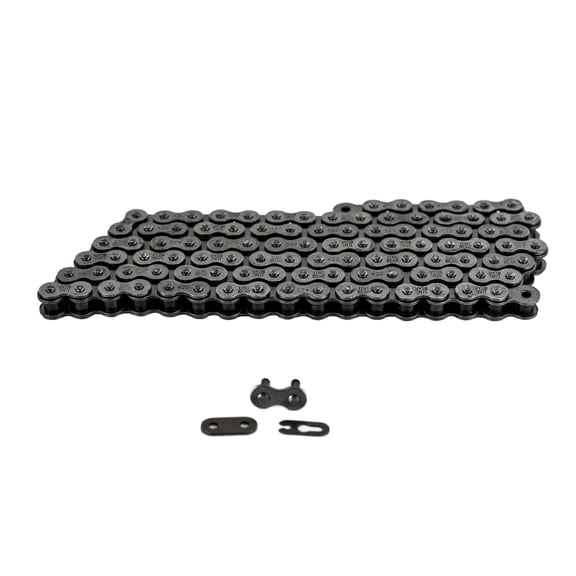
For chains, you should compare pitch, width, and compatibility with your sprocket setup. You can avoid mismatched parts when you measure carefully and follow application details.
Matching your atv drivetrain to riding style
You should match parts to how you ride because utility work, trail riding, mudding, and racing stress driveline parts differently. You can make a smarter choice when you compare terrain, load, and throttle habits.
If you use your ATV for utility tasks, you may prioritize durable axles and dependable clutch engagement. You should look for direct-fit components that support repeated starts, hauling, and slower technical riding.
When you ride trails, you may want balanced response and smooth power transfer across changing surfaces. You can compare belt construction and axle strength for a setup that suits mixed terrain.
If you ride in mud, you should focus on robust materials and fitment details that handle heavier resistance. You may also check CV joint coverage and sealing design noted in product information.
For racing use, you may compare clutch response, rotating components, and precise fitment more closely. You should look for parts that support quick engagement and controlled power delivery at higher speeds.
Considering installation and replacement goals
You should decide whether you want a direct OEM replacement or a setup that may need modification. You can simplify your project when you compare installation notes before choosing quad drivetrain replacements.
If you want a straightforward swap, you should look for model-specific compatibility and stock-style dimensions. You can usually plan your install more confidently when lengths, splines, and mounting points match clearly.
When you compare ATV drivetrain parts for custom riding goals, you may see different material and construction choices. You should check whether those options fit your machine without extra changes to related components.
You can approach this category with more confidence when you focus on fitment, material, component type, and riding style together. Your right match helps your ATV put power down smoothly and keeps your replacement project on track.