

Billiard Balls in Pool & Billiards












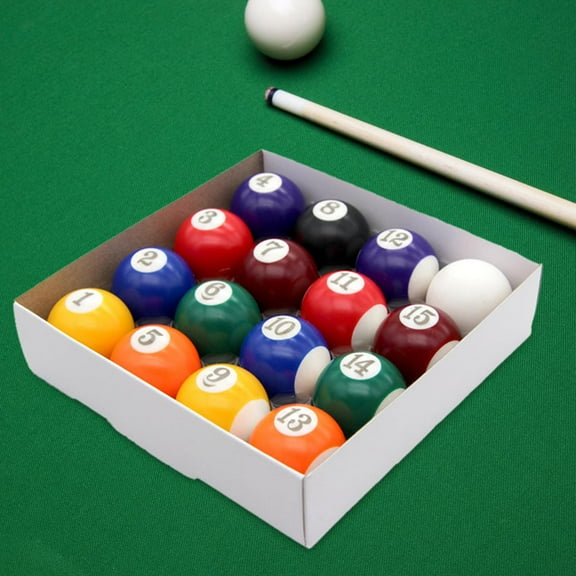
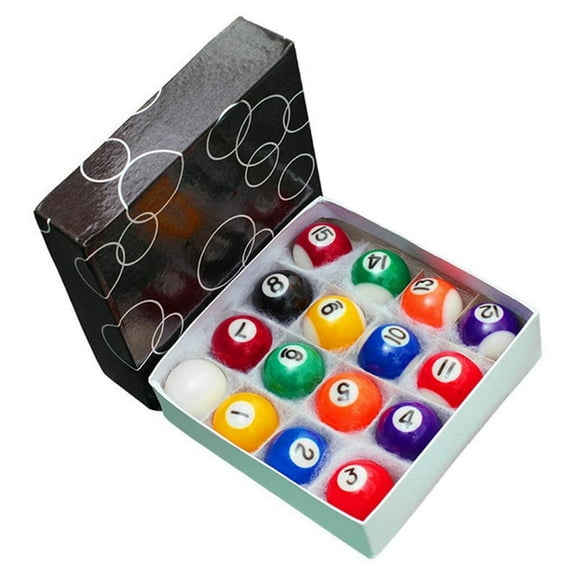
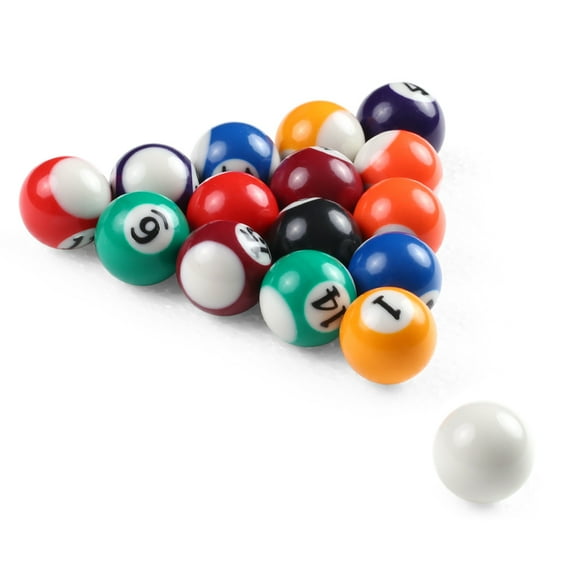


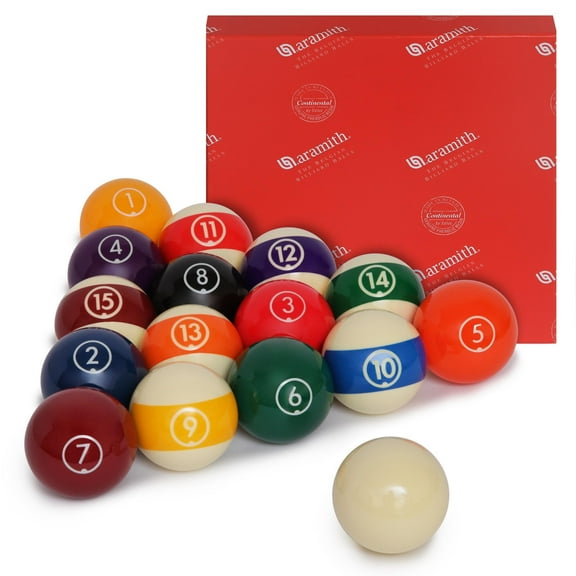




About Billiard Balls in Pool & Billiards - Walmart.com
Small pool balls help you match your table size, your shot control, and your storage needs. You can compare diameters, materials, and set options before choosing balls that fit your game table correctly.
When you use a compact table, you may need smaller diameters than regulation play uses. You can narrow your choice quickly when you compare table dimensions and ball size together.
How to choose small pool balls by size
You should start with ball diameter because your table dimensions affect spacing, rebound, and pocket fit. You may see 2.25 inch regulation balls, 2 inch mid-size balls, 1.875 inch small balls, and 1.5 inch mini balls.
On a full-size table, you may prefer 2.25 inch balls for familiar spacing and break feel. On a compact table, you can use smaller sizes that suit shorter rails and tighter playing surfaces.
When you compare small pool balls with regulation sizes, you can notice differences in cue control and shot spacing. You can keep gameplay consistent when your ball diameter matches your table dimensions.
Before you choose a size, you should measure pocket openings and rail spacing. You can avoid crowded shots when your balls suit your table surface and pocket layout.
Choosing mini pool balls and table compatibility
You can compare your table type with the intended ball size before making your choice. You may be shopping for regulation tables, mini or toy tables, or bumper pool tables.
For a regulation table, you may want standard sizing and familiar ball weight. For a smaller game table, you can choose compact balls that fit the rails without feeling oversized.
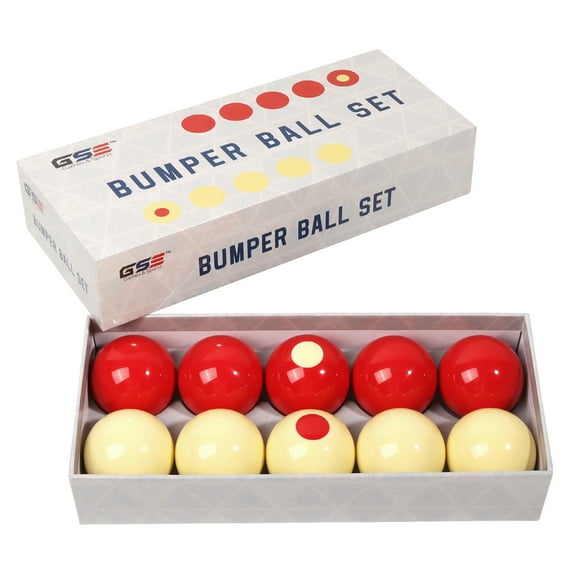
With bumper pool tables, you should check diameter guidance because bumper spacing and openings can differ. You can get smooth rebounds when your ball size suits your table layout.
- You can match 2.25 inch balls to regulation tables for standard spacing and break feel.
- You can use 2 inch or 1.875 inch sizes when your table has a shorter playing surface.
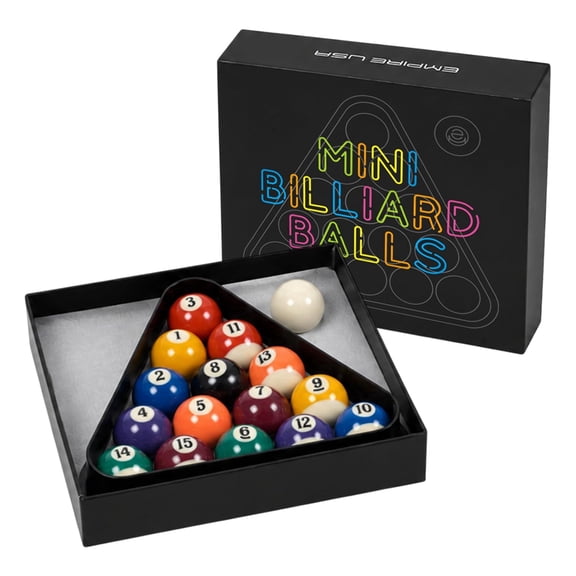
- You can choose 1.5 inch mini pool balls for tabletop and toy table setups.
- You can check table dimensions first so your pockets, rails, and cue ball size stay aligned.
What to look for in material and inside pool ball construction
You should compare material composition because resin type affects shine, density, and everyday use. You may see phenolic resin, polyester resin, or acrylic across different pool balls and billiard sets.
With phenolic resin, you can expect a dense feel and a hard polished surface. With polyester resin, you may find a practical option for casual home tables and family game rooms.
When you consider acrylic, you may see it used for lighter-duty play and novelty table setups. You should check product details carefully so your choice fits your table and playing style.
If you read about inside pool ball construction, you are reviewing how manufacturers build and balance each ball. You can use that detail to compare roll consistency, finish retention, and everyday play feel.
You should also check weight tolerance in grams when you want steady rolls and clean breaks. You can make an informed choice when each ball in your set stays close in weight.
Choosing the right pool balls set configuration
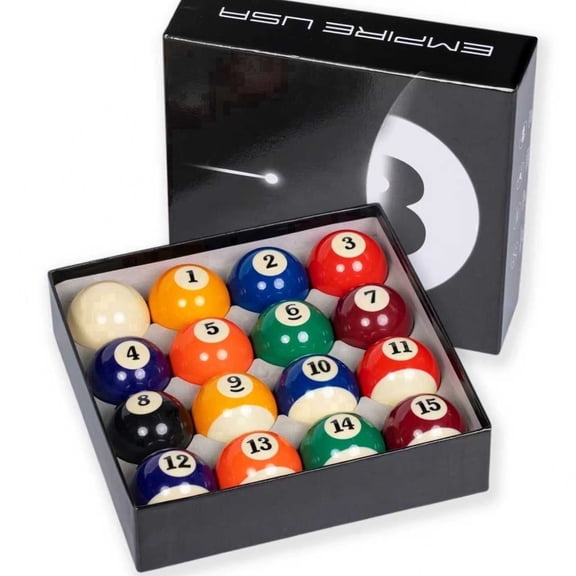
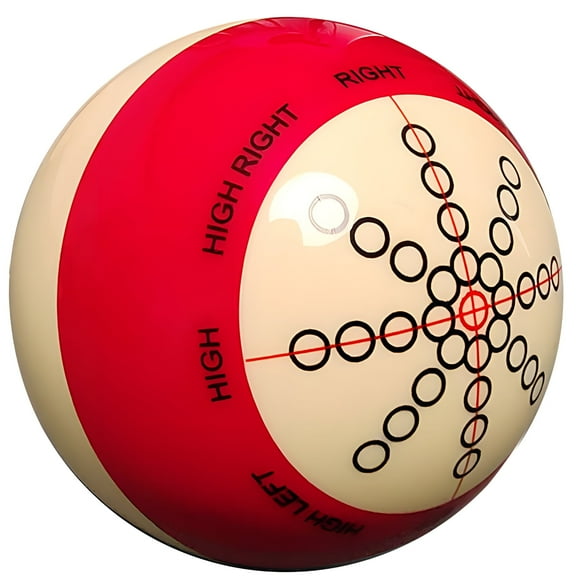
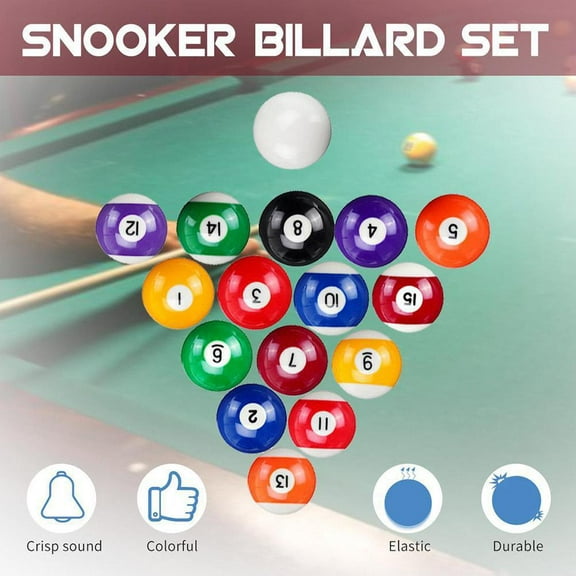
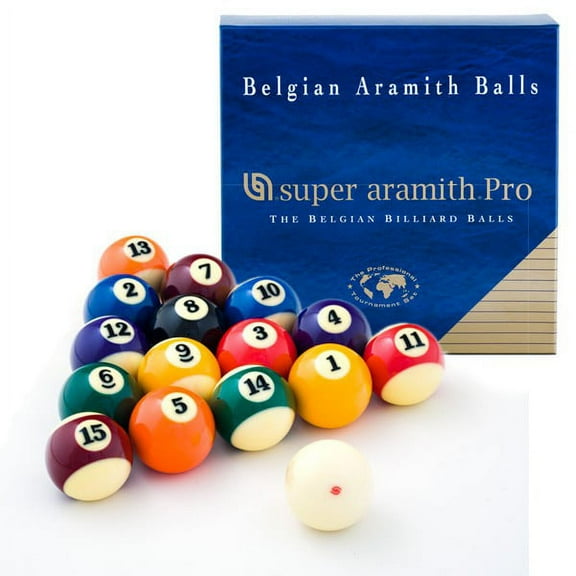
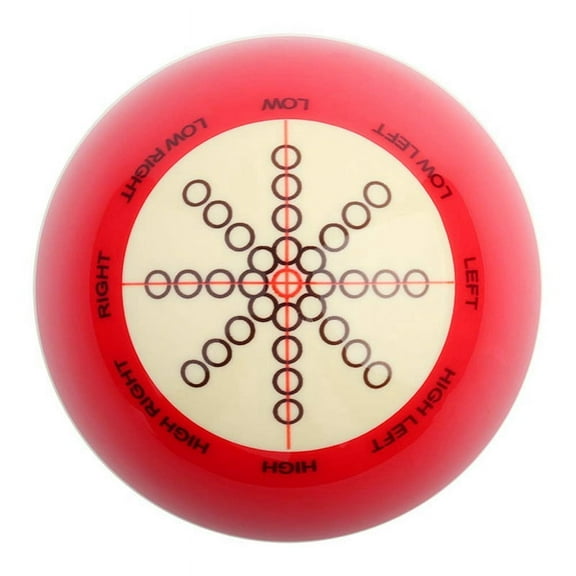
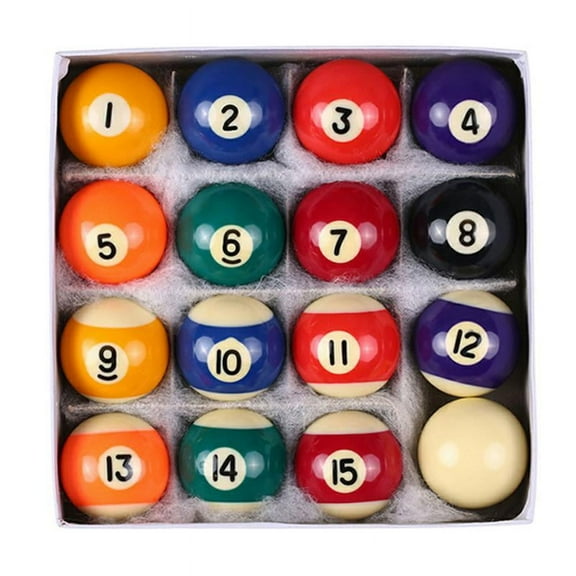
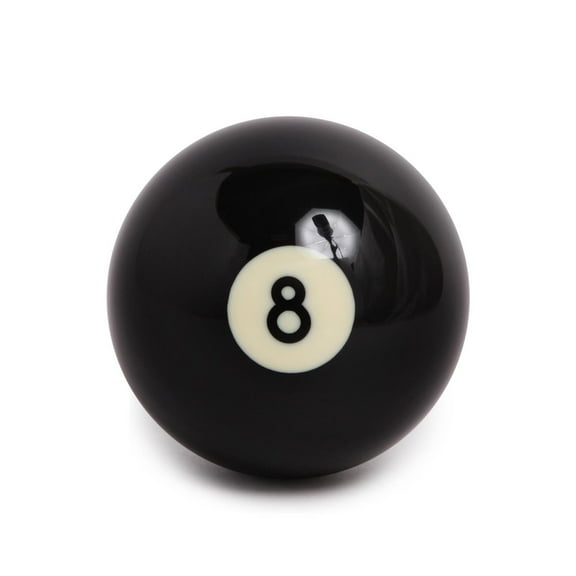
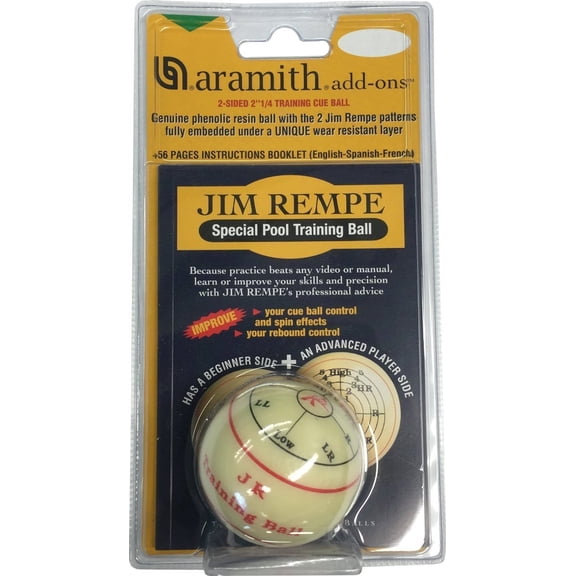
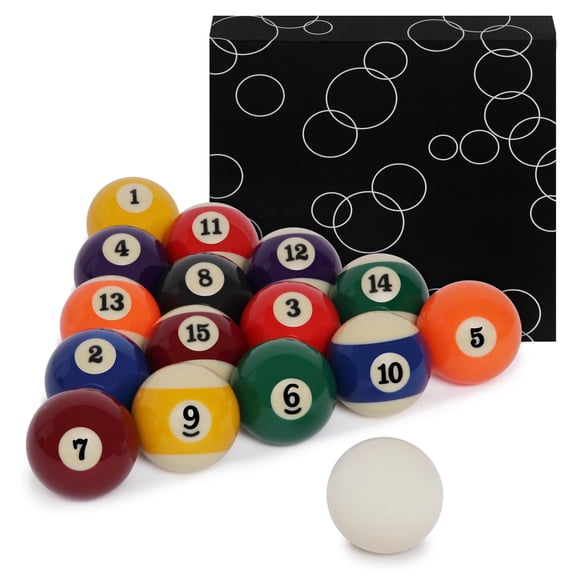
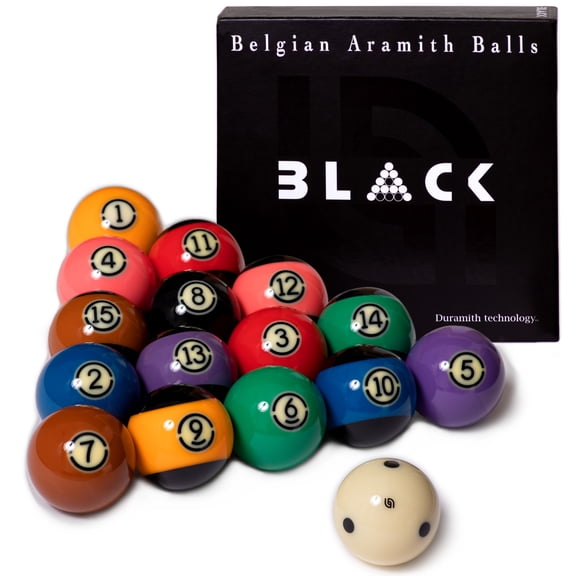
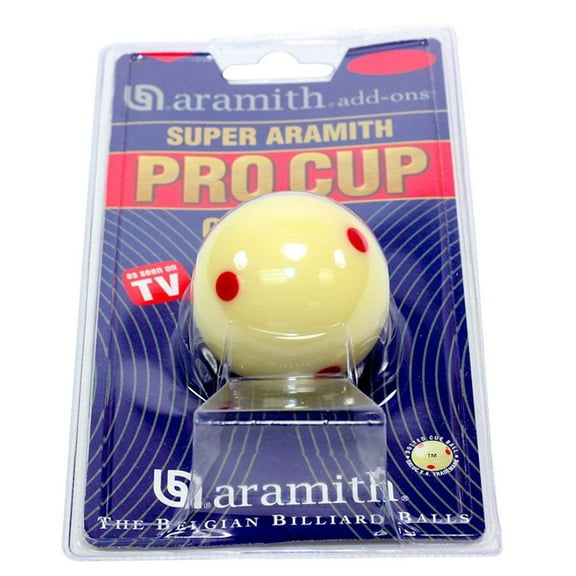
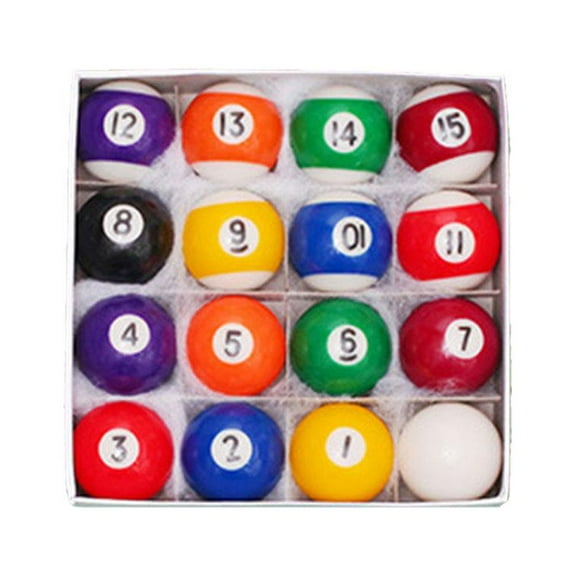
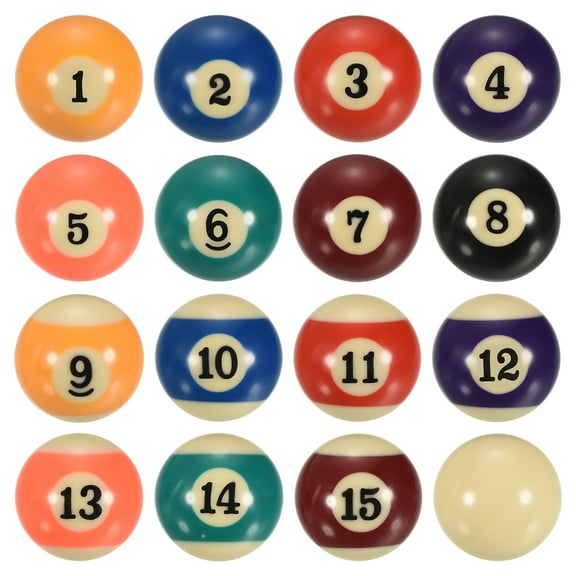
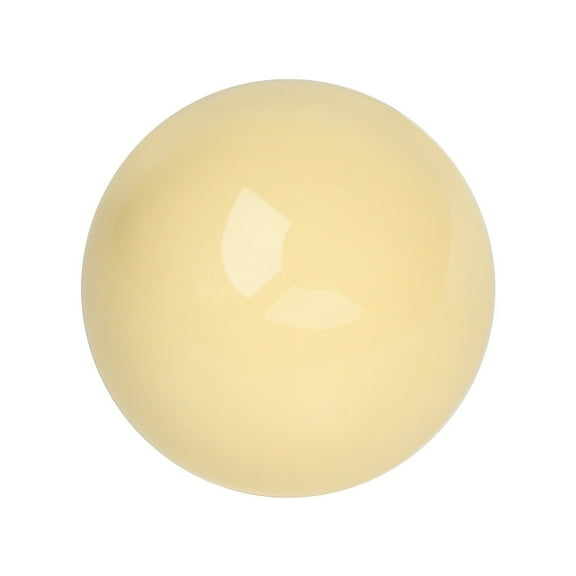
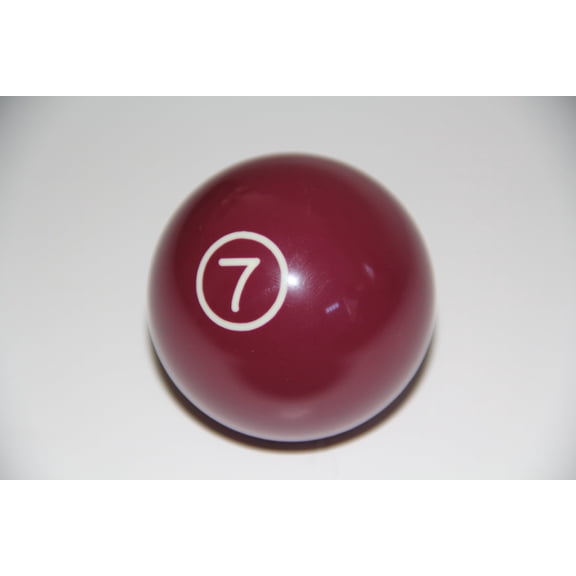
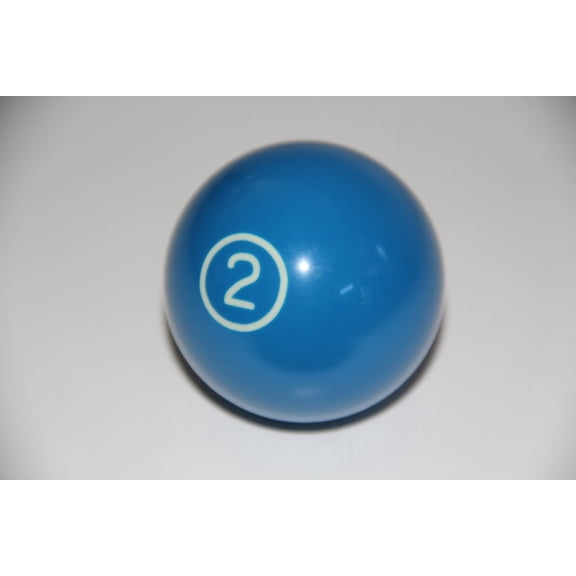
You should decide whether you need a full set or a simple replacement. You may choose a full 16-ball set, a replacement cue ball, or individual replacement balls.
For an older table, you may want a complete pool balls set for a uniform look. For one missing piece, you can choose a single ball without replacing your entire setup.
You should confirm that the set includes a cue ball when you want a complete game-ready setup. You can avoid mismatched sizing when every ball follows the same diameter standard.
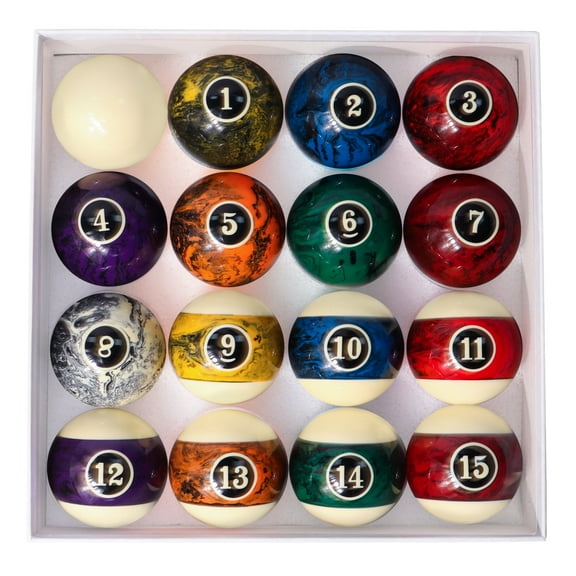
You may also want consistent numbering and striping when you replace worn pieces on a home table. You can keep your setup coordinated by matching finish, size, and set style.
Using small pool balls in common home setups
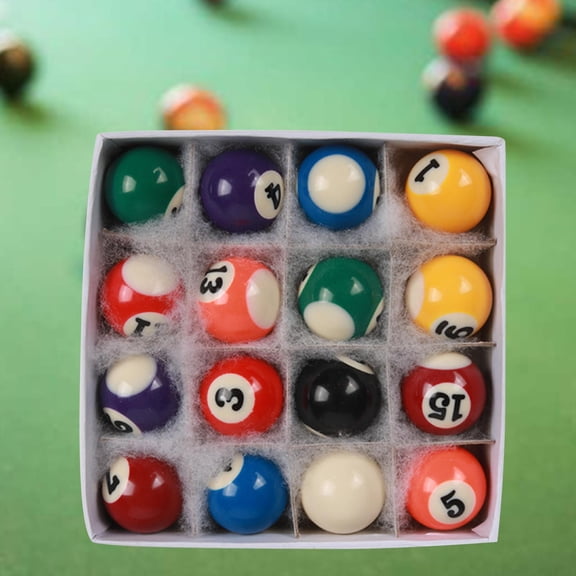
You may want small pool balls for tabletop games, youth tables, or tighter rec room layouts. You can often fit smaller sizes into compact spaces and store them with less effort.
When your current balls feel oversized for your table, you can switch to a smaller diameter for smoother play. You may notice natural shot paths when the balls fit your pockets and rails correctly.
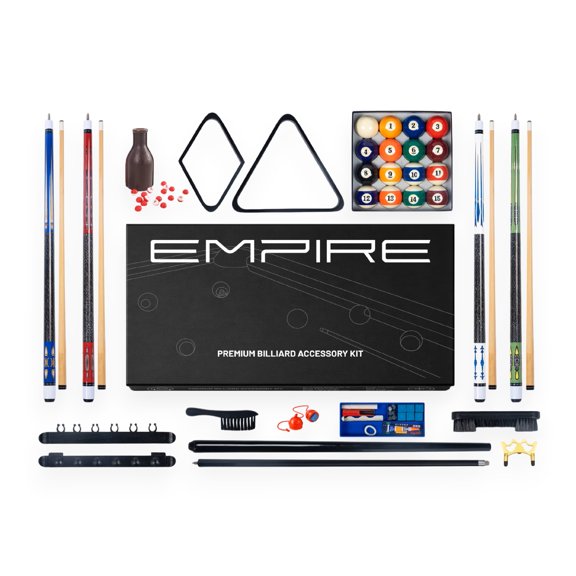
You might also be replacing worn accessories or finishing a family game room. You can compare size, material, and set completeness before pairing your balls with cue sticks or a pool table.
With the right diameter, material, and configuration, you can build a billiard setup that feels consistent from the first break. You can get reliable play when your balls match your table and your available space.
As you compare these options, you can focus on table dimensions, resin type, and set completeness. You can choose billiard balls that fit your table correctly and support smooth everyday play.