



Shop Cue Sticks for Pool and Billiards


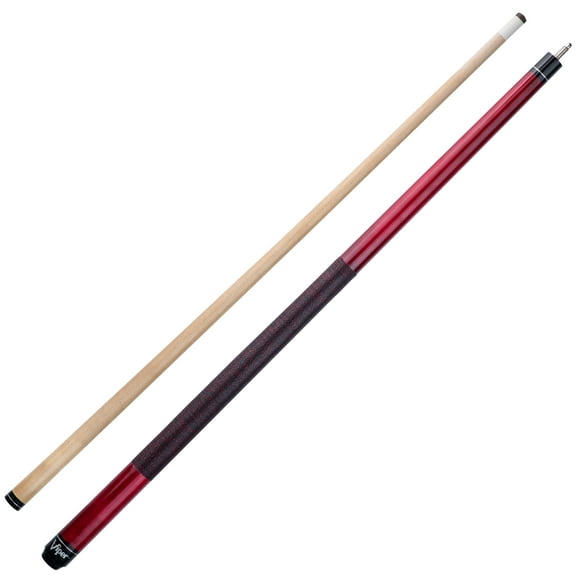


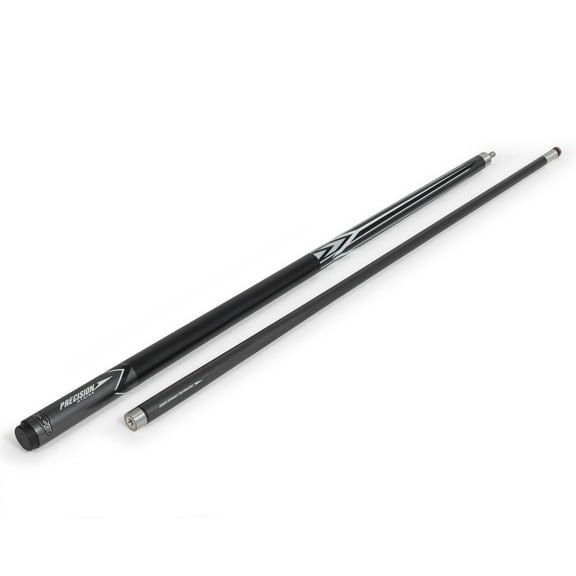


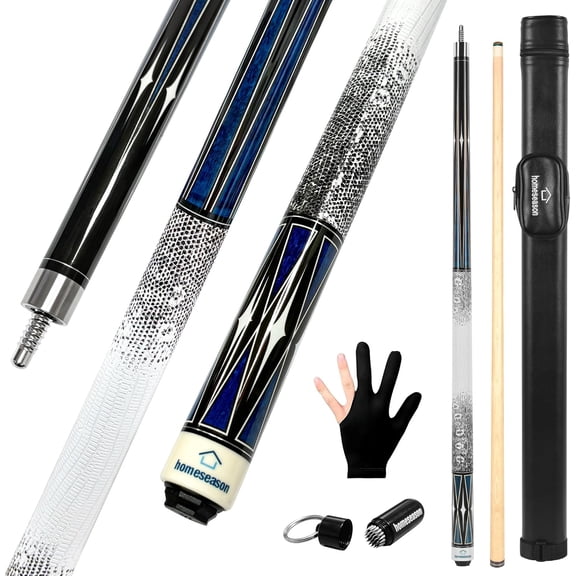


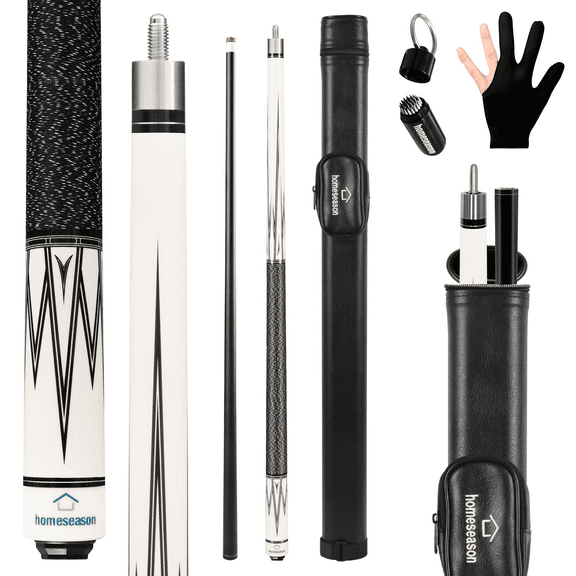


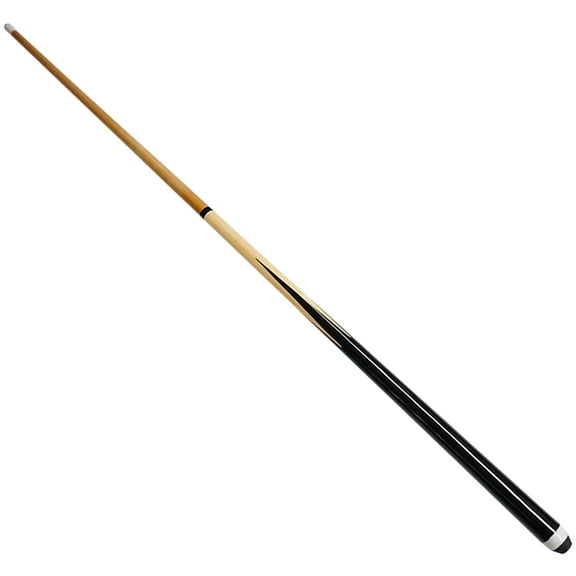
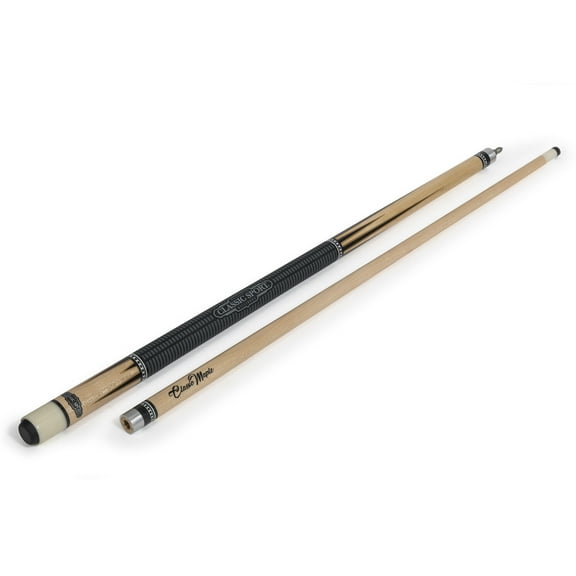
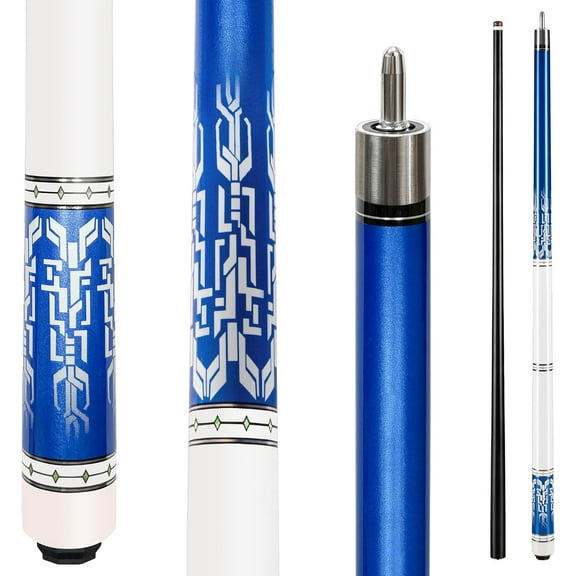













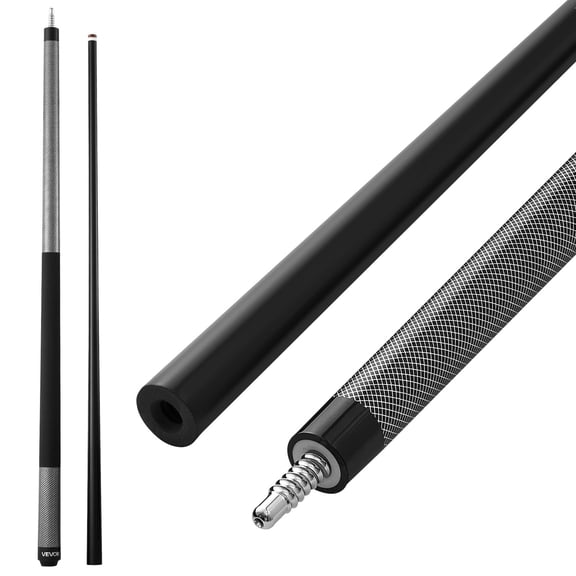


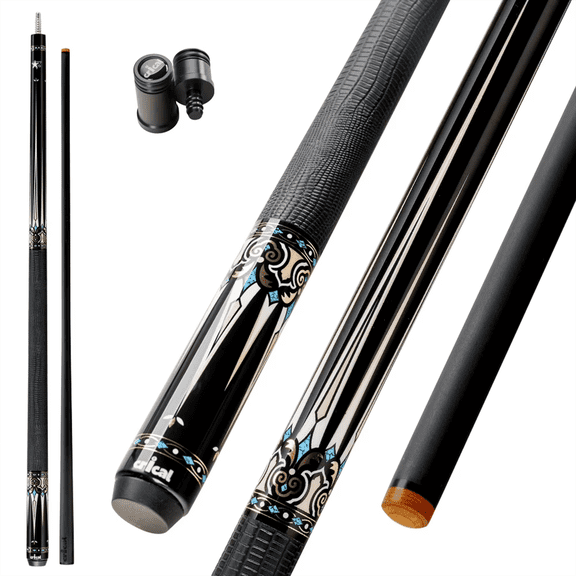


About Shop Cue Sticks for Pool and Billiards - Walmart.com
Pool cues give you a more consistent feel at the table when you compare weight, construction, and material carefully. You can narrow your choice faster when you understand how cue weight, shaft build, and wrap type affect each shot.
If you're moving beyond a house cue, you can use this guide to compare billiard cues and pool sticks with more confidence. You'll see category terms like 2 piece pool cues and carbon fiber pool cues, but your decision should match your routine.
How to choose pool cues for your game
You should start with weight because it changes how your stroke feels from the break to softer position shots. You'll often compare 18 oz, 19 oz, 20 oz, and 21 oz options in this category.
If you want more touch on finesse shots, you may prefer a lighter cue for smoother cue ball control. If you like a firmer hit, you may choose a heavier cue for stronger follow-through.
You should also compare handle feel because your grip can change during longer sessions and league nights. You'll often see Irish linen, leather, and no wrap options across many billiard cues.
- You can use lighter weights when you want more touch on softer speed control.
- You can use heavier weights when you want a sturdier feel on firm shots.
- You can compare wrap types for the hand feel that stays comfortable during long play.
- You can check cue length and build when your storage space matters between matches.
Comparing billiard cues by material and build
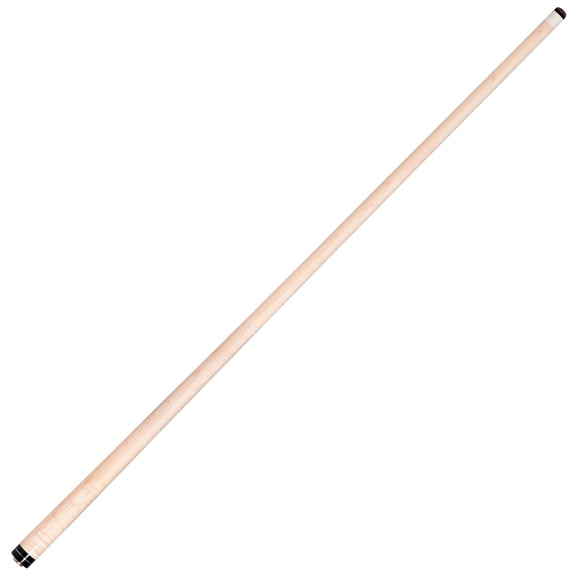
You should compare material closely because it affects feedback, upkeep, and long-session consistency. You'll usually see maple wood, carbon fiber, and fiberglass options when you compare pool sticks.
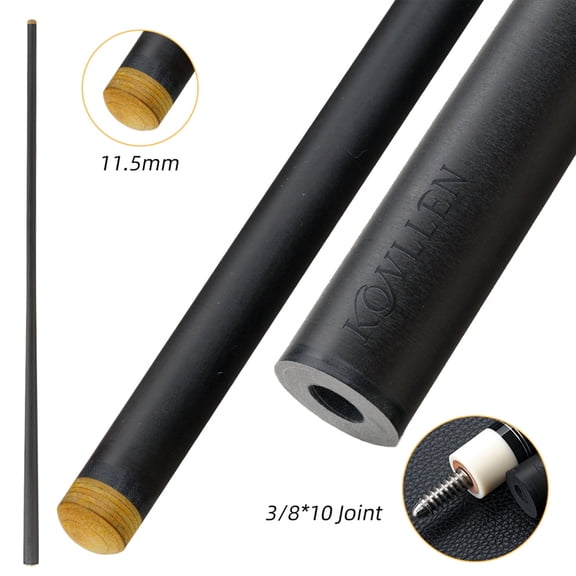
If you like a classic hit and familiar balance, you may choose maple wood for a traditional table feel. If you want a modern build, carbon fiber pool cues can give you strong warp resistance and steady radial consistency.
You may also notice the term deflection while comparing shafts, and it matters during spin shots. You'll want lower deflection when you prefer fewer aiming adjustments after adding side spin.
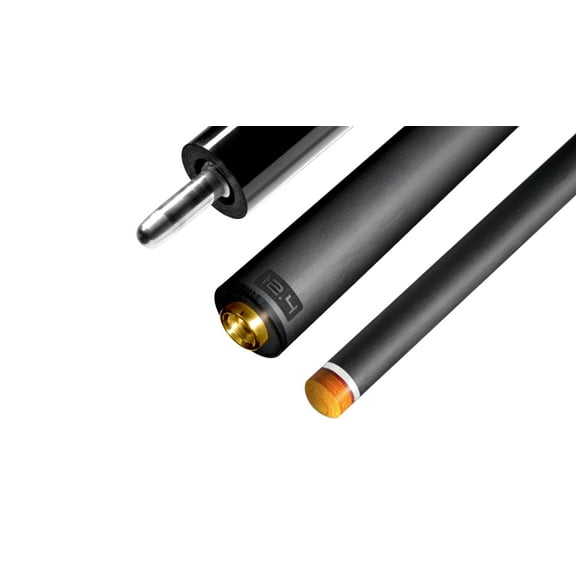
Fiberglass designs can work well when you want a durable outer layer and simple care between games. You should also check joint style on two-piece designs because that connection affects assembled feel and transport.
Choosing between 1-piece and 2 piece pool cues
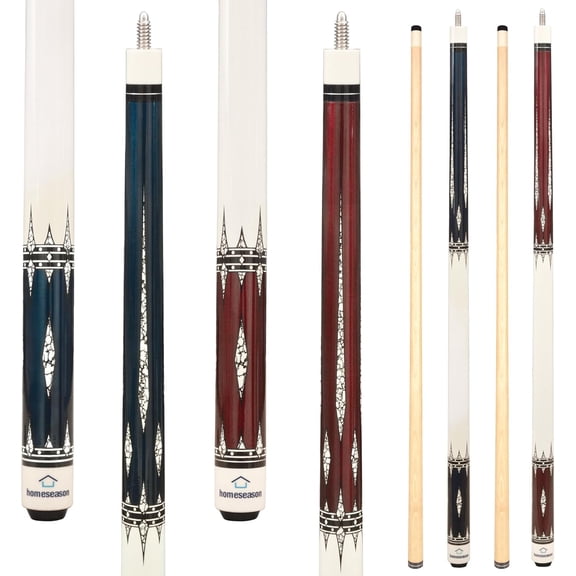
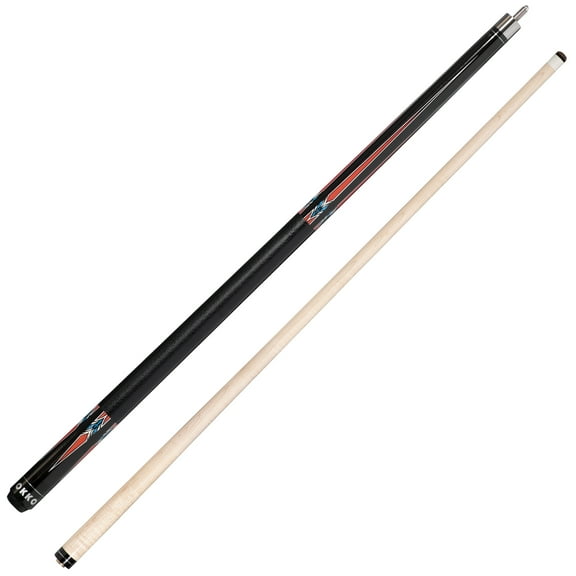
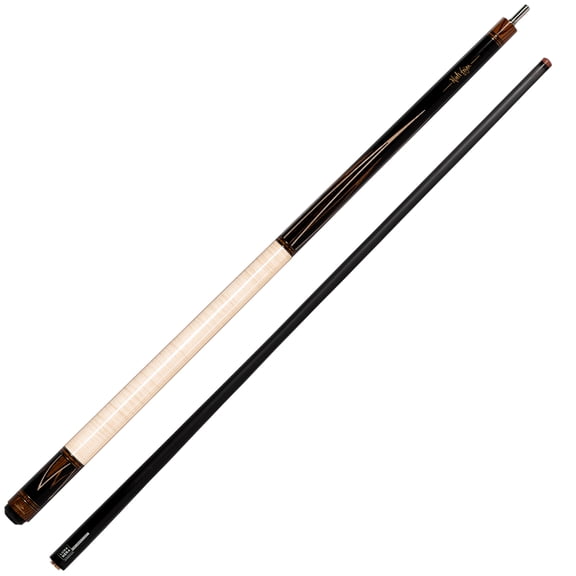
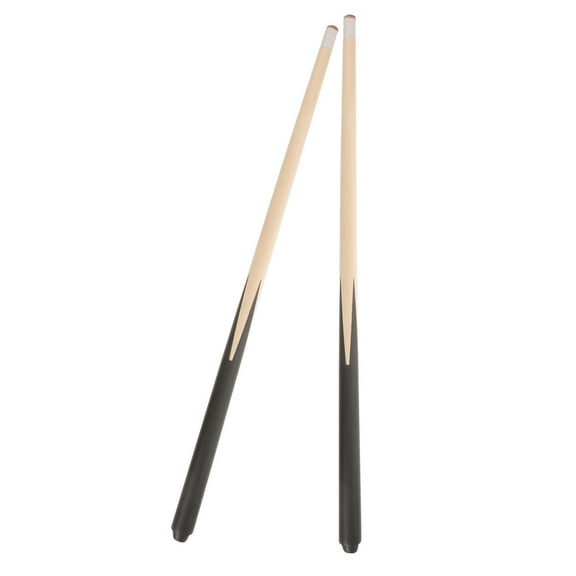
You should compare construction based on where you play and how you store your cue. You'll usually choose one-piece cues for simple home setup or 2 piece pool cues for easier carrying.
If you travel to league nights, two-piece construction can fit more easily into cue cases and vehicles. If you keep a cue near your home table, one-piece designs can feel straightforward between games.
You should measure your storage area before choosing a full-length cue for a game room or rec room. You'll also appreciate pool cues with case options when you want one place for chalk and tools.
What to look for in pool sticks tips and wrap types
You should check tip details because tip diameter and leather hardness change how contact feels on each shot. You'll often find smaller tips feel more precise, while larger tips can feel more forgiving.
If you want a cushioned hit for spin, you may prefer a softer leather tip during practice sessions. If you like firmer feedback, you may lean toward a harder tip for direct contact.
You should expect regular shaping because tip condition affects how your cue meets the cue ball. You'll also want to compare wraps again here because hand texture can influence repeatable stroke comfort.
Irish linen can feel textured in your grip, while leather can feel smoother through longer play. If you prefer direct contact with the butt, you may choose a no wrap design.
Using pool cues for home tables, practice, and league nights
You can match different cue setups to the way you play, which makes your decision easier. If you practice often at home, you may want a cue weight that stays comfortable over long sessions.
If you play in leagues, you might prioritize portability, joint quality, and a wrap that stays steady in your hand. You'll also want a shaft material that feels consistent as you move between tables.
Carbon fiber options can fit players who want modern feedback and repeatable response on frequent shots. Maple wood options can fit players who prefer a classic hit and traditional balance.
For casual games, fiberglass or entry-focused designs can give you a straightforward dedicated cue for regular use. You can build consistent habits when your cue weight, tip feel, and grip stay familiar.
With pool cues that match your stroke, storage needs, and playing routine, you can choose with more clarity. You'll notice steadier setup, smoother contact, and more predictable cue ball control during every session.