

Printed Music and Sheet Music Books Collection

















About Printed Music and Sheet Music Books Collection - Walmart.com
Your hymn history book search can lead you to printed music that matches your instrument, skill level, and worship tradition. You'll find bound collections, instructional songbooks, and notation guides that suit practice, study, and performance.
When you compare this category, you'll notice choices that go far beyond loose pages. You can look for piano arrangements, viola sheet music beginner options, and hymn books that fit specific church singing needs.
How to choose a hymn history book and hymn book songs
You may want a hymn history book when your focus includes background, composers, and lyric origins. You can also choose hymn book songs collections when your focus stays on singable arrangements and familiar titles.
If your church tradition matters, you should compare titles carefully before choosing. You may prefer a church of christ hymn book when your congregation follows a specific song list.
Some hymn books organize music by season, theme, or service type for faster planning. You can use that structure to prepare choir practice, personal study, or weekly worship music.
- You can compare historical commentary with singalong notation in one category.
- You can choose denominational song selections that match your worship setting.
- You can find bound books that keep pages together during practice and performance.
- You can select arrangements that fit solo playing, group singing, or accompaniment.
Choosing by instrument for sheet music piano and more
You should start with instrument compatibility because notation differs across piano, viola, guitar, and vocal arrangements. You can avoid mismatched books by checking clef, key signature, and written range.
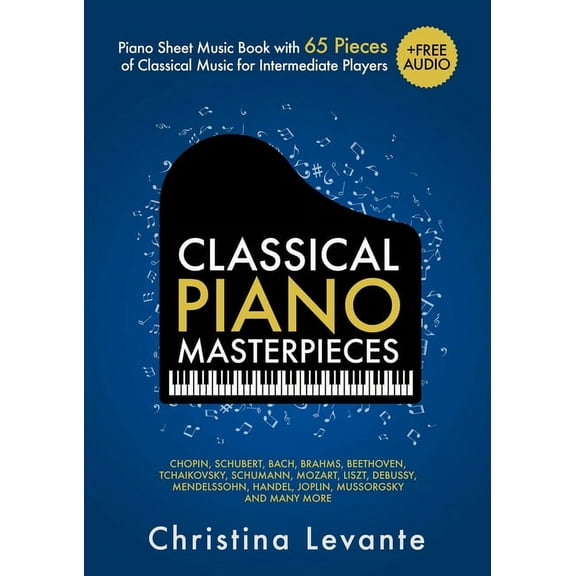
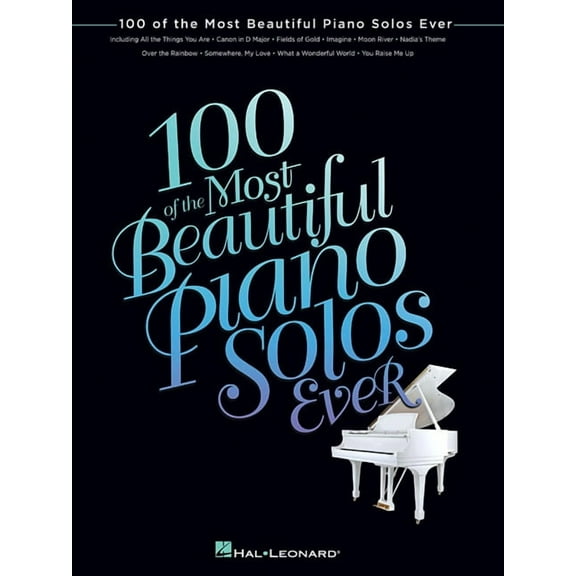
For sheet music piano choices, you should look for layout details that support both hands clearly. You may also want chord symbols when your playing style includes accompaniment or quick rehearsal reading.
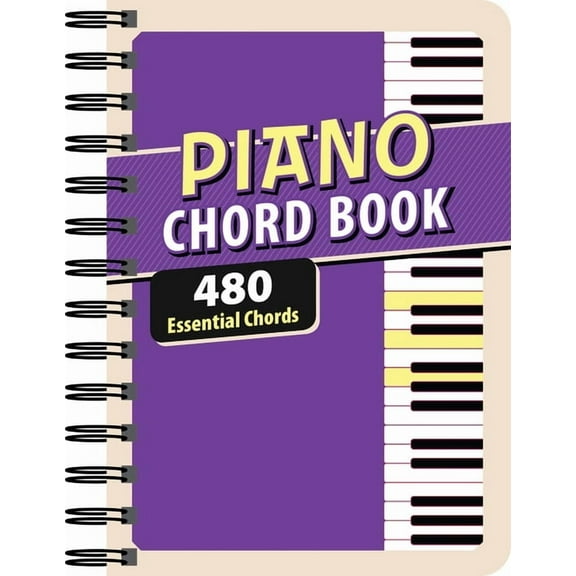
If you're comparing a piano chords book, you should check whether it explains chord shapes, inversions, and common progressions. You can use those details to support hymn playing, lead sheets, and home practice.
When you want viola music, you should confirm alto clef readability and beginner pacing. You can narrow choices faster when a viola sheet music beginner title uses familiar rhythms and shorter phrases.
Vocal collections may pair melody lines with piano support for rehearsals and services. You can choose these formats when you need shared notation for singers and keyboard players.
Comparing formats, skill levels, and music sheet book options
You should decide whether a sheet music book or loose pages fits your routine. You may prefer a bound music sheet book when you want easier storage, steadier page-turning, and fewer missing pieces.
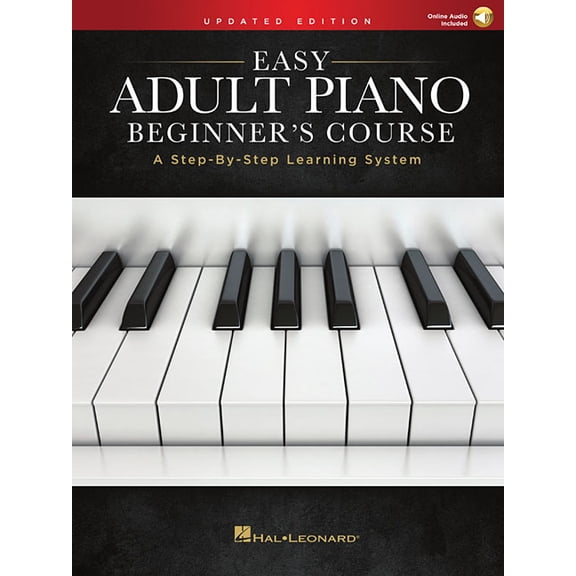
Beginners usually need larger notation, simpler rhythms, and slower song progression across the book. You can build confidence more smoothly when lessons move from basic reading to fuller arrangements.
Intermediate players often compare key changes, chord density, and tempo markings before choosing. You can use those signals to judge whether a book supports regular practice without feeling too basic.
Advanced players may look for fuller harmonies, modulations, and denser accompaniment patterns. You can also compare edition size and engraving clarity when longer sessions matter to your reading comfort.
If you practice often, you should consider paper weight and print size. You can notice how a well-organized table of contents helps you return to songs quickly.
What to look for in tune paper and piano practice tools
You may need tune paper when your focus includes writing melodies, copying exercises, or building lesson plans. You can use staff paper formats for piano drills, harmony work, and classroom assignments.
Some shoppers search for paper tuning paper when they want blank staff pages for notation practice. You should check staff spacing and page count so your writing feels clear and easy to follow.
If you're deciding where to buy piano sheet music, you may want one place that supports study and performance needs. You can compare instructional books, chord references, and printed song collections together.
For keyboard learners, a piano chords book often pairs well with blank tune paper. You can practice a chord pattern, then write your own progression for review later.
Matching printed music books to real use cases
You can choose a hymn history book for personal reading when you want context behind well-known worship songs. You may also keep one near your keyboard when a lesson includes composer background and lyrical themes.
If your goal is congregational singing, you should compare hymn books by denomination and arrangement style. You can narrow options quickly when your song list needs familiar verses and service-ready keys.
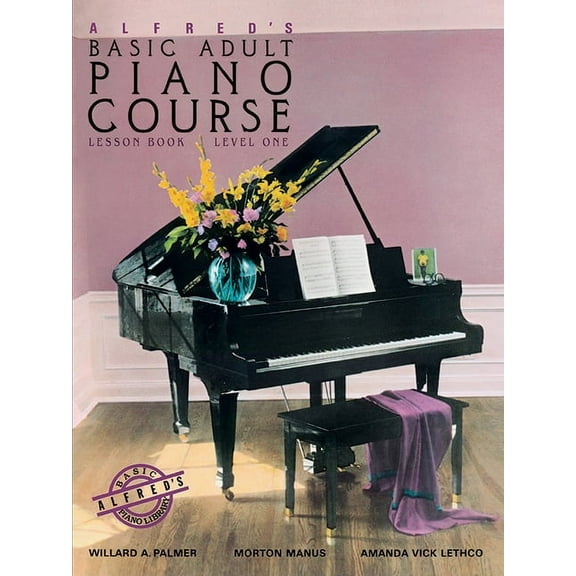
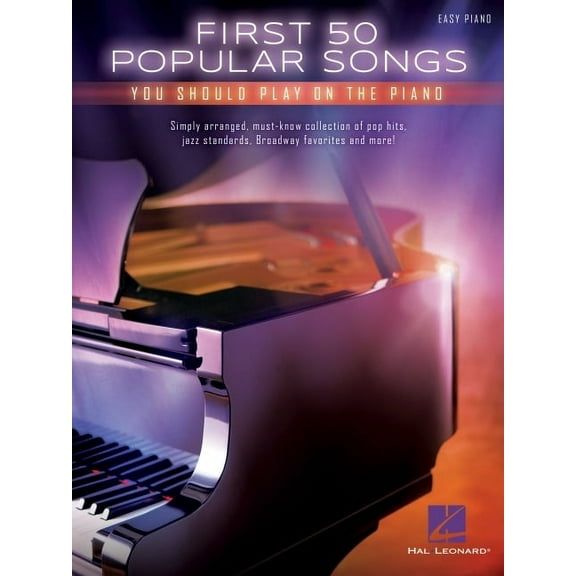
For home piano practice, sheet music piano books help you move from simple melodies to fuller accompaniment. You can pair those books with a piano chords book when you want chord reading and melody work together.
If you're teaching a new string player, a viola sheet music beginner title can support first lessons well. You can look for shorter exercises, readable spacing, and pieces that stay within an early range.
When your study includes notation, tune paper gives you room to mark rhythm patterns and harmonies. You can use it for lesson notes, composition ideas, or copying a favorite hymn refrain.
A sheet music book also works well when you want one binding for recitals, rehearsals, or church practice. You can keep your pages organized and your repertoire easier to review.
You can shop this category with more confidence when you compare instrument fit, skill level, format, and worship alignment first. You'll end with printed music that supports smoother practice, clearer reading, and more useful song selection.