



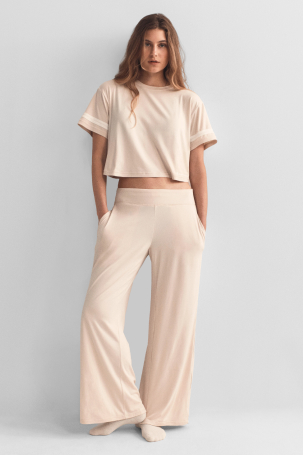
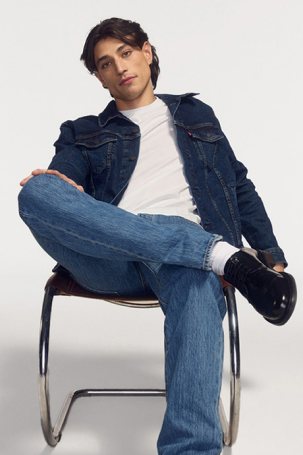


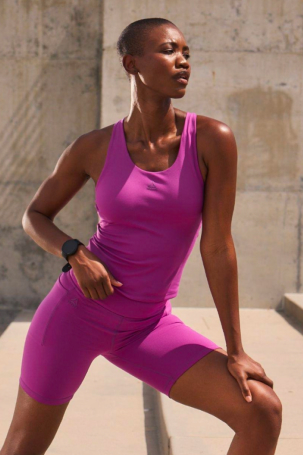

Premium Fashion
The Premium Fashion Shop


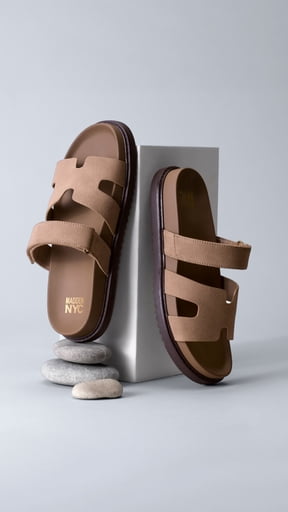
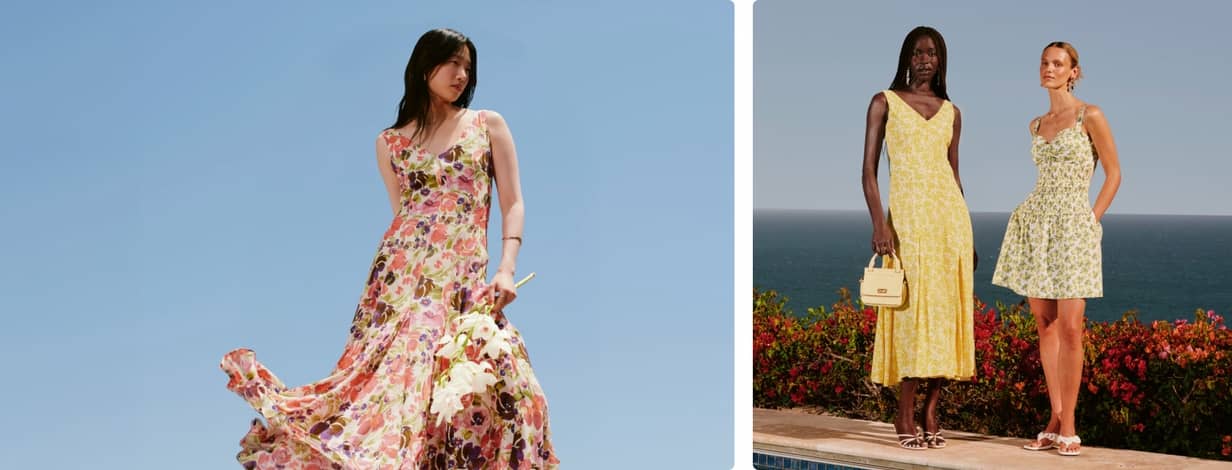
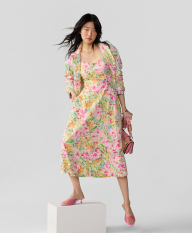
The premium dress edit
Shop now
FAQ
About Premium Fashion - Walmart.com
You can refine your wardrobe with fashion clothing that brings curated labels, polished details, and versatile styling into one easy shopping destination. You’ll find designer clothing, contemporary looks, and elevated essentials that fit everyday wear, work settings, and special occasions.
When you compare fashion styles in one place, you can focus on fabric, fit, and occasion without jumping across multiple pages. You’ll also get a clearer view of apparel categories like clothing, outerwear, and activewear, so your search feels more organized.
How to choose fashion clothing by brand tier
You should start with brand tier, because designer, contemporary, and elevated labels each shape your wardrobe in different ways. You can use this filter to match your style goals, whether you want statement pieces or polished daily staples.
With designer clothing, you may look for distinct cuts, signature details, and licensed collections from authorized retailer assortments. You can feel more confident when your selection comes from curated brands that emphasize recognizable design language.
Contemporary labels can help you balance trend-driven silhouettes with easy wearability for workdays, dinners, and weekends. Elevated options can give your closet cleaner lines, refined finishes, and flexible pieces that layer well across seasons.
- You can compare designer, contemporary, and elevated labels by how often you’ll wear each piece.
- You can choose curated assortments that align with casual outfits, formal dressing, streetwear, or workwear.
- You can narrow your search by clothing type, including everyday apparel, outerwear, and activewear.
- You can check authorized retailer assortments when brand authenticity matters in your decision.
Choosing materials and care details
You should compare fabric composition early, because material choice changes how your clothing feels, drapes, and fits into your routine. You’ll notice that cotton, linen, silk, and knitwear each suit different temperatures, textures, and styling needs.
If you want breathable daily staples, you may prefer cotton for its familiar feel and easy maintenance. If you dress for warm weather, you can choose linen for its airy texture and relaxed structure.
When you want fluid movement and a more dressed-up finish, you may lean toward silk or silk-blend pieces. If you need soft layering, you can choose knitwear for comfortable structure and seasonal flexibility.
You should also compare care instructions before choosing fashion clothing for your regular rotation. You may prefer machine-wash options for frequent wear, while dry clean fabrics can suit occasion dressing and special wardrobe pieces.
For fabric decisions, you can also compare natural fibers with polyester blends in plain terms. You’ll often get a lighter, more fluid feel from silk, while blends can offer easier care and shape retention.
What to look for in fit, sizing, and category selection
You should check sizing charts and fit notes, because fashion clothing can vary across designer and contemporary labels. You can use those details to judge length, silhouette, and ease before choosing tops, pants, dresses, or jackets.
If you want a sharper outline, you may look for tailored fits in workwear and formal pieces. If you prefer relaxed dressing, you can compare looser cuts in casual clothing, knitwear, and streetwear-inspired styles.
Outerwear decisions often come down to layering room, sleeve length, and hem coverage for your daily routine. Activewear choices may depend on stretch, movement, and whether you want fitted or easy silhouettes.
You can also use fit reviews to understand consistency across different labels and categories. When you compare shopper feedback with size charts, you can make a more informed pick for your proportions.
Matching fashion styles to your occasion
You can narrow fashion styles faster when you match each item to where and how you’ll wear it. Casual dressing may call for cotton tops, denim-friendly layers, and knit separates that mix easily with your existing wardrobe.
For formal events, you may look for sharper tailoring, smoother fabrics, and cleaner finishing details. Workwear can center on structured blazers, polished trousers, and refined dresses that transition from meetings to dinner.
If your style leans modern, you can explore streetwear influences through oversized layers, graphic details, and directional silhouettes. When you want motion-friendly dressing, you can compare activewear pieces that support commuting, errands, and light training.
You may also want apparel that moves between settings without requiring a full outfit change. In that case, you can focus on elevated essentials that pair with sneakers, boots, loafers, or dress shoes.
How shipping, returns, and authenticity support your decision
You should confirm practical details before choosing higher-consideration apparel from curated assortments. You can review shipping options, delivery timing, and return information to make your purchase feel more straightforward.
When brand authenticity matters, you can look for authorized retailer context and curated designer brands within the assortment. That extra clarity can help you evaluate labels with more confidence before you select a piece.
You can also reduce guesswork when you pair care details, fit guidance, and return information during your decision. With those factors in view, you can choose designer clothing that feels considered, wearable, and easier to integrate into your wardrobe.
Your search for fashion clothing becomes simpler when you compare brand tier, material, fit, and occasion in one place. You can make a more confident choice that fits your style, your routine, and your expectations for polished everyday dressing.