



Ping Pong Paddles in Table Tennis
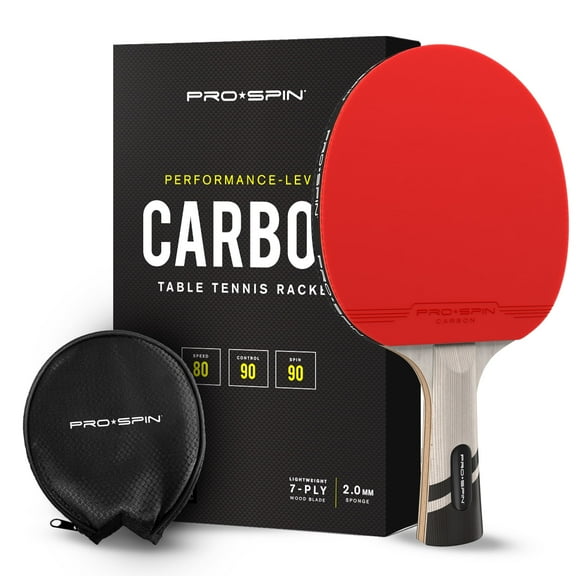

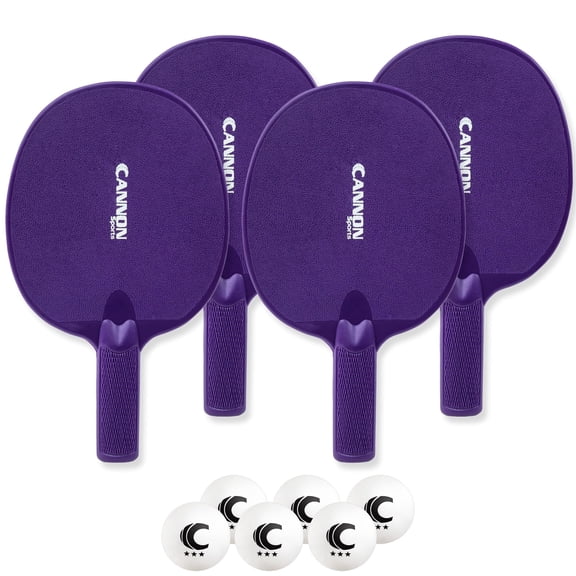
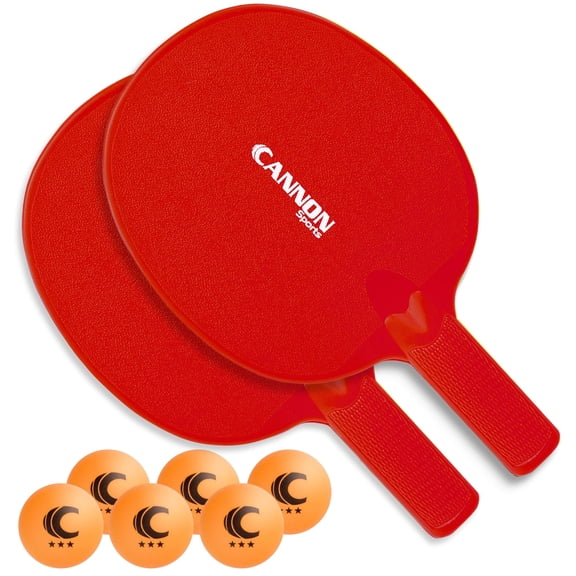
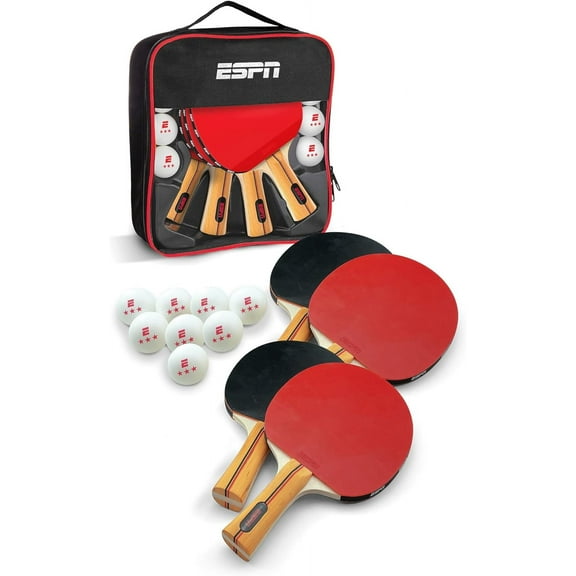

















About Ping Pong Paddles in Table Tennis - Walmart.com
You can compare ping pong paddles faster when you know how grip style, sponge thickness, and set size affect every rally. You’ll also find options for casual play, training sessions, and family game nights at home.
If you’re replacing an old racket or building a full table tennis setup, you’ll want guidance that matches how you actually play. You can use this guide to compare table tennis rackets by feel, control, spin response, and included accessories.
How to choose ping pong paddles
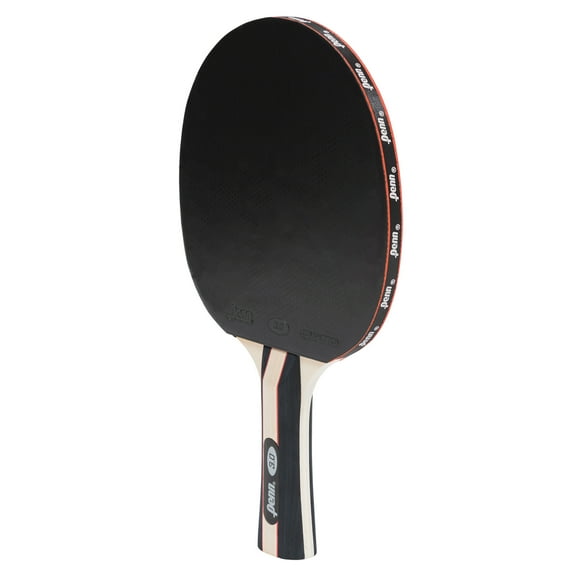
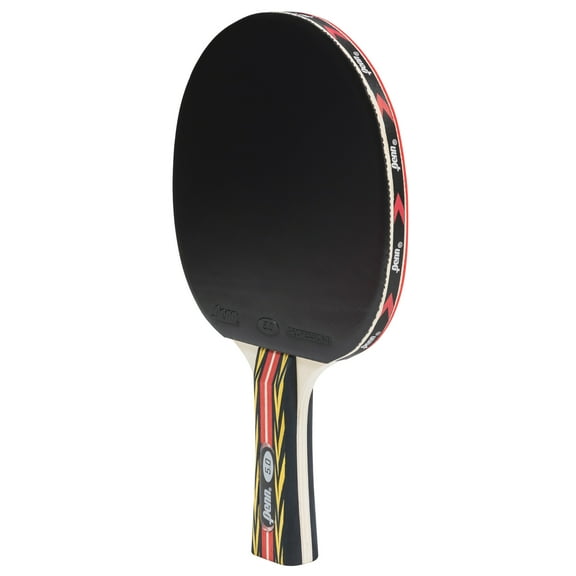
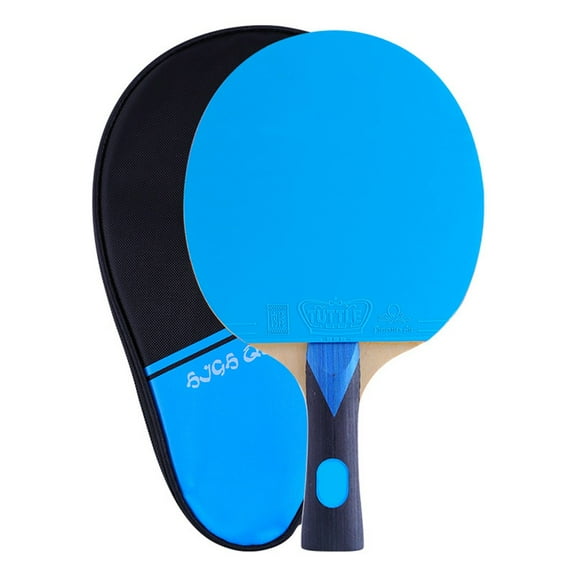
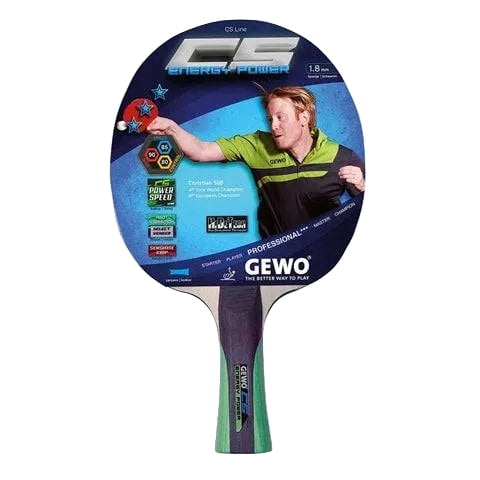
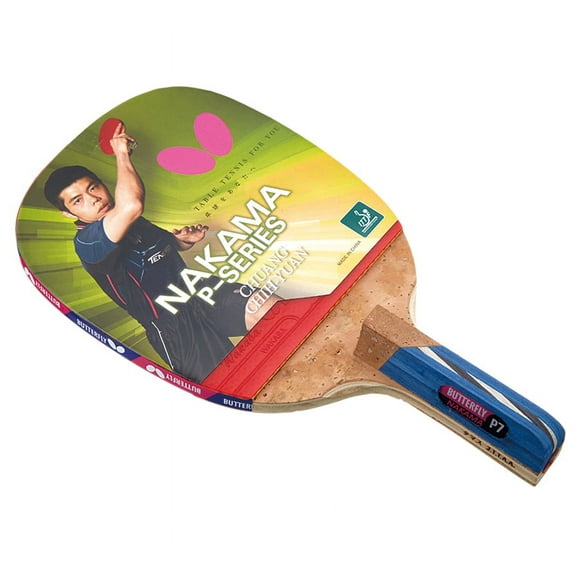
You should start with grip style, because your hand position changes how each shot feels. You’ll usually choose between shakehand and penhold, and each one supports a different playing style.
If you use a shakehand grip, you’ll get a familiar hold that feels close to a standard racket handle. You may prefer it when you want balanced forehand and backhand control during all-around play.
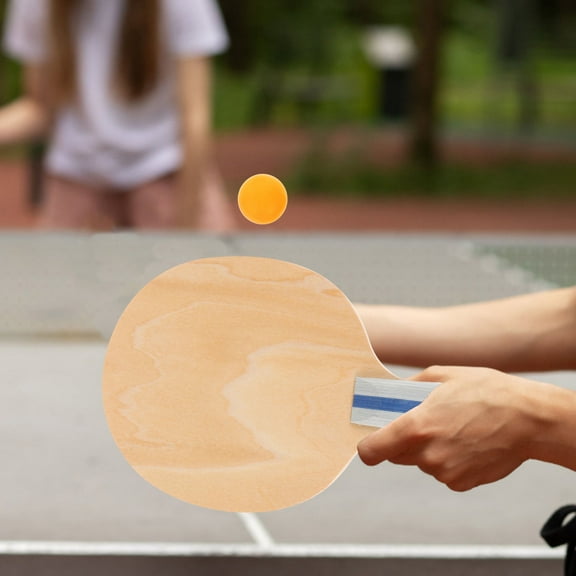
If you use a penhold grip, you’ll hold the handle differently for quick wrist action and compact strokes. You may consider it when your game depends on touch shots, sharp angles, and fast exchanges.
You should also compare skill level labels before you narrow your options. You’ll often see recreational, intermediate, professional, and training choices, and each one points to a different feel on the table.
- You can choose recreational paddles when you want easy control for casual matches.
- You may prefer intermediate styles when you’re refining spin, placement, and faster returns.
- You can consider professional or training options when you want more precise response during drills.
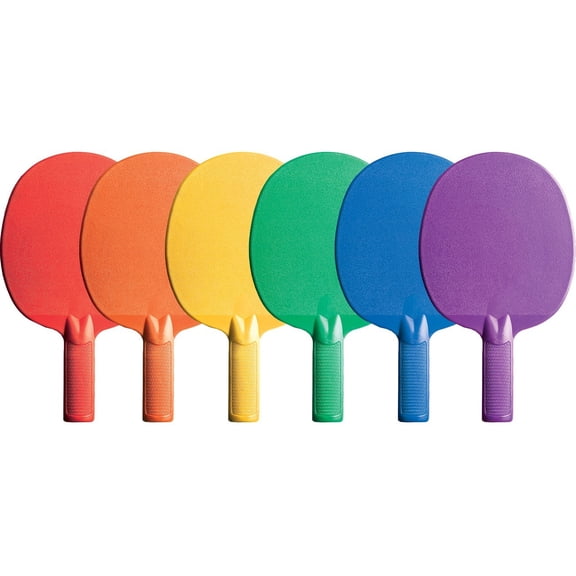
- You should check kids sizing when you want a kids ping pong paddle with easier handling.
What to look for in table tennis rackets
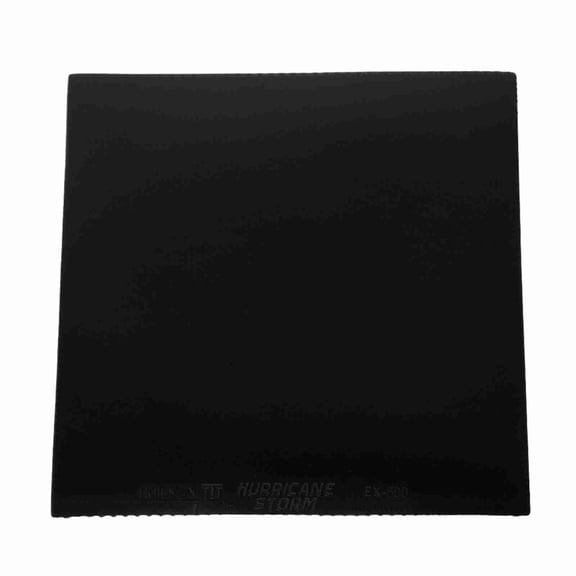
You should compare rubber and sponge thickness if you want a paddle that matches your pace. You’ll notice that thinner sponge usually supports more control, while thicker sponge can create quicker rebound.
If you’re learning serves and placement, you may want control-focused faces that keep shots more predictable. If you’re building attacking strokes, you might look for surfaces that respond faster on loops and drives.
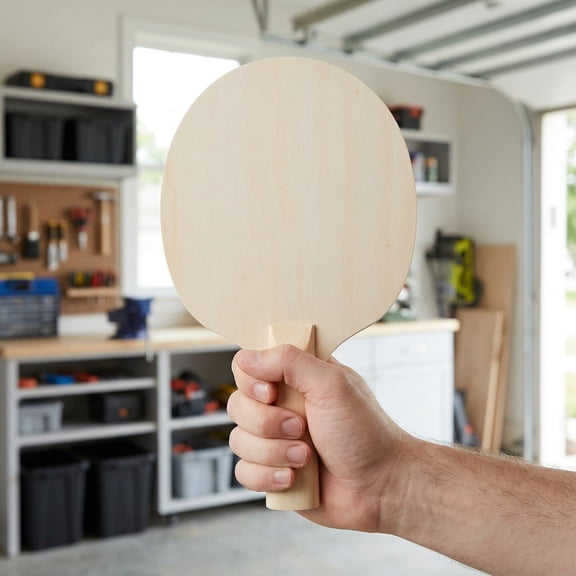
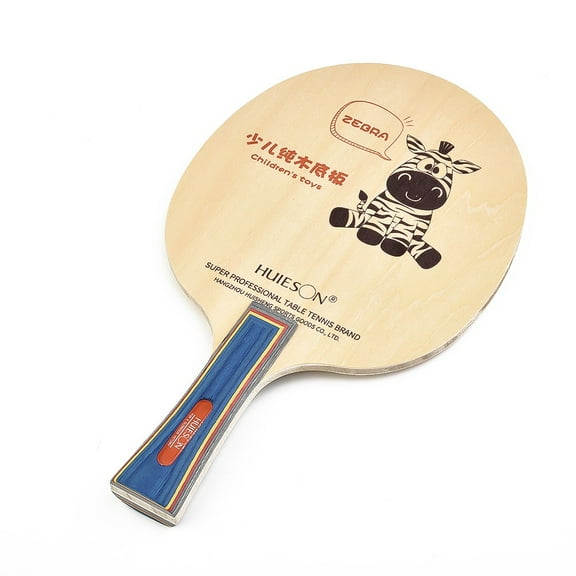
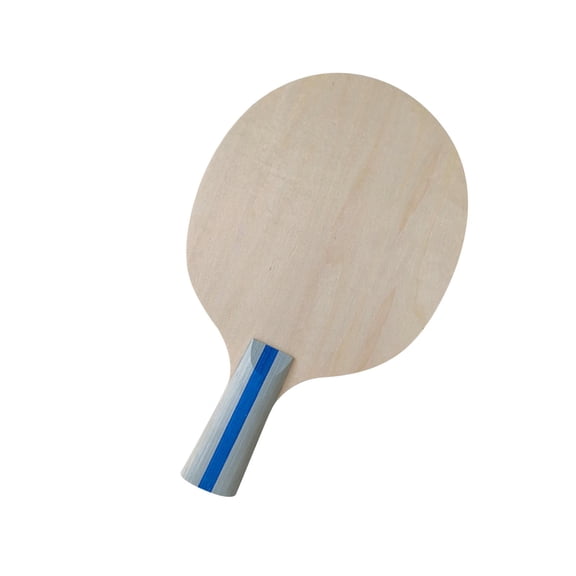
You should also examine blade construction and handle shape before you choose. You’ll often see layered wood designs, and those layers help determine feel, feedback, and vibration during contact.
When you compare indoor and outdoor use, you should think about where your table lives most often. You’ll want weather-ready materials for patios or garages, while indoor paddles can focus more on feel and touch.
You can also compare edge details, grip texture, and paddle weight for longer sessions. You’ll usually want a comfortable handle that stays secure when rallies speed up.
Choosing the right ping pong paddle and ball set
You should decide whether you need one paddle or a complete set before you buy. You’ll find that set configuration affects convenience, especially when you’re equipping a family room or rec space.
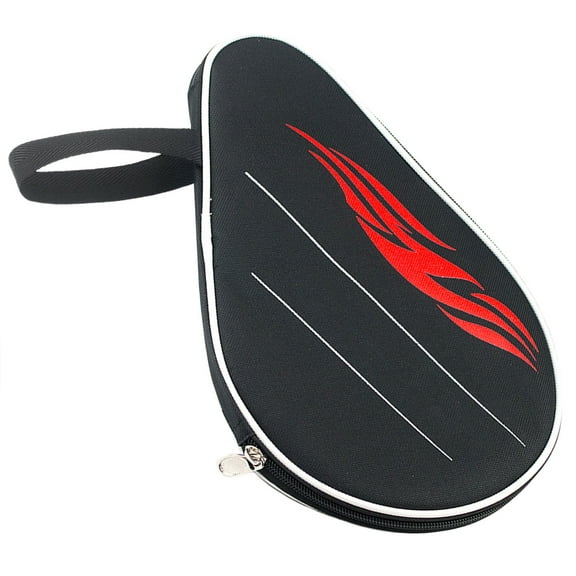
If you only need an individual paddle, you can replace a favorite racket without adding extras. You may choose this route when you already have table tennis balls and a case.
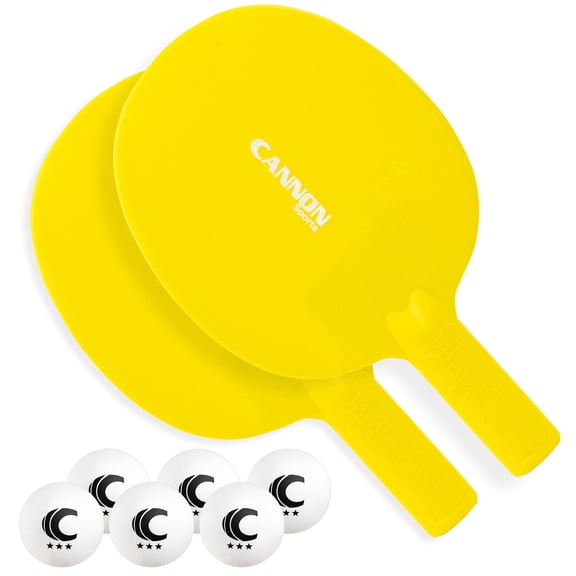
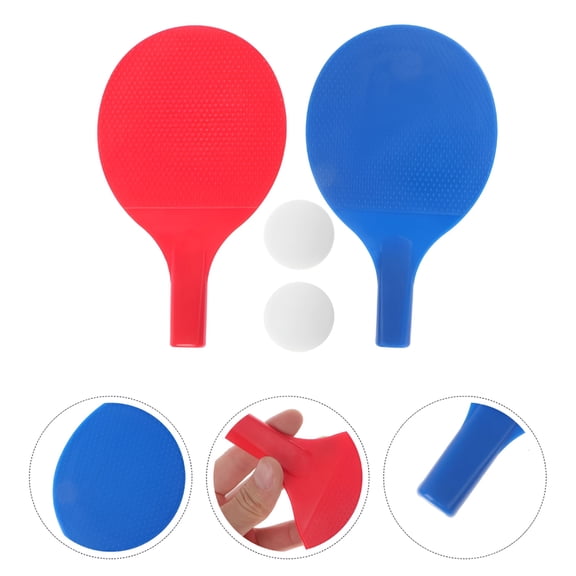
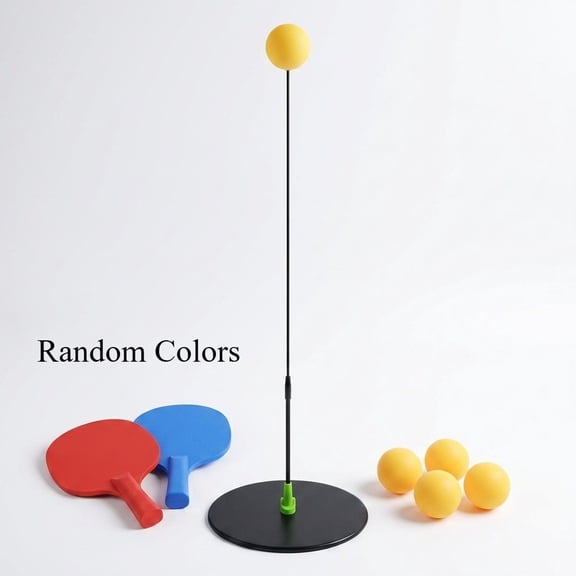
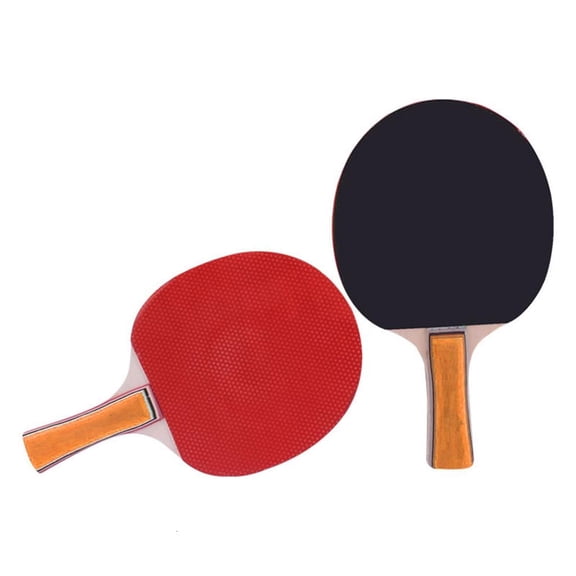
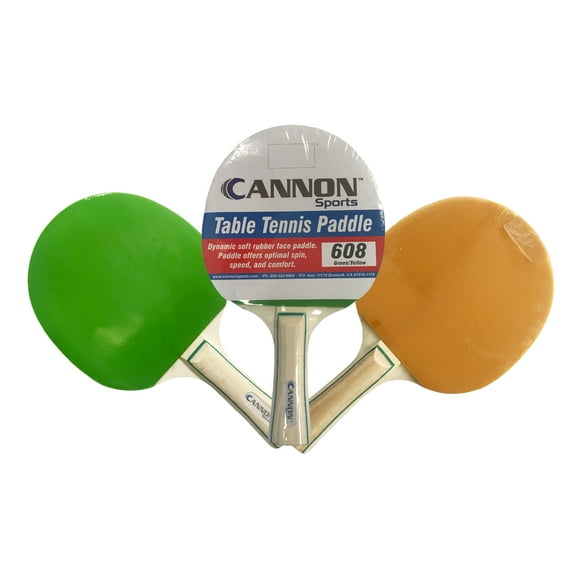
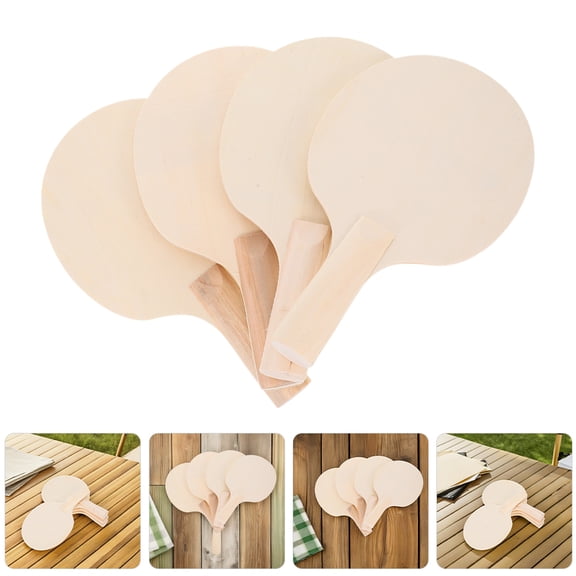
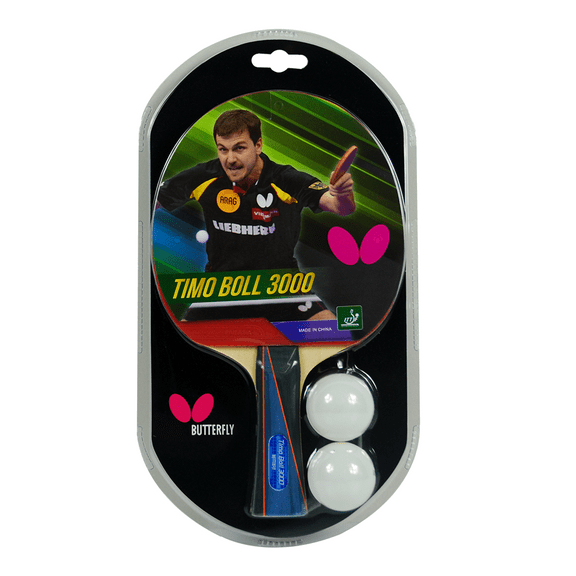
If you want quick setup for two players, you should compare a two-player set. You’ll often get a ping pong paddle and ball combination that makes pickup games easier to start.
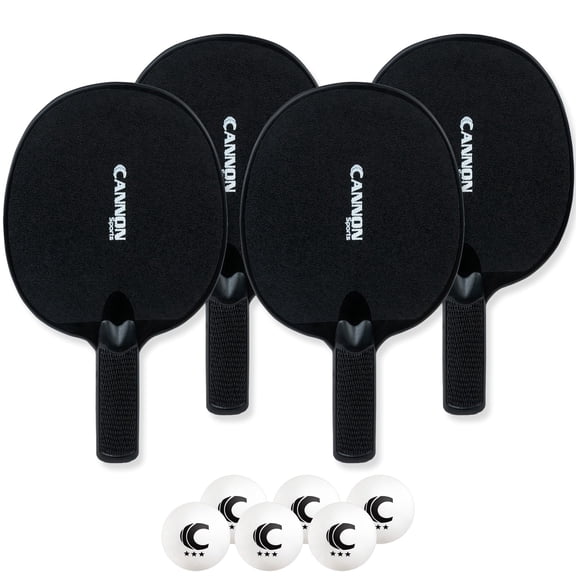
If you host family matches or group play, you may prefer a four-player set with balls. You can keep everyone involved without mixing mismatched paddles and worn balls from older sets.
You should also compare how sets match your skill level and audience. You’ll want kids and beginner sets for easier handling, while training ping pong paddle options can support repetitive practice.
Matching your paddle to how you play
You can narrow ping pong paddles by thinking about where and how often you play. You’ll make a clearer choice when you match paddle features to your real routine instead of broad ratings.
If you play occasional games in a basement or game room, you may want a recreational racket with steady control. You’ll likely appreciate forgiving contact during casual serves, returns, and family matches.
If you practice weekly and work on spin, you should compare intermediate or training models carefully. You’ll benefit from a setup that helps you repeat strokes and notice small technique changes.
When you coach drills or sharpen footwork, you may want a training ping pong paddle with dependable bounce. You can use that consistency to focus on timing, ball placement, and rally rhythm.
If you’re shopping for younger players, you should look for a kids ping pong paddle with manageable weight. You’ll help new players develop confidence when the handle and face feel easier to control.
You may also want to connect your setup with related gear for a complete game space. You can pair your paddle choice with ping pong tables, table tennis balls, and indoor recreation games for smoother play sessions.
You’ll feel more confident choosing table tennis rackets when you compare grip style, sponge thickness, set size, and audience. You can land on a paddle setup that fits your strokes, your space, and your next match.