

Textbooks. Shop TextBooks at Walmart.com






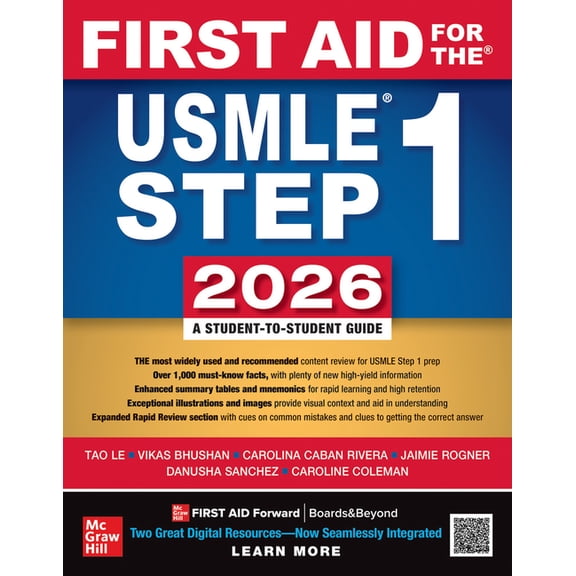

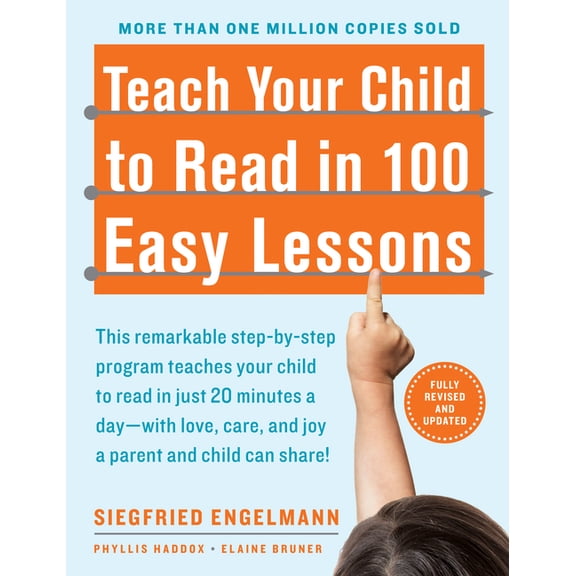







About Textbooks. Shop TextBooks at Walmart.com
Textbooks help you match the exact edition, format, and condition your class requires. You can compare college textbooks, school textbooks, and digital options with clear decision points.
Choosing textbooks by condition and format
When you compare textbooks, you should start with condition because your course timeline often shapes that choice. You may prefer new copies for a cleaner look, or used textbooks for visible wear details.
If you need short-term course materials, you can consider rental choices and check the listed rental duration first. You should also confirm return terms, because your class calendar can affect when you send the book back.
Format matters just as much, because your study style can change how you use the book each day. You may choose hardcover for durability, paperback for lighter carrying, or digital textbooks for quick access.
- You can compare new, used, and rental options based on how long you need the book.
- You can choose hardcover, paperback, or digital formats based on how you read and carry materials.
- You can review subject shelves that match science, business, medical, and other course paths.
- You can check education levels, so your selection fits college, high school, or elementary school needs.
What to look for in college textbooks
When you shop college textbooks, you should verify the exact title, author, and edition listed on your syllabus. You should also compare the ISBN-13 or ISBN-10, because those numbers identify the required book.
If your instructor lists a 10-digit or 13-digit identifier, you can use that number to narrow results quickly. This helps you avoid edition mix-ups when your ISBN matches the one on your course materials.
You should also check whether the publisher includes access codes or if previous owners already redeemed them. If your class uses digital homework platforms, you’ll want to confirm those extras before choosing.
Some courses require bundled materials, while others only need the printed text for reading assignments. You can compare listing details carefully, so your book aligns with lab work, quizzes, or online coursework.
Comparing subjects and education levels
Your subject area can shape what matters when you choose among textbooks online. You may need problem-heavy science and math books, case-based business texts, or terminology-rich medical titles.
Humanities and social sciences often involve longer reading sections, so you may prefer a lighter paperback or digital reading option. If you annotate often, you might lean toward a physical copy.
Education level also changes your shopping priorities, because course demands vary by age and classroom structure. You can compare college, high school, and elementary school textbooks with your assignment needs in mind.
College courses may require exact editions and portal access, while school textbooks may focus on grade-level coverage and classroom alignment. You should check the listing notes, so your choice fits the curriculum.
How to find textbooks by ISBN
If you want a direct path to the right book, you should search with the ISBN from your syllabus. You can use either an ISBN-10 or ISBN-13 when your instructor provides one.
Those identifiers work like unique book numbers, so you can separate similar titles or older editions. This helps you get accurate results when you enter the full sequence without switching digits.
If your course list shows only the title, you should still compare author names, edition numbers, and publication details. You can narrow choices further by checking subject, format, and condition filters.
Before you choose a rental or used copy, you should confirm whether the publisher includes access codes or if previous owners already redeemed them. That step matters when your coursework depends on online assignments or class portals.
Using textbooks for real class needs
You may need school textbooks for semester planning, daily assignments, or backup copies for home study. You can choose formats that match desk study, commuting, or screen-based reading.
If you carry several books across campus, you might prefer paperback or digital formats for easier packing. If you study at one desk, you may prefer hardcover copies for repeated reference.
When you need materials for a short course, textbook rentals can fit classes with fixed end dates. You should check the return window early, so your timeline stays organized.
If you’re comparing used textbooks, you can review condition notes for wear, markings, or cosmetic differences. This helps you know what to expect before class starts, which helps you plan confidently.
For online learning, you may prefer digital textbooks when you want quick access across devices. You should still confirm platform details and access terms, especially when your instructor assigns portal-based work.
When your syllabus includes bundles, you can look for listings that mention access keys or companion materials clearly. This helps you make a precise choice when the seller lists every required component upfront.
With textbooks, you can narrow your choice by ISBN, condition, format, subject, and education level. This helps you feel confident when your selection matches your course requirements from the start.