

French Country


Styles from $14




Shop by category



Shop more styles

FAQ
About French Country - Walmart.com
Your french country space can feel warm, refined, and lived in when you choose pieces with soft color, shaped lines, and timeworn finishes. You’ll notice this style blends rustic texture with graceful details that feel inviting in dining rooms, bedrooms, and everyday living areas.
When you shop this look, you’ll want to compare materials, finishes, scale, and hardware before you commit to a full room. You can use those details to build french country living with furniture and decor that feel coordinated instead of overly themed.
How to choose french country furniture
You’ll usually start with material and finish because they shape both durability and visual character. You can compare distressed wood, reclaimed pine, wrought iron, and weathered oak to match your room’s texture and daily use.
If you prefer a more solid, substantial feel, you may look for solid wood in key surfaces and frames. If you’re comparing MDF or veneer panels, you should check veneer thickness and edge finish for a more polished appearance.
You’ll also want to compare distressing levels before you mix several pieces in one room. You can choose lightly brushed finishes for a cleaner look, or heavily weathered surfaces for stronger rustic character.
- You can create a layered look with carved wood, curved legs, and antique-style hardware.
- You can keep your room bright with antique white, cream, muted gray, and soft pastel tones.
- You can add contrast with wrought iron bases, drop pulls, and oil-rubbed bronze accents.
- You can make the style feel grounded by mixing storage pieces with relaxed seating and natural textures.
What to look for in french country materials and details
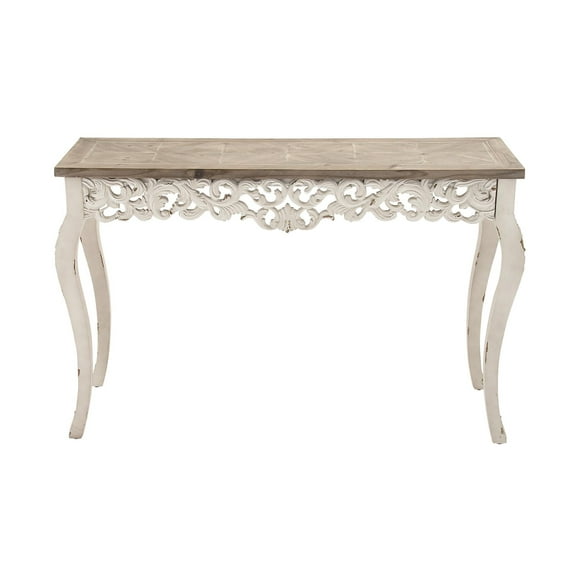
You’ll often see country french style expressed through shaped aprons, turned legs, and gently aged finishes. You can use those details to bring rustic and elegant elements together without making your room feel formal.
For color, you should compare cream, antique white, muted gray, lavender, and soft pastel accents against your wall color and flooring. You’ll usually get a calmer result when your larger pieces stay neutral and your accents bring in softer color.
Hardware matters because you’ll touch it every day and see it from across the room. You can look for antique brass, oil-rubbed bronze, or drop pulls when you want drawers and doors to reinforce the style.
Assembly details also deserve attention when you’re choosing larger case goods or tables. You should compare joinery like dovetail drawers or cam-lock construction so you understand how each piece comes together.
If you’re furnishing a busy dining area, you may prefer surfaces that hide wear and texture that already looks gently aged. If you’re styling a bedroom, you may focus more on carved details, painted finishes, and balanced proportions.
Choosing the right scale, color palette, and room mix
You’ll get a stronger result when you measure your room before choosing dining tables, sideboards, accent chairs, or beds. You should check walkway clearance, chair pullback space, and visual weight so your layout feels open.
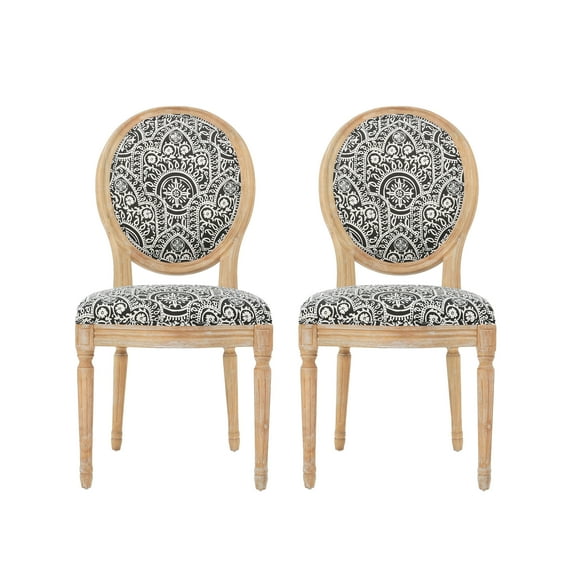
A long sideboard can anchor a dining wall, but you’ll want enough open space around it to keep the room easy to move through. An accent chair with a curved back can soften a corner, though you should balance it with lighter tables.
In smaller rooms, you may prefer weathered oak or reclaimed pine pieces with slimmer legs and lighter paint tones. In larger rooms, you can use deeper distressing and heavier silhouettes to create a grounded focal point.
You can also build french country living room furniture combinations by pairing a rustic table with elegant seating and subtle metal accents. You’ll keep the look cohesive when repeated finishes appear across frames, hardware, and storage pieces.
How to match french country style to real rooms
You can use dining tables and sideboards to create a welcoming room for everyday meals and holiday gatherings. You’ll often get the look right when distressed wood pairs with cream finishes and antique-style pulls.
For bedrooms, you may combine a painted bed with weathered nightstands and soft lavender or muted gray accents. You can keep the room restful when ornate details stay measured and the palette remains light.
In an entry or small living area, you might use an accent chair, a narrow cabinet, and wrought iron touches. You’ll make the style feel intentional when curved lines repeat and the finish tones stay within the same family.
If you’re comparing french country furniture reviews, you should focus on finish consistency, drawer glide feel, and assembly clarity. You can also compare how distressing appears in shopper photos when you want a lighter or more weathered look.
You may also want this style to connect with farmhouse or provincial decor you already own. You can bridge those looks by choosing vintage-inspired shapes, soft painted surfaces, and hardware with an aged appearance.
Your home can feel collected and settled when your french country choices follow the same material, scale, and finish cues from room to room. You’ll create a polished, welcoming look that balances rustic texture with elegant everyday comfort.