

Womens Dresses & Jumpsuits



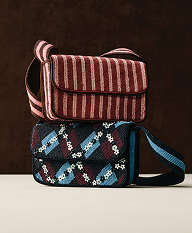
The dress edit
Meet your closet refresh for cool days.
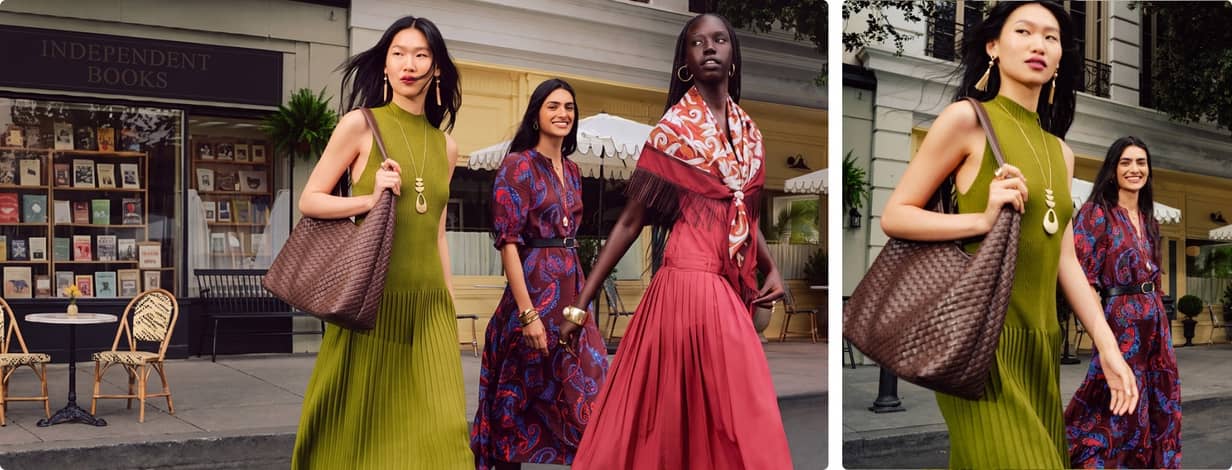
Something for everyone






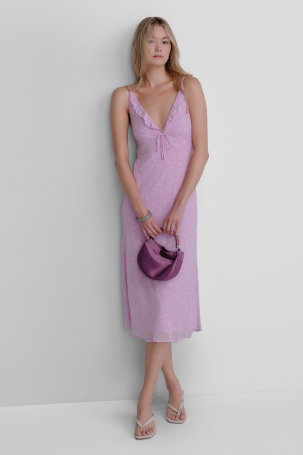
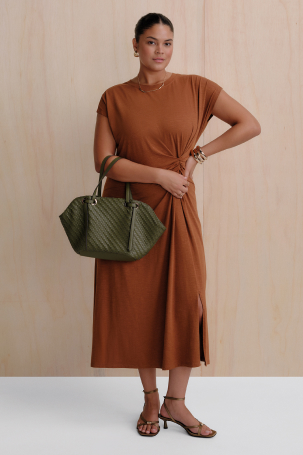
Choose durability
Breathable fabrics, pockets & beyond.



Dresses
- Shop all
- Plus size maxi dresses
- Plus size denim dress
- Plus size summer dresses
- Plus size wedding dresses
- Plus size bridesmaid dresses
- Plus size wedding guest dresses
- Plus size mother of the bride dresses
- Plus size cocktail dresses
- Plus size graduation dresses
- Plus size white dresses
- Plus size formal dresses
- Plus size prom dresses
FAQ
About Womens Dresses & Jumpsuits
Women’s dresses help you build outfits for everyday plans, seasonal events, and polished occasions. You can compare silhouettes, fabrics, and dress codes in one place, so your shortlist feels clearer.
If you’re choosing for warm weather or events, you’ll want options that move easily from day to night. You can also narrow by length, shape, and material before you commit.
How to choose women’s dresses by silhouette
Silhouette shapes how your dress feels, fits, and styles with your shoes or layers. You can use length and waist definition to match your plans and comfort level.
If you want easy movement, you may prefer maxi dresses for sandals, flats, or heeled shoes. If you want a polished everyday look, you may reach for midi styles. If you like a leg-baring shape, you may choose mini lengths for warm days.
Wrap dresses let you adjust the waist and create a custom-looking fit through the middle. A-line dresses give you gentle shape, so your outfit feels balanced and easy to wear.
- You can choose maxi lengths when you want fuller coverage and a flowing line.
- You can pick midi dresses when you want a versatile hem that works across many settings.
- You can select mini styles when your outfit calls for a shorter, lighter look.
- You can consider wrap shapes when you want flexible waist definition.
- You can look at A-line options when you want a classic, easy shape.
Choosing occasion-ready styles, from casual to summer dress wedding guest looks
Occasion is often the first filter, because your dress needs to match the setting. You can use simple dress-code cues to sort casual, cocktail, formal, and wedding guest options.
For casual plans, you may want soft fabrics, simple shapes, and easy layering with sneakers, sandals, or denim jackets. For cocktail events, you can look for refined details, a neater silhouette, and a hemline that feels dressed up.
If you’re shopping a summer dress wedding guest look, you may want light fabrics and polished colors. If the invitation feels dressier, you can compare formal summer dresses for women with longer lengths or smoother drape.
You’ll also see elegant summer dresses for wedding guests in satin or chiffon, which can look elevated without feeling heavy. If you search frock women styles, you may simply want feminine shapes with easy outfit potential.
What to look for in seasonality and fabric
Season and fabric work together, especially when your calendar includes heat, layers, or changing temperatures. You can choose materials that align with airflow, drape, and how much structure you want.
Cotton dresses often feel easy for daytime wear, because you get a soft hand and a relaxed look. Linen can suit hot days, when you want an airy feel and a casual, natural texture.
Chiffon can help your outfit feel light and dressy for events, especially in flowing silhouettes. Satin can give your look a smoother finish when you want shine and a more formal appearance.
For spring and summer, you may favor lighter fabrics and brighter styling with sandals or simple jewelry. For fall and winter, you can look for sleeves, longer hems, and layering room for cardigans, tights, or boots.
Using fit and sizing to narrow your shortlist
Fit matters as much as color, because the right shape makes styling easier. You can compare standard sizing terms with silhouette details to understand how a dress may sit on your frame.
If you want a defined waist, you can check wrap styles or styles with shaping through the middle. If you want ease through the hips, you can compare A-line skirts or fuller maxi cuts.
Hem length also changes how your outfit works with shoes and daily movement. You can measure where mini, midi, or maxi lengths may fall, so your pick feels intentional.
When you expect long hours in one outfit, you may want fabric stretch, soft lining, or a less structured shape. You can also think about whether your dress needs to layer under a blazer, sweater, or light jacket.
How women’s dresses support real-life styling
You may need one dress for brunch, work events, travel days, and dinner plans. You can make that easier by choosing colors, lengths, and fabrics that shift with accessories.
A midi cotton dress can work with flats during the day and heeled sandals at night. A satin wrap dress can move from cocktail plans to formal dinners with a simple shoe change.
For summer wedding outfits for female guests, you may want breathable fabric and a polished silhouette that still feels comfortable outdoors. For formal wedding guest dresses for summer, you can consider chiffon or satin with elegant movement.
If your event runs into the evening, you may prefer summer evening wedding guest dresses with longer lengths or dressier finishes. You can also keep versatility in mind when you want a dress to work across more than one invitation.
With women’s dresses, you can narrow choices by silhouette, occasion, season, and fabric instead of guessing. That approach helps you land on a style that feels right the moment you put it on.