
































Outdoor Play
Shop by category
Shop new arrivals
Good times for every age
Shop deals
Let the good times roll

Popular characters












FAQ
About Outdoor Play - Walmart.com
Outdoor play helps you turn your yard into an active hangout with room for climbing, bouncing, digging, and make-believe fun. You can compare swing sets, playhouses, trampolines, and sandboxes by space, age range, and material before you choose.
How to choose outdoor play equipment
Start with your yard size and the activity style your family uses most often. You’ll want enough open space for movement, plus a clear setup area around each piece.
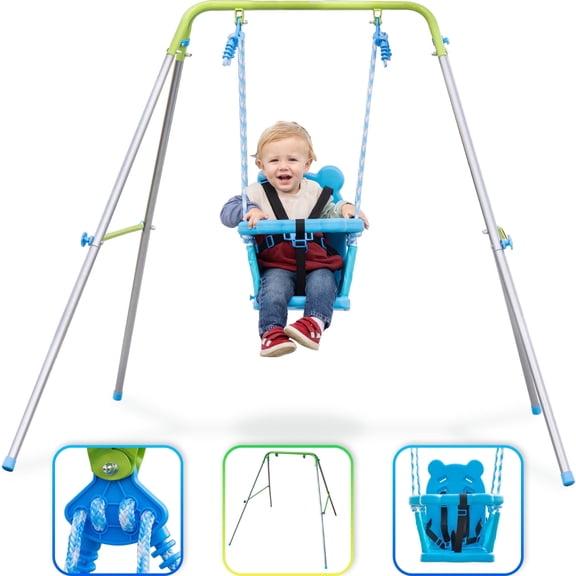
Consider how each product type fits your routine and layout. You may prefer backyard swing sets for climbing variety, kids playhouses for pretend play, trampolines for bounce time, or sandboxes for seated play.
Check whether your setup area matches a small backyard, a large backyard, or an indoor-outdoor spot. You’ll make a smarter choice when you measure width, depth, and overhead clearance first.
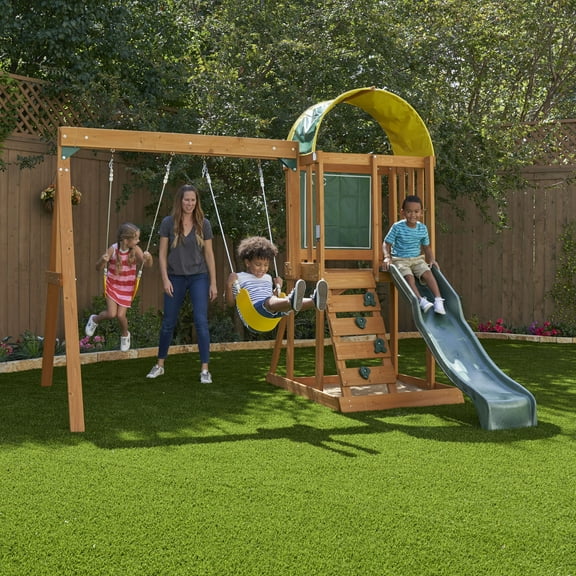
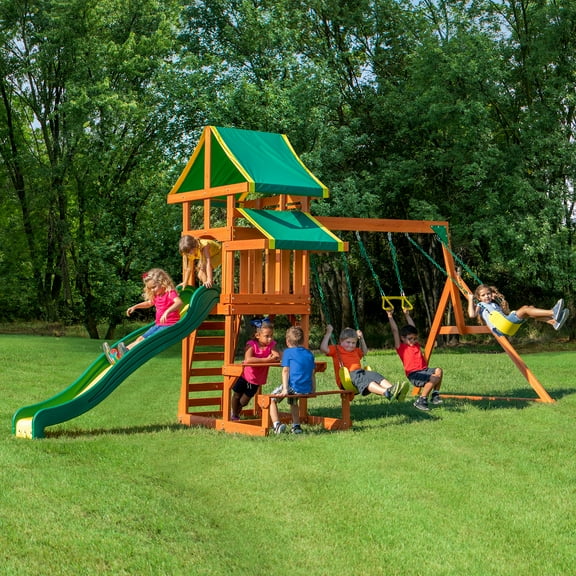
- You can use swing sets when your yard supports wider footprints and swing paths.
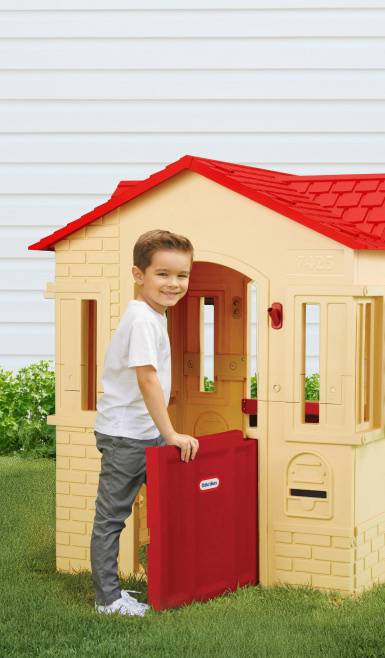
- You can choose playhouses when your child enjoys pretend kitchens, windows, doors, and shaded backyard time.
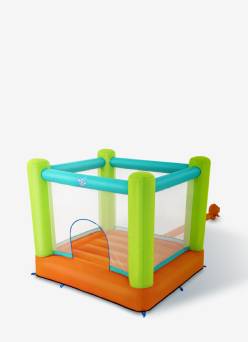
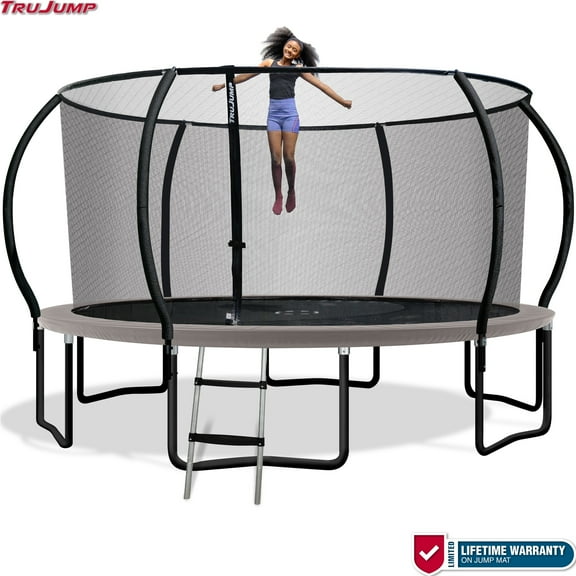
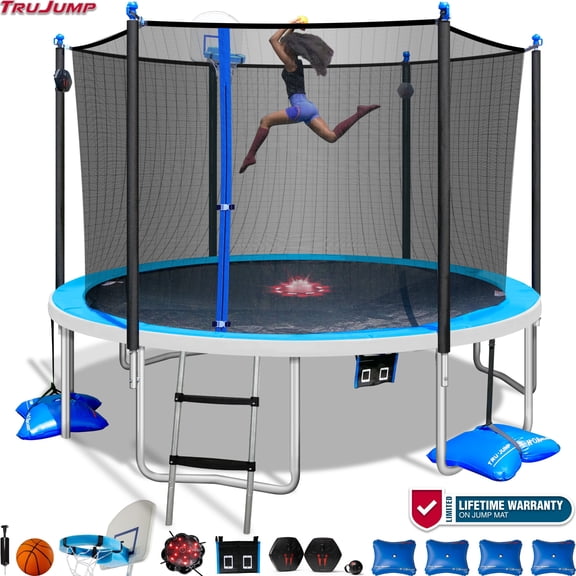
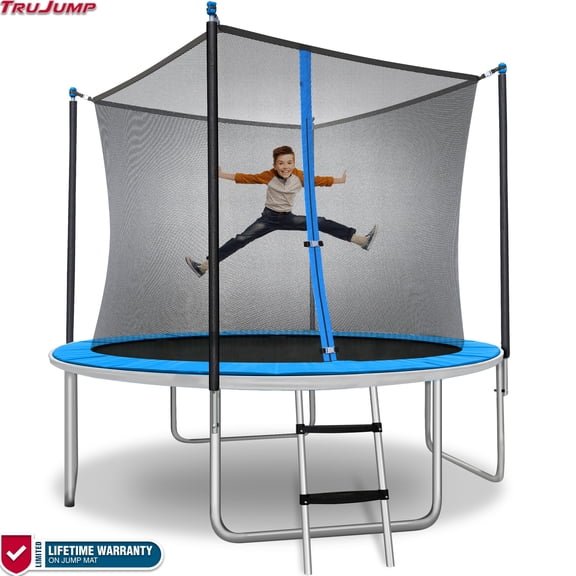
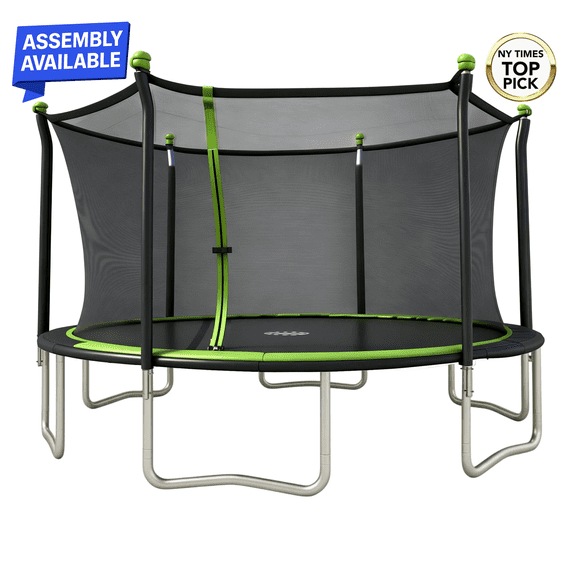
- You can compare trampolines by frame size, enclosure style, and open clearance around the jumping area.
- You can pick sandboxes when you want flexible backyard play toys with a lower profile.
Choosing product type and age group
Match the activity to your child’s age and stage before you focus on style. You’ll usually want lower platforms and simpler steps for toddlers, with taller climbers for older kids.
Look for stated age guidance and weight limits because those details shape daily use. You can avoid outgrowing a setup too quickly when you compare capacity and skill level together.
For outdoor toys for kids, consider how many children may use the space at once. You’ll want enough stations, seats, or play zones to keep turns moving smoothly.
Playhouses often suit quieter backyard time with role play, while climbers invite active movement. You can mix both styles when your yard supports separate zones for pretend play and motion.
Comparing materials for outdoor play equipment
Material changes how your setup looks, feels, and holds up through the seasons. You can compare wooden, plastic, and metal frames by maintenance needs and overall feel.
Wooden sets usually give you a classic backyard look and larger play structures. You’ll want to check whether wood surfaces may need sealing and occasional upkeep over time.
Plastic pieces often work well for younger children and smaller footprints. You can appreciate lighter parts, bright colors, and easy-clean surfaces for daily backyard use.
Metal frames can suit climbers, swing supports, and trampoline structures that need a firm shape. You’ll want to check finish details that help resist rust and weather wear.
Sun, rain, and temperature changes affect every material in different ways. You can look for UV-resistant surfaces, covered hardware, and design details that make cleaning easier.
Measuring space, clearance, and anchoring
Space planning matters because active play needs room beyond the product footprint. You should measure the base size, then add the recommended safety clearance dimensions around it.
Backyard swing sets need extra front and back clearance for swing motion. You’ll also want side clearance so children can move around ladders, slides, and support beams comfortably.
Trampolines need open space around the frame and above the jumping surface. You can check overhead branches, fences, and nearby furniture before you place the unit.
Anchoring depth is another key decision when you compare larger structures. You’ll want to review ground type and anchor requirements so your setup matches your yard conditions.
If you have a small backyard, focus on compact footprints and multi-use designs. You can get more function from one structure when it combines climbing, sliding, and imaginative play.
Assembly, durability, and seasonal use
Assembly can shape your decision as much as size or style. You should compare estimated setup time, included hardware, and whether common tools handle the job.
Some outdoor play equipment suits a straightforward weekend project with basic steps. You may prefer professional installation for larger sets with multiple beams, anchors, or elevated platforms.
Weather durability matters when your setup stays outside through spring and summer. You can look for rust-resistant finishes, UV-resistant panels, and covers or canopies where available.
Maintenance needs vary by material and design. You’ll want to wipe plastic surfaces, check hardware tightness, and inspect wood finishes so your play area stays ready for everyday use.
Seasonal favorites can also guide your choice. You might lean toward spring outdoor toys with climbing and digging features, or summer backyard games with bounce and swinging action.
Matching backyard play toys to your home
If your household has toddlers, you may want lower platforms, shorter slides, and easy step-ups. You can pair those features with plastic construction for lighter everyday maintenance.
If your yard is large, you may have room for backyard swing sets with slides, towers, and multiple stations. You’ll get more flexibility when several children use the space together.
If your child loves pretend play, kids playhouses can create a backyard zone for role play and quiet time. You can place them near patios or shaded corners for easy supervision.
If your family wants active motion in one dedicated spot, kids trampolines can fit that goal. You’ll want a level surface, clear perimeter space, and an enclosure style that matches your plan.
When you compare outdoor play by product type, material, age group, and yard size, you can narrow choices with confidence. You’ll end up with a setup that fits your space, supports active time, and keeps backyard fun easy to plan.