

Audio



























About Audio - Walmart.com
Radios help you stay connected at home, on the road, and during outages. You can compare portable models, tabletop styles, and emergency options by power source, bands, and everyday features.
If you want quick listening, radios give you simple access to news, music, sports, and weather updates. You can also choose analog tuning, digital displays, or added connectivity that fits your routine.
How to choose radios by type
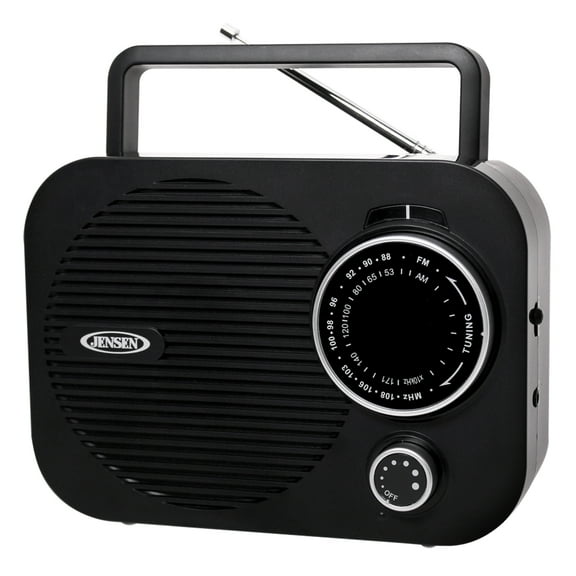
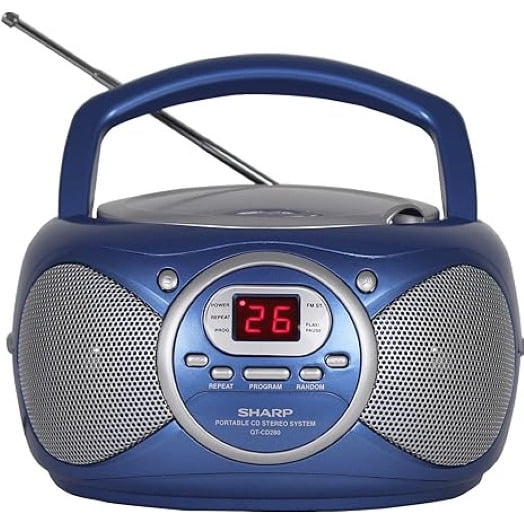
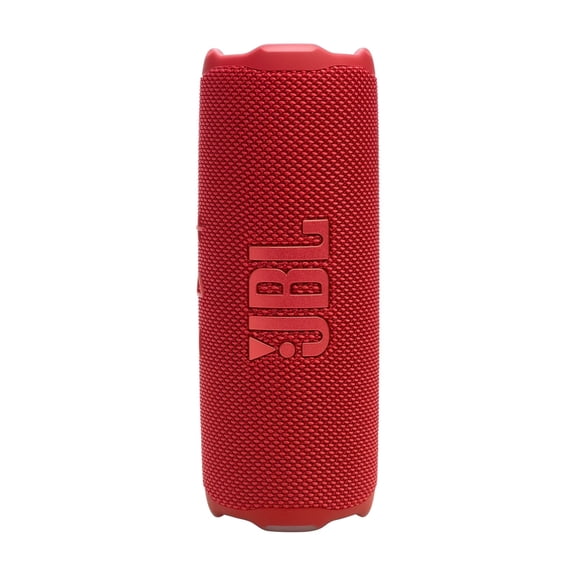
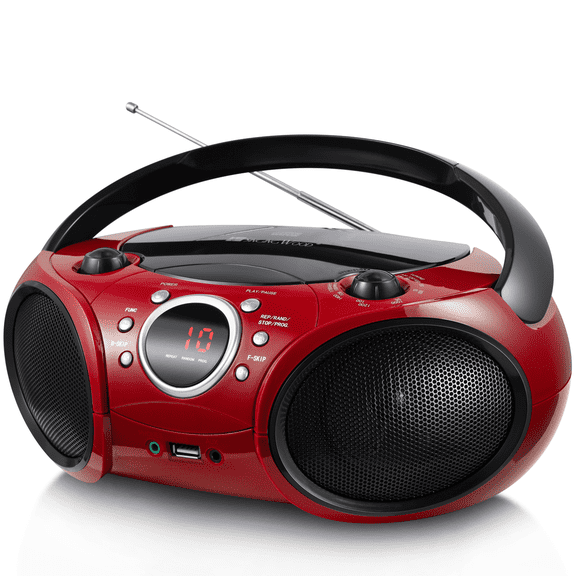
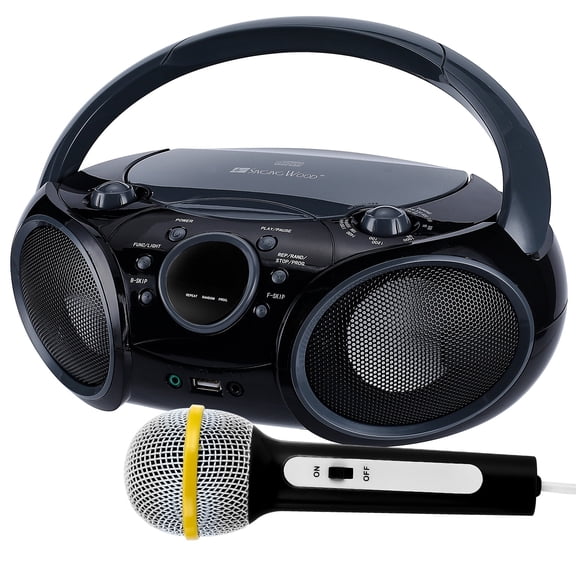
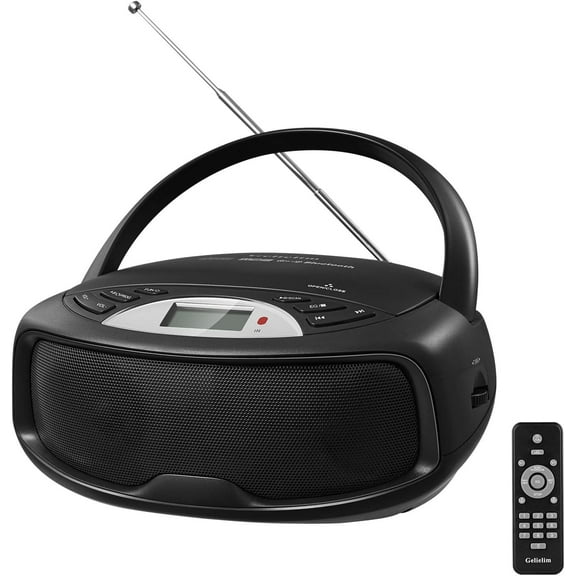
Portable radios work well when you want lightweight listening that moves with you from room to room. You can carry them to the yard, pack them for trips, or keep them in a tote.
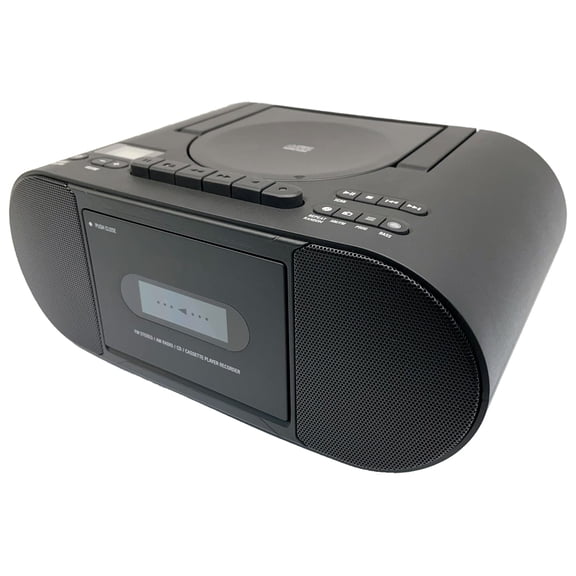
Tabletop units make sense when you want a steady spot for listening in a kitchen, office, or bedroom. You may prefer larger controls, stronger speakers, and easy station presets for daily use.
Emergency weather radios focus on preparedness features that support listening when power options change. You can look for NOAA weather band access, alert functions, and backup charging methods.
Clock radio styles combine time display and radio listening in one compact footprint. You can keep your nightstand clear while getting alarms, station memory, and simple bedside controls.
What to look for in portable radios
Portable radios can give you flexibility when you want listening without a fixed setup. You should compare size, handle design, weight, and battery operated radios for easier use away from outlets.
Smaller models fit easily in travel bags, glove boxes, or shelves with limited space. You may want larger buttons and a clearer dial if you adjust stations often.
- You can take portable radios outside for yard work, camping, or tailgates.
- You can choose compact designs when your storage space stays tight.
- You can use battery powered options when outlets aren't convenient.
- You can pick headphone jack models when you want private listening.
When you compare everyday listening needs, portability often matters as much as sound. You should check whether the radio feels easy to carry and simple to tune quickly.
Choosing power sources for everyday use and outages
Power source affects where and when you can use your radio. You should compare AC plug-in units, battery operated radios, solar powered options, and hand crank designs.
AC plug-in models suit counters, desks, and bedside tables where you want steady power. You can leave them in place and enjoy routine listening without changing batteries often.
Battery powered options help when you want flexibility during travel, outdoor use, or blackout planning. You should check battery type and expected runtime if you plan longer use.
Solar powered and hand crank models matter when you want backup charging choices during emergencies. You can keep listening even when wall power isn't your first option.
If preparedness matters, compare how many charging methods a radio includes. You may prefer a model that combines battery support with crank or solar charging.
Comparing am fm radios and weather bands
Band support shapes what you can hear and when you can hear it. You should compare am fm radios, shortwave options, and NOAA weather band coverage based on your listening goals.
AM radio often helps you follow talk programming, local updates, and live sports coverage. FM radio usually gives you clearer music playback for everyday listening around your home.
Shortwave support can expand the stations you try when you enjoy broader listening options. You may like that extra range if you want more than local broadcasts.
NOAA weather band access matters when you want focused weather information and alert support. You should check whether emergency weather radios include NOAA certification and dedicated alert features.
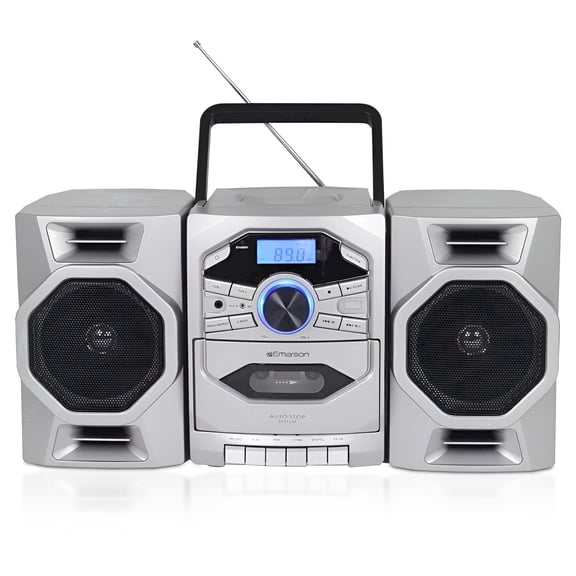
Signal strength also affects your experience, especially in large homes or travel settings. You can compare telescoping antennas, digital tuning, and preset memory for easier station access.
Checking connectivity and convenience features
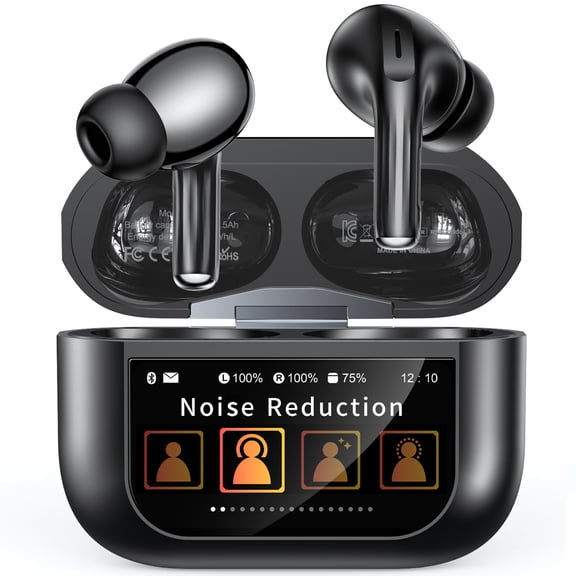
Modern radios can do more than tune local stations. You can compare bluetooth radios, USB charging, headphone jacks, and display features that fit your setup.
Bluetooth radios help when you want to stream playlists or podcasts from a phone. You can switch between broadcast listening and personal audio without changing devices.
A headphone jack works well when you want quiet listening in shared spaces. You may also appreciate USB ports for charging or playback support, depending on the model.
Digital displays can make station selection and time viewing easier at a glance. If you like a classic feel, you can still choose analog dials with straightforward controls.
Matching radios to your routine
If you commute, travel, or spend time outdoors, portable radios can fit your daily movement. You can choose compact battery models that slip into a bag and tune quickly.
For kitchens, workshops, and home offices, tabletop units create a simple listening station. You may want AC power, larger speakers, and preset buttons for frequent use.
If you build an emergency kit, emergency weather radios deserve close attention. You should look for NOAA alerts, hand crank charging, solar support, and dependable battery backup.
Bedside listening calls for a compact footprint and easy nighttime controls. You can compare clock radios with dimmable displays, alarm functions, and straightforward station access.
When you want one device for radio and streaming, connectivity can guide your choice. You may prefer bluetooth radios with headphone access for flexible listening throughout the day.
With the right radios, you can match power, band support, and size to the way you actually listen. You’ll get clearer decision points, simpler setup, and the features that fit your space.