




Results for "bed sheets & pillowcases"(1000+)
In 200+ people's carts, Mainstays Basic Value Microfiber Bed Sheet Set, Queen, Light Blue, 4 Piece, Price $14.97 Options from $6.97
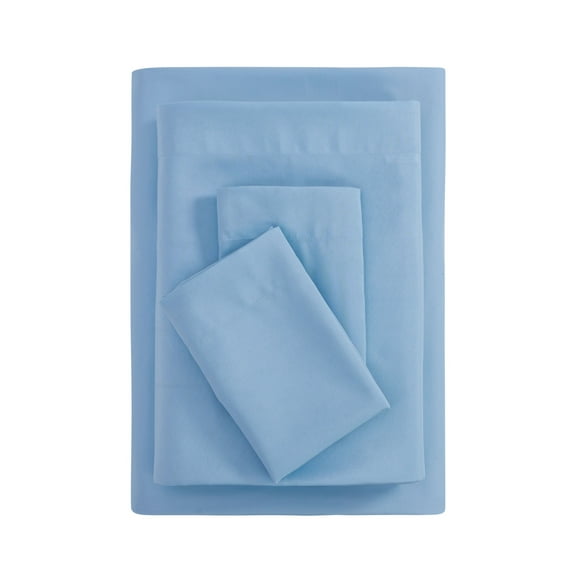


Rollback, Mainstays Super Soft Brushed Microfiber Bed Sheet Set, Soothing Gray, Queen, 4 Piece, Price Now $17.94 Was $19.97 Options from $8.94


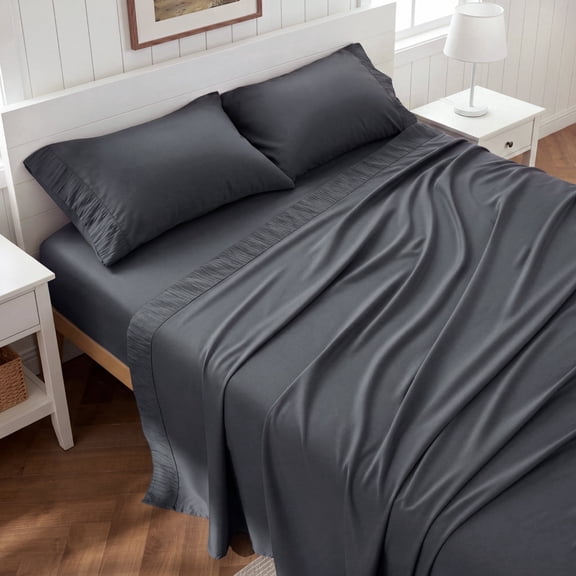
U by Bedsure Queen Sheets Set, 4 Pieces Deep Pockets Cooling Soft Polyester Microfiber Bed Sheets Set, Dark Gray, Price Now $18.89 Was $31.99 Options from $17.99


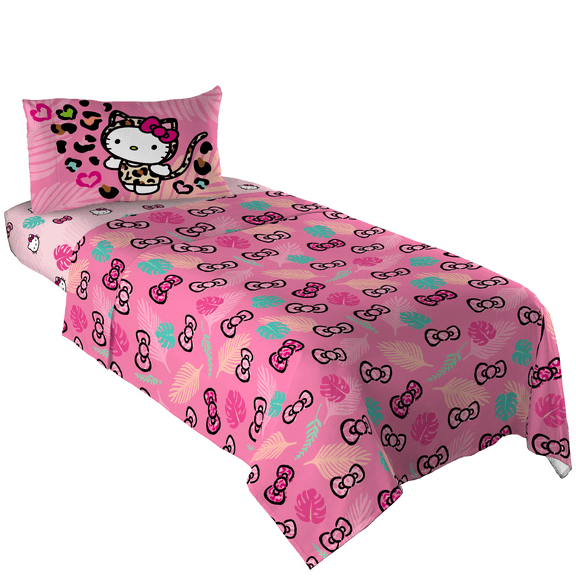
Hello Kitty Kids 3 Piece Pink Sheet Set, Twin, Price $22.42 Options from $22.42 – $28.42
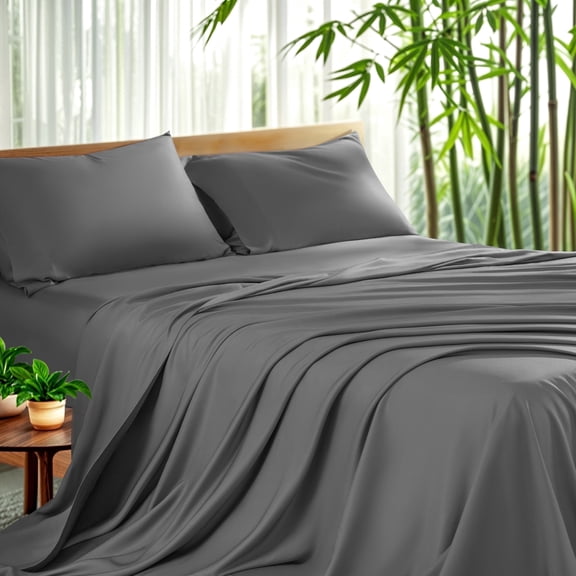
U by Bedsure Queen Sheets Set, 4 Pieces Deep Pockets Cooling Soft Polyester Microfiber Bed Sheets Set, Dark Gray, Price Now $18.89 Was $31.99 Options from $17.99
Best seller, Sonoro Kate Breathable Bamboo Bed Sheet Set - Deep Pockets - 4 Piece, Queen, Dark Gray, Price Now $24.99 Was $47.99 Options from $24.99 – $38.99
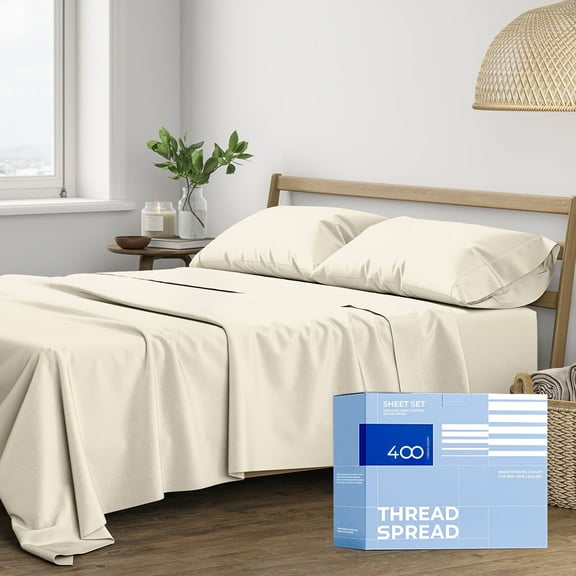
THREAD SPREAD 100% Cotton Queen Bed Sheets - Luxury 400 Thread Count Bed Sheets Queen Size (4 PC, Ivory), Silky Soft Cooling Sateen Hotel Sheet Set, Price Now $49.99 Was $90.99 Options from $39.59
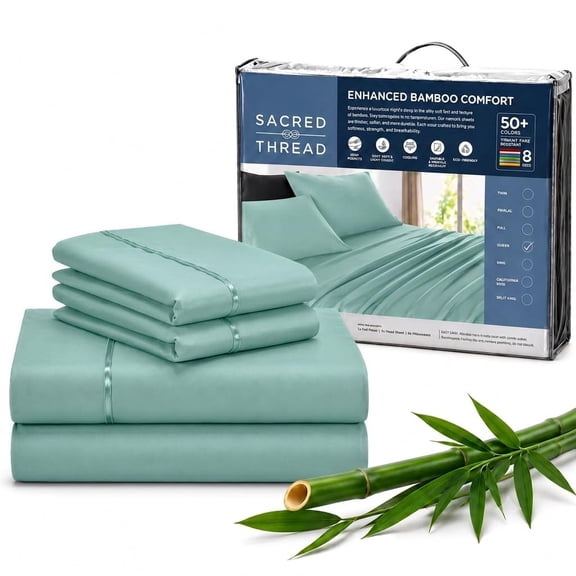
Sacred Thread Rayon Derived from Bamboo Sheets ,4-Piece Set, 1 Flat Sheet, 1 Fitted Sheet, 2 Pillowcases, Price $34.99 $34.99/count Options from $34.99 – $44.99
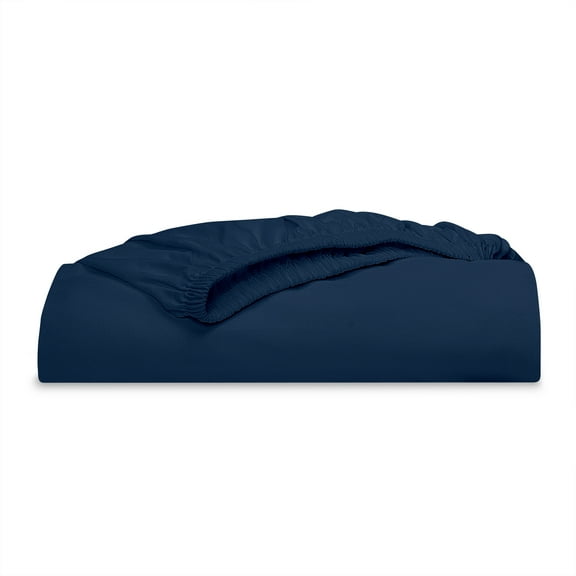
Overall pick, Mainstays 300 Thread Count Easy Care Percale Fitted Sheet, Blue Cove, Twin/Twin XL, Price $9.84 Options from $9.84 – $20.84


Best seller, Better Homes & Gardens 3-Piece 300 Thread Count Arctic White Cotton Sateen Bed Sheet Set, Twin, Price $24.97 Options from $24.97 – $44.97


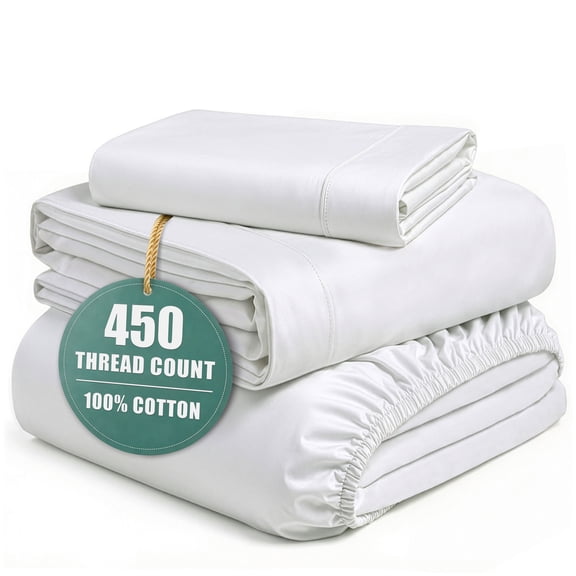
Casa Platino Cotton Twin Sheets – 450 Thread Count 100% Cotton Cooling Sheets, Soft Sateen Weave, Deep Pocket Fits 15” Mattress, Fade-Resistant Hotel Bedding – White, Price $38.99 Options from $38.99 – $55.99
Jessy Home Bed Sheets Set 4 Piece Queen/Full Sheet Set Silver Gray Cotton Blend Fitted Sheet, Flat Sheet & 2 Pillowcases Bedding Set, Price Now $24.99 Was $35.99 Options from $12.99

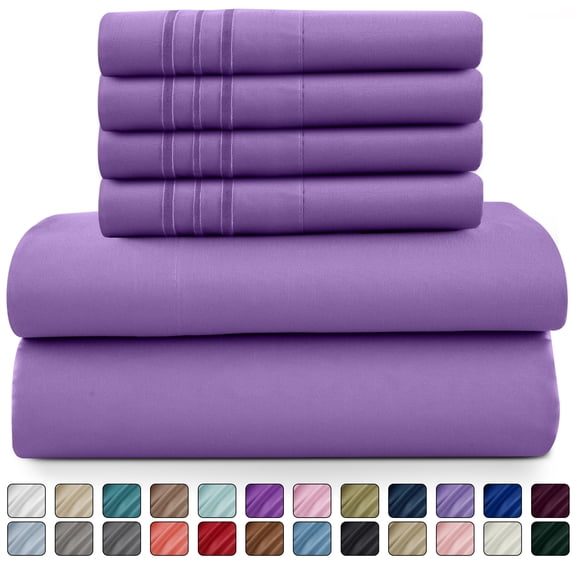
Best seller, Lux Decor Collection Queen Sheets Set - 6 Piece Microfiber 16 Inch Deep Pocket Bed Sheets Set - Purple, Price Now $18.99 Was $44.99 Options from $13.99


Mainstays Satin Pillowcase – Standard – Blush Pink – Frizz Control & Cooling Comfort – 1 Pack, Price $4.47


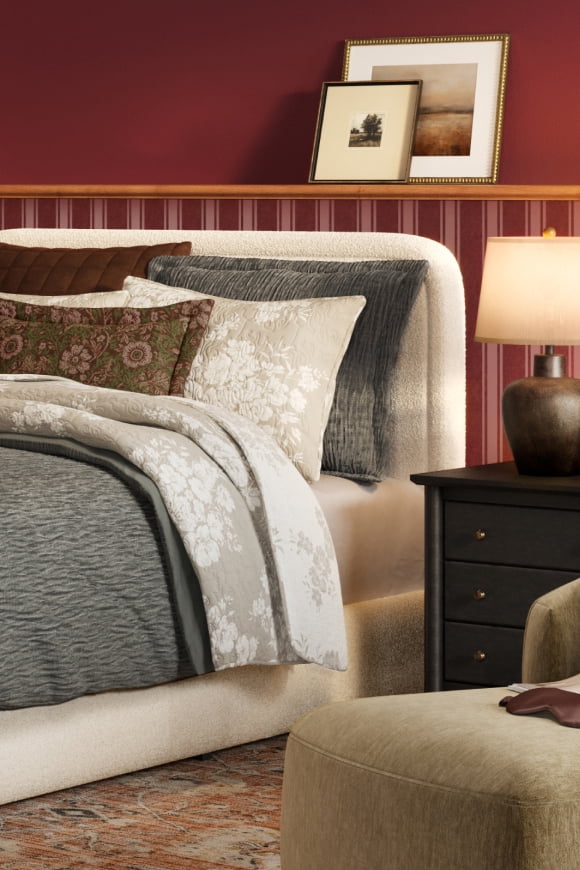
100+ bought since yesterday, Mainstays Super Soft Brushed Microfiber Pillowcase Set, Arctic White, Standard/Queen, 2 Piece, Price $6.97 Options from $6.97 – $7.97


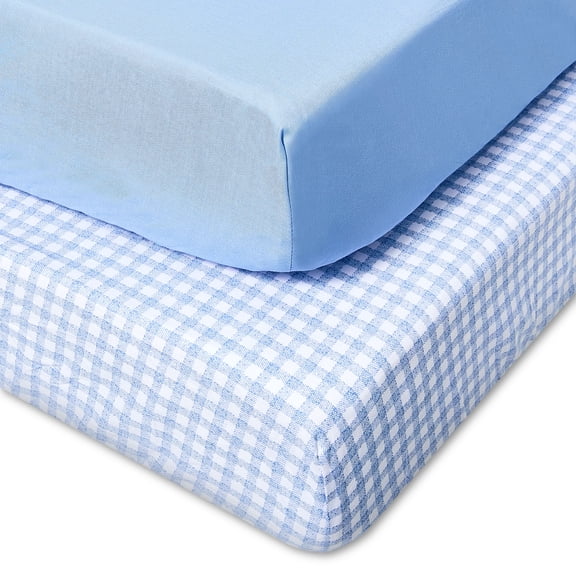
Parent's Choice Cotton Fitted Crib Sheets, Gingham, 2 Pack, Price $12.97 $6.49/ea


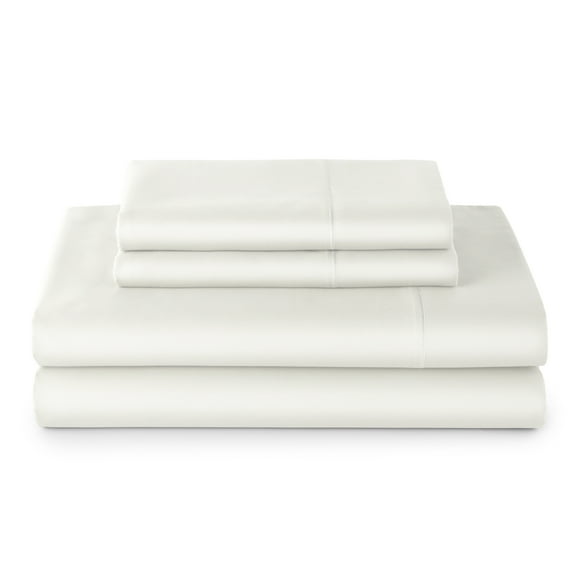
Best seller, Better Homes & Gardens 4-Piece 400 Thread Count Vanilla Dream Performance Bed Sheet Set, Queen, Price $45.97 Options from $31.97


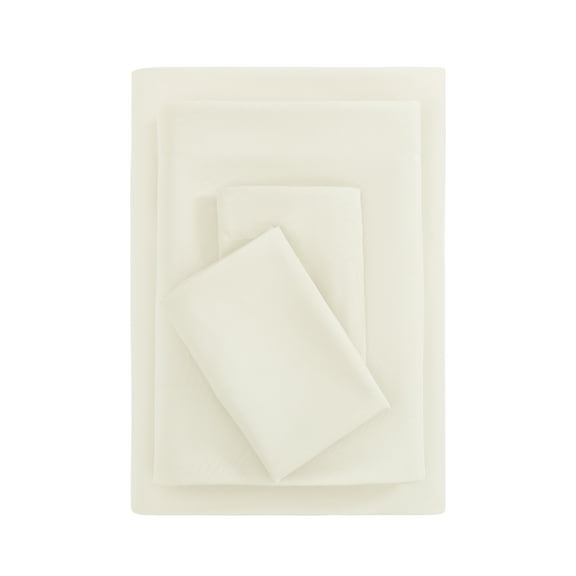
Mainstays Basic Value Microfiber Bed Sheet Set, Vanilla Dream, Full, 4 Piece, Price $9.97
Hotel Style Egyptian Cotton 4-Piece Sheet Set, Queen, Duck Egg Damask Stripe, 600 Thread Count, Deep Pocket, Price $25.60 Options from $23.99


Clearance, Sleepdown 100% Cotton Queen Size Bed Sheets Set with Deep Pockets, Cozy Percale sheets with Elastic Fitted Sheet Set Ultra Soft Cooling Sheets - 4 Piece Bedding and Pillowcase set, Lavender, Price Now $31.49 Was $35.49 Options from $25.49


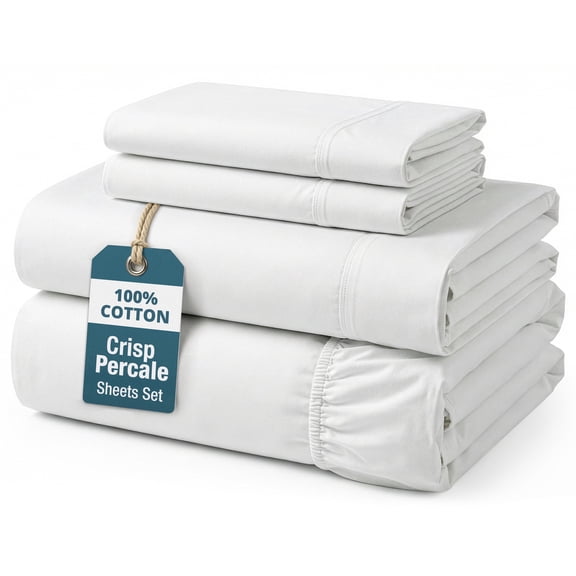
Casa Platino 100 Cotton Sheets Set - 4 Piece Long Staple Cotton Queen Sheets, Crisp & Cool Percale Weave, Every Day Comfort, 15" Deep Pocket Fitted, Machine Washable - White, Price Now $34.99 Was $49.99 Options from $27.99
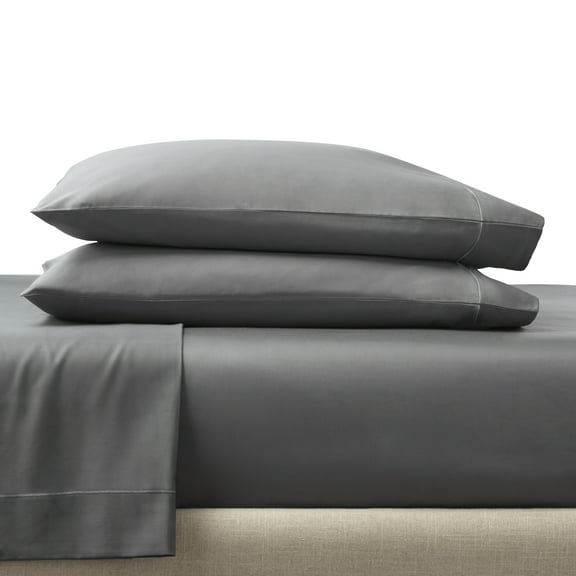
Bare Home Premium 1800 Collection 4-Piece Bed Sheet Set, King, Gray, Price Now $36.99 Was $41.99 Options from $10.72

Better Homes & Gardens 2-Piece 400 Thread Count HYGROCOTTON® Grey Pillowcase Set, Standard/Queen, Price $17.97 Options from $17.94


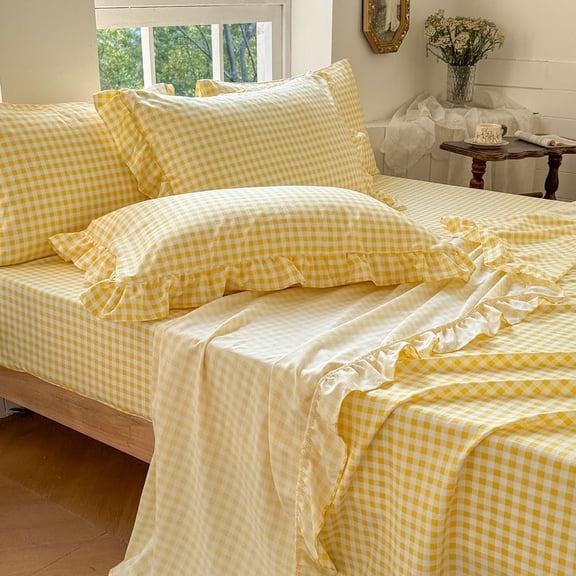
Yellow Gingham Ruffle Queen Sheet Set, Soft Pre-Washed Microfiber Plaid Ruffled Queen Bed Sheets, 4-Pieces Farmhouse Sheet Set with Deep Pocket, Price $34.99 Options from $31.99


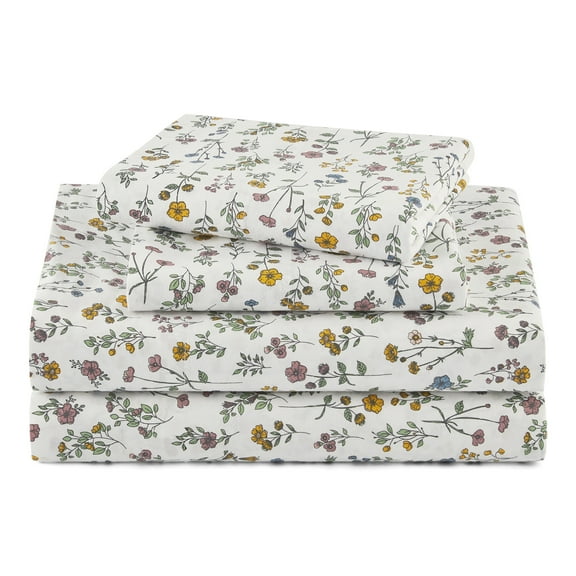
Beautiful by Drew Barrymore 4-Piece Queen Sheet Set, 100% Cotton Washed Percale, White Botanical, Price $54.97 Options from $34.97


Best seller, Mainstays Sheet Set, 300 Thread Count Cotton Blend Percale, Easy Care, Soothing Gray, Twin/Twin XL, Price $18.84 Options from $18.84 – $33.84
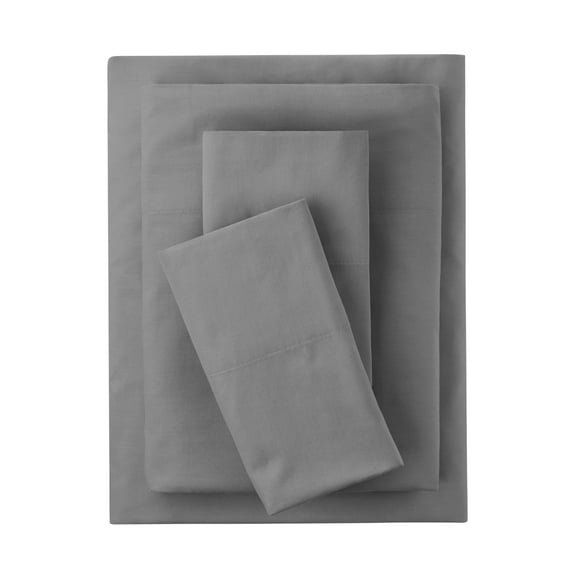


Better Homes & Gardens 2-Piece 300 Thread Count Arctic White Cotton Sateen Pillowcase Set, King, Price $15.97 Options from $13.32
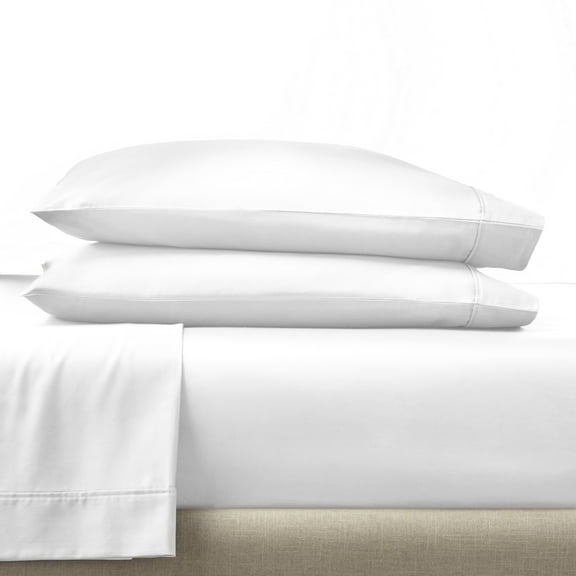

Mainstays Extra Soft Jersey Bed Sheet Set, Full, Purple Crackle, 4 Pieces, Price $19.96 Options from $17.96


Clearance, Under $5 Clearance! InsCrazy Bed Sheet, 100% Cotton Household Solid Color, Soft and breathable Bed Sheet Piece 66 x 96", Price Now $4.06 Was $4.55 + $4.99 shipping Options from $4.06 – $16.24
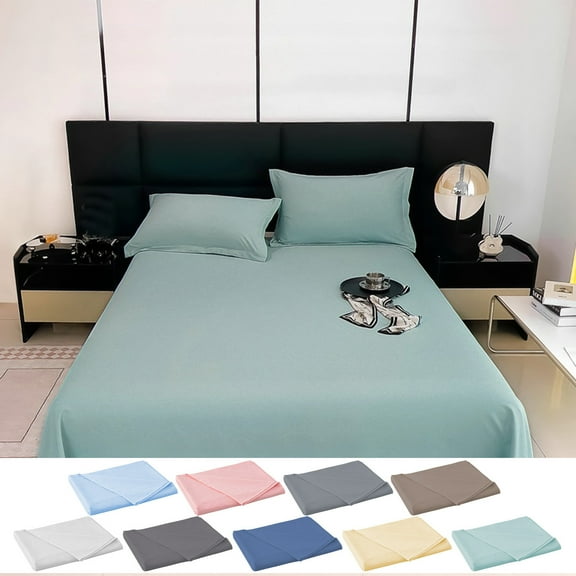


Allswell Silky Serenity 4-Piece 100% TENCEL Bed Sheet Set, Flagstone, Queen, Price $59.97 Options from $49.97
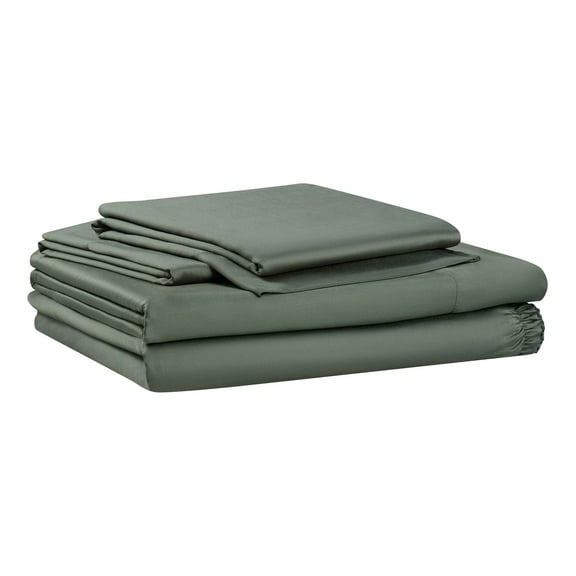


California Design Den 100% Cotton Queen Sheets Set - 600 Thread Count 100% Cotton Sheets Queen, Sateen Deep Pocket Sheet Set - White, Price $69.99 Options from $29.98

SONORO KATE Bed Sheets Set, 1800 Series Microfiber Deep Pocket 4 Pieces Luxury Soft Sheet Set, Queen, White, Price Now $19.99 Was $49.99 Options from $17.99
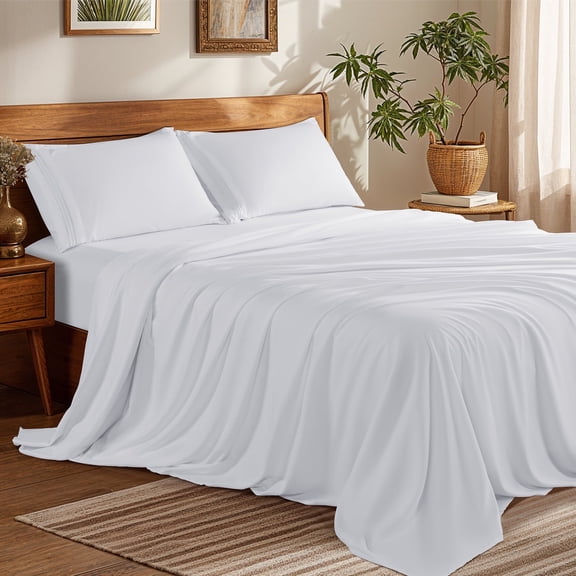
Lux Decor Collection Bed Sheets - 4 Piece Twin Sheets Set - 16 Inches Deep Pocket luxury Bedding Sheets & Pillowcases - Navy Blue, Price Now $14.99 Was $32.99 Options from $14.99 – $27.99
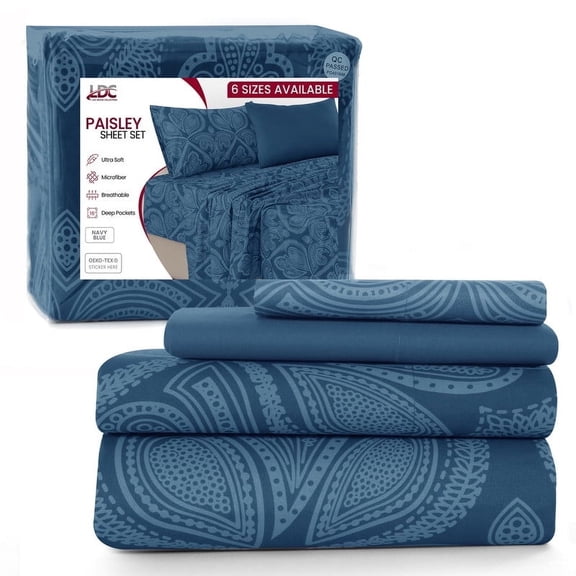


Nestl Queen Sheets Set, 4 Piece Deep Pocket Sheets, Luxury Soft Microfiber Queen Size Bed Sheets Set, Gray, Price Now $24.99 Was $50.99 Options from $15.55
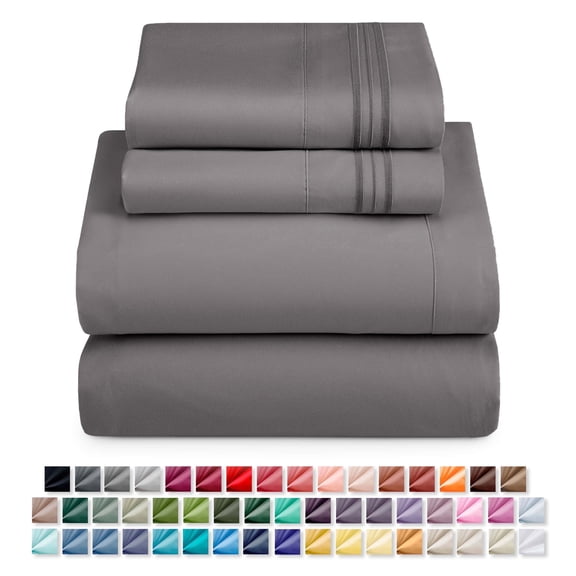


RUVANTI 100% Organic Cotton Sheets - Queen Sheet Set - 4 Piece Percale Weave Bedding, Crisp, Cooling & Breathable, Soft & Durable, 15" Deep Pocket, Hotel Quality Sábanas - Daisy Bud, Price Now $46.99 Was $53.99 Options from $33.66


Mainstays Dreamy Soft 100% Cotton 4-Piece Bed Sheet Set, 220 Thread Count Brushed and Washed Sateen, Deep Pocket, King, Arctic White, Price $34.84 Options from $12.42
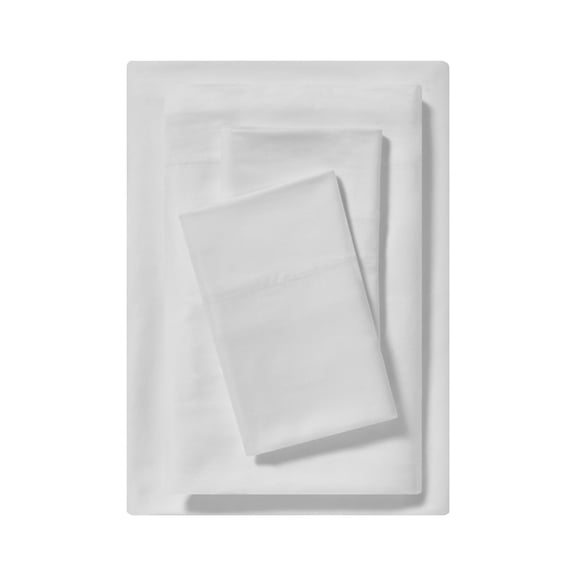


Jessy Home Bed Sheets Set 4 Piece Queen/Full Sheet Set Champagne Microfiber Fitted Sheet, Flat Sheet & 2 Pillowcases Bedding Set, Price Now $15.99 Was $35.99 Options from $12.99
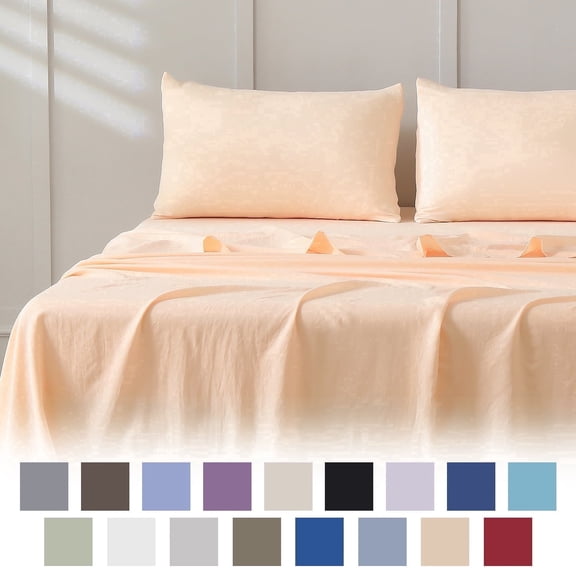


Allswell 100% TENCEL Lyocell Sateen King Sheet Set, 4-Piece Bed Sheets and Pillowcases, Cooling Bedding for Bed in a Bag Sets, 320 Thread Count, Savannah Taupe, Price $69.97

Mocassi Egyptian Quality 6 Piece Damask Stripe Bed Sheet Set, Queen Sage/Green, Price $26.14 Options from $26.14 – $29.50


Allswell Soft & Silky 4-Piece 300 Thread Count Viscose from Bamboo Sateen Sheet Set, Blush Wine, Full, Price $49.00

RUVANTI 100% Cotton Sheets – Queen Size Percale Bedding, Cooling & Breathable Floral Design, Durable with a Crisp, Soft & Comfortable Feel, 16" Deep Pocket, 4-Piece Set, Sweet Pea, Price $42.99 Options from $28.16


THREAD SPREAD 100% Cotton Queen Bed Sheets - Luxury 400 Thread Count Bed Sheets Queen Size (4 PC, White), Silky Soft Cooling Sateen Hotel Sheet Set, Price $58.99 Options from $39.59
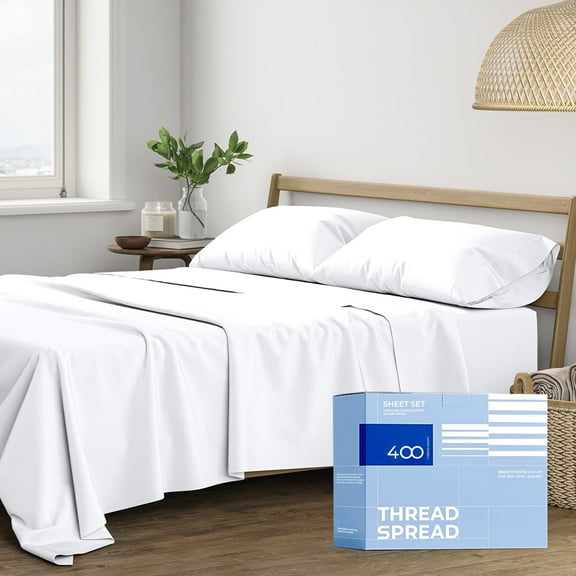


Luxclub Microfiber Cooling Sheet Set, Ultra Soft Cooling Bedding Sheets, Solid Grey, Queen Size, 6 Piece Set, Price $26.99 Options from $26.99 – $59.99


Sonive 140gsm Bed Sheet Set Queen, 4 Pieces Brushed Microfiber Cozy & Warm Bedding Set, Gray, Price $15.99 Options from $10.99
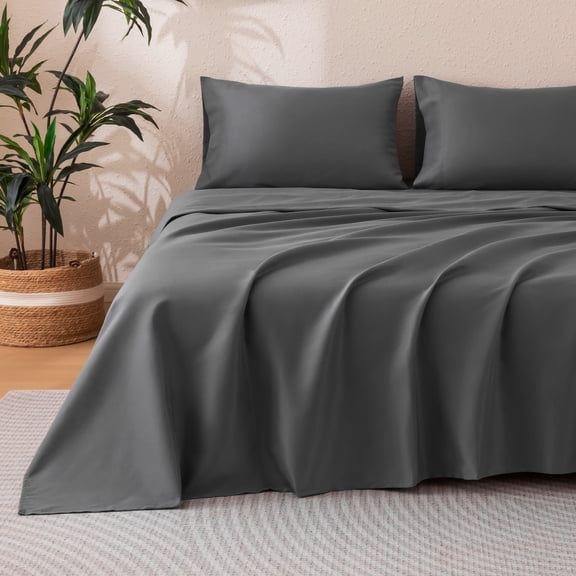


Mainstays 2-Piece Pillowcase Set, 300 Thread Count Cotton Blend Percale, Standard/Queen, Merlot, Price $8.84 Options from $8.84 – $10.84
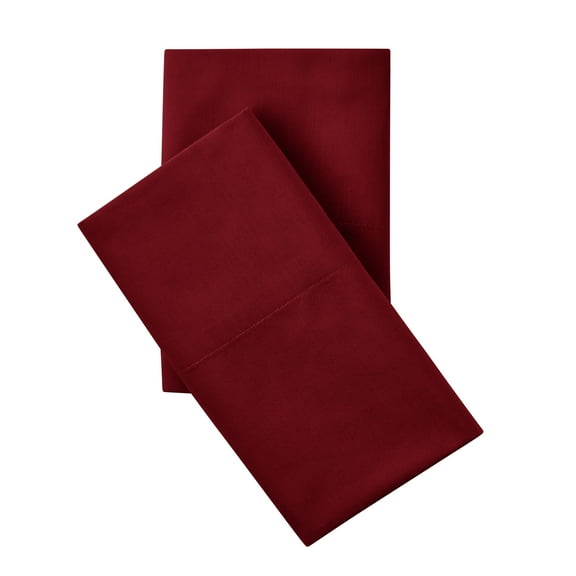


Serta 6-Piece 800 Thread Count Bright White Cotton Rich Adult Bed Sheet Set, Full - Deep Pocket, Price $48.97 Options from $48.97 – $71.97
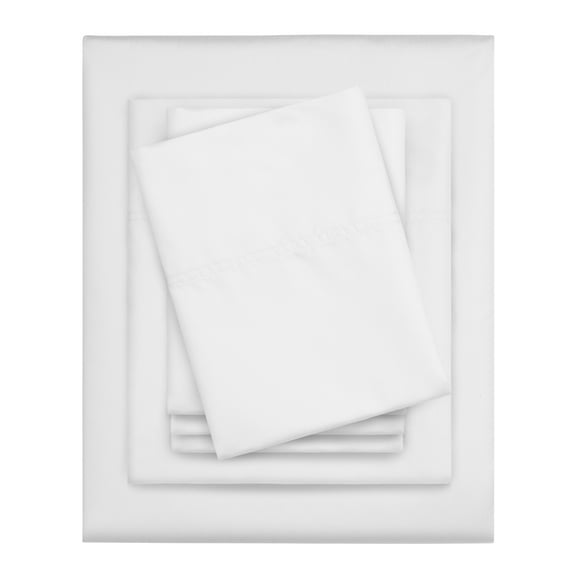


Great Bay Home Lodge Flannel Sheet Set - 100% Turkish Cotton - Double Brushed (Twin, Truckee - Grey), Price $47.99 Options from $47.99 – $64.99
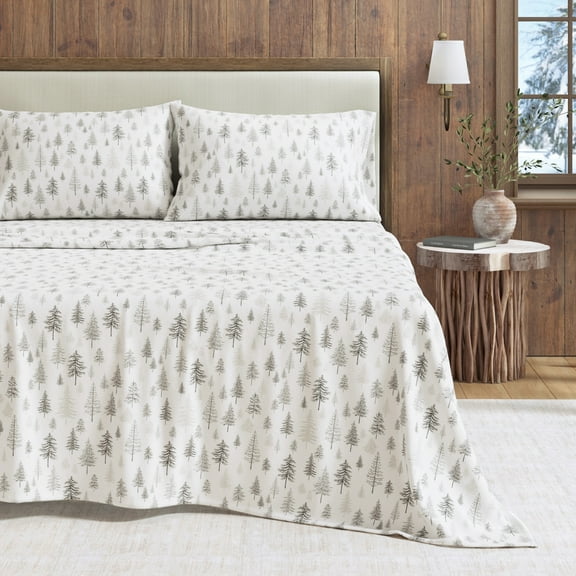


Sonive Bed Sheet Sets, Ultra Soft Breathable Luxury 4 Piece (Flint Stone Blue, Queen), Price Now $20.99 Was $38.99 Options from $15.99

RUVANTI Flannel Sheets Queen Size - 100% Cotton Double Brushed Bed Sheets, Deep Pockets 16 Inches Queen Sheet Set, All Seasons Breathable & Extra Soft - Warm & Cozy, 4 Piece, Red Plaid, Price $54.99 Options from $38.69
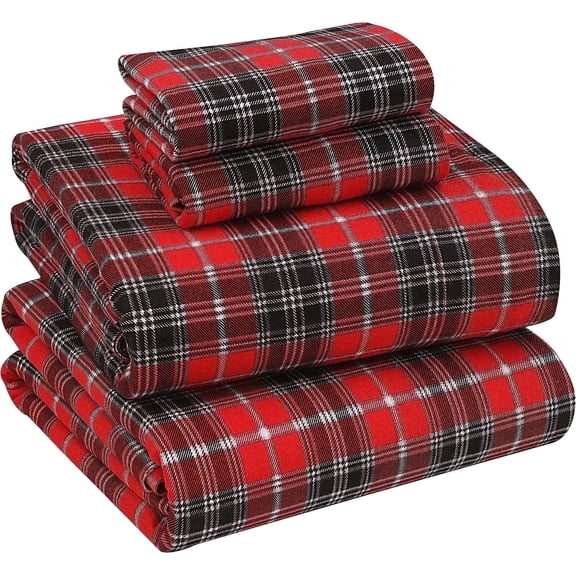


Ntbay Microfiber Ultra Soft Body Pillowcase with Envelope Closure, Wrinkle, Stain Resistant Body Pillow Cover, 20" x 54", Dark Gray (Not Include Body Pillow), Price $6.99 Options from $6.99 – $12.99


About Bed Sheets and Pillowcases Selection - Walmart.com
Discover how easy it is to refresh your bedroom with Walmart's versatile collection of bed sheets and pillowcases. Whether you're seeking cozy comfort for chilly nights or a crisp, hotel-inspired feel, you'll find a range of styles and fabrics to suit your needs and preferences. From breathable cotton sets to ultra-soft microfiber options, each selection is designed to elevate your sleep experience.
- Find the perfect fit: With deep pocket designs, these sheets stay securely in place on mattresses of various sizes, making bedtime hassle-free.
- Choose your comfort level: Select from brushed cotton for extra softness, sateen finishes for a touch of luxury, or cooling percale for a refreshing night's rest.
- Effortless care: Many sheet sets are machine washable and crafted for lasting durability, so keeping your bedding fresh is simple and convenient.
- Style your space: Explore an array of colors—from soothing neutrals to modern shades—allowing you to match or complement your bedroom décor effortlessly.
- Shop with confidence: Enjoy the convenience of Walmart's trusted services and easy returns, making your bedding upgrade worry-free.
Experience the difference a quality sheet set can make. Browse Walmart's bed sheets and pillowcases to find the ideal match for your home, and create a sleep sanctuary you'll love night after night.
Popular in Bed Sheets and Pillowcases Selection - Walmart.com
FAQ
Why does one side of my bed turn yellow?
Yellowing on one side of your bed can happen for a few reasons.
- Body oils and sweat: These can build up over time, especially if someone sleeps in the same spot every night.
- Skin care products: Lotions or creams may transfer to sheets and cause discoloration.
- Sunlight exposure: If your bed gets direct sunlight, it can fade or yellow fabric unevenly.
What pillowcases are gentle for sensitive skin?
If you have sensitive skin, choosing pillowcases made from soft, breathable materials can make a difference.
- Cotton: Natural cotton is smooth and less likely to irritate.
- Bamboo: Bamboo fabrics are known for their softness and moisture-wicking properties.
- Microfiber: This material is lightweight and often hypoallergenic.
Are there sheets that help with mobility issues?
Some sheets are designed to make moving in bed easier, which can be helpful for people with mobility concerns.
- Sateen and silk: These fabrics have a smoother surface that can reduce friction.
- Deep pocket sheets: They stay in place and don't bunch up, making transfers simpler.
- Wrinkle-free options: These sheets stay smooth and don't create obstacles.
What order do bedding layers go on?
Setting up your bed is easy when you know the order.
- Start with the fitted sheet over your mattress.
- Add the flat sheet on top.
- Place pillowcases on your pillows.
- Finish with a comforter, blanket, or duvet as needed.
How do I keep sheets soft after washing?
To keep your sheets feeling soft, follow these tips:
- Use a gentle detergent and avoid harsh chemicals.
- Wash sheets in cool or warm water, not hot.
- Skip fabric softeners if your sheets are made from certain materials, as they can build up and make fabric less soft.
- Dry sheets on a low heat setting or air dry when possible.