













Kids’ Bedding
Shop by category
Shop by character

Shop by character












FAQ
About Kids’ Bedding - Walmart.com
You can narrow kids bedding faster when you compare bed size, fabric, and set pieces before you choose a room look. You’ll also find options for toddler beds, twin beds, full beds, and kids small single bedding in one place.
If you’re updating a room, you’ll want bedding that fits the mattress and matches your child’s routine. You’ll notice that the right set can simplify bedtime, laundry, and seasonal room refreshes.
How to choose kids bedding by bed size
You should start with mattress size, because the right print won’t help if your sheets slip or your comforter looks short. You’ll usually compare toddler, single, twin, and full size bedding for kids before anything else.
For toddler beds, you’ll want compact pieces that fit smaller mattresses without extra bulk at the corners. For twin beds, you’ll get a common fit for shared rooms, bunks, and everyday kids bedsheets.
When you need more coverage, you should look at full size kids bedding for growing kids and roomier sleep setups. You’ll also see kids full sheet sets that give you matching pieces for a more pulled-together bed.
- You can match toddler bedding to smaller mattresses and lower-profile beds.
- You can use twin sets for bunks, trundles, and many standard kid room layouts.
- You can choose full size bedding for kids when you want extra width for older children.
- You can compare kids small single bedding when your bed frame uses a narrower fit.
Choosing a kids bed set and included pieces
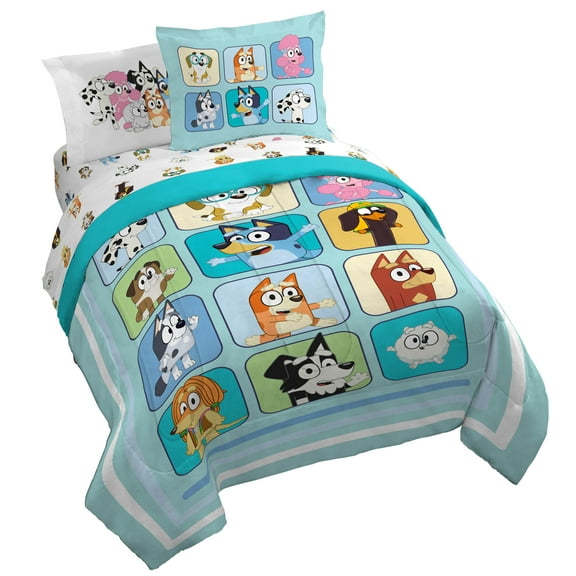
You should check what comes in each kids bed set before you decide, because included pieces can vary by bedding type. You’ll commonly see combinations with a comforter, sheets, pillowcase, or a separate kids duvet layer.
If you want a simpler setup, you may prefer a bed-in-a-bag with coordinated pieces for one bed. If you like flexible layering, you can choose a comforter set or duvet cover and add bed sheets for kids separately.
You’ll want to confirm fitted sheets, flat sheets, and pillowcases when you compare sheet sets. You can also look for childrens bedding collections that keep colors and prints coordinated across extra pieces.
If you’ve wondered what’s the price range for kids’ themed bedding sets that include a comforter, sheets, and pillowcase, compare inclusions first. You’ll make a clearer choice when you match included pieces to your bed size and daily routine.
Comparing fabrics, including kids teddy bedding
You should choose fabric by feel, season, and how you want the bed to look after washing. You’ll often compare kids teddy bedding, cotton, microfiber, and polyester when softness and warmth matter.
If you want a plush feel, you may lean toward teddy fleece for a cozy, textured surface. If you want a lighter touch, you might prefer cotton for breathable comfort and an easy everyday look.
You’ll notice microfiber can feel smooth and resist wrinkling after the dryer. You can also choose polyester blends when you want easy care and color that stays bright through regular washing.
For layered beds, you should think about how fabric works with sheets and top layers together. You’ll get a more balanced setup when your comforter weight matches your room temperature and sleep preferences.
What to look for in cleaning and everyday use
You should check care details before you choose, because kids bedding gets frequent use and regular wash cycles. You’ll appreciate fabrics and fills that clean easily and return to the bed without extra fuss.
If your routine is busy, you may prefer sheet sets and comforters that coordinate without extra matching work. You can keep laundry days simpler when your kids bedsheets, pillowcases, and top layers are easy to rotate.
You’ll also want bedding children can use through school nights, weekend sleepovers, and room makeovers. You can keep a second set ready when you want faster bed changes after laundry.
How to match bedding types to real rooms
You should match bedding type to the way your room functions, not only to the print or color. You’ll often get a simpler setup by pairing the mattress size with the right sheet depth and top layer.
For bunk rooms, you may want twin or kids small single bedding that stays neat in tighter spaces. For larger rooms, you can use full size kids bedding when you want more drape across the sides.
If your child likes a coordinated look, you might choose a complete kids bed set with sheets and pillowcases included. If you like seasonal swaps, you can use a duvet cover and change the outer layer without replacing everything.
For colder months, you may reach for kids teddy bedding with a cozy hand feel and a fuller look. For warmer months, you can switch to cotton or lighter microfiber layers for a breezier bed.
You can build a practical setup when you focus on size, fabric, and included pieces before you choose a pattern. You’ll end up with kids bedding that fits the bed, washes easily, and keeps the room looking pulled together.