

Paint






Shop Glidden paint


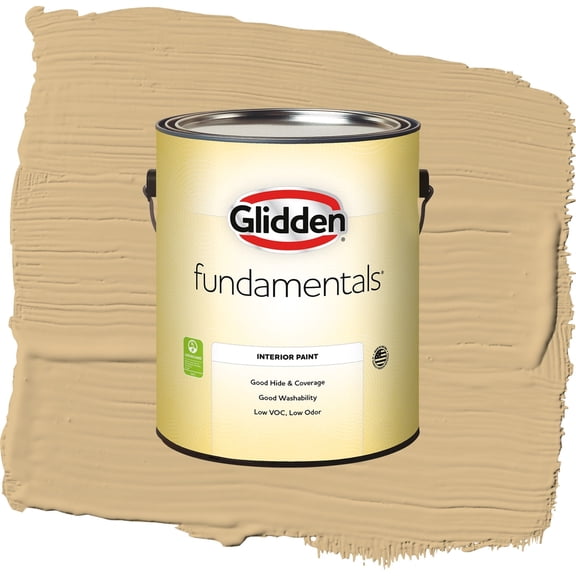
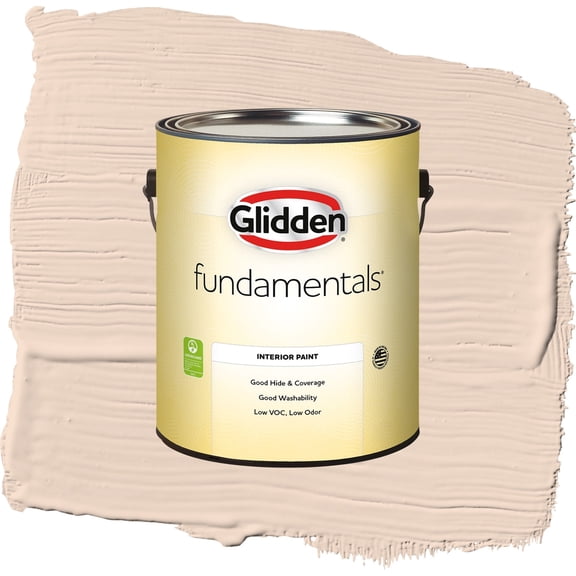
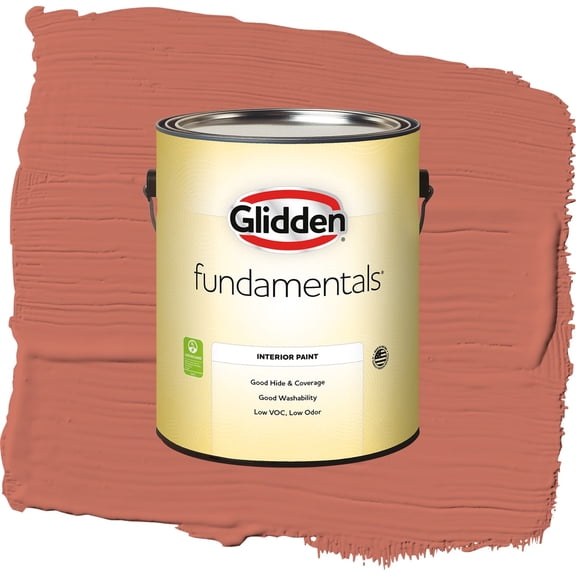

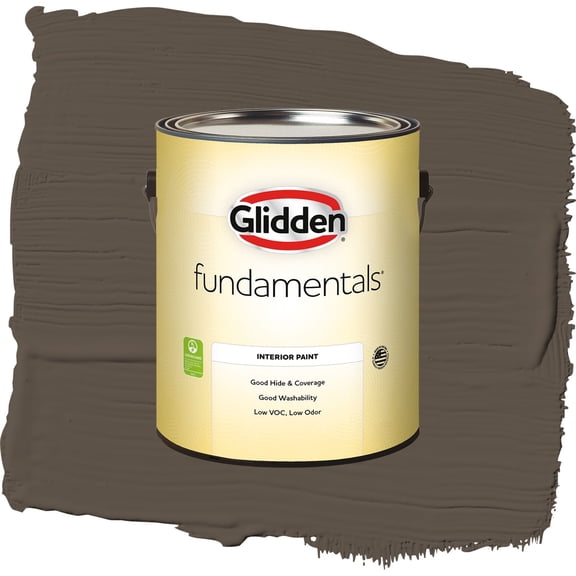






Summer Refresh Paint & Project Event
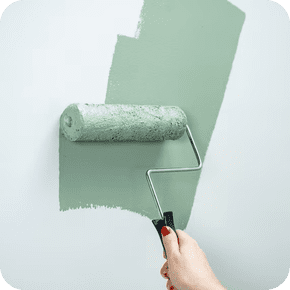

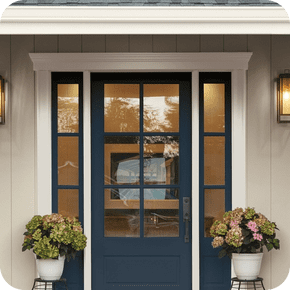

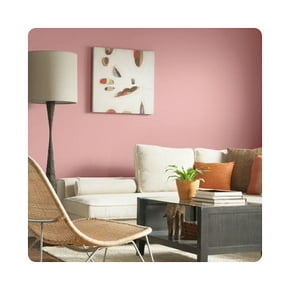
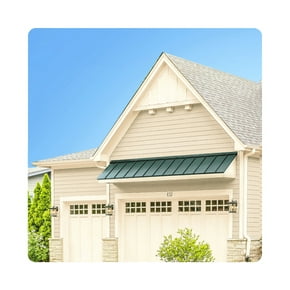





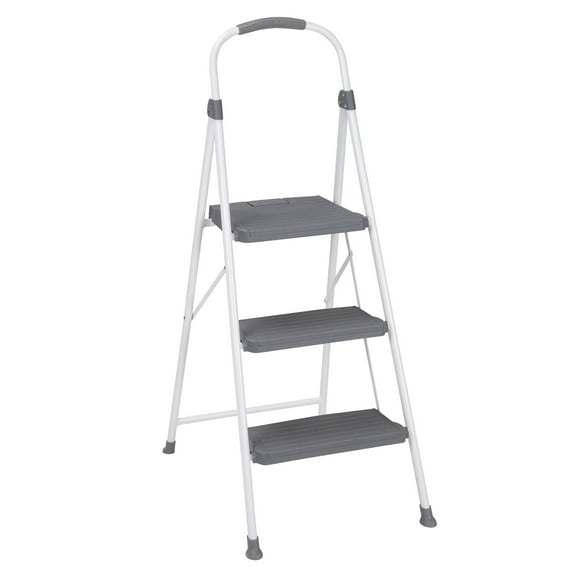
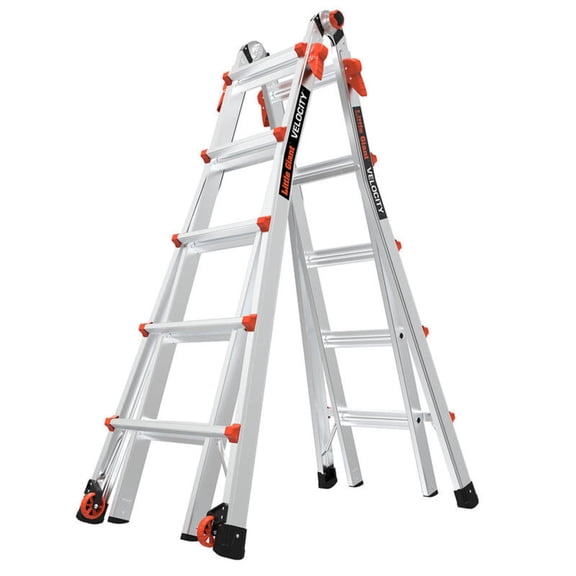
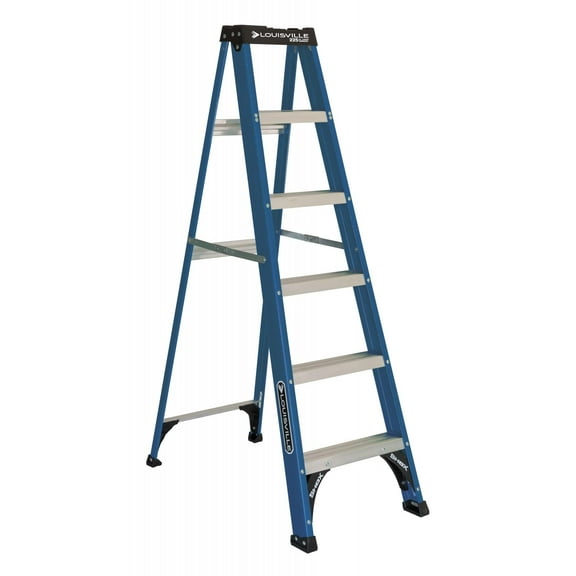
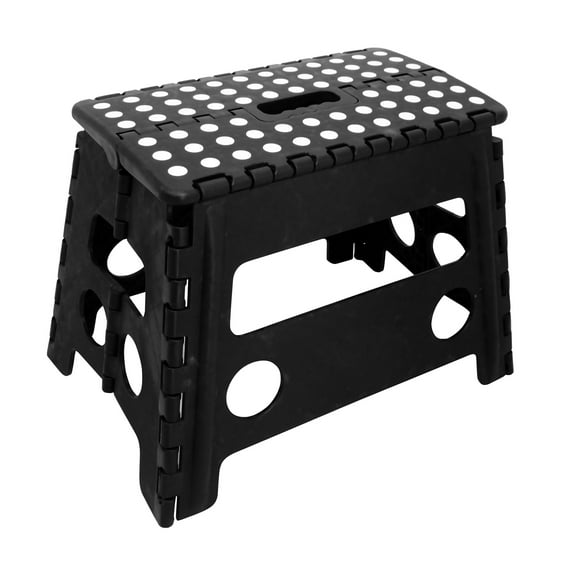
Shop ladders & step stools






FAQ
About Paint - Walmart.com
Walmart paint helps you plan room updates, exterior touchups, and full repaint projects with paint, primer, and painting supplies in one place. You can compare wall paint, finish options, base materials, and container sizes without jumping between separate categories.
If you need delivery, shipping, or pickup convenience, you can also use Walmart paint for flexible project planning. You can move from color testing to final coats with tools and prep supplies that fit the same project list.
How to choose Walmart paint for your project
You can choose paint type first, because interior and exterior options serve different surfaces and conditions. You should choose interior paint for walls, ceilings, and trim inside your home, where washability and finish are key.
For outdoor projects, manufacturers design exterior formulas for sun exposure, moisture resistance, and changing weather. You can also narrow your choice with ceiling paint for overhead coverage or cabinet paint for harder, smoother surfaces.
When you want paint near me convenience, you can check options for delivery, shipping, or pickup through Walmart. You can also order paint online and match your project with rollers, brushes, trays, tape, and drop cloths.
- You can choose interior, exterior, ceiling, or cabinet paint based on your surface.
- You can compare flat, eggshell, satin, semi-gloss, and high-gloss finishes by room activity.
- You can select latex-based, water-based, acrylic, or oil-based options for cleanup and application preferences.
- You can estimate quantity with sample size, 1 quart, 1 gallon, or 5 gallon containers.
Choosing Walmart paint by finish and base material
You should think about where the paint will go before you compare colors and sheens. Interior paint supports smooth coverage and cleanable walls, while exterior paint resists outdoor exposure.
You can also compare finish, because sheen changes how your walls look and how easily you can wipe them clean. Flat finishes can soften wall imperfections, while eggshell and satin often suit living rooms, hallways, and bedrooms.
In kitchens, bathrooms, and trim areas, you may prefer semi-gloss or high-gloss because you can wipe splatters more easily. You should use that finish guidance to match traffic level, moisture exposure, and the look you want.
Base material also matters when you compare dry time, cleanup, and surface compatibility. You can often find latex-based, water-based, and acrylic options easier to clean up, while oil-based paint may suit specific trim tasks.
You should also consider whether you need self-priming paint or a separate primer before painting. If you're covering a strong color, fresh drywall, or patchy repairs, you may want primer for a more even starting surface.
How to estimate paint quantity and where to buy paint
You can make an informed choice when you match container size to your project scope. Sample size containers help you test color, 1 quart works for small accents, and 1 gallon suits many single-room updates.
For larger spaces, open layouts, or repeated coats, you may want 5 gallon containers to keep the project moving. You should check the listed coverage information, because square footage can vary by surface texture and number of coats.
When you're estimating, you can measure wall height and width, then subtract large doors and windows. You can use that total to compare coverage per can and reduce the chance of stopping mid-project.
If you're deciding where to buy paint, you may want more than color alone. You may also need primer, painter's tape, angled brushes, roller covers, extension poles, and tray liners for a complete setup.
When you buy paint online, you can compare wall paint, supplies, and prep items in one session. You can also look for pickup and shipping options that fit your timeline without changing stores.
Using paint for common home projects
You can use interior wall paint to refresh bedrooms, living rooms, hallways, and home offices with the finish that matches daily traffic. If your walls have small surface variations, you may like flat or eggshell for a softer appearance.
For kitchens, bathrooms, and laundry rooms, you may want satin or semi-gloss to support easier wipe-downs. You should compare moisture exposure and cleaning frequency before you lock in your finish.
Exterior paint works well when you're updating siding, doors, shutters, porch surfaces, or other outdoor areas. You can look for formulas designed for UV protection and changing weather so your color stays consistent across seasons.
Ceiling paint can help you cover overhead areas with the look you want for bright rooms or low-sheen spaces. Cabinet paint can support projects where you want a smoother look on doors, drawers, and built-ins.
If you're testing a new color, you can start with a sample size before choosing larger cans. When you order paint online, you can build your full project list at the same time and keep your paint plan organized.
What to keep in mind before you order paint online
You should confirm your surface, finish, base material, and container size before checkout so your project stays on track. You can also check whether your job needs primer, extra coats, or touch-up paint for later.
With Walmart paint, you can compare practical options for walls, ceilings, cabinets, and exterior surfaces in one category. You can move from color testing to final coverage with fewer project delays and a more complete paint setup.
Related Links
- Shop All
- Adhesives & Glues
- Blue Paint
- Ceiling Paint
- Chalk Paint
- Concrete Paint
- Epoxy Resin
- Exterior Paint
- Gray Paint
- Interior Paint
- Ladders & Step Stools
- Paint Brushes
- Paint Colors
- Paint Primers
- Paint Rollers
- Paint Sprayers
- Paint Supplies & Tools
- Painter's Tape
- Polycrylic
- Spray Paint
- Spray Paint Colors
- Wall Paint
- White Paint
- Wood Stains & Finishes