



Activity Centers



















About Activity Centers - Walmart.com
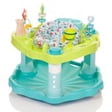
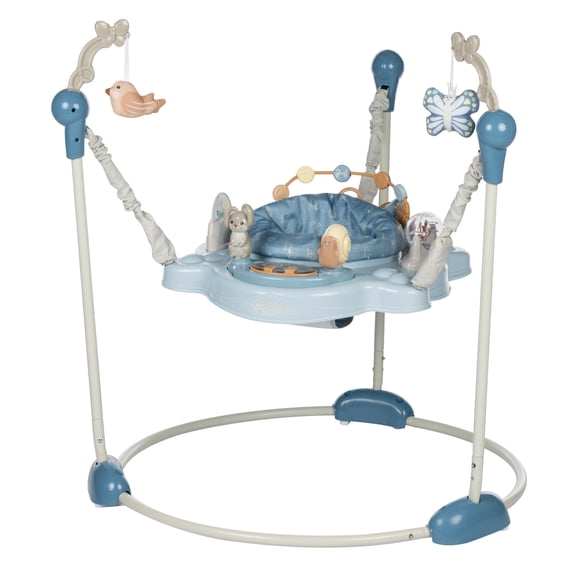
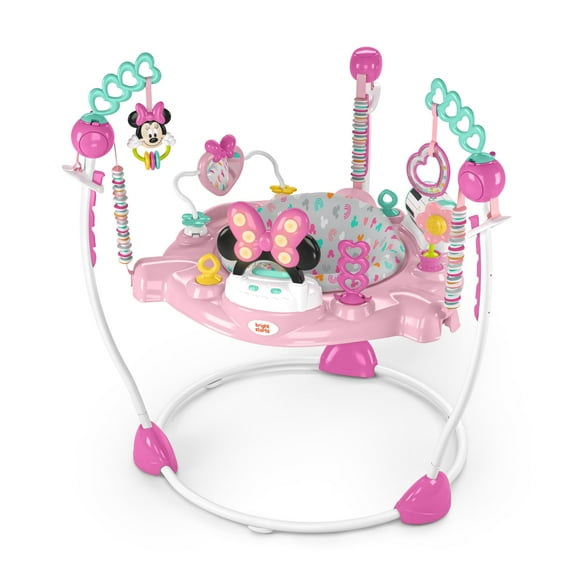
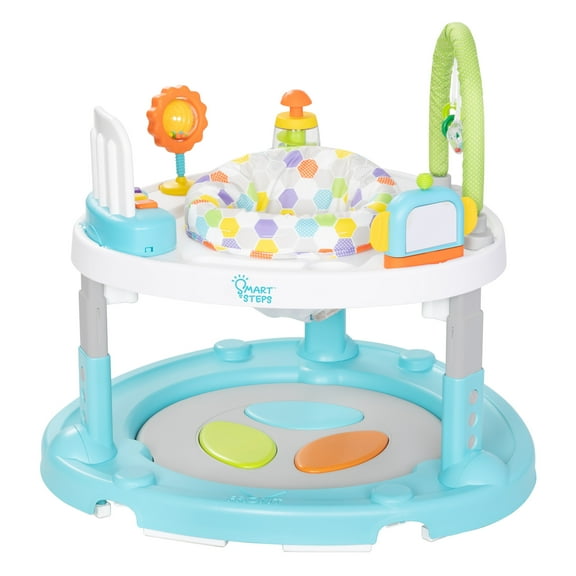
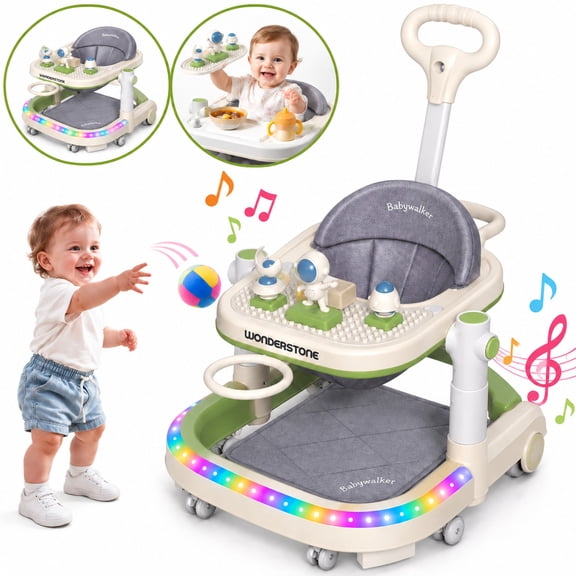
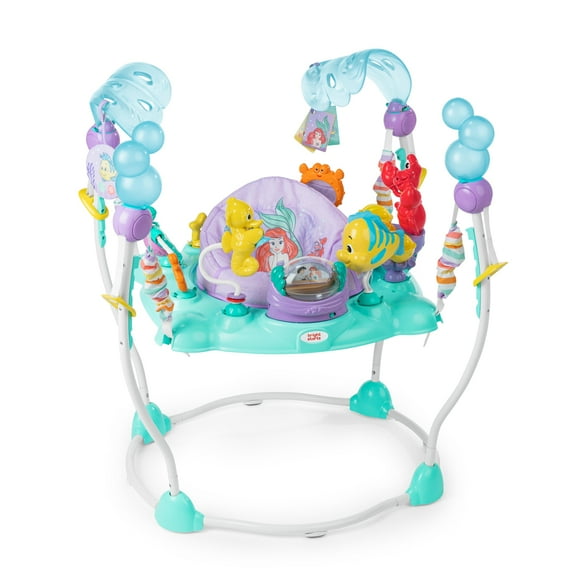
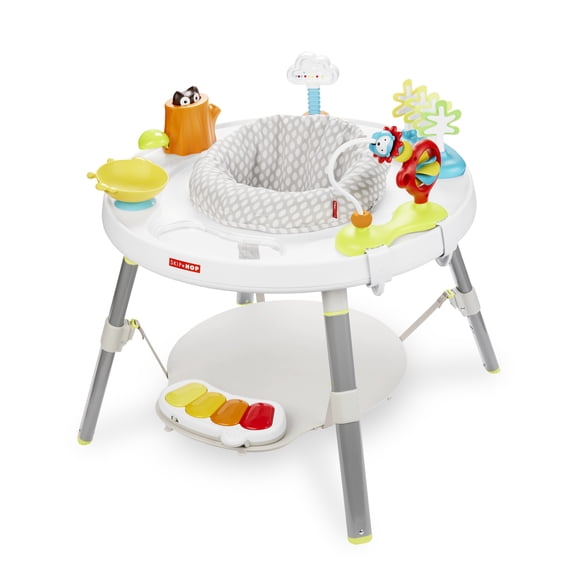
A baby activity center gives little ones a dedicated place to spin, bounce, reach, and explore while you compare formats for each stage. This category includes stationary play designs, baby bouncer activity center options, and seated models with toy trays, rotating seats, and foot platforms. That variety matters when you want an ergonomic baby activity center with room for growth. It also helps when youu're choosing between infant-focused support and a toddler activity center with more active play.
Baby activity center benefits for daily play
The right setup keeps toys, textures, and movement in one compact spot. You get a play station built for repeated reaching, turning, and foot-to-floor interaction.
Unlike a simple floor toy, a child activity center surrounds your little one with play on several sides. That multi-angle layout keeps beads, spinners, mirrors, and buttons within easy reach.
Many parents like these centers because they support short play sessions between naps, feedings, and diaper changes. The seat stays centered while toys stay attached and organized.
- Rotating seats let little ones access toys around the full tray without constant repositioning.
- Attached play panels keep sensory toys in one place instead of scattered across the room.
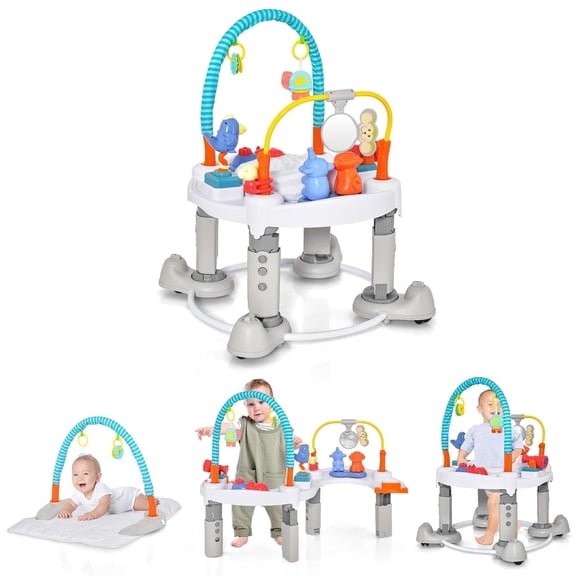
- Height-adjustable designs help the activity center fit changing leg length and standing practice.
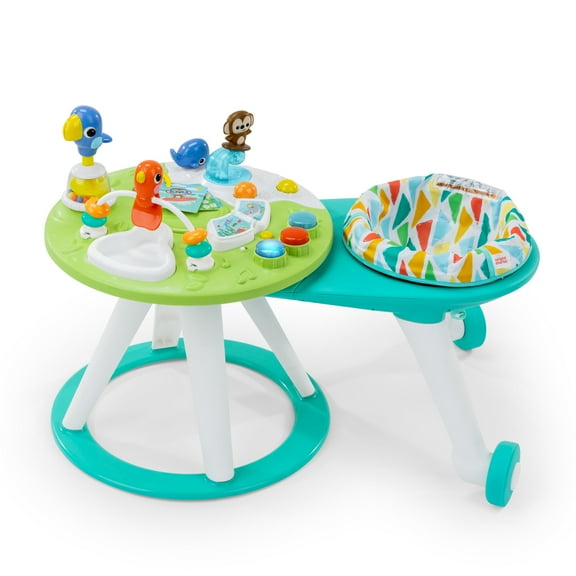
- Convertible models can shift from seated play to standing tables for later stages.
These category-specific details make activity centers different from walkers, play mats, and standalone jumpers. Youu're choosing a contained play hub with built-in engagement and stage-based use.
Stationary activity centers and bouncer formats
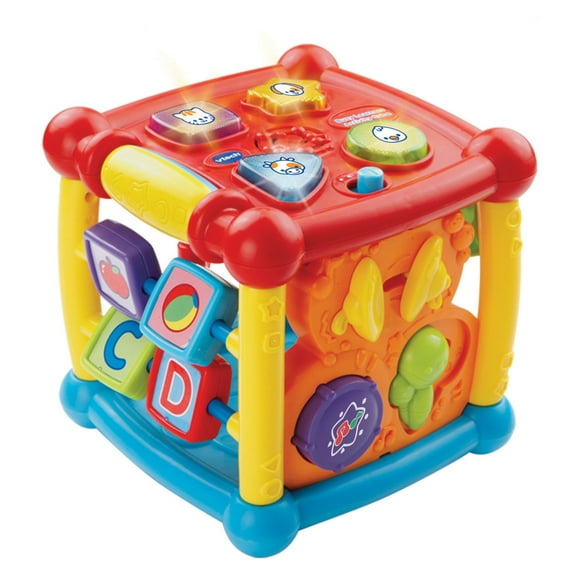
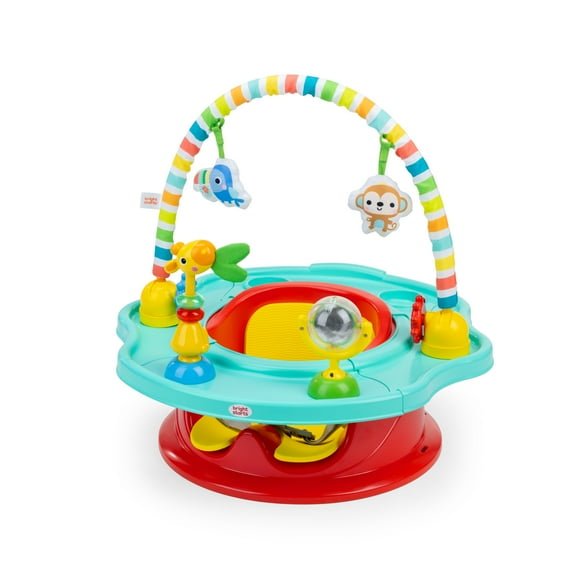
Format matters because each design creates a different play experience. Stationary activity centers focus on spinning, tapping, sliding, and tray-based toy interaction.
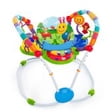
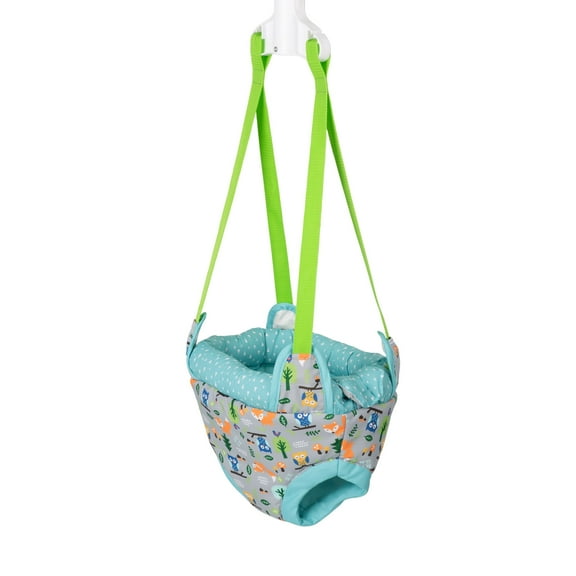
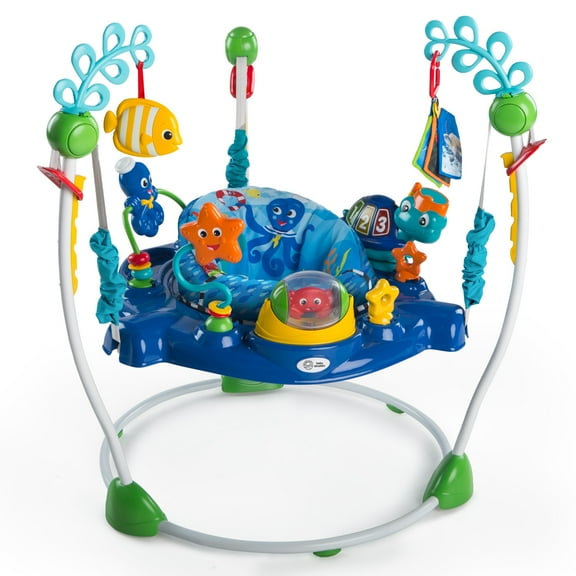
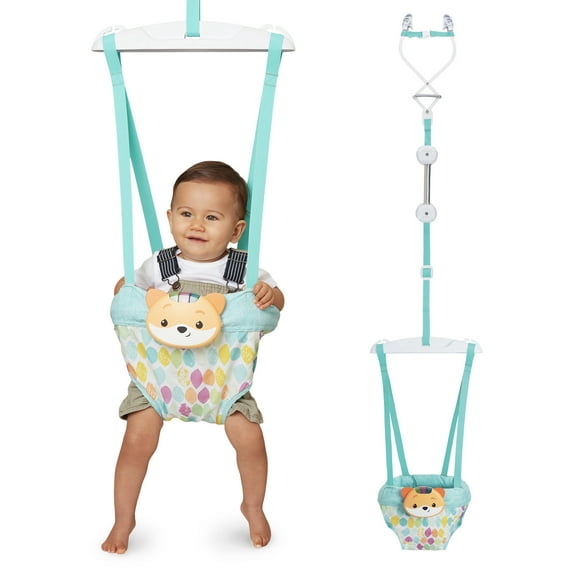
A baby bouncer activity center adds springy movement through a suspended or supported seat. That style appeals to shoppers who want extra bounce alongside lights, sounds, and manipulative toys.
Seat design is another key feature. Look for padded seats, 360-degree rotation, and removable inserts that clean up easily after everyday messes.
Base shape affects placement in your home. Some models use a wide circular frame, while others have a compact footprint for tighter spaces.
Tray layout also changes how toys feel during play. Some centers use fixed toy stations, while others add detachable toys, musical panels, or interchangeable arches.
An ergonomic baby activity center often emphasizes supportive seating, balanced leg positioning, and adjustable height settings. Those features help you compare comfort-focused builds without guessing from photos alone.
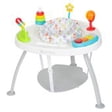
If longevity matters, check for convertibility. Some designs become a standing activity table, which extends use after the seated stage ends.
Child activity center options by stage
Age and stage shape which model makes sense for your home. Infant bouncer activity center designs usually emphasize supportive seats, tray toys, and simple cause-and-effect play.
As little ones grow, a baby standing activity center can encourage more upright interaction. These styles often include stable foot platforms and toys positioned for reaching from a standing stance.
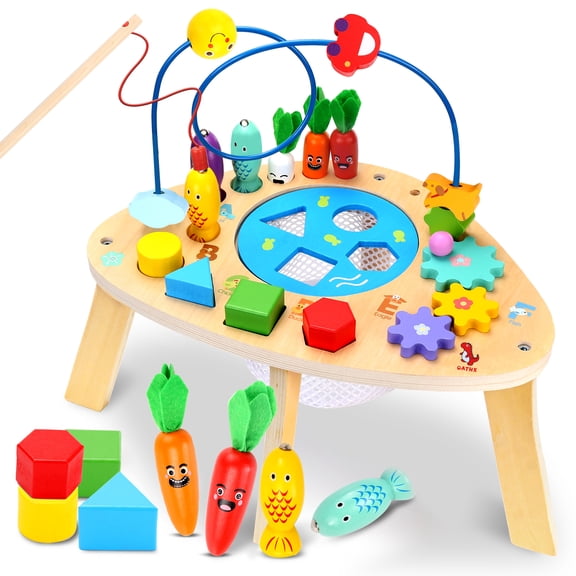
A toddler activity center may shift toward table-style play with removable seats or open access around the base. That setup works well when children want to cruise, circle the table, and interact from different angles.
Shoppers also compare use cases by room. A compact center fits neatly in a living room corner, while a larger frame can anchor a nursery or playroom.
Travel and storage needs matter too. Fold-flat frames, removable toy bars, and easy-clean surfaces can make setup and cleanup less disruptive during busy routines.
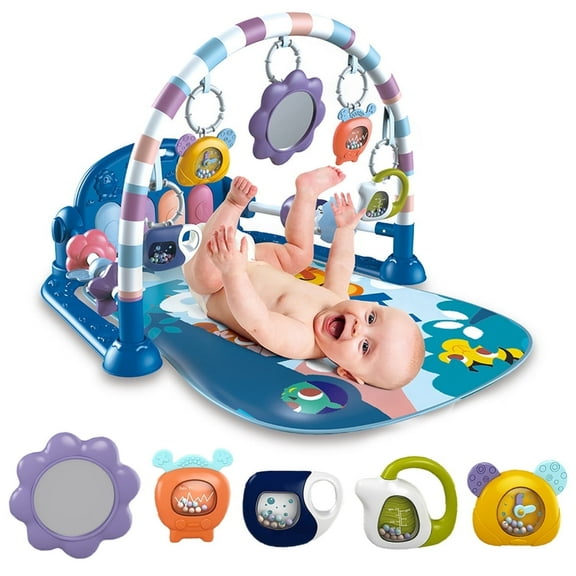
If youu're comparing entertainment features, focus on what fills the tray. Spinners, crinkle toys, mirrors, textured teethers, and piano keys create more variety than a basic toy bar.
That mix is what makes a baby entertainment center appealing for repeat use. The seat, tray, and surrounding activities work together in one contained station.
How to compare the right baby activity center
Start with the format you want first. Decide whether a stationary model, bouncing design, or convertible table fits your space and your childu's stage.
Next, review the frame, seat, and tray details. Height settings, seat rotation, toy variety, and cleaning features often shape daily convenience.
Then compare long-term use. A convertible center with standing play can carry the category farther than a single-stage seat.
When those details line up, the baby activity center feels easier to use every day. You get a focused play station with the movement, support, and toy access this category is known for.