


Find auto parts that fit
Let’s search for parts that fit your vehicle.
Cowl Panels in Exterior Car Parts & Accessories
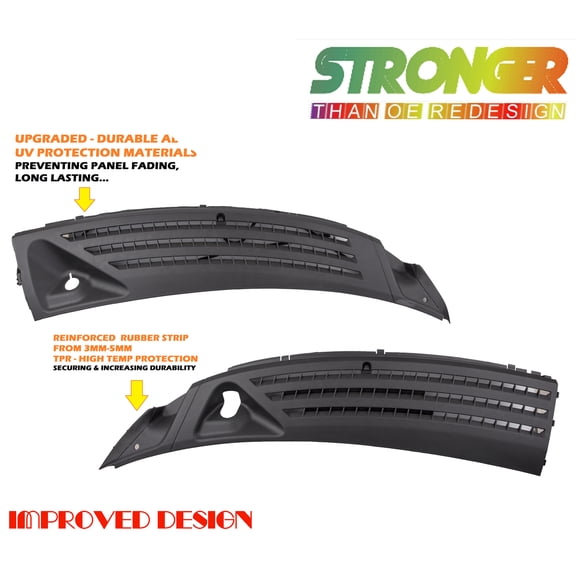


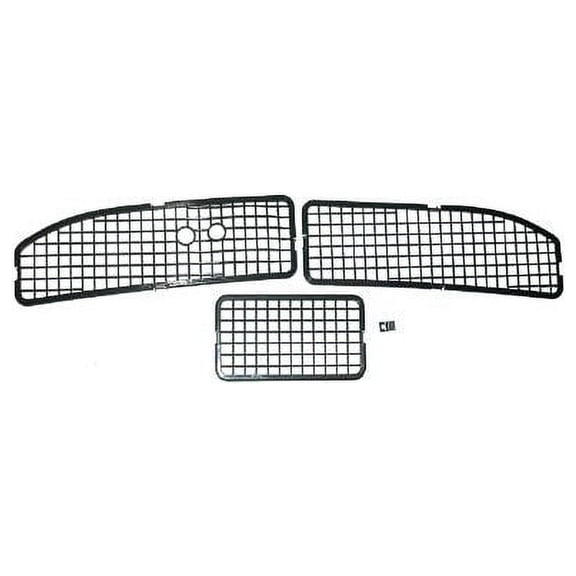


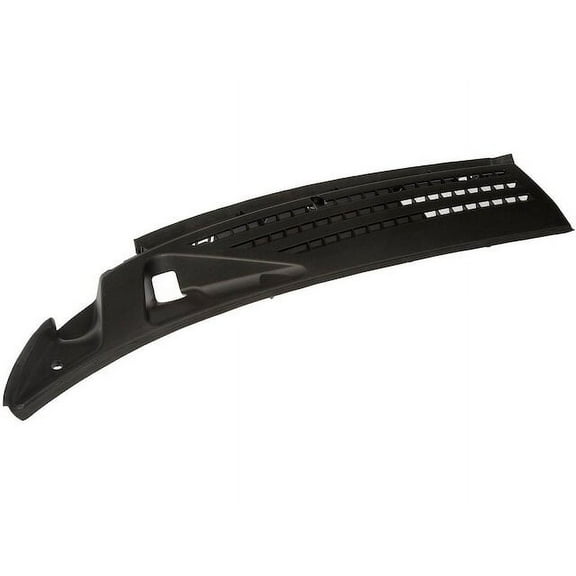


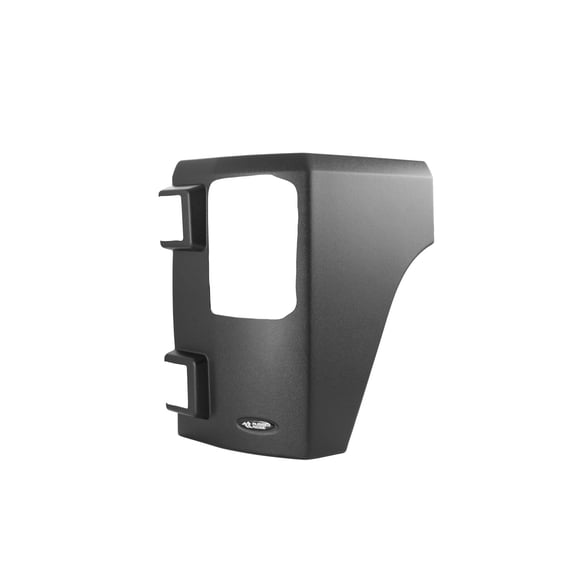


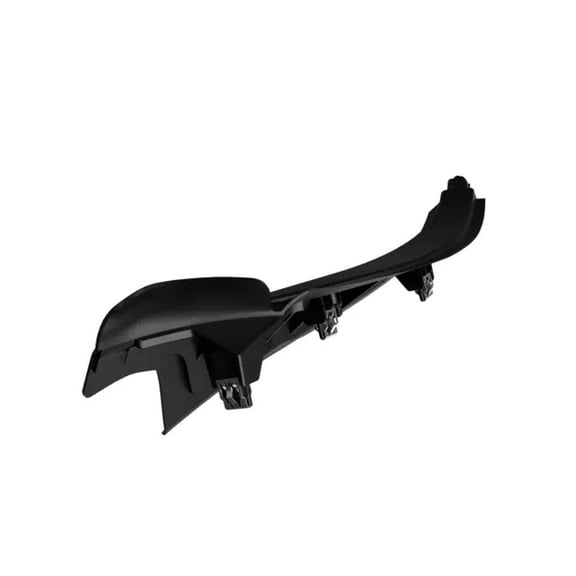

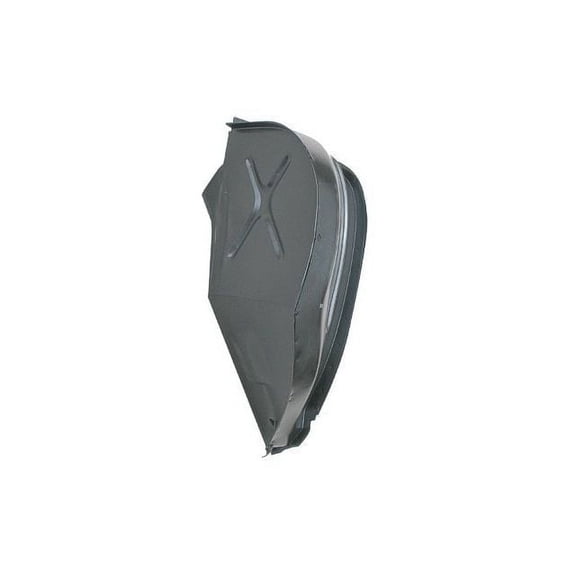


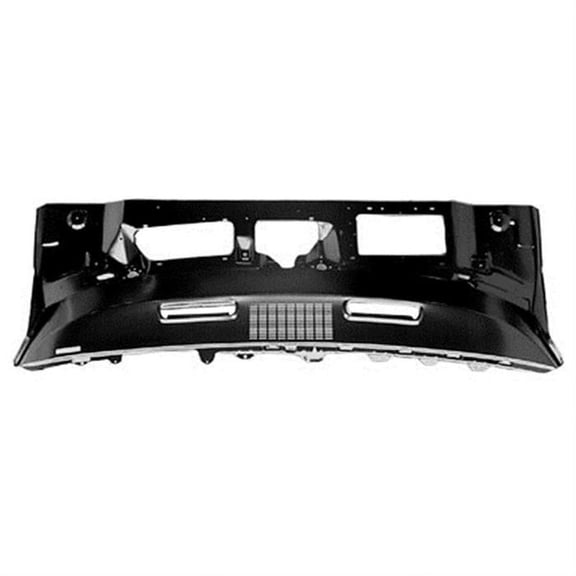
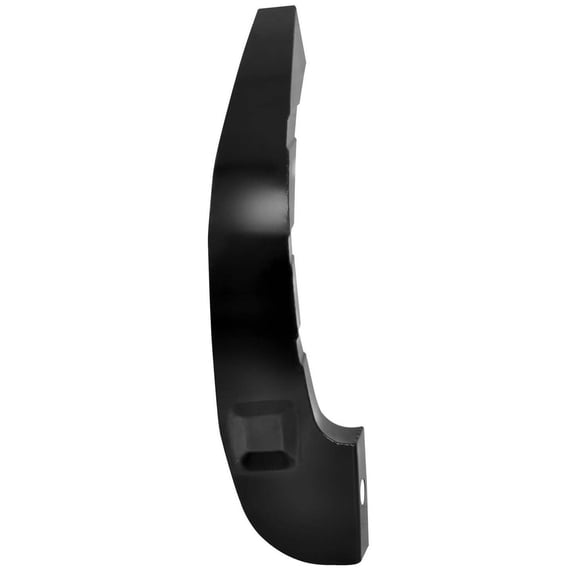


About Cowl Panels in Exterior Car Parts & Accessories - Walmart.com
Cowl panels help you restore the trim at your windshield base with fitment-focused parts for cars and trucks. You can compare vehicle-specific shapes, side positions, materials, and finishes before choosing the right replacement.
Because this category covers a narrow exterior area, you should start with exact compatibility and panel layout. You can sort choices by year, make, model, body style, and part position to match your vehicle closely.
How to choose cowl panels by vehicle fitment
You should check exact fitment first because the cowl area follows your windshield angle, hood edge, and wiper arm spacing. Even small trim differences can change mounting points, vent openings, and panel contours.
When you compare listings, you should look for OEM part number references and detailed fitment notes. Those details help you match your original panel shape, clip locations, and washer nozzle openings.
Some vehicles use one wide section, while others use separate driver side and passenger side pieces. You should confirm whether your setup needs a full center piece or a side-specific panel.
If you shop by common applications, you should compare each fitment note carefully. Your Ford Mustang, Chevy Silverado, Honda Civic, or universal setup may need a different contour and vent pattern.
Choosing the right windshield cowl panel details
You should review the shape around the hood and glass because this area has tight curves and visible trim lines. A well-matched windshield cowl panel helps your replacement align with nearby wipers and surrounding exterior trim.
Beyond the outer shape, you should compare the practical details that affect installation and appearance. Your car cowl cover may include vent openings, clip slots, weatherstripping, or washer nozzle holes.
- You should match exact year, make, model, and body style details before comparing finishes.
- You should confirm driver side, passenger side, or full center piece placement before choosing.
- You can compare ABS plastic, carbon fiber, and polyurethane based on molded shape and surface appearance.
- You should check matte black, textured, or paintable gloss finishes against nearby trim pieces.
- You can review included clips, seals, and cutouts before planning your installation steps.
At the windshield base, you should compare vent placement and edge shape closely. That extra check helps your replacement cowl panel follow the same lines as your original part.
Choosing material and finish for a replacement cowl panel
You should compare material choices based on the look you want and the shape your vehicle requires. ABS plastic often suits factory-style contours and common daily-driver exterior projects.
If you want a custom look, you may consider carbon fiber for its distinct surface pattern. You should still verify fitment notes carefully because appearance alone won't confirm the correct shape.
Polyurethane may appeal to you when you want some flexibility during installation. You should still check dimensions, hardware locations, and trim contours before making your selection.
Finish matters because your cowl area sits next to visible exterior trim at the hood and windshield edge. You can choose matte black for a subtle look, textured surfaces for factory-style trim, or paintable gloss for color matching.
A cowl grille cover with texture may coordinate with surrounding black trim near your windshield base. If your project includes paint prep, you should confirm that the surface is intended for finishing work.
Checking installation and included parts
You should read installation notes closely because cowl parts can use clips, screws, adhesive, or direct bolt-on points. Clear attachment details help you plan your tools, prep steps, and replacement time.
Some options include weatherstripping or molded cutouts, while others focus on the panel only. You should check whether your listing includes seals, hardware, or washer nozzle openings before you choose.
Before deciding, you should compare underside photos and mounting descriptions with your current panel. That review helps you verify tab placement, opening shapes, and edge design around the wiper area.
If your vehicle routes washer hardware through the cowl section, you should check those openings carefully. You may also want to compare clip style and spacing if your original panel uses specific fasteners.
Matching cowl panels to common vehicle projects
You may need this category for a restoration, an exterior refresh, or a worn trim replacement near the windshield base. Cowl panels also help you complete the transition between your hood, glass, and wiper area.
For a Mustang project, you may focus on model-specific contours and styling near the windshield line. For a Silverado project, you may compare wider coverage and truck-specific fitment notes.
If your vehicle is a Civic, you may prefer a factory-style shape that follows compact body lines closely. If you choose a universal option, you should measure carefully and compare dimensions with your existing panel.
You can also coordinate this purchase with nearby exterior parts in the same area of your vehicle. Your project may include windshield wipers, hood components, or adjacent trim for a more consistent finished appearance.
When you treat fitment as your first filter and materials as your second, your selection becomes easier. That approach helps you choose a panel that suits your vehicle's contours, hardware setup, and exterior finish.