


Weight Lifting Accessories & Gym Gear - Walmart














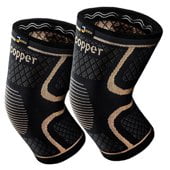
![Copper Compression Knee Sleeves [2-Pack] Knee braces designed to relieve knee pain; compression knee sleeves feature a patellar gel pad and lateral stabilizers; suitable for meniscus tearsXL](https://i5.walmartimages.com/seo/Copper-Knee-Brace-Compression-Sleeve-for-Knee-Pain-Knee-Support-Band-with-Patella-Pad-and-Lateral-Stabilizers-for-Meniscus-Tears-XL_9784db16-e67e-4ede-b5b2-f4e47567f255.1e80fe9f7d85530d537ad7e377f0d6b3.png?odnHeight=576&odnWidth=576&odnBg=FFFFFF)









![Copper Compression Knee Sleeves [2-Pack] Knee braces designed to relieve knee pain; compression knee sleeves feature a patellar gel pad and lateral stabilizers; suitable for meniscus tearsL](https://i5.walmartimages.com/seo/Copper-Knee-Brace-Compression-Sleeve-for-Knee-Pain-Knee-Support-Band-with-Patella-Pad-and-Lateral-Stabilizers-for-Meniscus-Tears-L_f7fd58a7-a0a1-4396-855a-a39c3bfa9032.38154366ee43d433878577ae4bea82a6.png?odnHeight=576&odnWidth=576&odnBg=FFFFFF)








![Copper Compression Knee Sleeves [2-Pack] Knee braces designed to relieve knee pain; compression knee sleeves feature a patellar gel pad and lateral stabilizers; suitable for meniscus tearsM](https://i5.walmartimages.com/seo/Copper-Knee-Brace-Compression-Sleeve-for-Knee-Pain-Knee-Support-Band-with-Patella-Pad-and-Lateral-Stabilizers-for-Meniscus-Tears-M_9784db16-e67e-4ede-b5b2-f4e47567f255.1e80fe9f7d85530d537ad7e377f0d6b3.png?odnHeight=576&odnWidth=576&odnBg=FFFFFF)
About Weight Lifting Accessories & Gym Gear - Walmart - Walmart.com
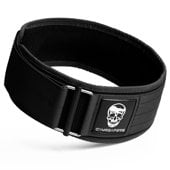
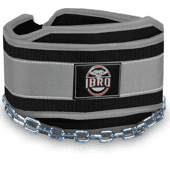
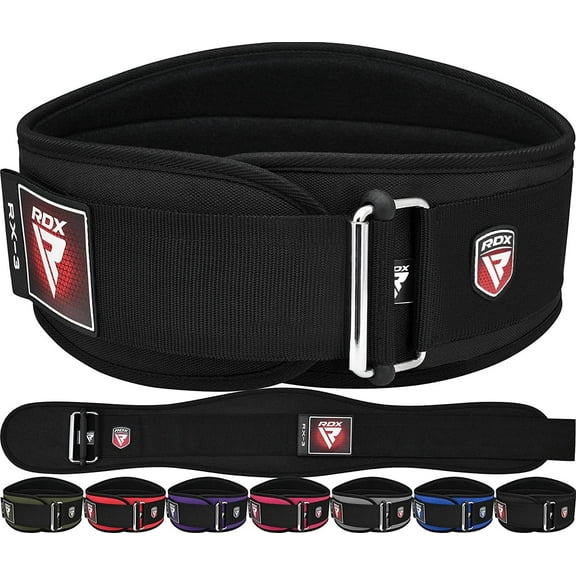
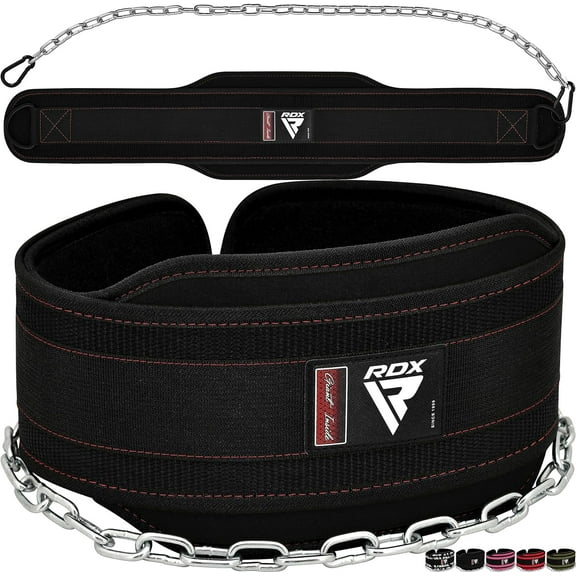
Weight lifting belts help you create a secure setup for heavy training, and you can compare closure, material, width, and fit before you choose. You can use this guide to sort through powerlifting belts, gym belts for lifting, and everyday strength options with added confidence.
How to choose weight lifting belts for your training
If you train for different lifts, you should start by matching the belt to your main routine. You may want a stiffer build for squats and pulls, or a flexible feel for mixed gym sessions.
When you compare category options, you should look at closure type, material, width, and thickness together. You can make a clearer choice when you check how each detail affects setup time, torso movement, and overall fit.
You can narrow your options faster when you focus on the choices that change your training experience significantly. You may usually notice the biggest differences in break-in feel, adjustability, and how the belt sits around your midsection.
- You can choose lever closures when you want quick on and off between heavy sets.
- You can choose single prong or double prong styles when you want familiar hole-based adjustment.
- You can choose leather or suede when you want a firmer, structured feel during heavy lifts.
- You can choose a nylon lifting belt when you want lighter flexibility for varied training.
- You can choose a 4 inch weight lifting belt when you want even support across your torso.
Choosing lever weight lifting belts and prong closure styles
You should compare closure type first because it changes how quickly you can tighten and release the belt. You may often prefer a lever weight lifting belt when you want a locked-in setting for repeated heavy attempts.
If you like simple adjustments across changing workouts, you may prefer single prong or double prong closures. You can move through size changes with holes, and you can fine-tune fit before each main lift.
You should also think about how often your tightness setting changes during a session. You may keep a lever setting for consistent heavy work, while prong styles can suit training days with variation.
When you compare technical details, you should check whether the lever uses a quick-release mechanism. You can use that detail to understand how fast the belt opens between heavy sets.
Comparing leather weight lifting belts and nylon materials
You may usually choose material based on how rigid or flexible you want the belt to feel. You can expect a leather weight lifting belt to give a firmer structure, while nylon and neoprene can feel easier to move in.
If you focus on heavy barbell work, you may look for leather or suede constructions with a solid, stable shape. You can often use those options for slower, controlled setup before squats, deadlifts, and pressing movements.
If your routine includes circuits, machines, or mixed conditioning, you may prefer nylon lifting belt options. You can tighten them quickly, and you can wear them through a wider range of movement patterns.
You should also compare how the material breaks in over time. You can look for leather when you want lasting rigidity, or nylon when you want easier movement from day one.
Choosing width, thickness, and belt shape
You should check width next because it changes how the belt contacts your torso. You can use a 4 inch weight lifting belt for a straight, even surface during squats and deadlifts.
If you want added room around your ribs or hips, you may compare contoured designs. You can also look at 6-inch backs when you want broader rear coverage for general fitness training.
You should compare 10mm and 13mm thickness with your lifting style in mind. You may prefer 10mm when you want support with easier break-in, while 13mm can feel denser and more rigid.
If you follow federation rules, you should check whether a belt meets your competition requirements. You can also compare rigidity ratings in plain terms by focusing on how stiff the belt feels during setup.
Matching powerlifting belts to your fit and routine
You should measure around your navel, not your pants size, when you choose belt sizing. You can get a useful fit check because the belt sits higher than many waistbands.
If you’re comparing powerlifting belts, you should think about your main lifts and your training frequency. You may want a straight, firm belt for heavy strength cycles, especially when you repeat similar movement patterns.
You can match activity use cases to category attributes for a quicker decision. You may choose leather and lever styles for powerlifting, nylon and hook-and-loop styles for general fitness, or flexible builds for olympic lifting.
For bodybuilding sessions, you may prefer a belt that supports bracing without feeling too restrictive between exercises. For general gym training, you can choose a lighter option that adjusts quickly as your workout changes.
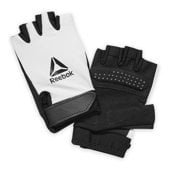
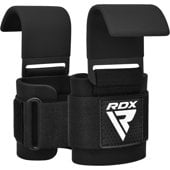
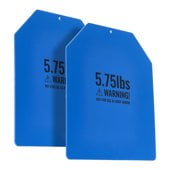
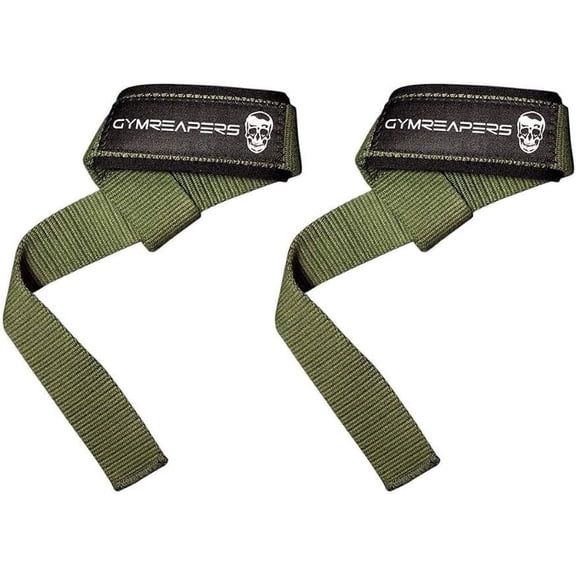
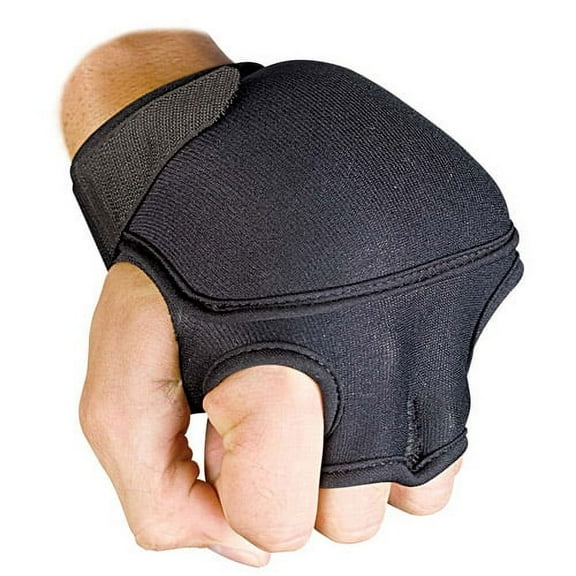
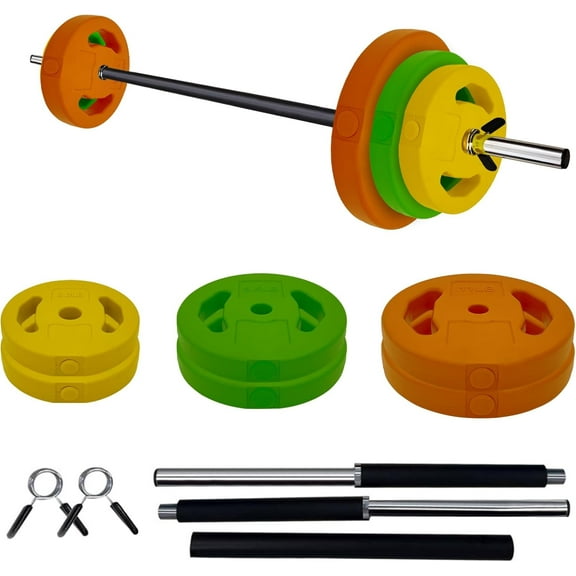
You can also build a complete setup by pairing your belt with related strength gear. You may compare weight plates, barbells, wrist wraps, and weightlifting gloves as you plan your training space.
When you understand closure, material, width, thickness, and measurement, you can choose weight lifting belts with less guesswork. You can end up with a belt that fits your training style, your body shape, and your preferred lifting setup.