





Prescription Glasses in Vision Centers



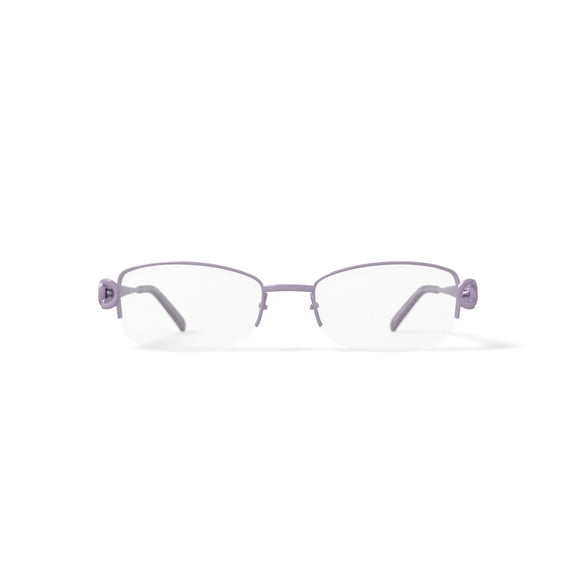
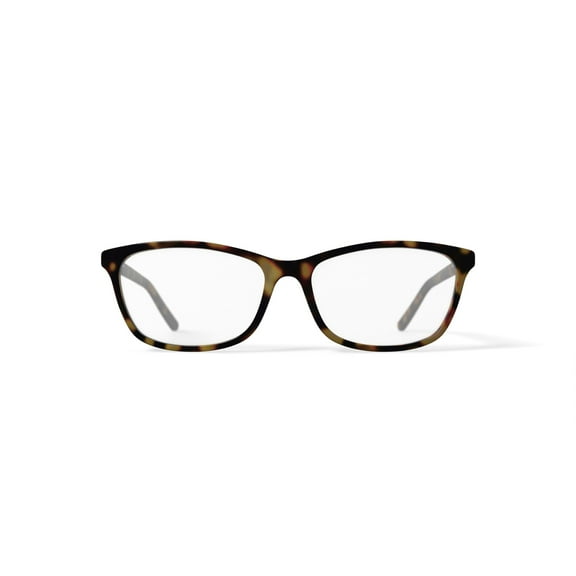
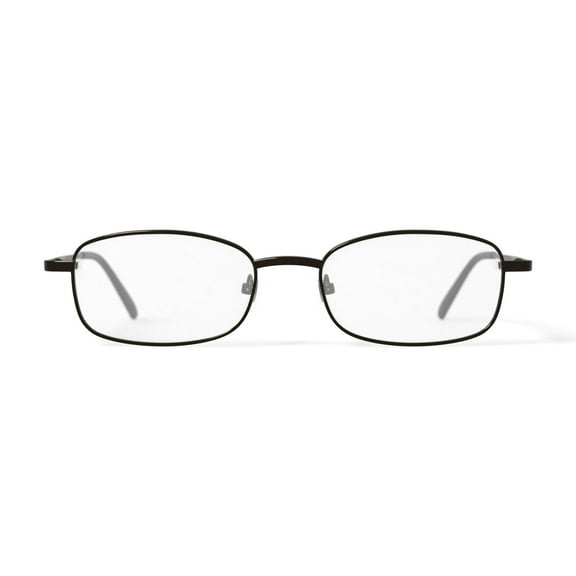
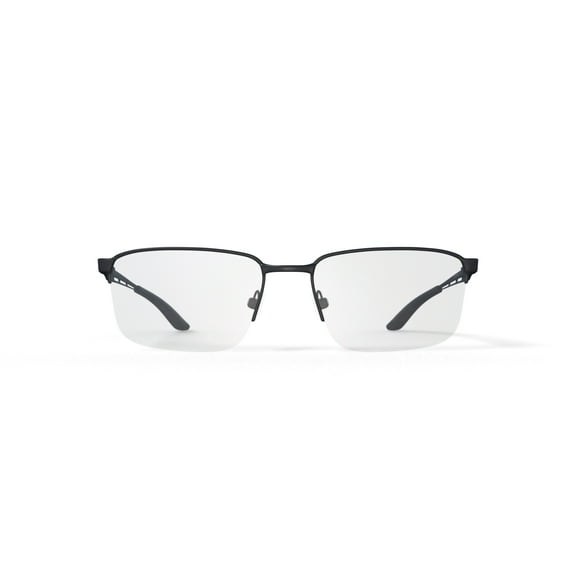

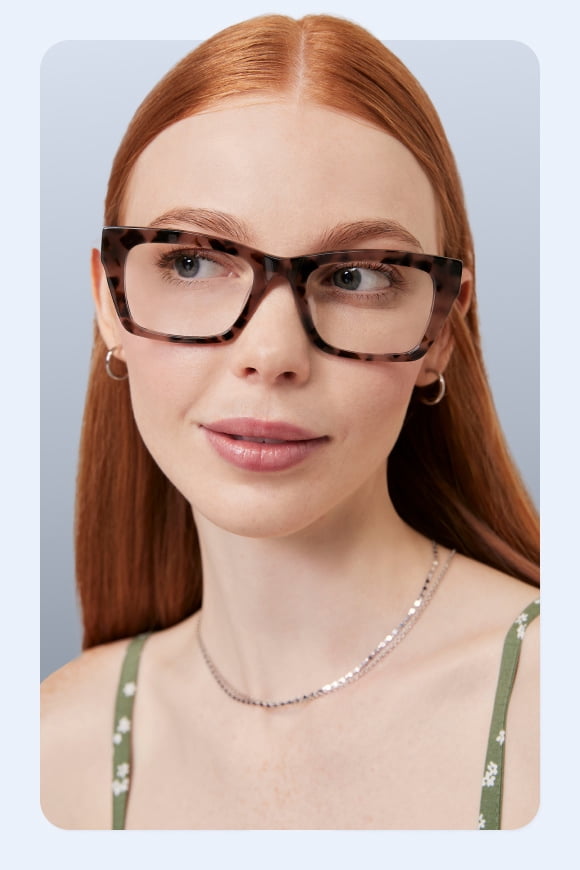
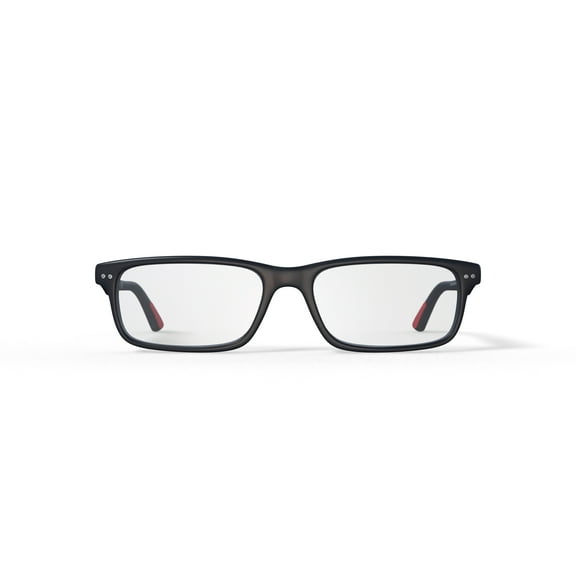
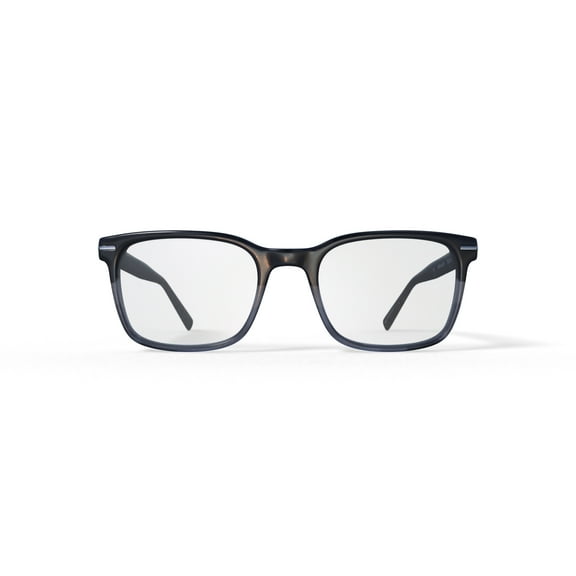
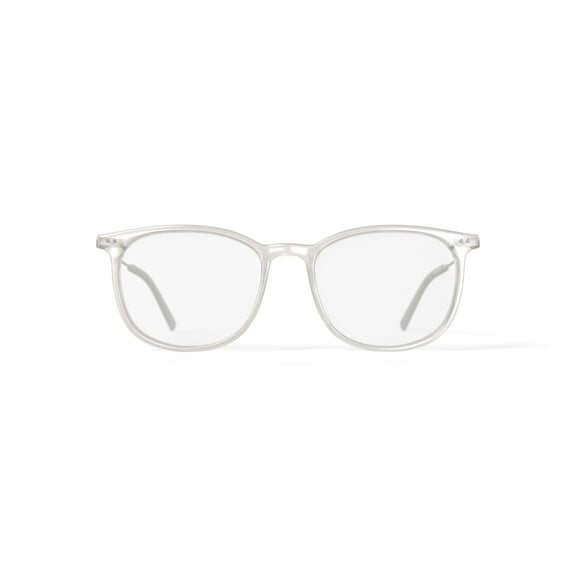






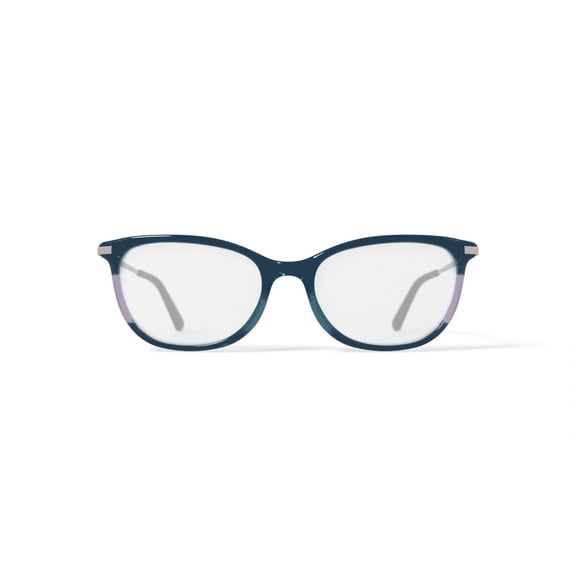
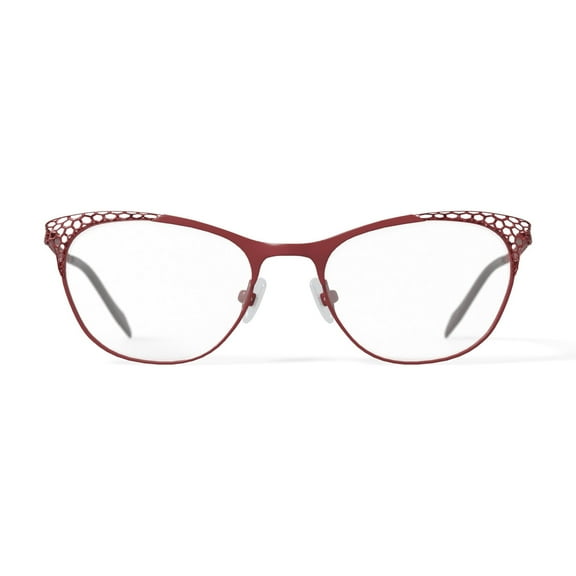
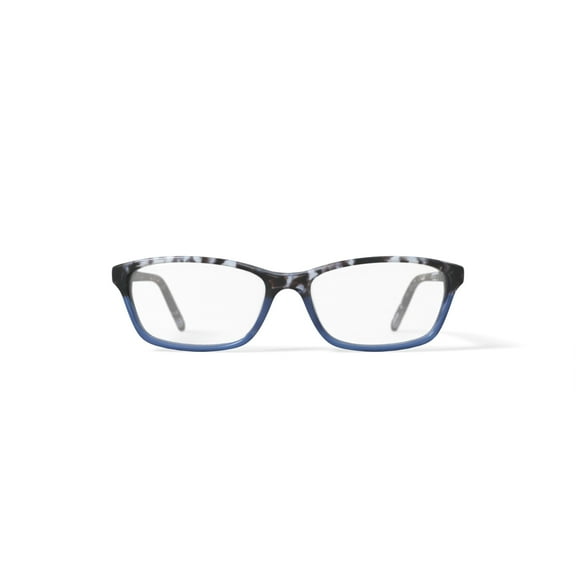


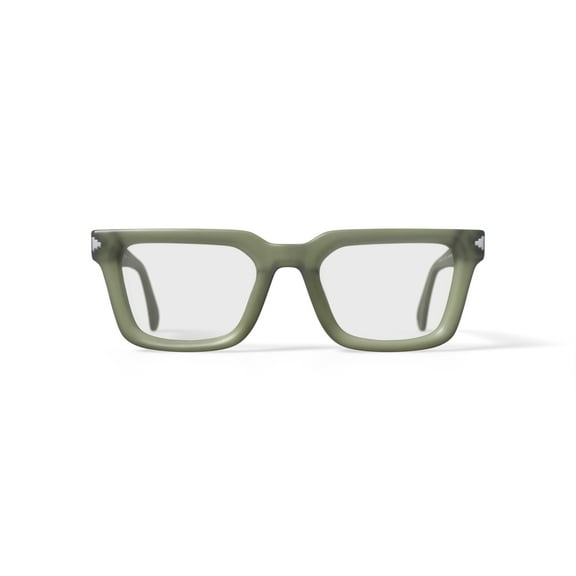

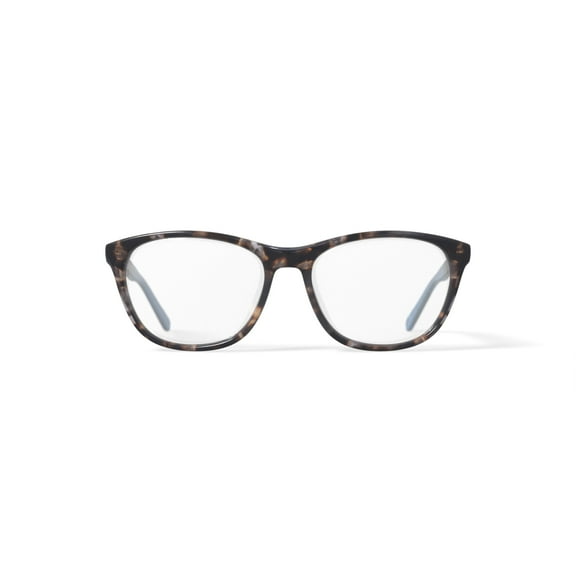
About Prescription Glasses in Vision Centers - Walmart.com
Prescription glasses help you see clearly while matching your daily style needs. You can compare frame shapes, lens types, and fit details in one place.
When you shop prescription glasses online, you can narrow choices by measurements, materials, and coatings. You can also look for options that fit work, school, reading, and screen time.
How to choose prescription glasses
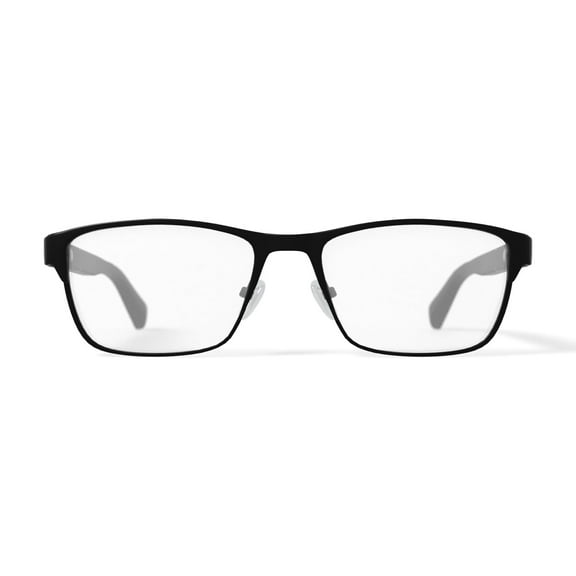
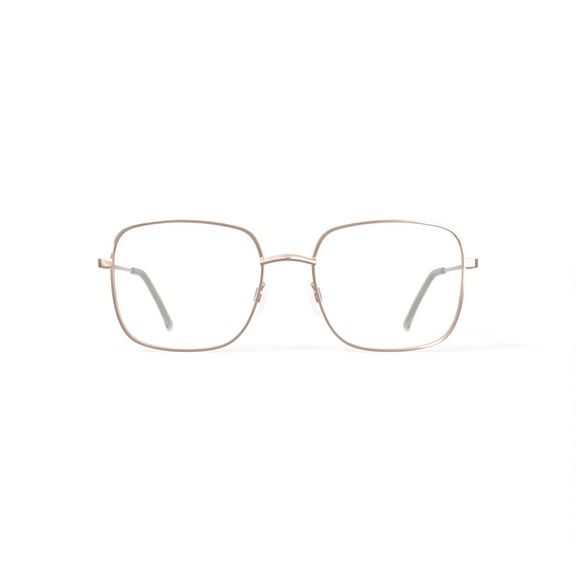
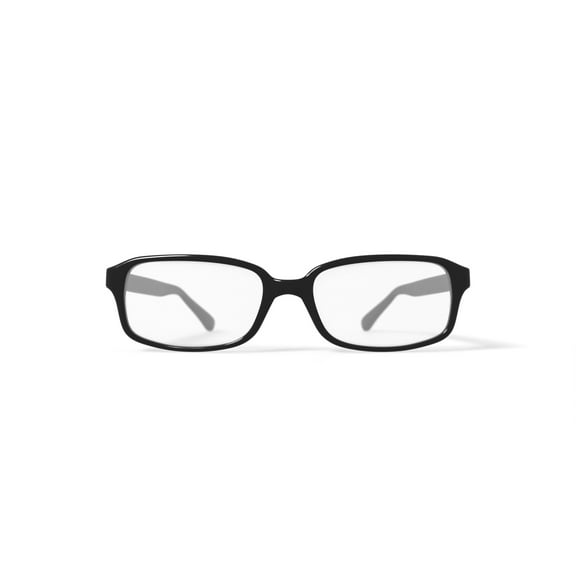
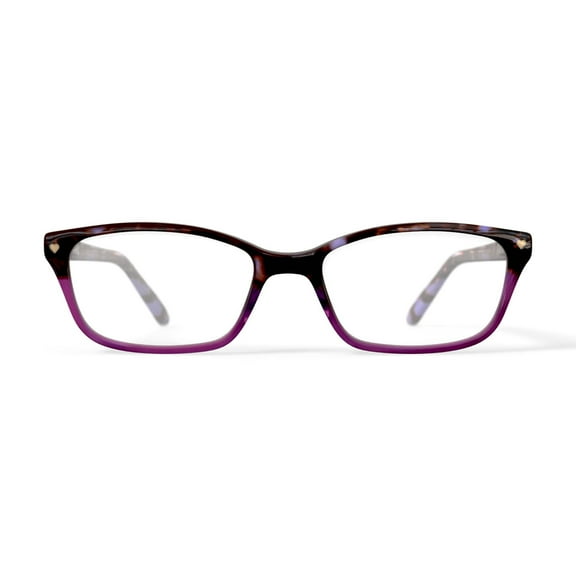
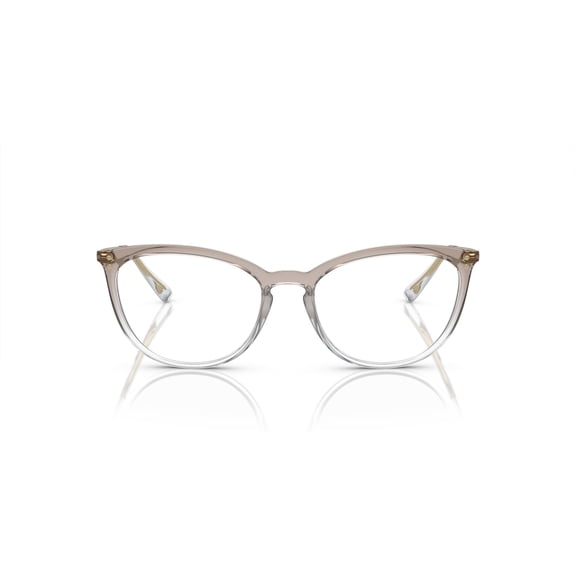
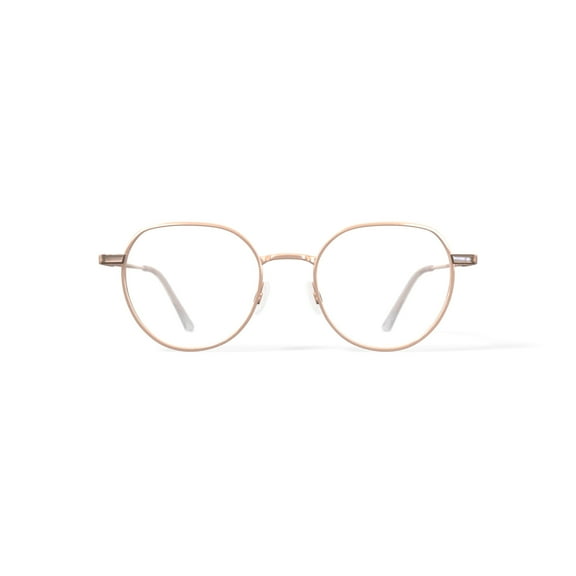
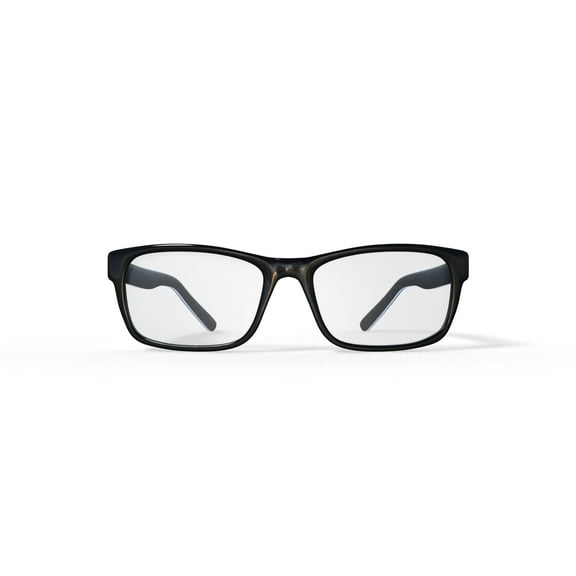
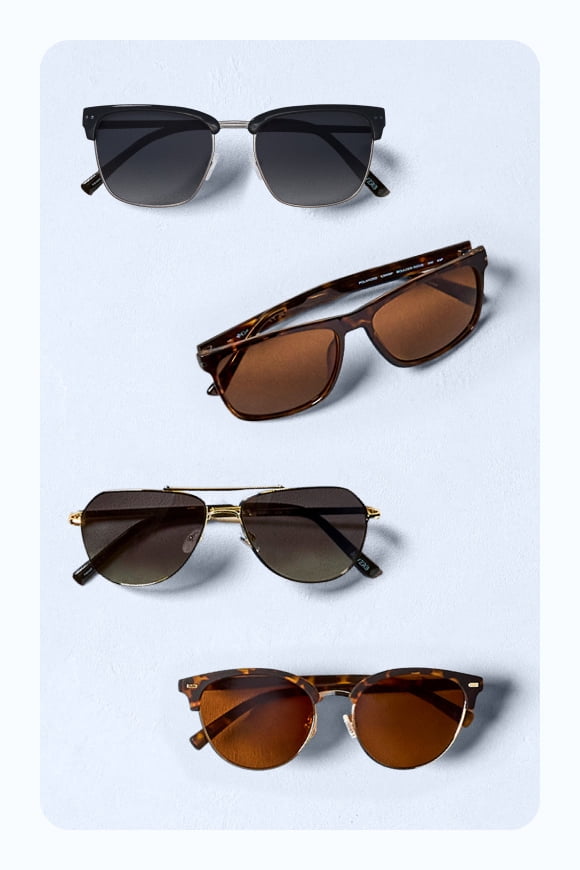
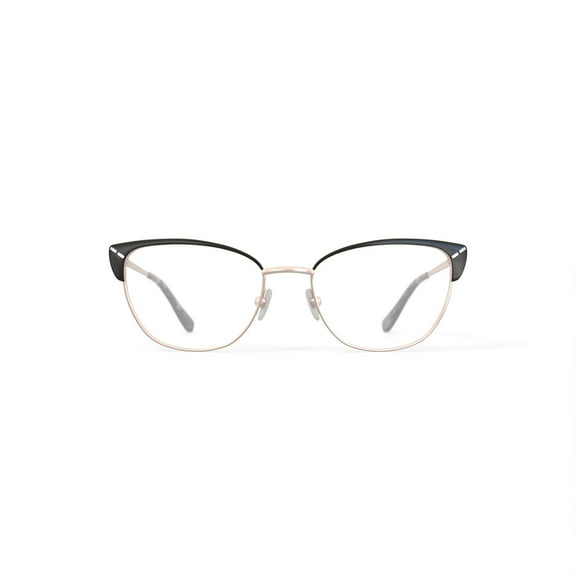
You’ll want to start with frame shape because it changes both comfort and appearance. You can choose rectangular, round, aviator, cat-eye, or square styles based on your look.
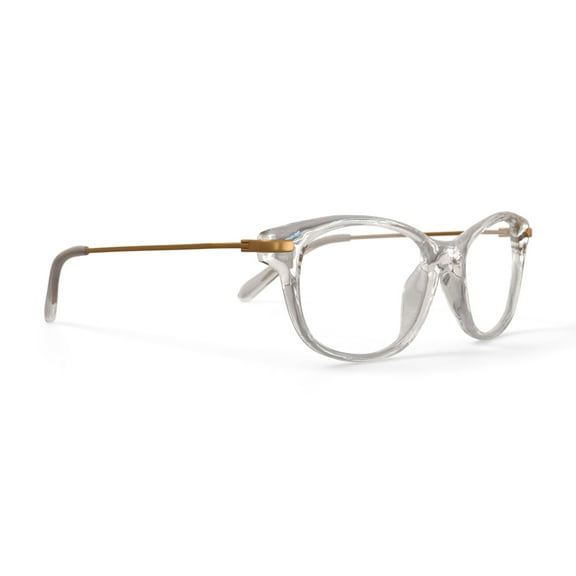
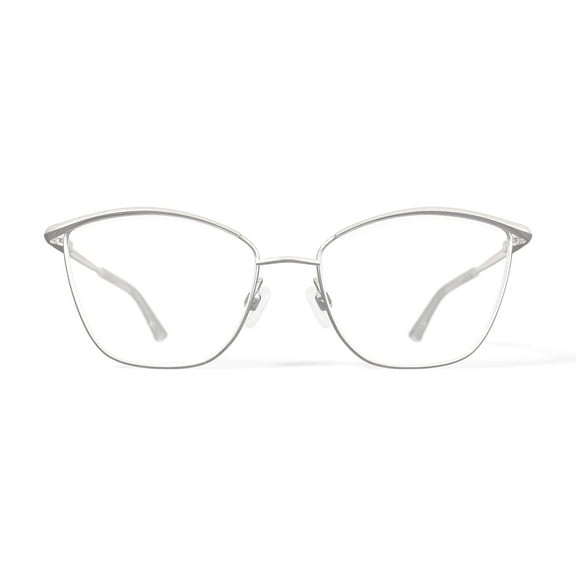
Frame material matters because you’ll feel it every day. You can compare metal, plastic, acetate, and titanium frames for weight, flexibility, and finish.
You may also shop by who will wear them most often. You can find men’s, women’s, kids’, and unisex styles that suit different sizes and preferences.
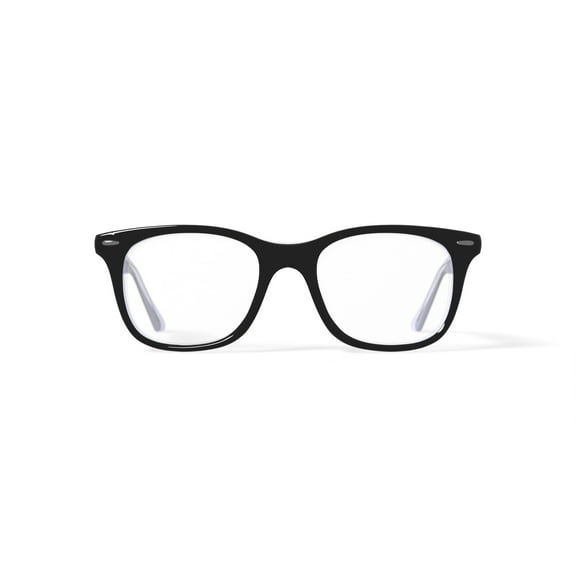
- You can choose rectangular frames for a clean, everyday look.
- You can pick round or cat-eye frames when you want a distinct shape.
- You can compare metal and titanium when you want a lighter feel.
- You can look at acetate or plastic when you want bold color options.
Choosing frames for prescription lenses
You should check fit measurements before you buy prescription glasses. You can compare lens width, bridge width, and temple length to match the glasses you already wear.
Lens width affects how wide each lens appears across your face. Bridge width helps you judge how the frame will sit across your nose.
Temple length tells you how far the arms extend behind your ears. You’ll usually get a steadier fit when these numbers match your current pair.
You can also think about frame depth and shape when you need multifocal lenses. Progressive and bifocal lenses often need enough lens height for a comfortable viewing area.
If you want a lighter pair, you can compare thinner lens materials. Polycarbonate lenses can feel lighter, while high-index lenses can reduce lens thickness for stronger prescriptions.
Understanding prescription eyeglasses and lens types
You’ll want lens type to match how you use your glasses each day. Single vision lenses help you focus on one distance, while reading lenses support close-up tasks.
Bifocal lenses give you two viewing areas in one lens. Progressive lenses give you a smoother shift between distances without a visible line.
You can choose prescription eyeglasses for office tasks, schoolwork, driving, or everyday wear. You should compare how often you switch between near and far focus before choosing a lens design.
Lens coatings can also shape your daily experience. You can look for blue light glasses options, anti-reflective finishes, scratch-resistant surfaces, and UV protection.
Blue light blocking coatings may appeal to you if screens fill much of your day. Anti-reflective coatings can help your lenses look clearer in bright indoor lighting.
Scratch-resistant coatings matter when you want your lenses to handle everyday use. UV protection can be another useful feature when you spend time outdoors.
Prescription glasses online for real-life needs
You can use prescription glasses online tools to compare styles before making a choice. You may filter by shape, material, age group, and lens options to narrow the field.
If you work at a computer, you might focus on blue light glasses and lightweight frames. You can pair those features with single vision lenses for routine desk use.
For reading recipes, books, or small print, you may prefer reading glasses with a comfortable bridge fit. You can also compare round or rectangular shapes for a familiar look.
If your day moves between close tasks and distance viewing, progressive lenses may fit your routine. You can pair them with frames that offer enough lens height and stable nose support.
Kids’ pairs often call for secure fit details and durable materials. You can look for temple length and bridge measurements that support a more consistent fit.
You may also want to check vision benefits before you place an order. Depending on the item, you can review insurance, HSA, or FSA details during your shopping process.
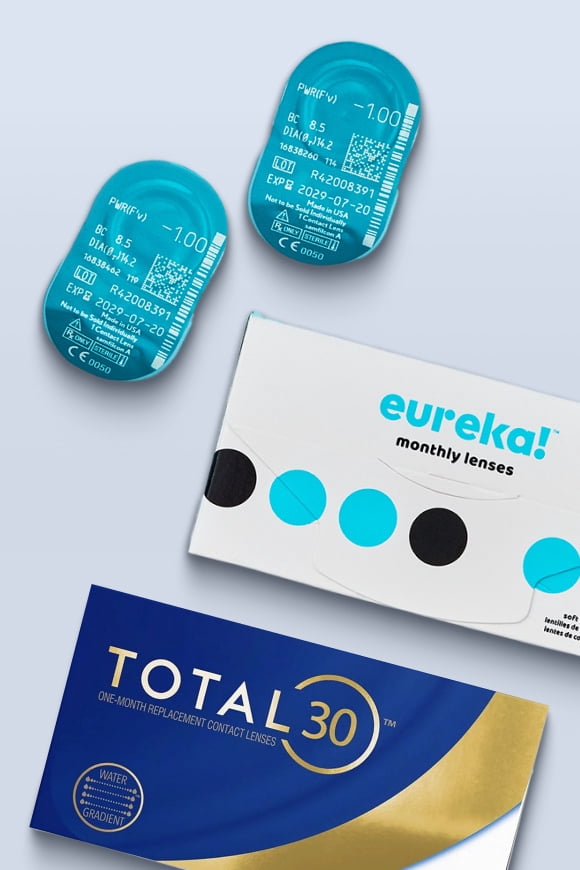
Related categories can help when you need another vision option. You can also explore reading glasses, contact lenses, and eye exams for different needs.
What to look for before you buy prescription glasses
You should confirm your prescription details and compare them carefully during selection. You can then match your lenses, frame measurements, and coatings to your daily routine.
With the right prescription glasses, you can balance clear vision, dependable fit, and a look you’ll feel comfortable wearing all day. You’ll get a pair that fits how you read, work, and move.