

Vegetable Dips and Spreads for Snacks

















About Vegetable Dips and Spreads for Snacks - Walmart.com
Vegetable dips help you turn cut veggies into an easy snack, lunch side, or party tray centerpiece. You can compare flavors, dietary options, bases, and pack sizes to match your table and schedule.
How to choose vegetable dips
When you shop vegetable dips, you’ll want a flavor that fits your crowd and your serving plan. You can start with familiar ranch, then compare dill, french onion, spinach, or garlic.
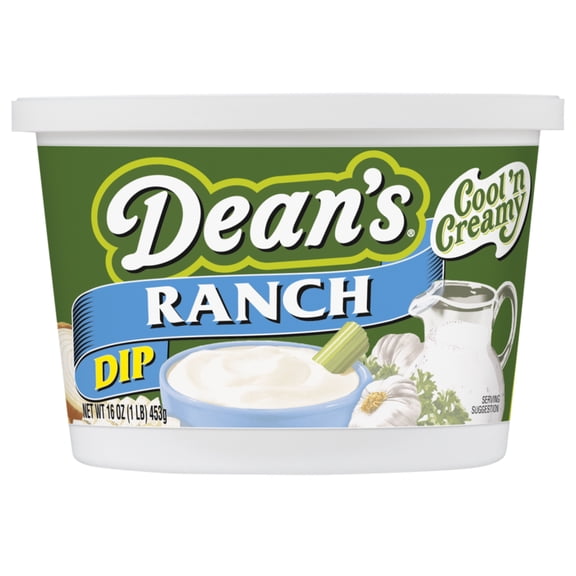
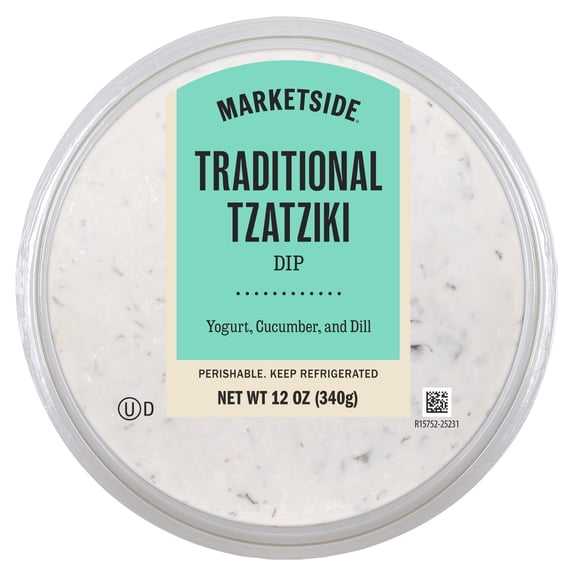
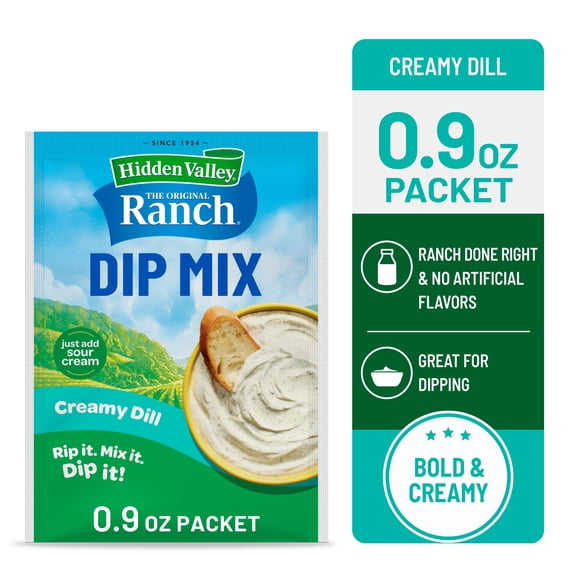
Classic ranch dip for vegetables works well when you’re serving carrots, celery, broccoli, and cucumbers. Dill tastes bright with cucumbers and tomatoes, while spinach pairs easily with mixed veggie cups.
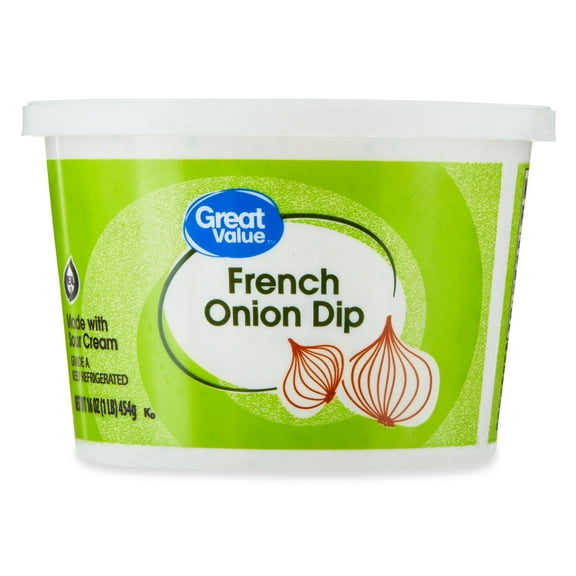
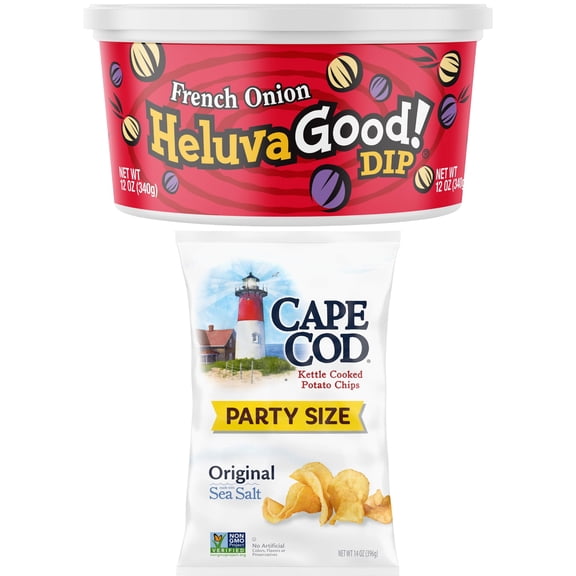
French onion brings a savory note that fits crackers and vegetables on the same tray. Garlic can add a bolder finish when you want your cold vegetable dips to stand out.
What flavor profiles mean for your spread
You can use flavor profile as your first filter because it shapes the whole platter experience. If you’re hosting mixed ages, you may prefer ranch or french onion for broad appeal.
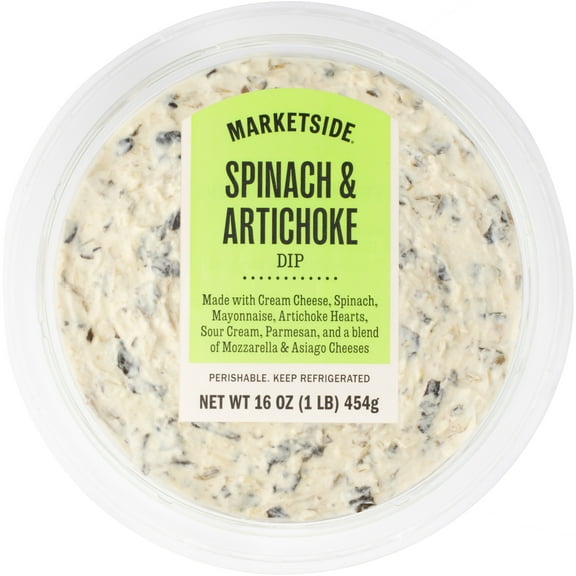
If you’re building a holiday veggie dip platter, you can add spinach dip for color and a familiar party feel. You can also pair dill with radishes, snap peas, and cucumber slices.
- You can choose ranch for a classic, crowd-friendly taste with many vegetables.
- You can pick dill when you want a fresh flavor with cucumbers and tomatoes.
- You can serve spinach when you want a richer option for gatherings and snack boards.
- You can use garlic or french onion when your tray includes crackers, pretzels, or bread pieces.
You’ll get a smoother pairing plan when you match each dip with vegetable texture. Crunchy vegetables often suit creamy dips, while softer vegetables can handle stronger savory flavors.
Comparing dietary options and labels
You may need a healthy veggie dip that fits specific labels for your household or guests. You can compare organic, dairy-free, keto-friendly, and low-fat options before you pick a container.
Dairy-free choices can help you plan shared snacks with fewer ingredient conflicts at the table. Low-fat options may suit lighter lunch prep, while organic labels may matter for your pantry preferences.
You should check whether the package lists gluten-free claims if that matters for your meal planning. You can also compare ingredient panels when you want a plant-based or greek yogurt base.
Choosing the right base ingredient
The base ingredient affects texture, flavor, and how your dip works with different vegetables. You can compare sour cream, greek yogurt, cream cheese, and plant-based styles with that in mind.
Sour cream bases usually taste cool and familiar, which helps when you want classic veggie dip for everyday snacking. Greek yogurt bases often feel tangy and lighter for lunch boxes.
Cream cheese bases can feel thicker on celery sticks or mini peppers during parties. Plant-based options can help you serve guests who prefer dairy-free cold vegetable dips.
You should also consider serving temperature and storage before you choose a base. Refrigerated dips often suit fresh produce trays, while shelf-stable formats can work for pantry backup.
Matching packaging size to the occasion
Packaging size matters when you’re packing lunches, setting out a snack tray, or planning vegetable dip platters. You can compare single-serve cups, party tubs, and squeeze bottles by occasion.
Single-serve cups fit lunch bags, quick breaks, and portioned snacks with baby carrots or celery sticks. Party tubs give you more dip in one container for gatherings, game day trays, or family meals.
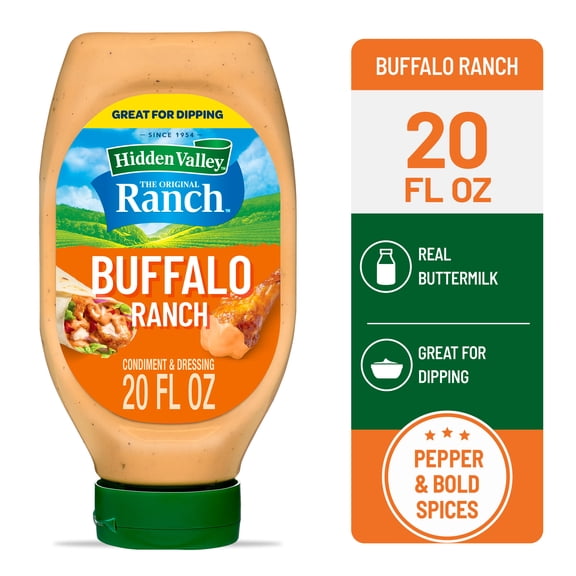
Squeeze bottles can help you add dip neatly to wraps, veggie cups, or snack boxes. You may like that format when you want less mess during weekday prep.
Using vegetable dips for snacks, lunches, and parties
You can keep vegetable dips on hand for after-school snacks, office lunches, or simple hosting. A ranch dip for vegetables works well with a basic tray, while spinach vegetable dip fits party tables.
For lunch prep, you can pair single-serve cups with carrots, cucumber rounds, and cherry tomatoes. For entertaining, you can place a party tub beside broccoli florets, cauliflower, peppers, and snap peas.
If you’re building a holiday veggie dip platter, you can mix one classic flavor and one richer option. That approach helps you cover familiar tastes and variety without overcomplicating your spread.
You can also think about basket pairing when you plan the full table. Fresh vegetables, crackers, pretzels, and party platters can help you create a more complete spread at Walmart.
You’ll make choosing easier when you compare flavor, dietary labels, base ingredient, and package size together. With the right vegetable dips, you can serve fresh vegetables in a way that feels simple and satisfying.