

Tractor Rototillers in Tractor Attachments


















About Tractor Rototillers in Tractor Attachments - Walmart.com
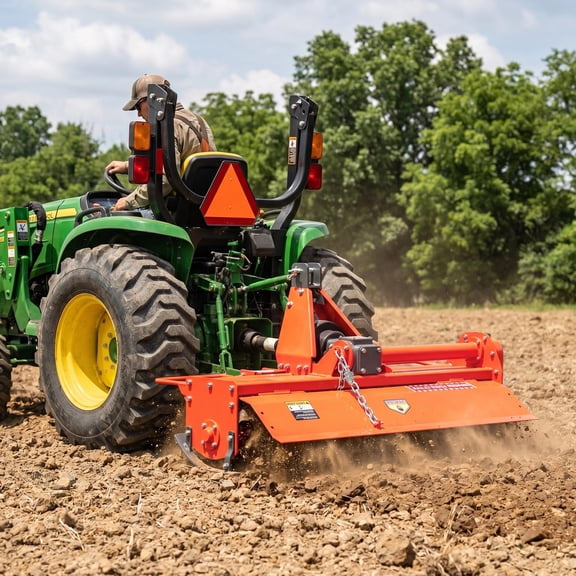
Tractor rototillers help you turn rough ground into ready-to-plant rows with one pass behind your tractor. You can compare hitch fit, PTO horsepower, and tilling width here, so your attachment matches your machine and your soil.
How to choose tractor rototillers for your tractor
When you compare tractor rototillers, you should start with your tractor's hitch and PTO setup. You’ll want a tractor rototiller attachment that matches your three-point connection and your available horsepower.
If you use a Category 1 setup, you should check whether the tiller lists Category 1 or three-point hitch compatibility. If you use a quick hitch, you should confirm that your attachment geometry supports that connection style.
Your tilling width should usually cover your rear tire tracks, so you leave a clean pass behind you. You can choose 48-inch, 60-inch, or 72-inch widths based on your tractor size and your working area.
Choosing the right 3 point tractor rotary tiller
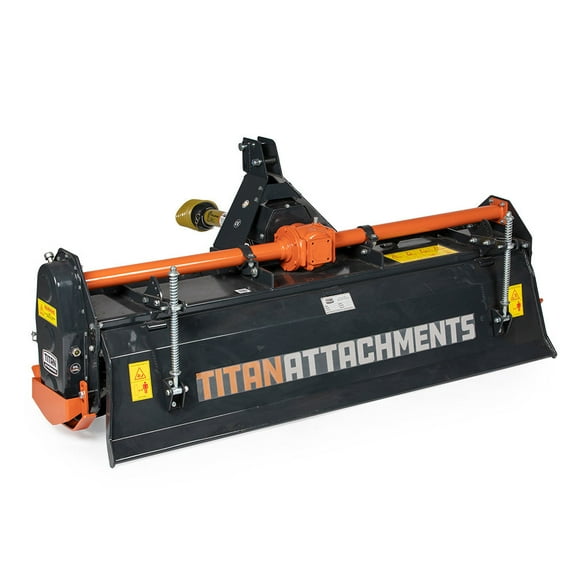
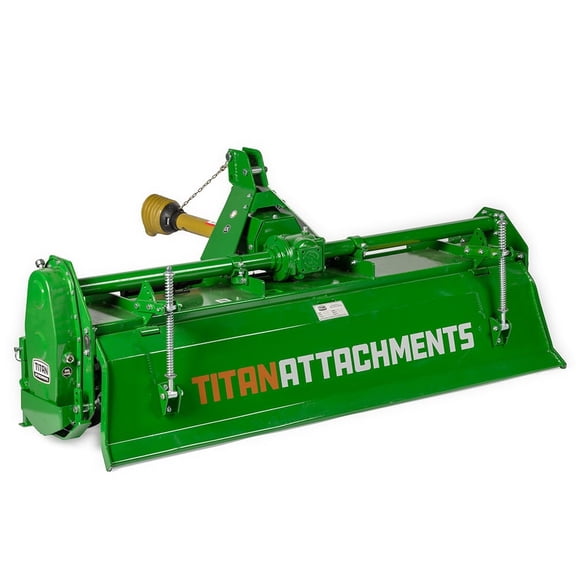
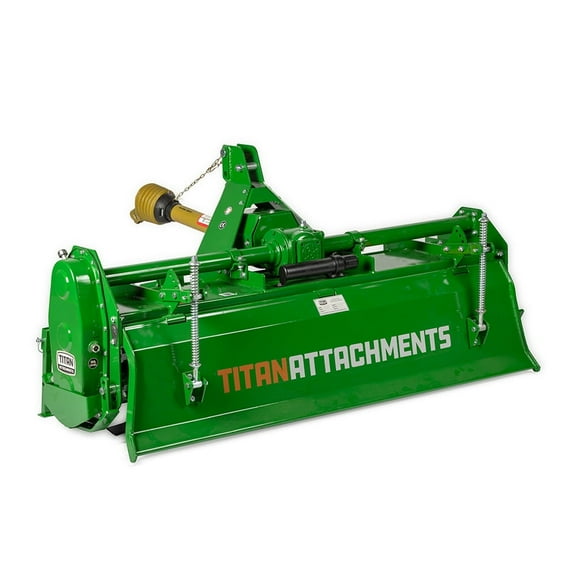
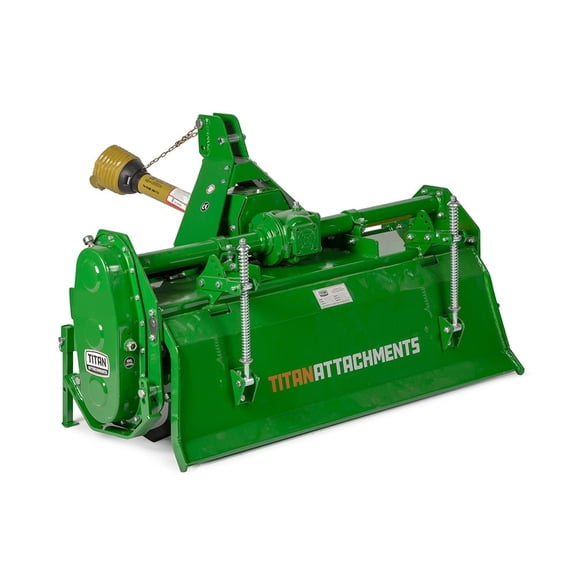
A 3 point tractor rotary tiller gives you a stable attachment point for garden plots, food plots, and landscape prep. You can raise, lower, and transport the tiller through your tractor's rear linkage with familiar controls.
For smaller tractors, you may prefer a 48-inch model that turns tightly and fits narrower paths. For larger compact and utility tractors, you may lean toward 60-inch or 72-inch coverage for broader passes.
You should also compare your tractor width against the tiller width before you choose. If your tiller reaches past your tire path, you’ll get a smoother finish and fewer untouched strips.
- You can prep seedbeds with fewer passes when your tilling width matches your tractor and your plot size.
- You can maintain cleaner attachment fit when your hitch category and quick-hitch needs are clearly matched.
- You can choose a drive system that fits your workload, maintenance style, and soil conditions.
- You can improve soil breakup by matching rotation direction to loose ground or packed clay.
What to look for in a PTO rotary tiller
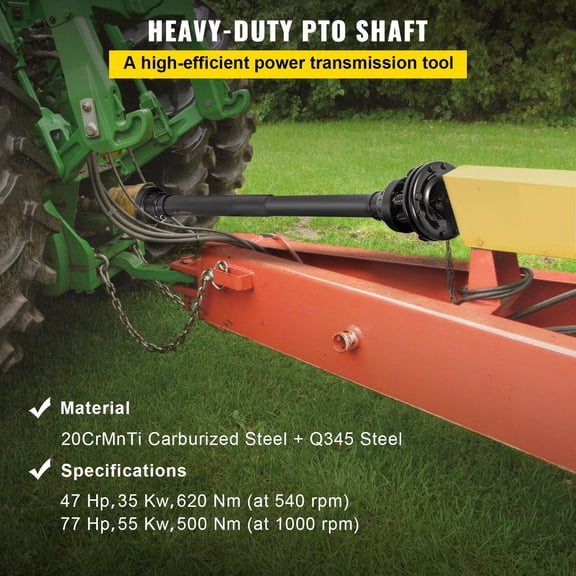
A PTO rotary tiller uses your tractor's power take-off to spin the tines and work the soil. You should check the PTO horsepower requirement first, because that rating tells you what your tractor can handle comfortably.
If your tractor falls in the 15-25 HP range, you should focus on lighter implements and narrower widths. If your tractor reaches 20-40 HP or 25-50 HP, you can consider wider, heavier-duty rotary tiller options.
You should compare gear drive and chain drive as part of your decision. Gear drive usually suits heavier fieldwork, while chain drive can appeal when you want simpler service access.
Your tine rotation direction also matters when you work different ground types. Forward rotation usually fits previously worked or looser soil, while reverse rotation can help you bite into hard-packed ground.
Comparing key features and attachment details
You should measure your tractor carefully before you choose a tractor rototiller attachment for regular fieldwork. Your lift capacity, PTO rating, and hitch spacing all help determine whether an implement will fit your setup.
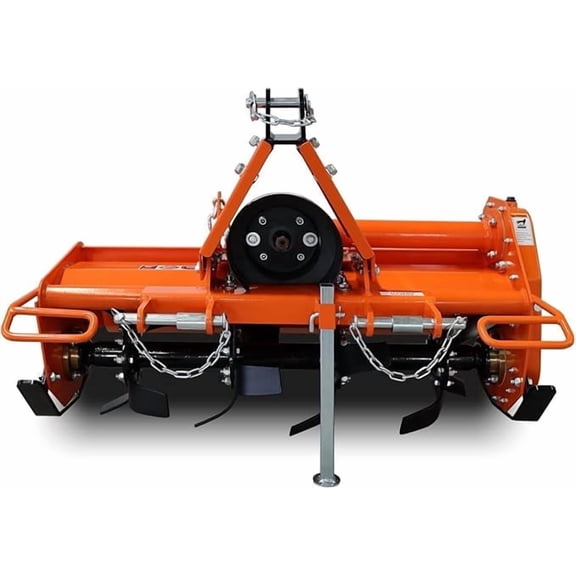
Many shoppers compare side plates, skid shoes, and rear shields when they review a heavy duty rotary tiller. You’ll want those parts to support steady depth control, cleaner passes, and consistent soil flow.
Drive housing design can affect how you maintain your attachment over time. You should look for clear access points, durable construction, and specifications that match your expected acreage.
Tilling depth adjustment is another useful decision point for your projects. You can choose settings that support seedbed prep, garden expansion, or breaking up previously unused strips.
Matching tractor rototillers to your property and soil
You can use tractor rototillers for vegetable gardens, orchards, wildlife plots, and landscape renovation around larger properties. Your ideal setup depends on your tractor size, your soil texture, and how often you work the ground.
If you maintain a home garden or smaller patch, you may prefer a narrower tiller with modest PTO needs. If you manage broader rows or open acreage, you may want wider coverage and a stronger driveline.
For sandy or already loosened soil, you can often work efficiently with forward rotation and a standard pass speed. For denser clay or compacted areas, you may consider reverse rotation for more aggressive soil engagement.
You should also think about transport and storage before you decide. A width that works in your field should also fit through your gates, along your paths, and inside your equipment space.
Using this buying guide with confidence
You can narrow your options quickly when you compare width, hitch compatibility, drive type, PTO range, and rotation style together. That approach helps you choose tractor rototillers that fit your tractor, cover your tire tracks, and prepare your soil with fewer compromises.