

Table Hockey

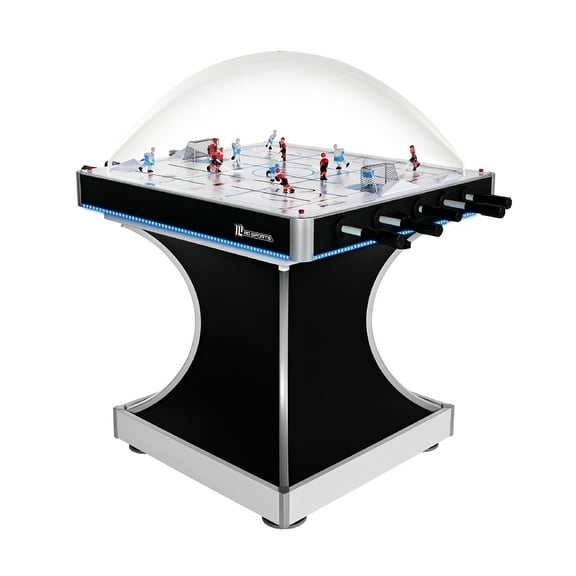


About Table Hockey - Walmart.com
Table hockey brings fast arcade-style play to your game room. You can compare rod hockey table and tabletop hockey game options with clear confidence.
If you're choosing for family play, you can focus on size, rod action, and scoring first. You can also compare bubble hockey table and dome hockey table designs for a different feel.
How to choose the right table hockey setup
When you compare sizes, you should start with where your game will live. You can place a tabletop hockey game on an existing surface, while a standalone cabinet needs dedicated floor space.
If you want easier movement between rooms, you can consider portable designs with lighter construction. If you want a permanent fixture, you can look for a larger cabinet with a steadier base.
Your choice affects how often you can set up and store the game. You may prefer tabletop formats when your space also serves as a den, office, or play area.
- You can choose tabletop designs when you need compact storage and quick setup.
- You can choose standalone cabinets when you want an anchored arcade feel.
- You can compare bubble and open playfields based on visibility and puck containment.
- You can select electronic LED or manual slide scoring based on your preferred game flow.
Choosing between rod hockey table and bubble styles
When you compare game types, you should decide how you want each match to feel. A rod hockey table gives you open play and direct control, while bubble hockey encloses the action under a clear dome.
You may like dome hockey table designs because you can keep the puck contained during active play. You may prefer classic rod hockey because you can reach the surface more directly during setup and cleanup.
Your play style matters when you compare these formats. If you enjoy quick passes and visible rod movement, you'll likely focus on classic rod layouts and player spacing.
For durability, you should check steel rod thickness because thicker rods usually feel steadier during repeated use. You should also compare gear ratio details, since smoother gearing can give your turns a more controlled response.
Those mechanical details matter most when your table sees frequent family play. You'll notice stronger rods and solid gearing help your controls feel consistent from one match to the next.
What to look for in cabinet construction and scoring
When you review materials, you should match the cabinet to your room and usage. You can choose wood veneer for a furniture-style look, or molded plastic for easier repositioning.
You can also consider heavy-duty MDF when you want a sturdier body and a more substantial presence. That added weight can help your table feel planted during competitive sessions.
Your surface, corners, and handles shape day-to-day use. You should look for construction that feels smooth to wipe down and simple to keep ready between games.
Scoring changes how you follow the action during play. Electronic LED scoring gives you a quick visual read, while manual slide scoring keeps the format simple and familiar.
If you host casual family matches, you may enjoy manual scoring for its straightforward feel. If you want easier score tracking during fast rounds, you may prefer an electronic display.
Choosing the right tabletop hockey game for your room
A tabletop hockey game works well when you want arcade energy without a full cabinet footprint. You can set it on a sturdy table, use it during gatherings, and store it when the room needs to shift.
That format can suit apartments, bonus rooms, and shared family spaces. You can keep game night flexible without giving up the quick back-and-forth action that makes table hockey engaging.
If you're building a dedicated entertainment area, you may lean toward a larger cabinet model. You can create a game-room focal point that sits naturally beside foosball tables, arcade games, or air hockey tables.
Your household size can guide this decision too. If younger players join often, you may appreciate a format that's easy to reach and simple to reset between rounds.
You should also think about how often you'll move the table after setup. A portable option can suit changing layouts, while a heavier cabinet can support a more permanent arrangement.
How table hockey fits different play styles
If you want quick matches after school or work, you can choose compact designs that are easy to access. You'll keep the game ready for short rounds without rearranging the whole room.
When you host friends, you may want a cabinet with stronger rods and clear scoring visibility. You can keep play moving smoothly while everyone follows the action from the sidelines.
If you prefer a classic arcade feel, you can compare rod hockey table options with open control and visible mechanics. If you want more puck containment, you can focus on bubble hockey table formats instead.
Your final choice should reflect your room size, your preferred controls, and your scoring habits. With the right table hockey setup, you can enjoy fast, repeatable play that fits naturally into your game room.