





Swaddles & Wearable Blankets in Baby Bedding




































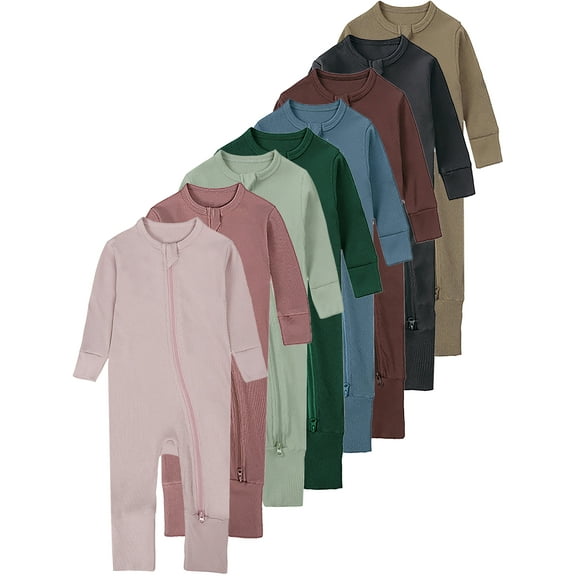


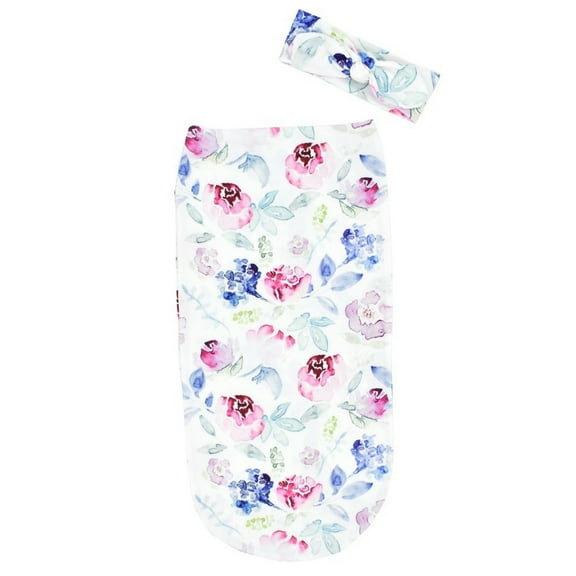


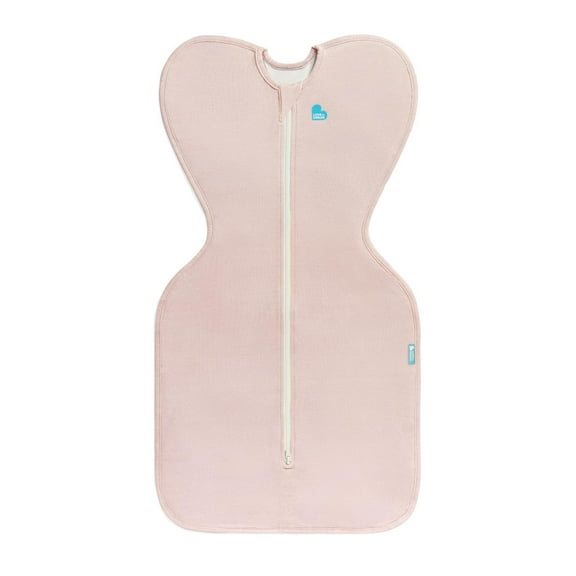


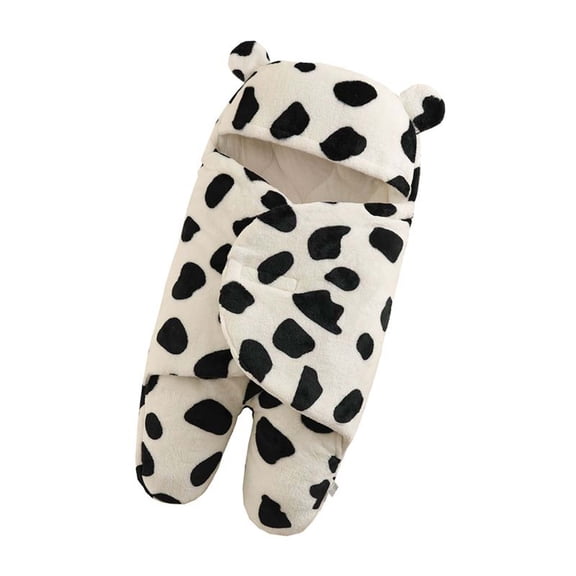


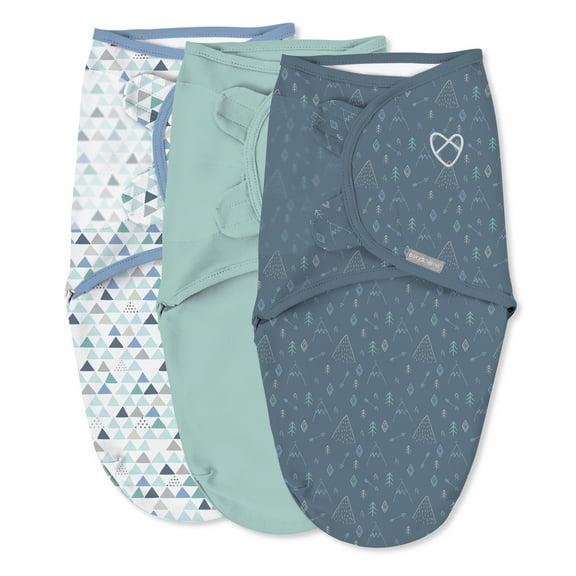


About Swaddles & Wearable Blankets in Baby Bedding - Walmart.com
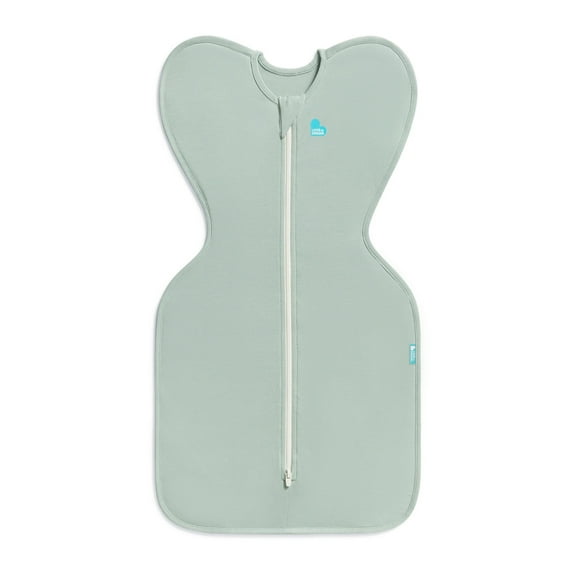
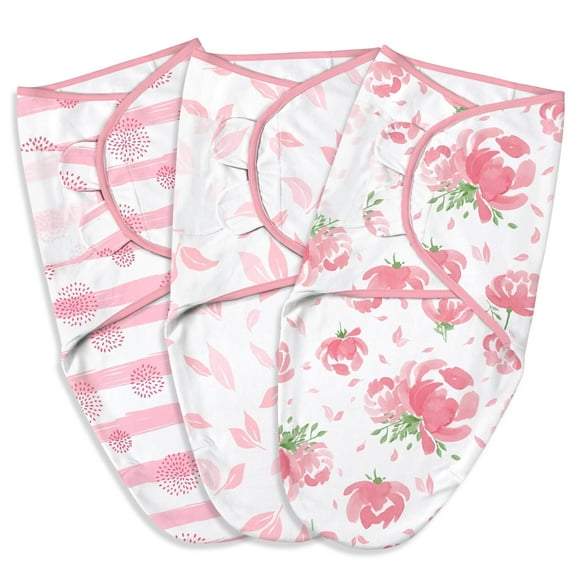
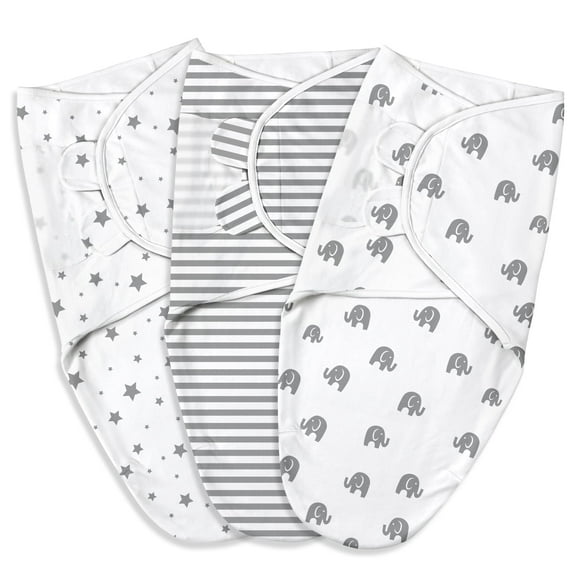
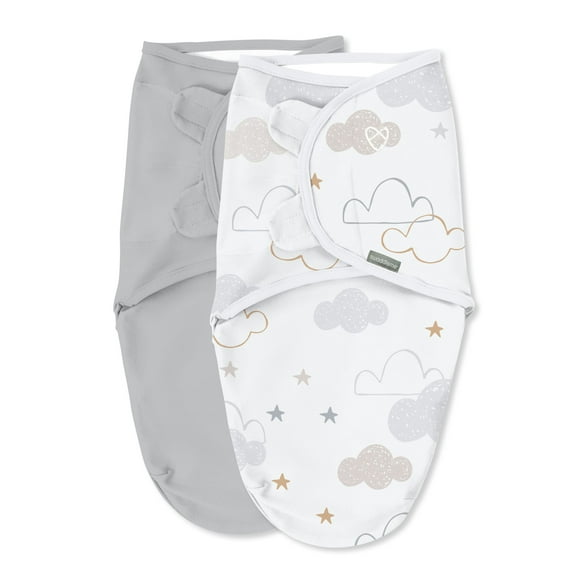
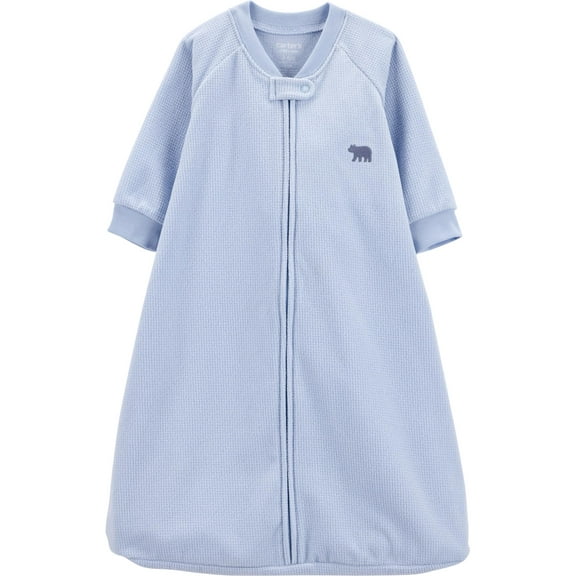
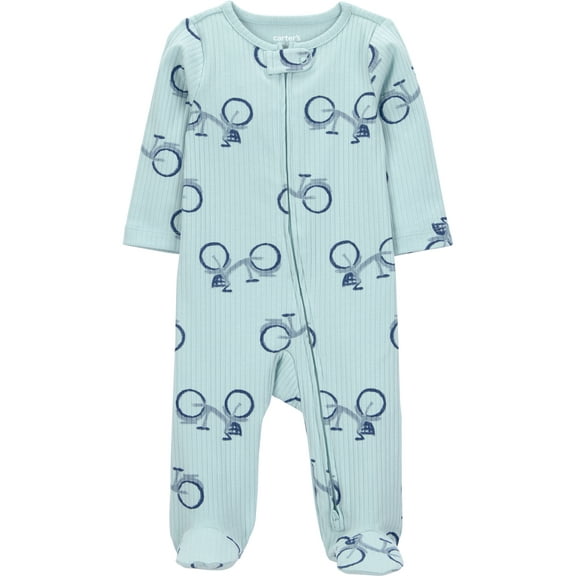
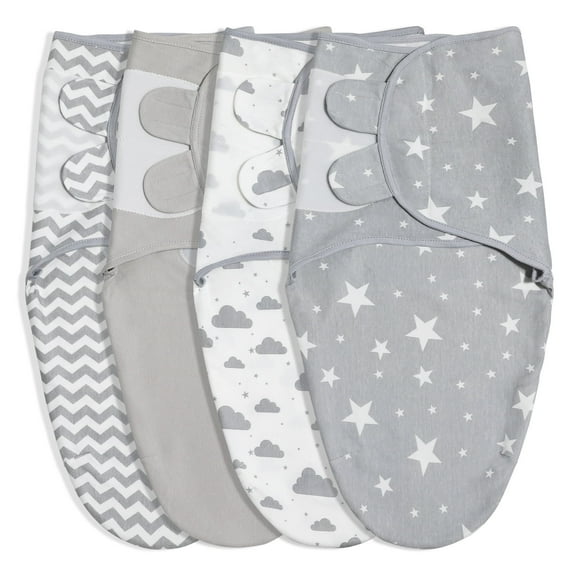
You can simplify bedtime with swaddles and wearable blankets that support a secure sleep setup and smoother overnight routines. You’ll find baby swaddle blankets, sleep sacks for infants, and transition-ready styles that match changing sleep stages.
How to choose swaddles and wearable blankets
You should start with your baby’s stage and your usual bedtime routine. You may prefer newborn swaddles for the first weeks, then switch as your baby becomes more active.
Many parents compare these sleep essentials by warmth, fabric, and closure style. You can also narrow options by size range, so your fit matches your baby’s age and length.
You’ll notice this category supports several bedtime needs at once. You can keep the sleep space free of loose layers and handle diaper changes with less disruption.
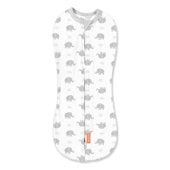
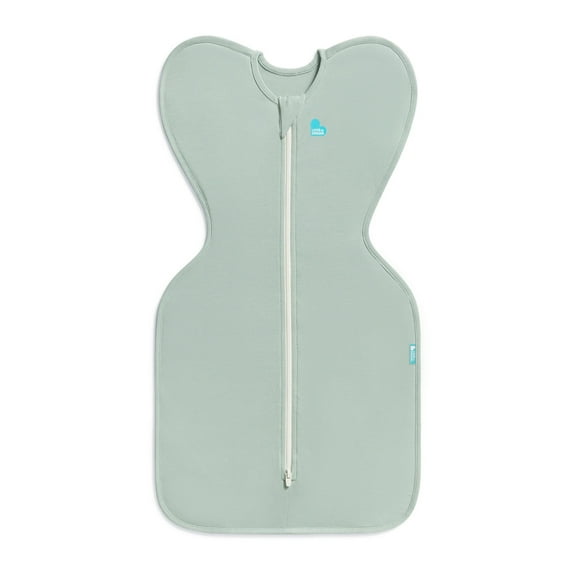
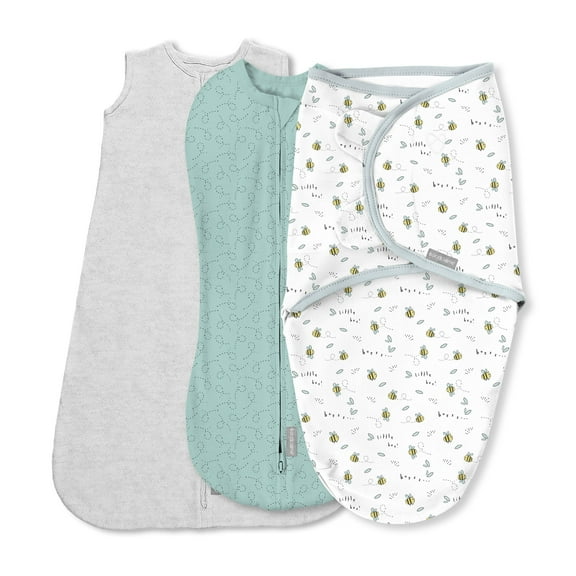
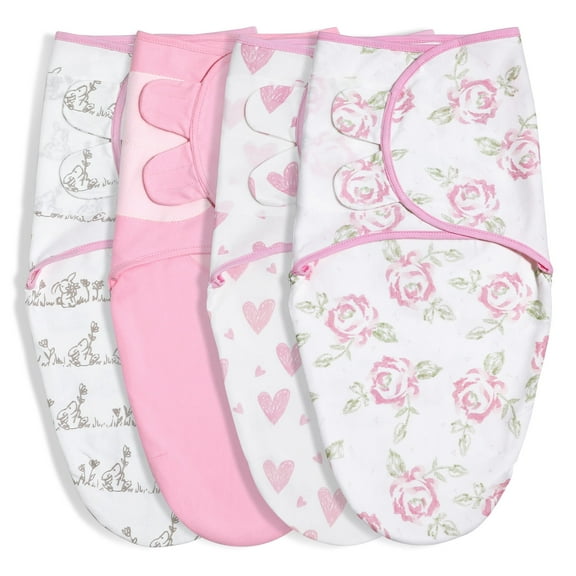
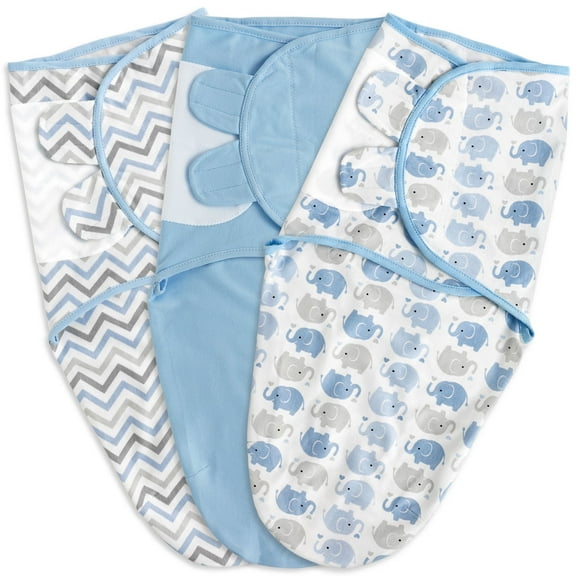
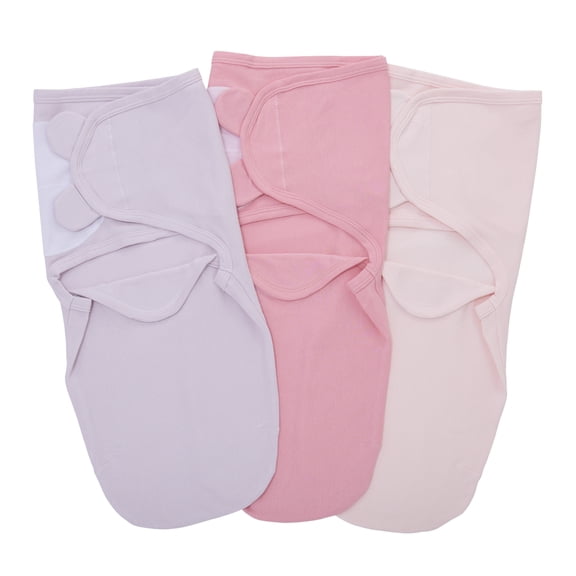
- You can choose baby swaddle blankets that wrap snugly during the newborn stage.
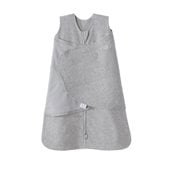
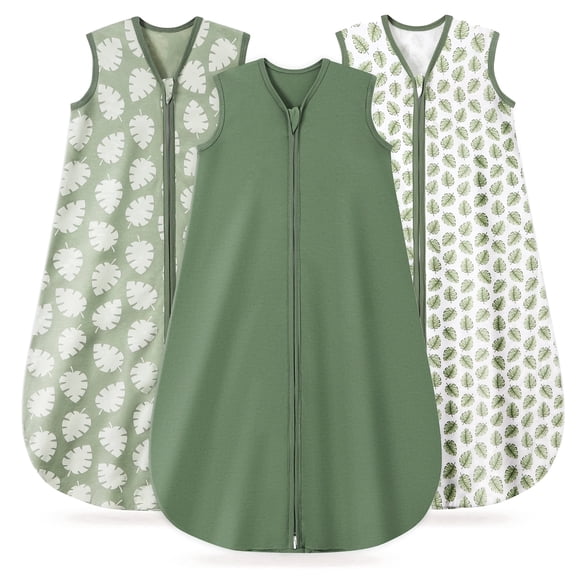
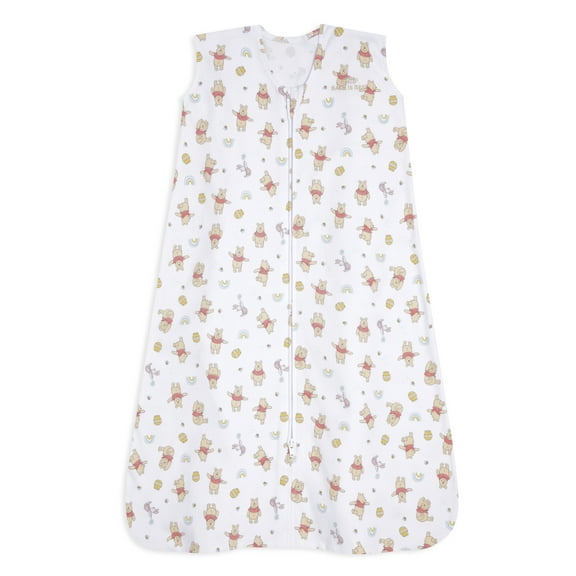
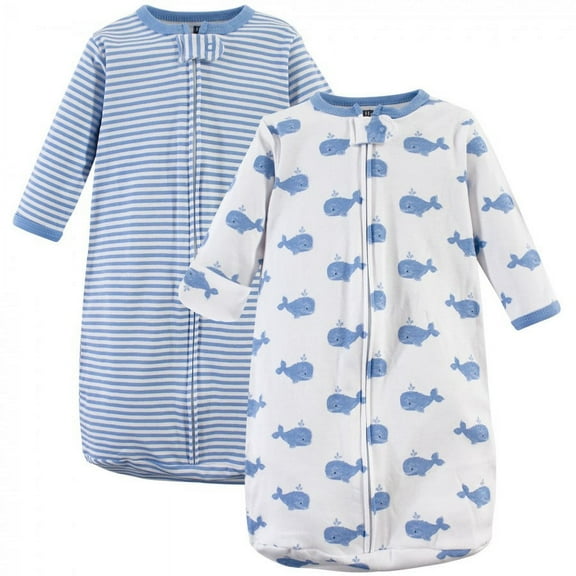
- You can switch to wearable blankets for babies when you want arms-out movement.
- You can compare TOG ratings for summer, year-round, or winter use.
- You can pick closures that feel simpler during late-night changes.
Choosing fabric for baby swaddle blankets
You should compare material first if softness and airflow matter in your routine. You’ll often see cotton, muslin, fleece, and rayon from bamboo across this category.
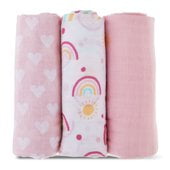
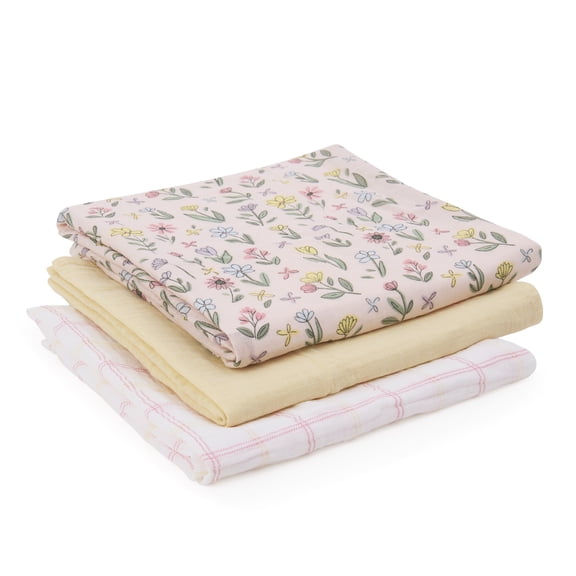
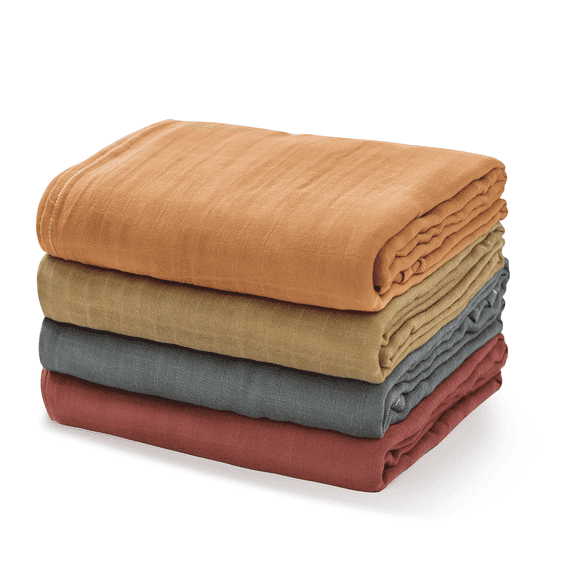
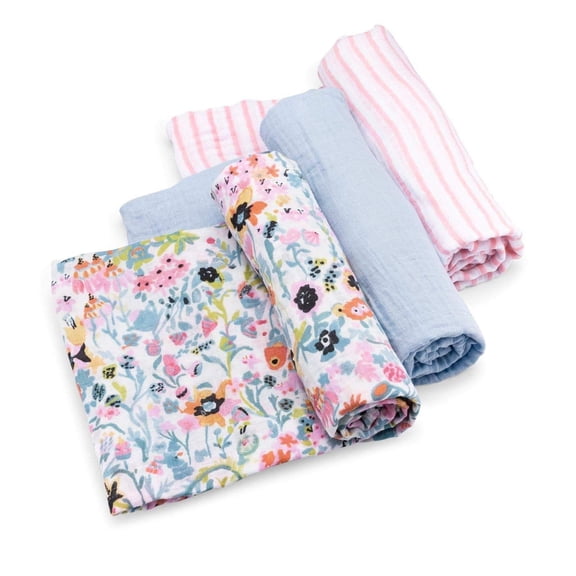
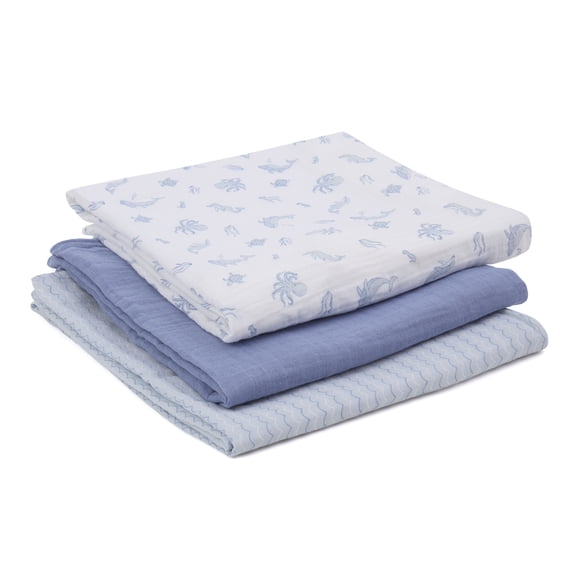
Cotton works well when you want an easy everyday option with familiar softness. Muslin swaddles feel lighter, and you may like their airy weave during warmer nights.
Fleece gives you a cozier feel, and you may reach for it in cooler rooms. Rayon from bamboo feels smooth, and you may consider it when you want a silky hand feel.
You should also think about how each fabric works with your room temperature. You can pair breathable materials with lighter TOG ratings for a more balanced sleep setup.
Choosing size and age range
You’ll get a more useful fit when you match the product to your baby’s age range. You may see sizes for newborn, zero to three months, three to six months, and six to 12 months.
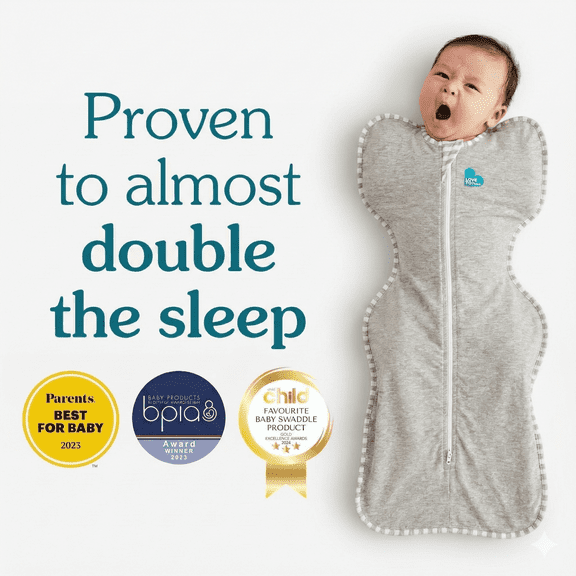
Newborn swaddles usually focus on a wrapped feel for very young sleep routines. As your baby grows, you may prefer an arms-out wearable blanket with extra leg room.
You should check the listed size guidance before you choose a style. You can reduce guesswork when you compare age range, length, and overall shape together.
If you’re planning a transition, you may keep both formats on hand. You can start with swaddling, then move into sleep sacks for infants as your routine changes.
Comparing closure types for simpler routines
You’ll find closure type matters when you want quicker bedtime steps. You can compare hook-and-loop tabs, zippers, snaps, and swaddle straps based on your routine.
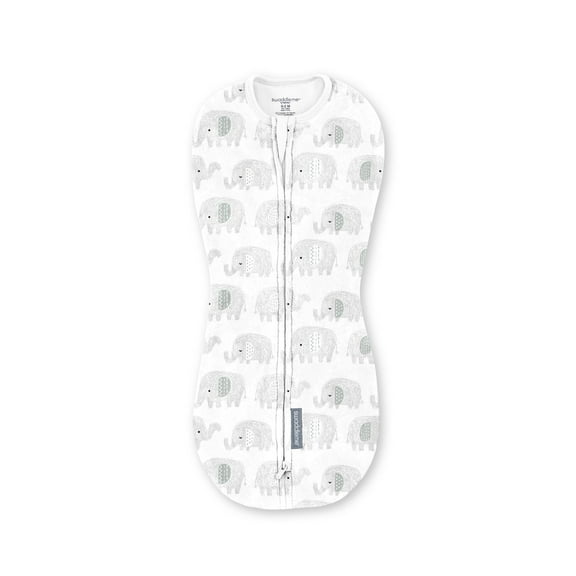
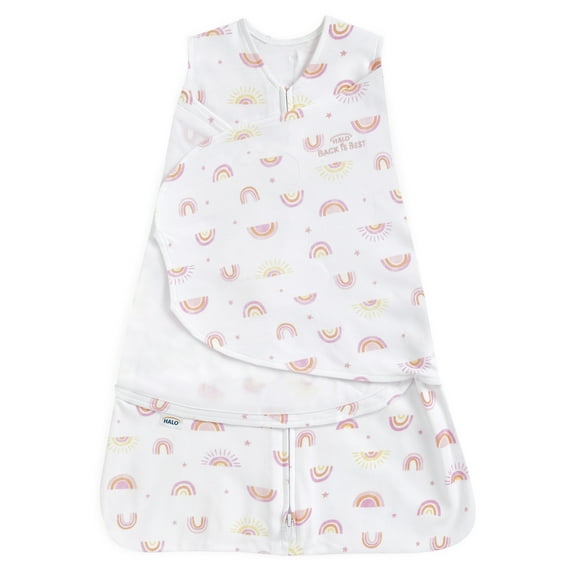
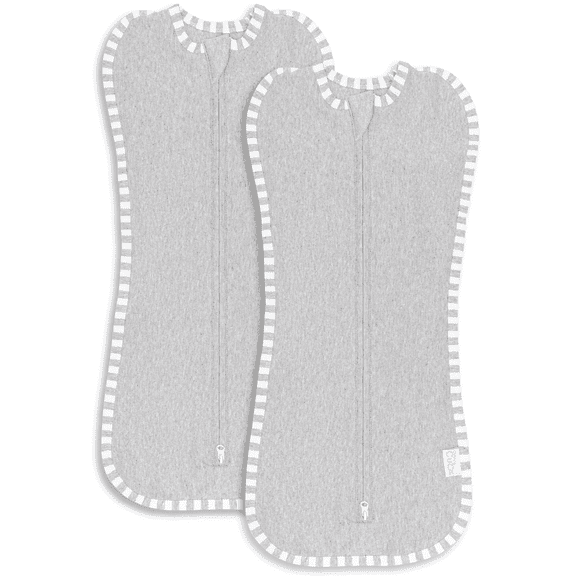
Hook-and-loop styles can feel fast when you want an adjustable wrap. Zipper wearable blanket options can make diaper changes simpler because you can open and close them quickly.
Snaps may work well if you want a more structured closure. Swaddle straps can help you create a secure wrap without learning a complex fold each night.
You should think about how your hands work in dim light and short sleep windows. You can often narrow your choice by asking which closure feels simpler at two in the morning.
Understanding TOG ratings for swaddles and wearable blankets
You’ll want to compare TOG rating before choosing warmth. TOG tells you how warm a wearable blanket feels, so you can match it to your room and season.
A 0.5 TOG option suits warmer conditions and summer use in many homes. A 1.0 TOG style works as a year-round choice when you want a balanced layer.
You may choose 2.5 TOG when you need a warmer sleep sack for cooler conditions. You can use this comparison to choose weight without adding loose layers.
You should use TOG alongside fabric and room comfort, not by itself. You can make a more informed choice when you compare all three details together.
Using sleep sacks for infants during transitions
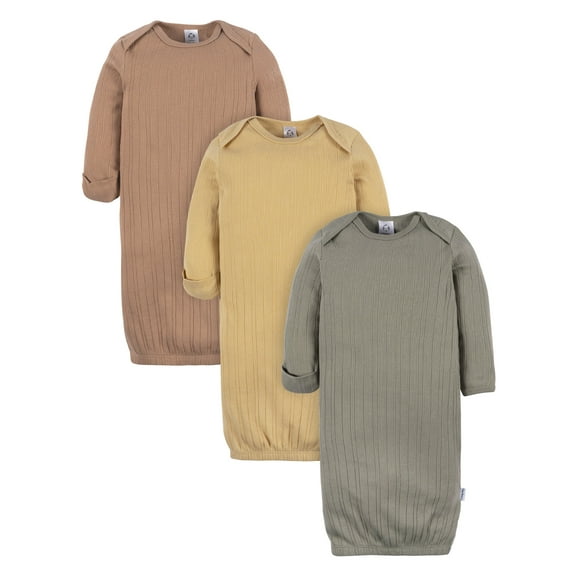
You may shop this category because you want a cleaner sleep setup than loose blankets. Wearable blankets for babies give you a designed sleep layer that stays in place during naps and bedtime.
Swaddling often fits the first stage, while transition styles support changing movement. You can move toward arms-out designs when your routine calls for more freedom.
You’ll also notice many parents keep a small rotation for laundry days and travel. That approach can help you keep the same bedtime feel across naps, overnight sleep, and trips.
If you’re setting up a registry, you can include different fabrics and TOG levels. You’ll be ready for warm weather, cooler nights, and shifts in your baby’s size and stage.
You can feel more confident when you compare fabric, size, closure, and TOG rating together. Swaddles and wearable blankets help you create a simpler, more consistent bedtime routine.