


Find tires that fit
Let’s search for tires that fit your vehicle.SunF Tires: ATV, UTV & Quad Off-Road Tires | Walmart




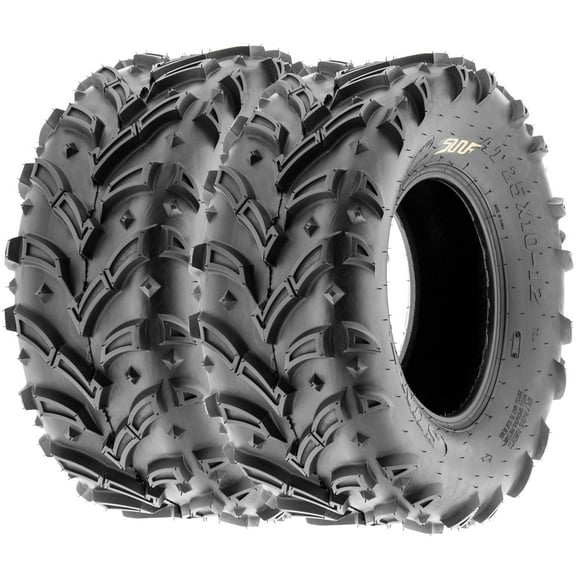
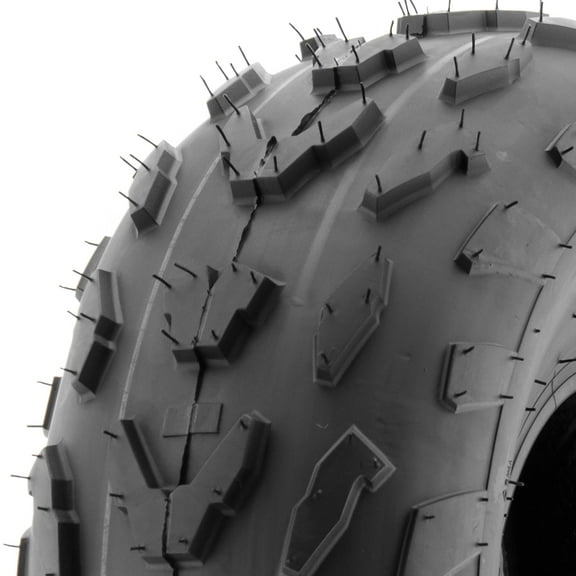

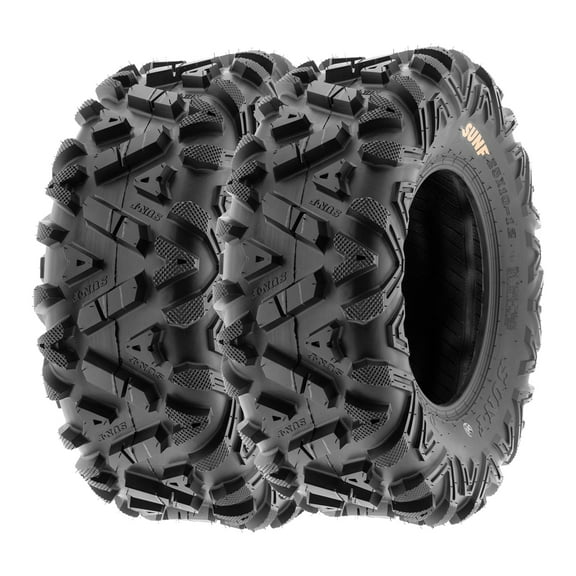
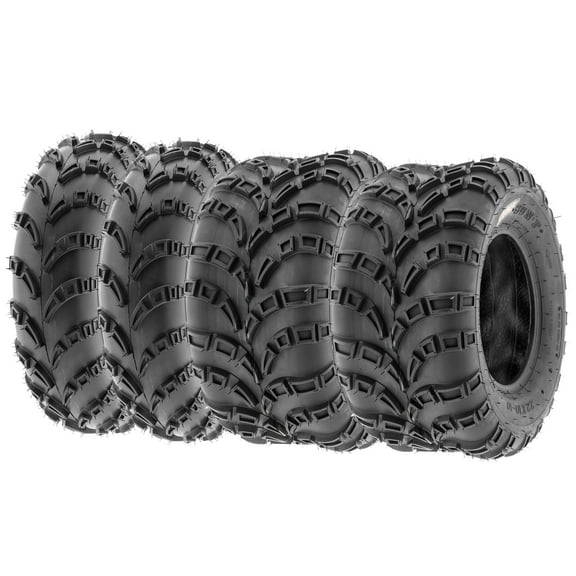








About SunF Tires: ATV, UTV & Quad Off-Road Tires | Walmart - Walmart.com
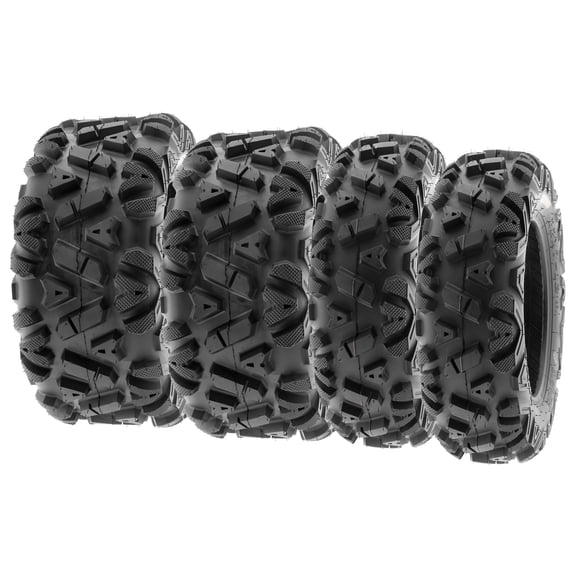
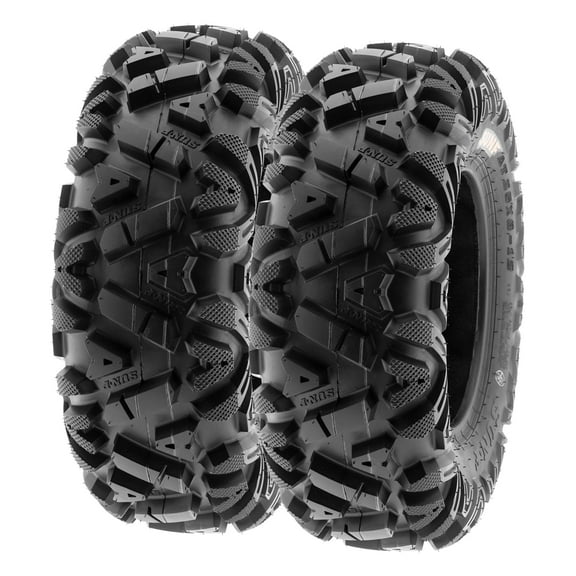
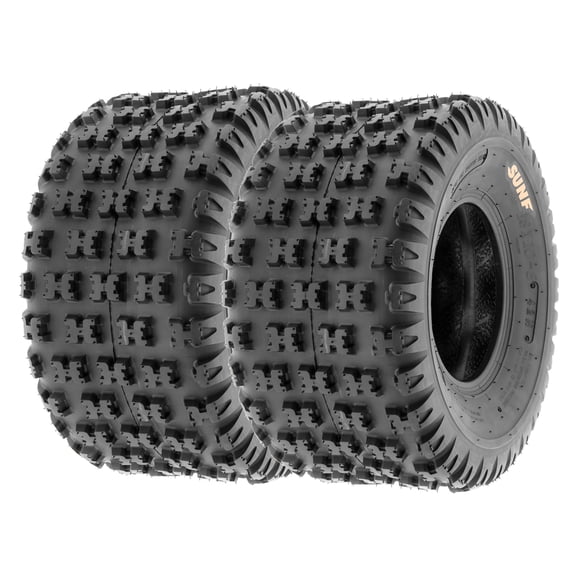
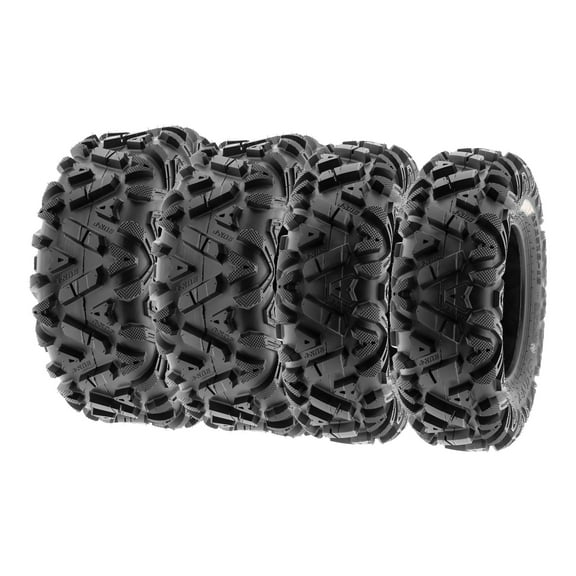
With sun f tires, you can match your ATV, UTV, quad, mini bike, or go-kart to the terrain you actually ride. You’ll find brand-specific options built around off-road use, with tread patterns and ply ratings that help you choose with more confidence.
When you’re comparing specialty tires, you usually need more than a basic size filter. You may want clear guidance on fitment, front and rear pairing, and tread styles that make sense for mud, sand, hardpack, or mixed trails.
How to choose sun f tires by vehicle type
You should start with your vehicle type because fitment needs change fast across ATV, UTV, quad, mini bike, and go-kart setups. You’ll usually notice different tire widths, diameters, and rim sizes depending on how and where you ride.
If you’re shopping sun f atv tires, you may compare front and rear sizes instead of buying four identical tires. You’ll often see narrower front tires for steering feel and wider rear tires for drive grip.
For a UTV or utility-focused setup, you may want to check load needs before you compare tread styles. You’ll also want to confirm tire dimensions and rim size so your fit stays consistent across work trails or property paths.
If you’re looking at sunf quad tires, you may focus on quick handling and controlled traction through loose corners. You’ll often benefit from checking whether the tread direction matches your front or rear mounting position.
When you shop sun f mini bike tires or go-kart tires, you’ll want compact sizing that fits smaller wheels correctly. You should measure sidewall markings and compare rim compatibility before you choose a tread shape.
What to look for in tread pattern and terrain use
You should compare tread pattern first if your terrain changes from ride to ride. You’ll usually get a very different feel from knobby, directional, and turf-style designs.
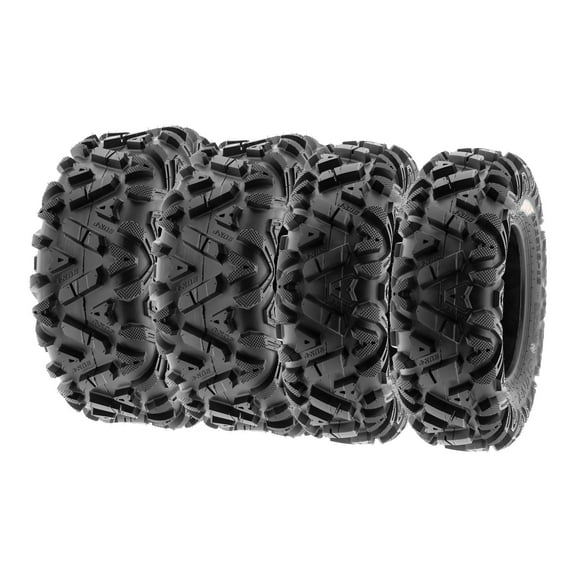
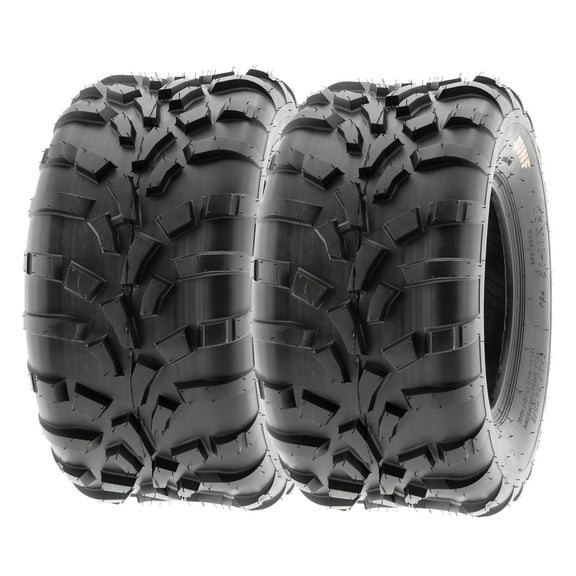
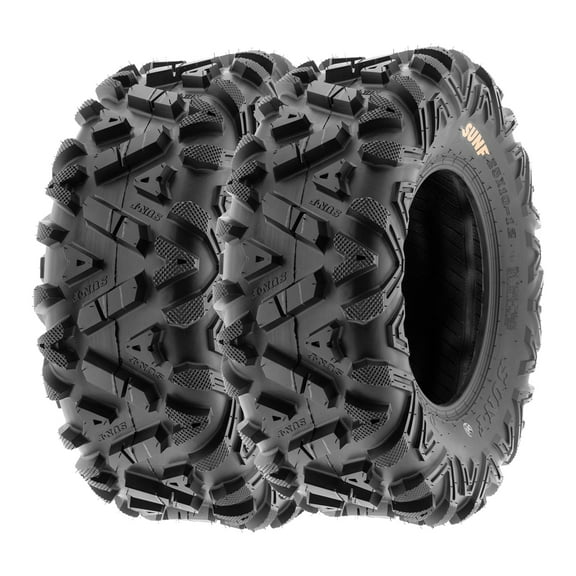
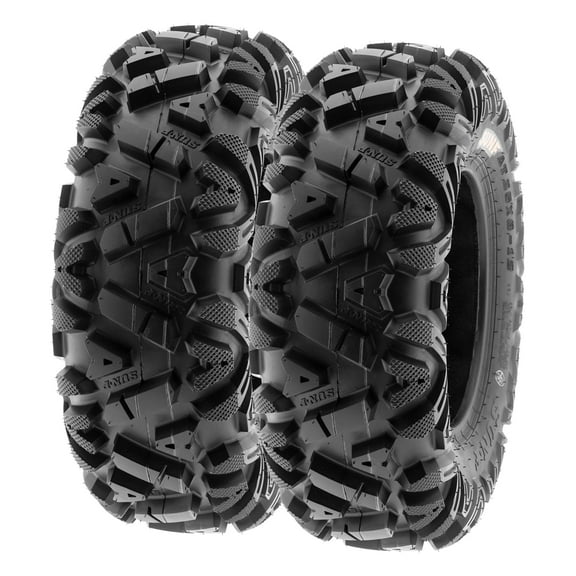
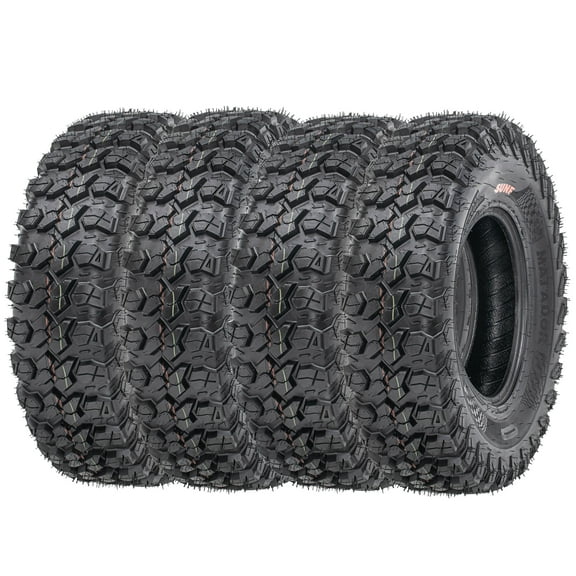
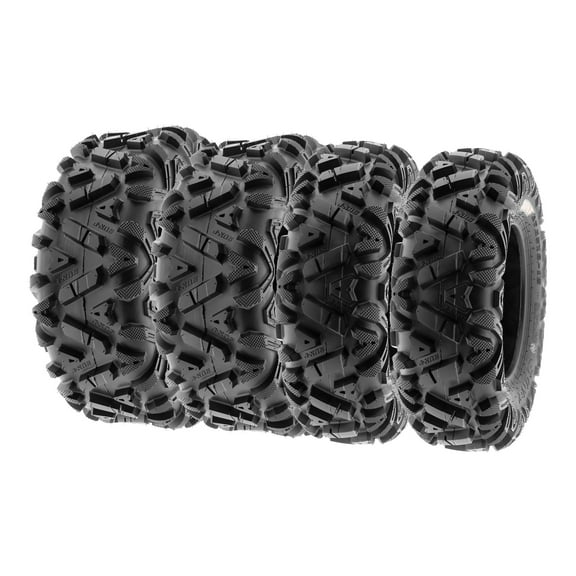
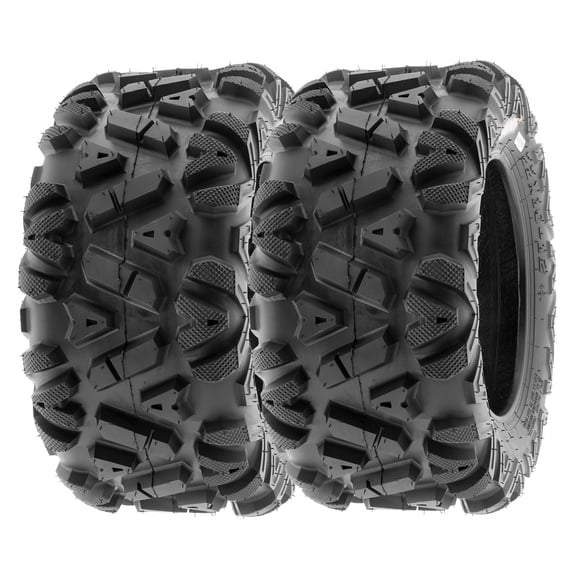
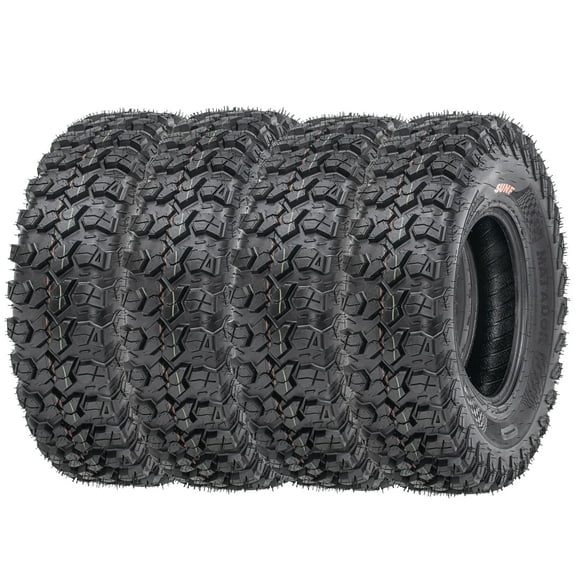
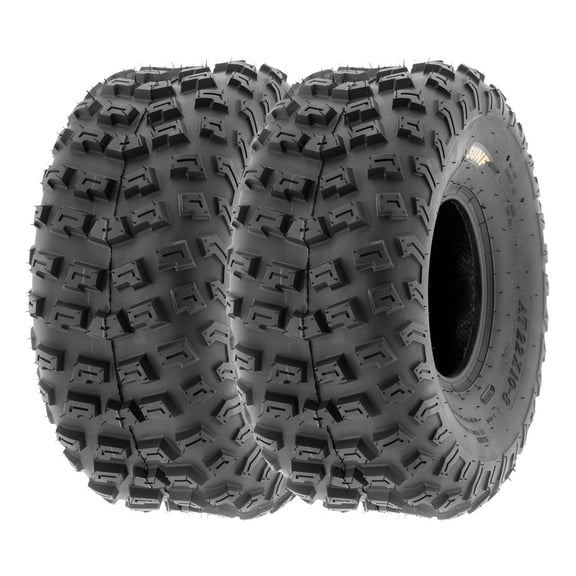
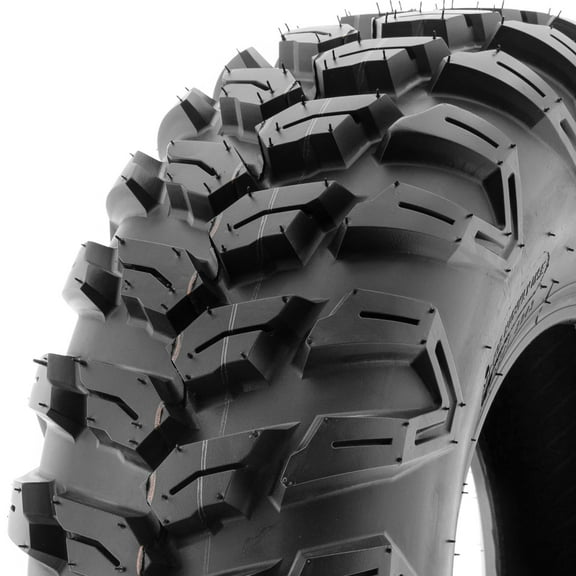
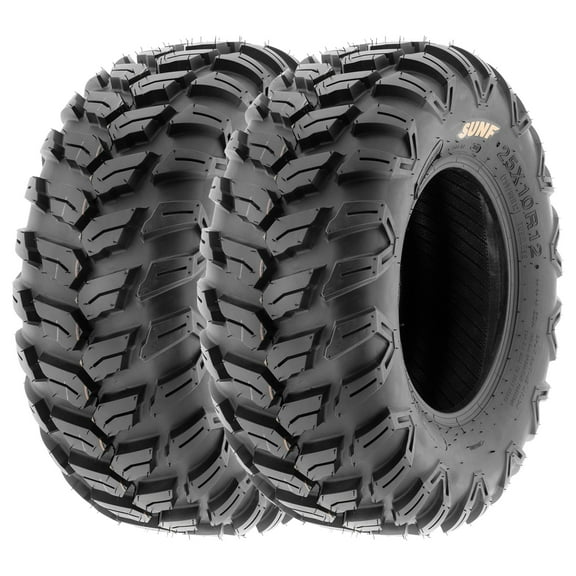
Knobby tread can help you dig into soft ground with more bite on trails, loose dirt, and uneven surfaces. You’ll often look for this style when your route includes ruts, rough paths, or mixed off-road terrain.
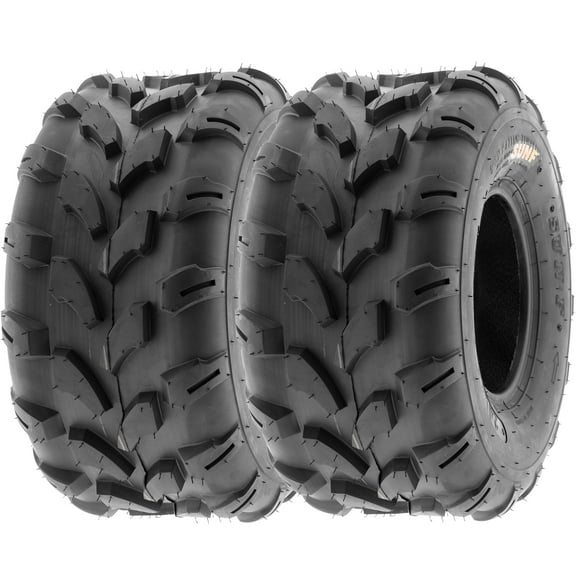
Directional tread matters when you want a pattern designed to roll one way for traction and control. You should check sidewall arrows so your front or rear tire setup works as intended.
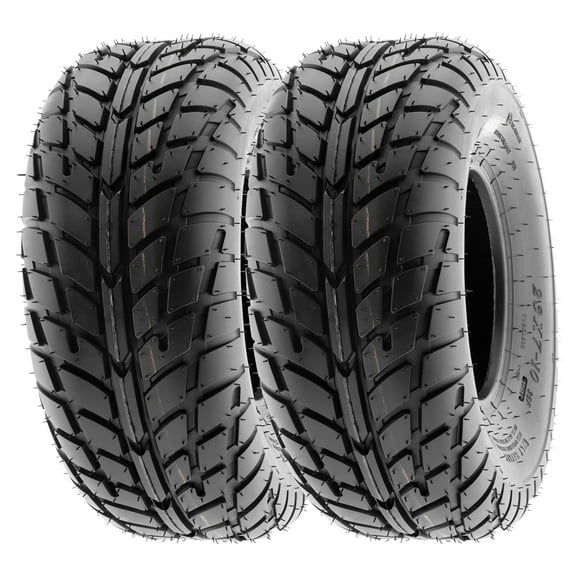
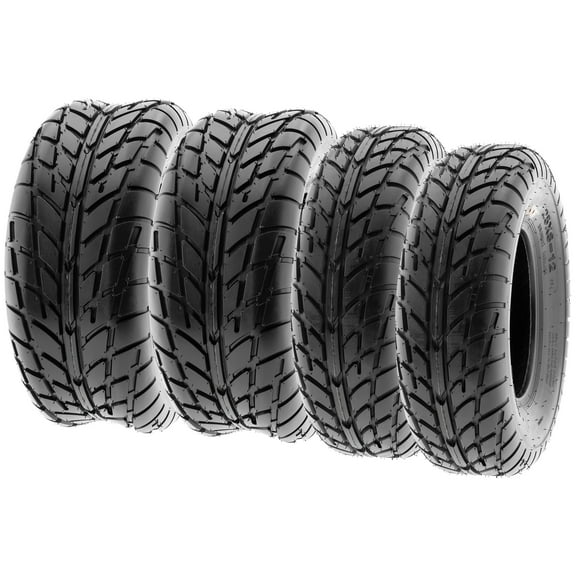
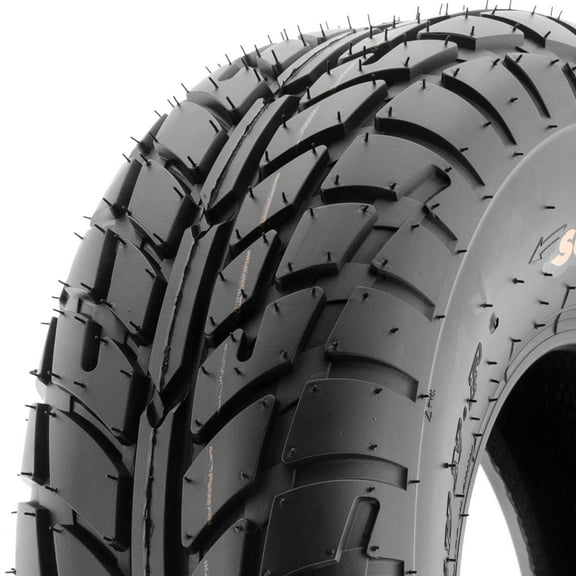
Turf tread makes more sense when you want smoother contact on maintained ground or utility surfaces. You’ll often choose this option when you want less aggressive edges than deep off-road lugs.
For mud riding, you may prefer deeper voids that help clear packed material as the tire rotates. For sand, you may want a shape that helps you maintain forward movement without an overly harsh ride feel.
On hardpack, you’ll usually look for a tread that feels planted without excessive lug movement. On all-terrain routes, you may want a balanced pattern that handles dirt, gravel, and occasional pavement transitions.
- You can match knobby tread to rough trails and loose dirt.
- You can use directional patterns when front and rear mounting orientation matters.
- You can choose turf styles for maintained ground and utility use.
- You can compare mud, sand, hardpack, and all-terrain needs before sizing up.
Choosing ply rating, sizing, and fitment details
You should treat ply rating as a key decision point because it shapes how the tire feels in demanding conditions. You’ll commonly compare 6-ply and 8-ply options when you want the right balance of ride feel and durability.
A 6-ply rating may suit riders who want capable off-road use with a more flexible feel. An 8-ply rating may appeal to you when you want added structure for rougher ground or heavier utility demands.
You’ll also want to compare tire dimensions closely because off-road fitment isn’t just about overall diameter. You should check width, wheel diameter, and the exact size printed on your current tire before replacing it.
If your machine uses different front and rear sizes, you should keep that staggered setup unless your vehicle guide says otherwise. You’ll usually get more predictable steering and traction when your sizing stays matched to the original design.
Rim size matters just as much as tread choice because the wrong diameter won’t mount correctly. You should also verify bolt pattern when you’re pairing tires with new wheels for a complete setup.
When you compare sunf tires, you may notice model families with specific tread codes and intended use. You’ll want to read those patterns as buying clues, especially when you’re narrowing by terrain and vehicle type.
Using sun-f tires for real riding situations
If you ride wooded trails on an ATV, you may want knobby tread with sizing that matches your front and rear positions. You’ll usually appreciate a setup that tracks through loose dirt and uneven turns.
When your quad sees mixed ground, you may want an all-terrain pattern and a ply rating that fits your riding pace. You’ll benefit from checking whether your route includes hardpack sections, softer dirt, or short paved connectors.
For utility work on a UTV, you may look for a tire that balances traction and structure across property paths. You’ll likely compare 6-ply and 8-ply options based on load needs, surface conditions, and wheel fitment.
If your mini bike runs on compact trails or backyard tracks, you should focus on exact tire dimensions first. You’ll want tread that matches your surface without guessing on wheel diameter or sidewall size markings.
For a go-kart build, you may compare directional or smoother tread depending on how and where you drive. You’ll also want to confirm whether your front and rear positions use the same width.
When you need sunf tires for several terrains, you should narrow your options by vehicle, then by tread, then by ply rating. You’ll make a cleaner choice when you measure first and compare terrain demands second.
You can shop this category with a clearer plan when you know your vehicle type, terrain, tread pattern, and ply rating. You’ll feel more confident choosing a setup that fits correctly and supports steadier off-road performance.