


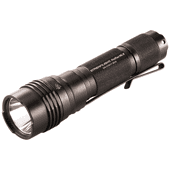
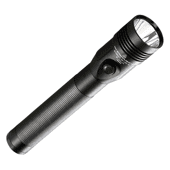
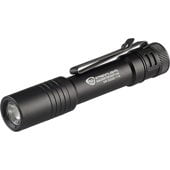
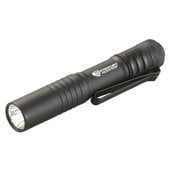
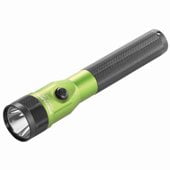
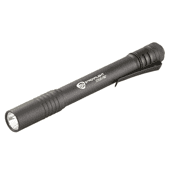
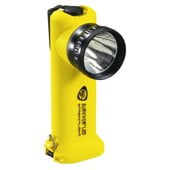
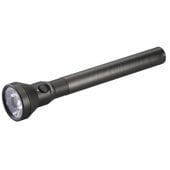
Streamlight Microstream USB Flashlights & Prices | Walmart
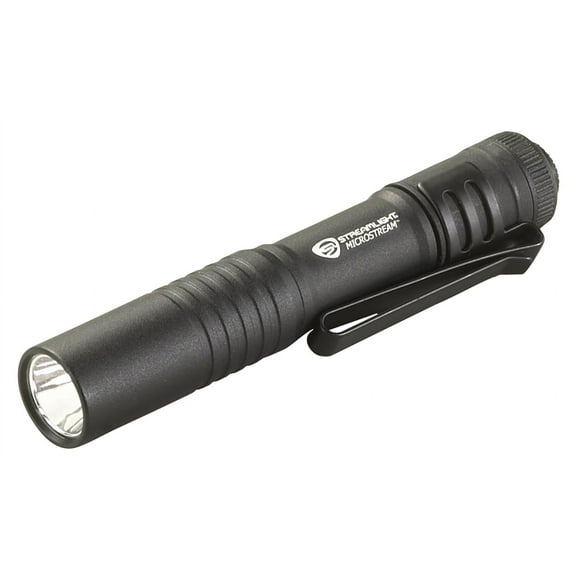
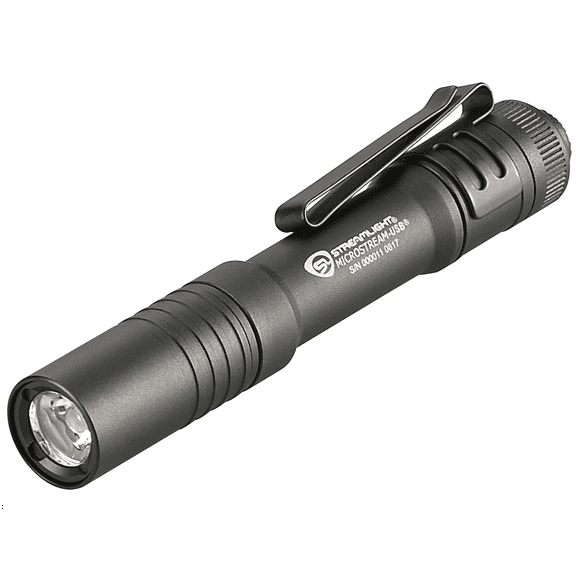


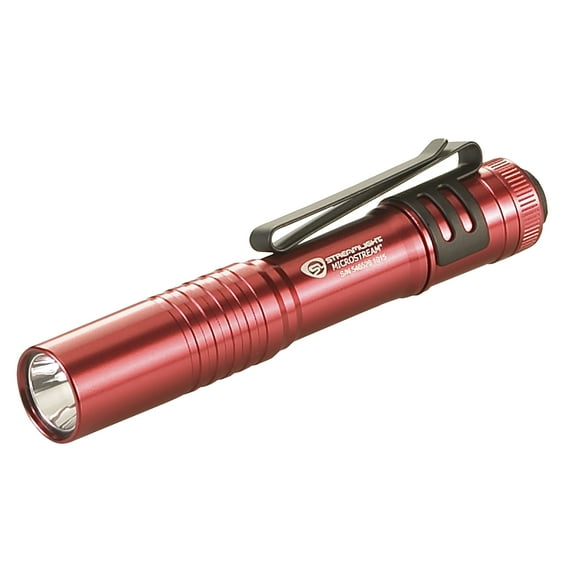




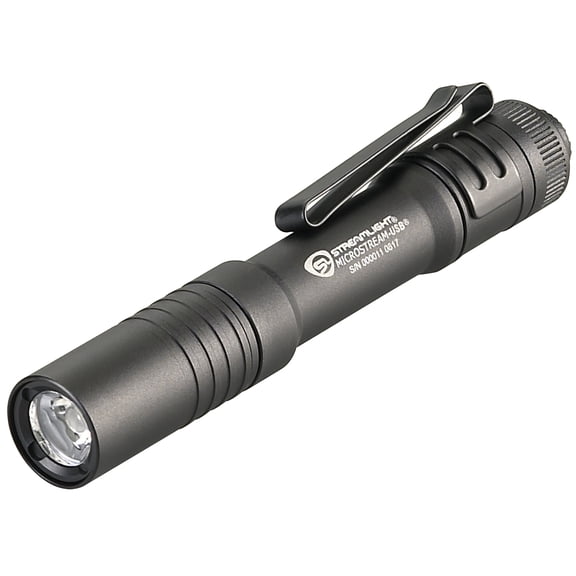

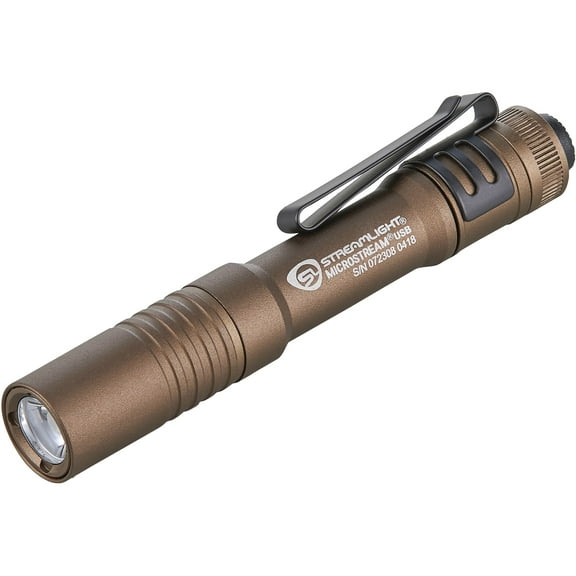
About Streamlight Microstream USB Flashlights & Prices | Walmart - Walmart.com
You’re comparing streamlight microstream usb price 2026 options because you want compact carry, clear specs, and simple charging details. You can use this guide to compare power source, lumen output, pocket size, and anodized aluminum durability before you choose.
You may want a light that clips into a pocket, fits a small pouch, or stays ready for everyday carry. You’ll also want product details that explain USB rechargeability, beam distance, and run time in plain language.
How to compare streamlight microstream usb price and charging options
You should start with the power source because it affects how you charge, store, and use your light. You can compare USB rechargeable models, AAA battery options, and lithium ion formats by convenience and routine.
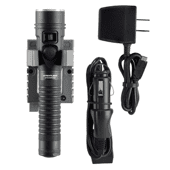
If you choose USB rechargeable, you’ll get simple cable charging and fewer loose batteries in your bag. If you choose AAA battery power, you can swap cells quickly when you’re away from a charger.
You’ll notice lithium ion options often support repeat charging and consistent carry use over time. You should check whether your preferred setup matches your desk, glove box, travel kit, or daily pocket routine.
- You can recharge many compact lights through USB for easy day-to-day carry.
- You can choose replaceable batteries if you prefer quick swaps during long outings.
- You can compare run time in hours to balance brightness and battery efficiency.
- You can check charging style before you match a light to your routine.
Choosing the right lumen output for a streamlight microstream rechargeable flashlight
You should compare lumen output by how you’ll use the light frequently. You can think of 50 lumens for close tasks, 100 lumens for general utility, and 250 lumens for stronger visibility.
If you use a light for quick checks inside a bag or drawer, you may prefer lower output. If you need a brighter beam outdoors, you’ll likely look for 250 lumens and longer beam throw.
You should also compare run time in hours because more brightness can mean shorter use between charges. You can use that balance to decide whether you want longer steady output or a brighter burst.
When you review product details, you should look for beam distance in meters alongside lumen numbers. You’ll get a clear picture of how far the beam reaches, not just how bright it starts.
What to look for in a small streamlight form factor
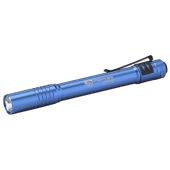
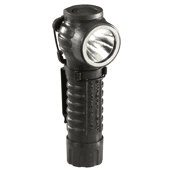
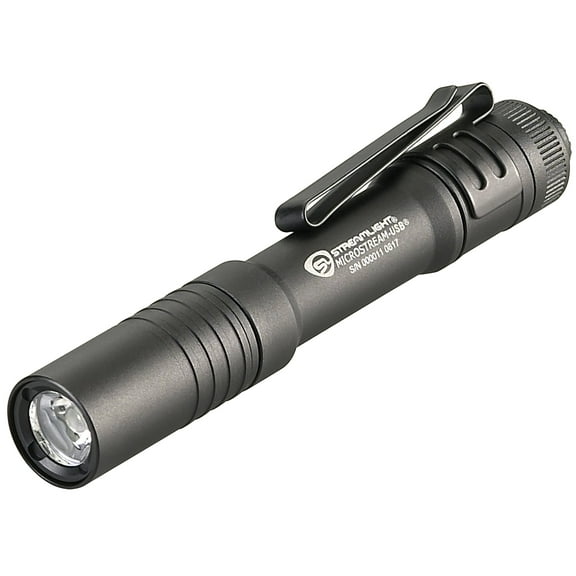
You may be shopping for a small streamlight because pocket carry matters as much as output. You can compare pocket size, keychain, and penlight shapes by how they ride in your hand and gear.
If you carry a light every day, you’ll want a body that stays slim and easy to clip. If you keep one in a work shirt or organizer, you may prefer a penlight profile.
You should check overall length and body shape before you decide on a streamlight flashlight small enough for daily use. You can avoid bulk while still getting a grip that feels secure during quick tasks.
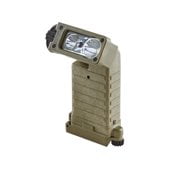
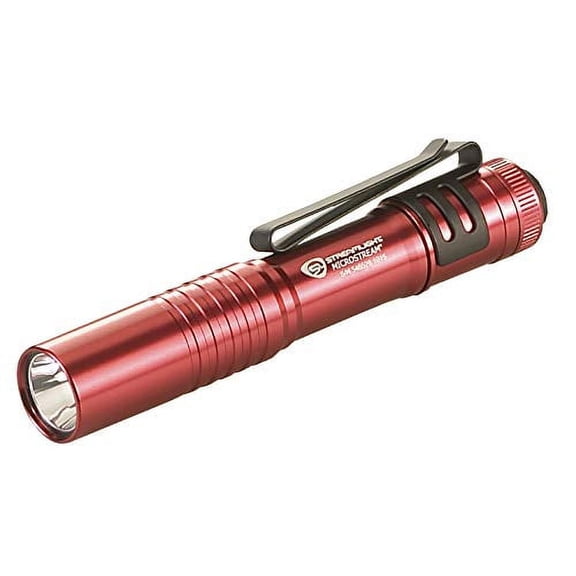
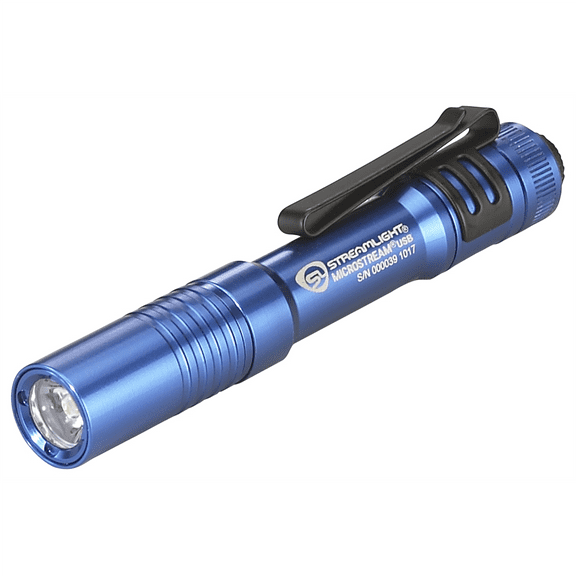
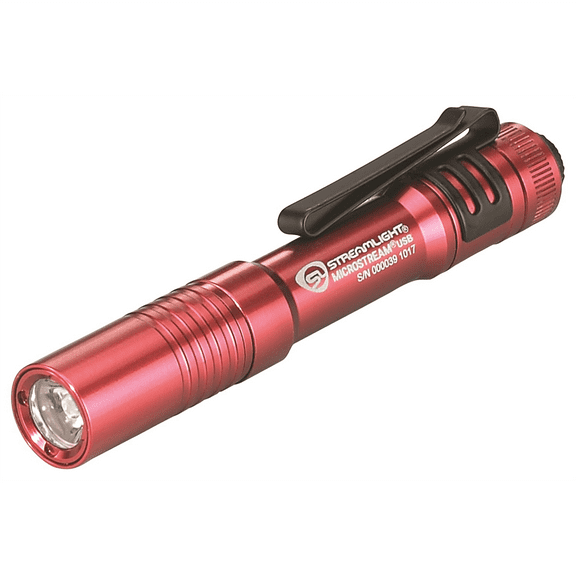
You’ll also want to compare finish colors like black, coyote, red, or blue if visibility matters in your kit. You can use color to identify your light quickly in a drawer, pouch, or pack.
Checking anodized aluminum, IPX4, and impact resistance
You should review casing details carefully because durability is a key buying decision in this category. You can compare anodized aluminum bodies, IPX4 water resistance, and impact resistant construction by intended use.
If you choose anodized aluminum, you’ll usually get a sturdy body with a clean, practical finish. If you need a light for active carry, you should look for impact resistant construction in the specs.
You may also want to check whether an IPX4 rating appears in the product details. You’ll know that rating points to splash-resistant performance for everyday outdoor and work use.
When you compare these specs together, you can narrow your options with confidence. You’ll be choosing based on carry conditions, not just appearance or output numbers.
Matching features to everyday carry and task use
You can use these decision points to match the light to real situations you handle each week. If you need desk-to-car convenience, you may prefer USB rechargeable charging and pocket size carry.
If you use a light for gear checks, campsite tasks, or evening walks, you may lean toward 250 lumens. You should pair that output with run time and beam distance so your choice fits the job.
If you keep backup gear in a vehicle or drawer, you may prefer AAA battery compatibility for quick replacement. You can also compare keychain and penlight styles when space matters over beam power.
You might want anodized aluminum and IPX4 details if your light travels between indoors and outdoors often. You’ll get a clear comparison when you check durability, charging, and lumen output together.
Using product details to compare the category clearly
You should read product details with a simple checklist before you decide which model fits your routine. You can compare lumens, beam distance in meters, run time in hours, battery type, and body material side by side.
If you focus on those specs first, you’ll avoid guessing from size alone. You’ll also get a clear view of which lights fit everyday carry, backup storage, or quick utility tasks.
You can shop this category with confidence when the details match how you actually carry and use a flashlight. You’ll end up with a compact light that fits your pocket, your charging habits, and your daily tasks.