



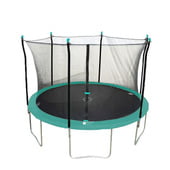

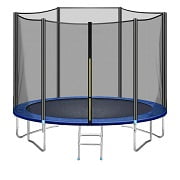
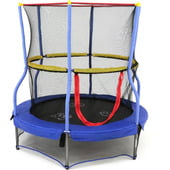
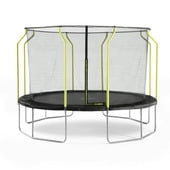

Square Trampolines in Trampolines


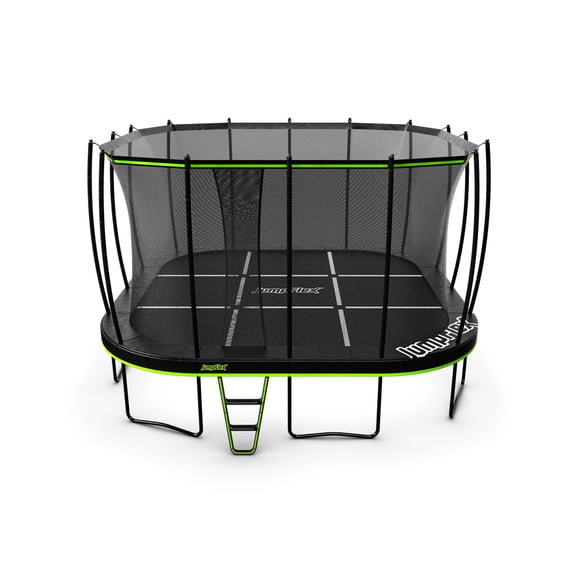
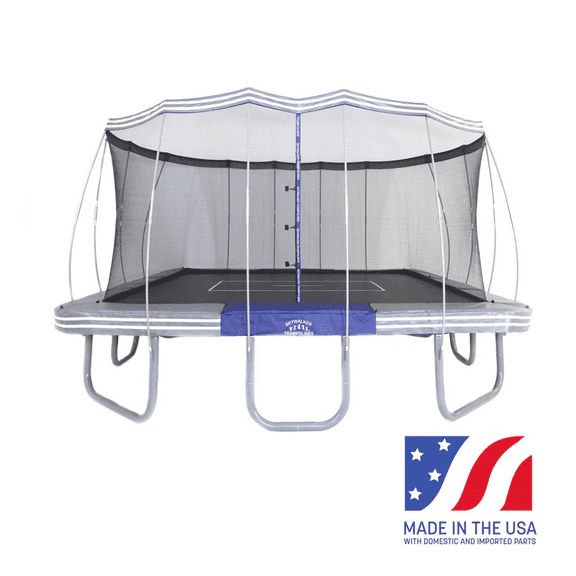


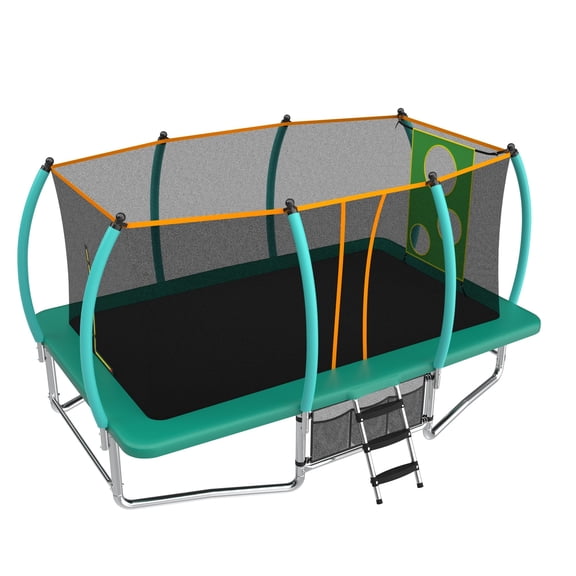
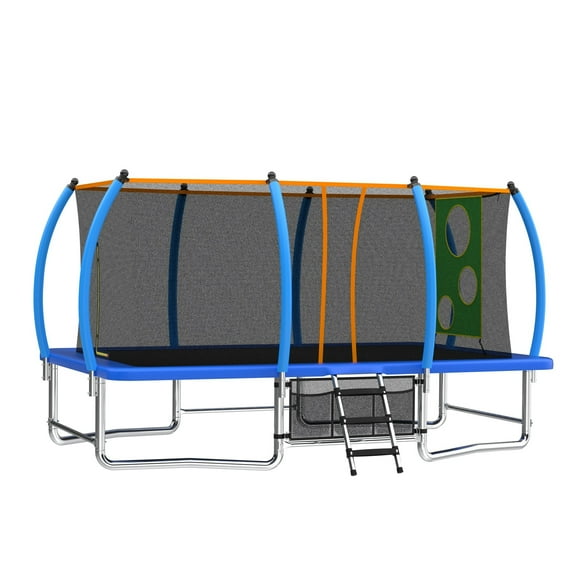
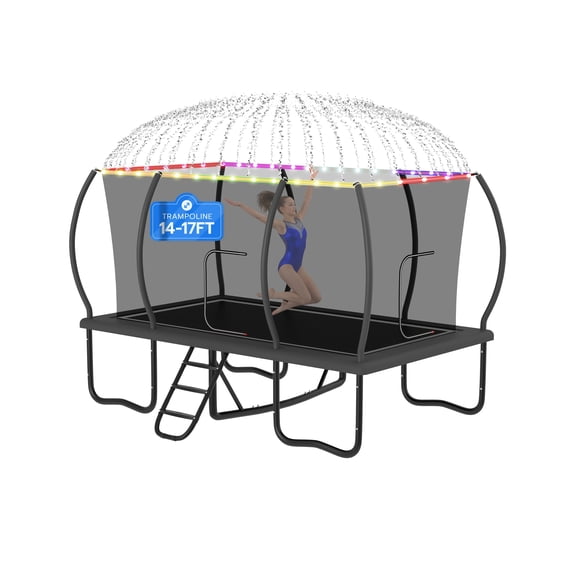


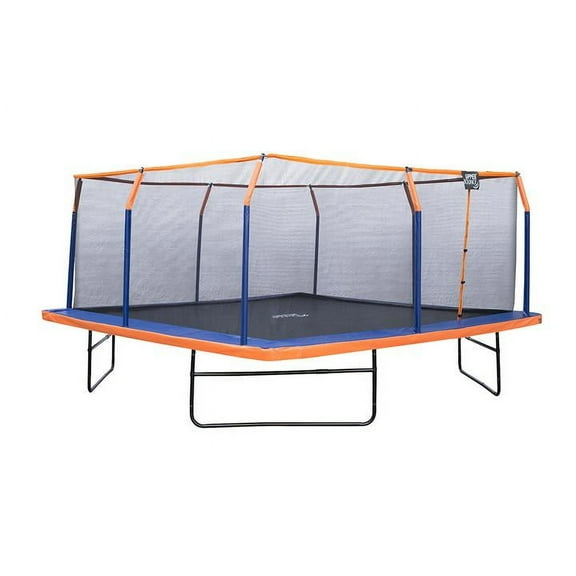


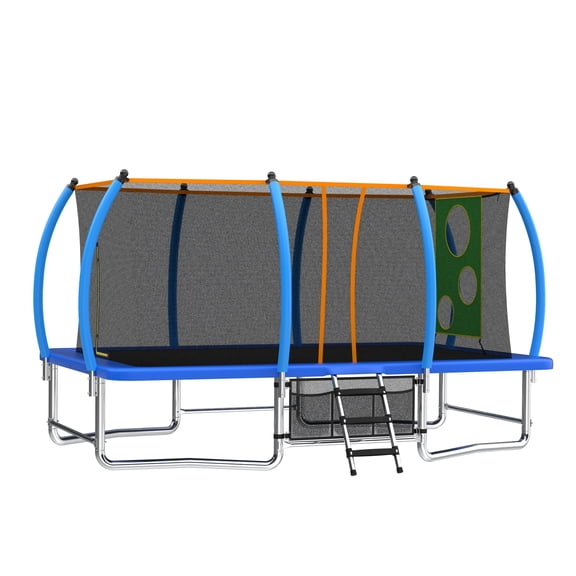


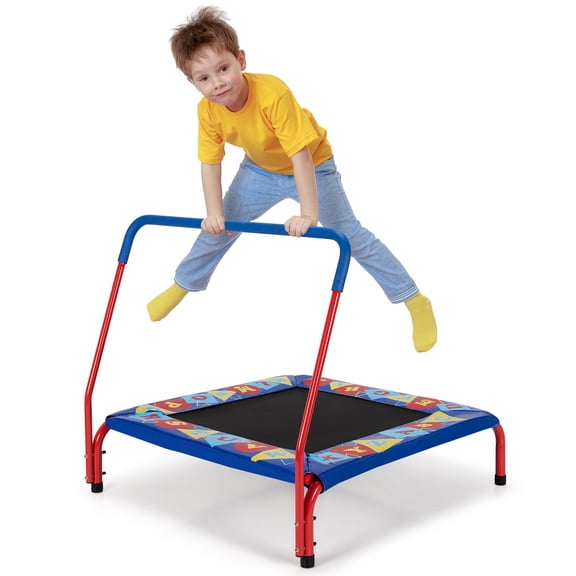






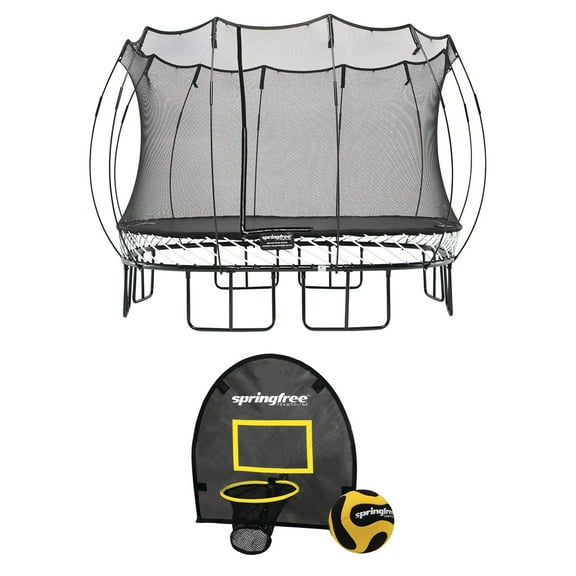





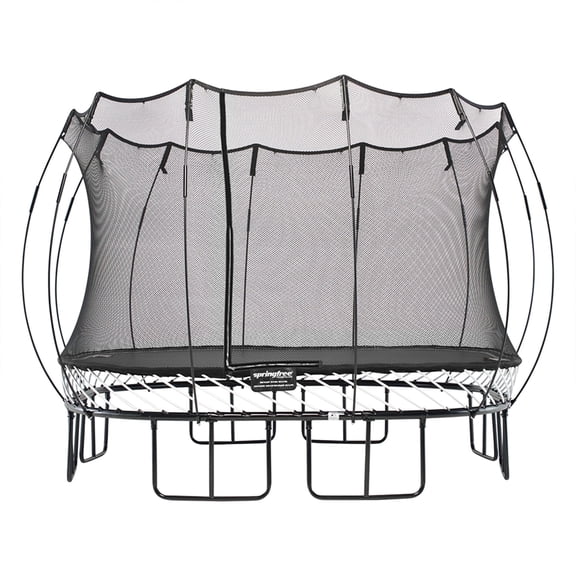


About Square Trampolines in Trampolines - Walmart.com
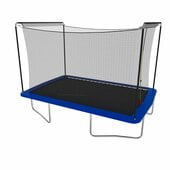
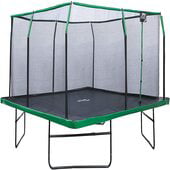
Square trampolines help you create a roomy jumping area with corner-to-corner use and a more even bounce across the mat. You can compare sizes, weight limits, enclosure details, and frame materials to match your backyard setup.
If you want a shape that fits many yards neatly, you may prefer square corners over a round footprint. You’ll also notice square frames often support a controlled rebound across more of the jumping surface.
How to choose square trampolines for your yard
Start by measuring your open space before you compare frame dimensions. You’ll want clearance around the trampoline, so your setup feels comfortable in the yard.
A 12ft model can suit tighter layouts where you still want a defined jump zone. A 14ft or 15ft option can give you more mat area when your yard allows extra clearance.
Square trampolines can help you use corners and edges more efficiently than round shapes. You may find that layout especially useful when you’re planning around fences, patios, or play sets.
Choosing the right size and weight capacity
Size affects how much jumping room you get and how the frame fits your space. You should compare the stated frame dimensions with your planned clearance area, not just the listed size.
Weight capacity gives you a fast way to narrow options by intended use. You can look at 250 lbs, 400 lbs, and 500 lbs ranges to match your household needs.
If you want a more supportive setup, you may compare a heavy duty square trampoline with higher listed capacity. You’ll often see stronger frame tubing and a steadier feel in those heavier-capacity designs.
- You can choose 12ft for smaller yards and focused jumping space.
- You can choose 14ft for a balanced mix of footprint and room.
- You can choose 15ft when your yard supports a larger play area.
- You can compare 250 lbs, 400 lbs, and 500 lbs capacities by intended use.
- You can check frame dimensions and clearance area before installation.
What to look for in a square trampoline with enclosure
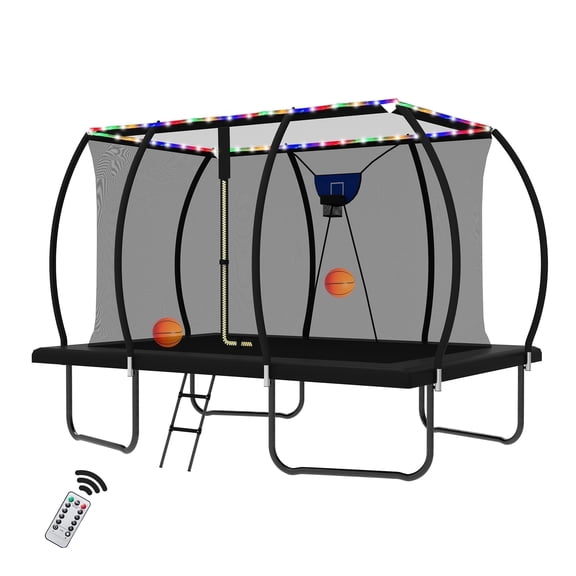
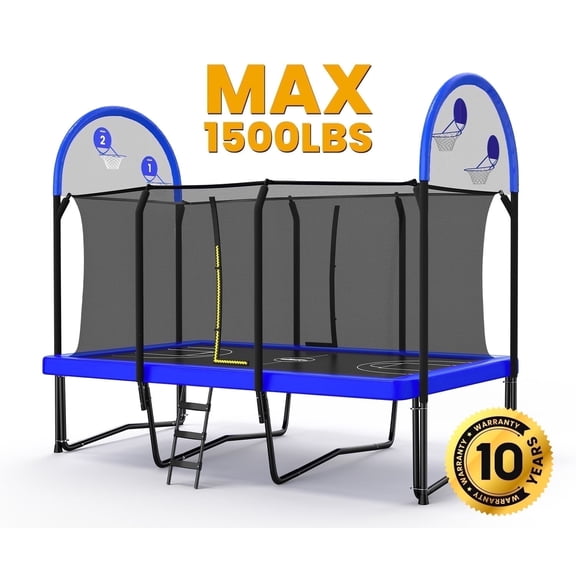
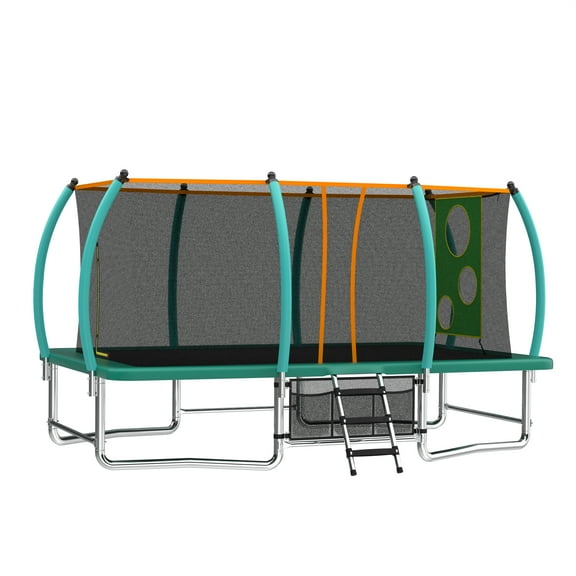
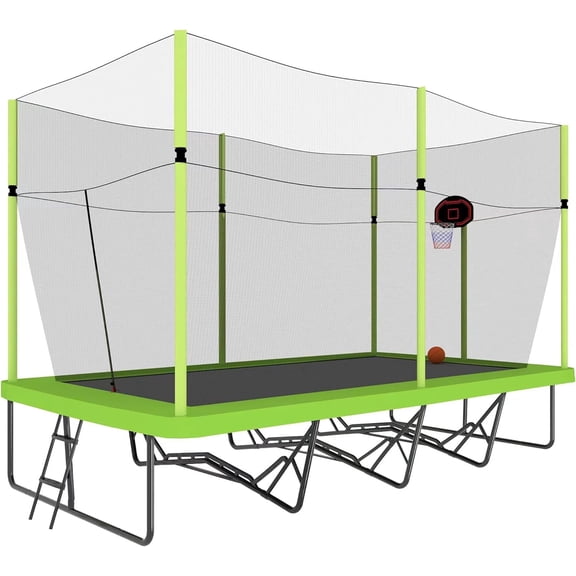
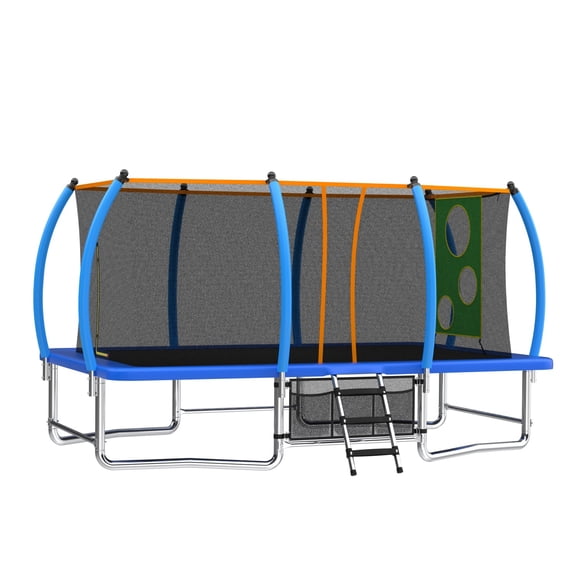
A square trampoline with enclosure can help you compare safety details in a simple way. You should look for an enclosure net, a padded spring cover, and a safety mat around the jumping area.
Net design matters when you want easy entry and a secure close. You can compare zipper closures and buckle styles to see which setup feels easier to use.
You may also want UV-resistant netting for an outdoor square trampoline that stays outside through changing weather. You’ll appreciate that detail when you want materials designed for regular sun exposure.
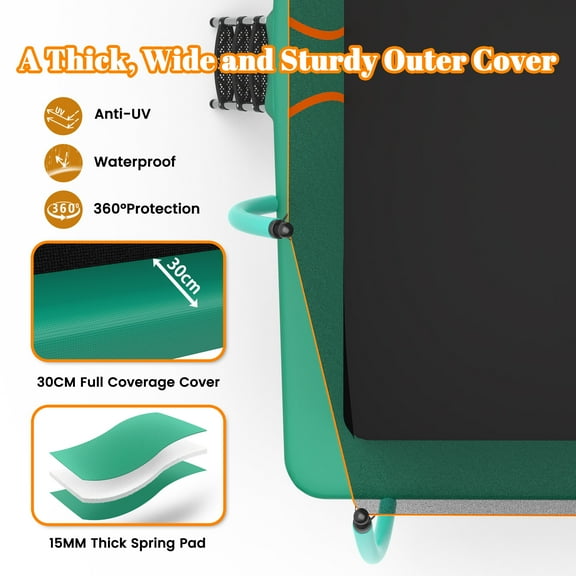
Padding details also shape your day-to-day experience. You should check whether the spring cover sits evenly and whether the safety mat gives you consistent edge coverage.
Comparing frame materials and bounce performance
Frame material affects long-term outdoor use and overall stability. You can look for galvanized steel or a rust-resistant frame when you want dependable backyard placement.
Galvanized steel matters because you’re placing the frame outdoors for extended periods. You’ll usually want that finish when you expect moisture, lawn watering, or seasonal weather changes.
Bounce performance depends on shape, spring layout, and overall construction. You may notice square trampolines provide a more consistent rebound across the jumping surface than round models.
That shape difference matters when you want usable space beyond the center of the mat. You can often move across more of the surface and still feel a steady response.
Spring count can also guide your decision when you compare models. You should read specs closely, because more springs often support a firmer, more controlled feel.
Matching square trampolines to real backyard use
If you’re planning a family play area, you may want a 14ft frame with an enclosure net and padded spring cover. You’ll get a balanced combination of jumping room, edge coverage, and yard fit.
For a smaller yard, you can consider a 12ft option with a rust-resistant frame and safety mat. You’ll keep a defined footprint while still getting the square shape’s useful corner space.
If you’re comparing larger setups, you may want a 15ft outdoor square trampoline with a higher capacity rating. You can pair that size with galvanized steel and full enclosure coverage for a more robust build.
When durability leads your checklist, you might focus on a heavy duty square trampoline with reinforced frame details. You should also compare the net closure style, mat coverage, and listed weight limit together.
If you’re replacing an older model, you can use these dimensions as a clean decision guide. You’ll want to recheck your available clearance area, since actual frame dimensions can differ by brand.
When you compare the full setup instead of one spec, you can choose with more confidence. You’ll end up with a trampoline that fits your yard, supports your intended use, and delivers a steadier bounce.
Square trampolines make sense when you want efficient yard placement, broad jumping space, and clear safety features in one category. You can narrow your options faster by comparing size, capacity, enclosure design, and frame material together.