














Shop Sippy Cups for Infants and Toddlers Online











































About Shop Sippy Cups for Infants and Toddlers Online - Walmart.com
Sippy cups help you support smoother drink transitions during meals, snacks, and travel. You can compare spout styles, materials, and spill protection features that fit your child’s stage.
Choosing the right sippy cups for each age stage
When you compare baby sippy cups, you should start with your child’s age and drinking habits. You’ll usually want simpler handles and softer drinking surfaces for earlier stages.
For four months+ and six months+, you may consider transition cups with soft spouts or gentle straw designs. You can encourage small sips while keeping the cup easy to hold.
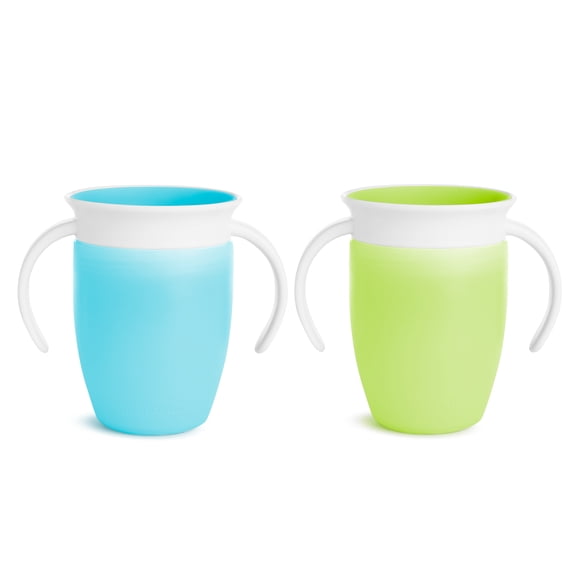
At 12 months+ and 18 months+, you may look for toddler sippy cups with straw lids or 360 rims. You can match the cup to stronger sipping skills and more active routines.
If you’re choosing between stages, you should check the flow style and handle shape first. You’ll notice that age guidance helps narrow options faster than color alone.
Comparing spout types and spill proof sippy cups
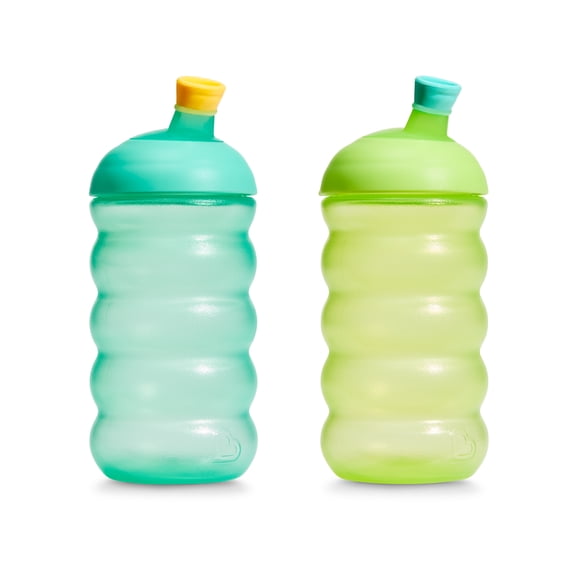
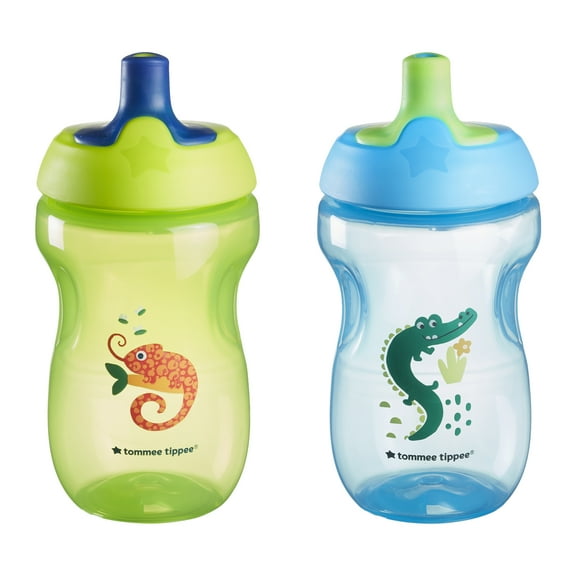
You can use spout type as your first big decision point. You’ll find soft spout, hard spout, straw, and 360 rim options designed for different drinking patterns.
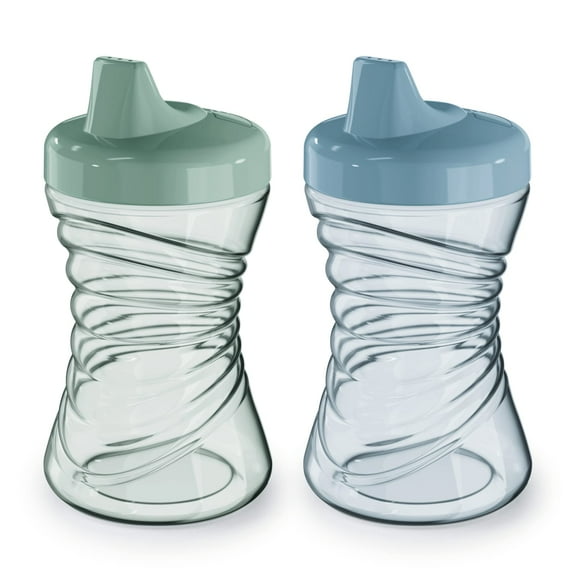
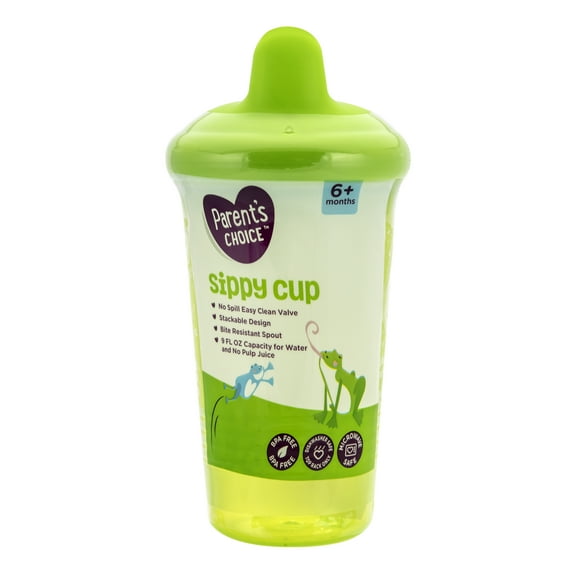
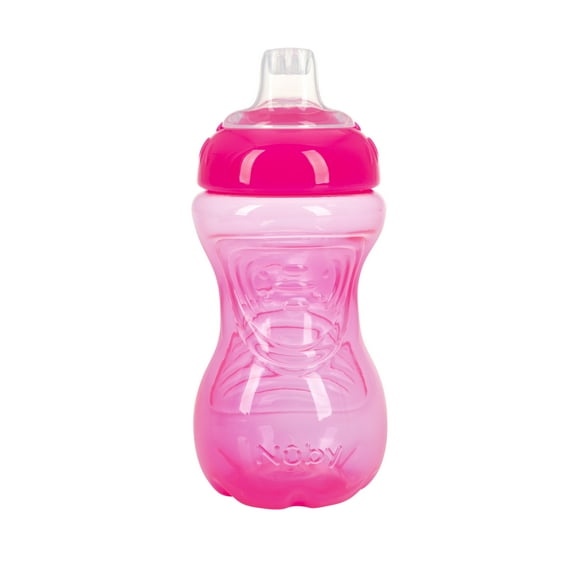
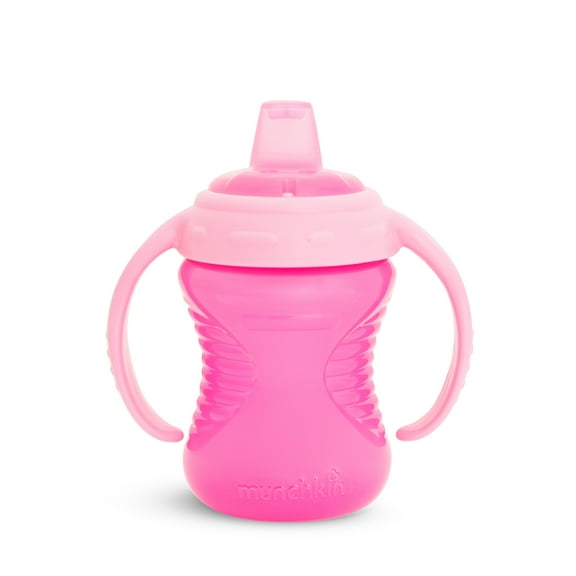
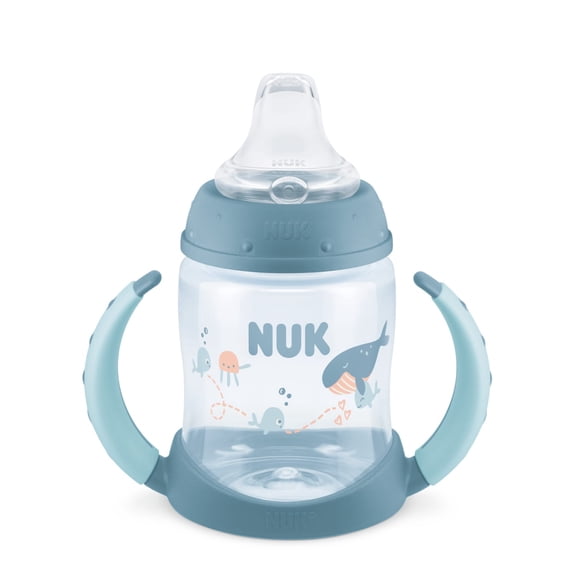
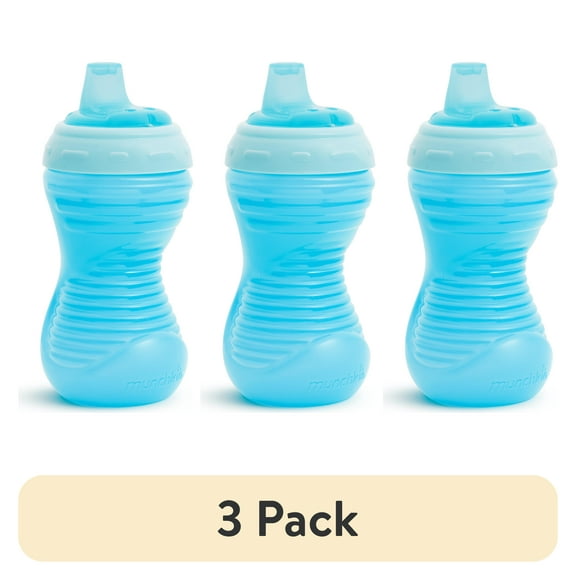
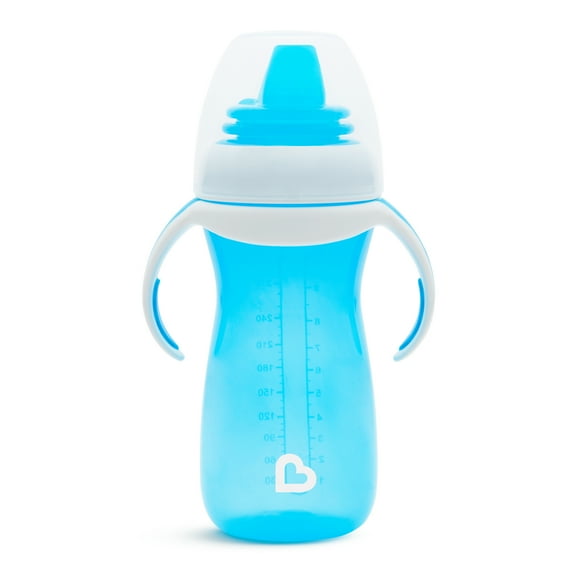
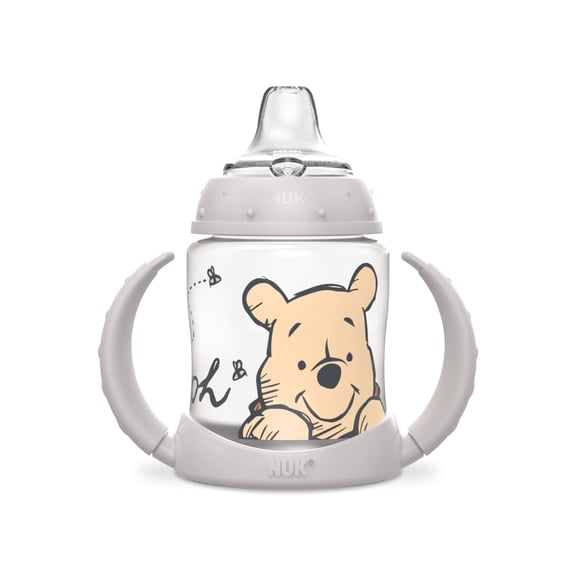
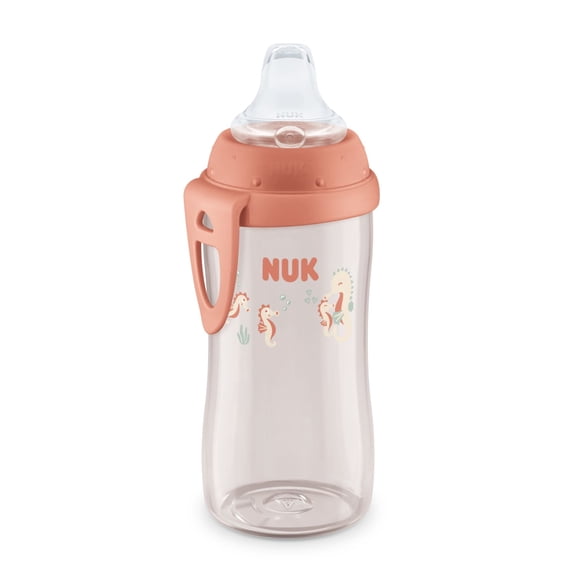
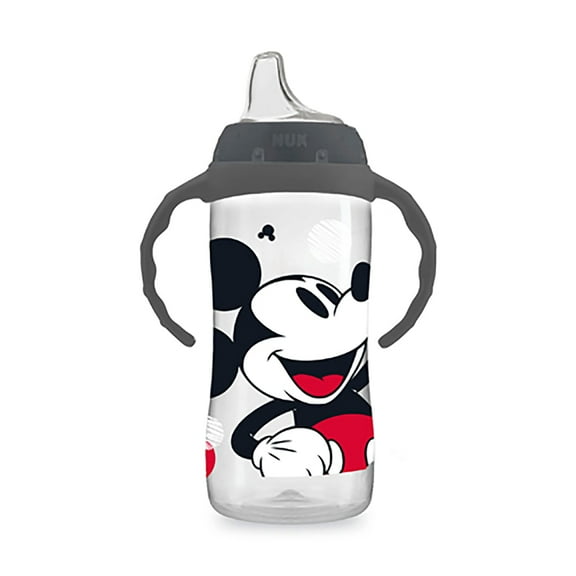
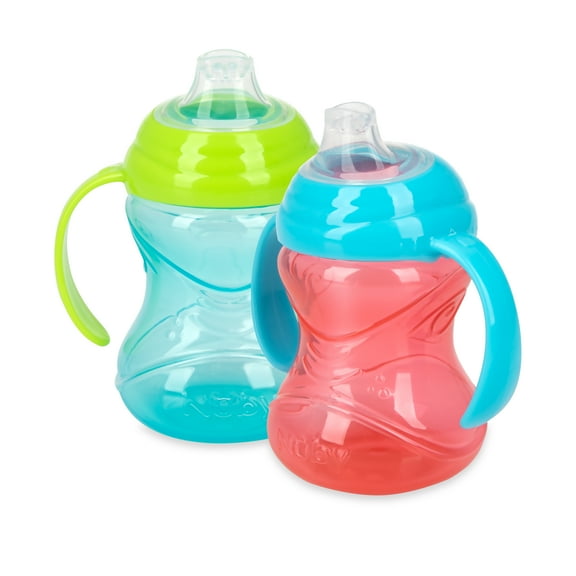
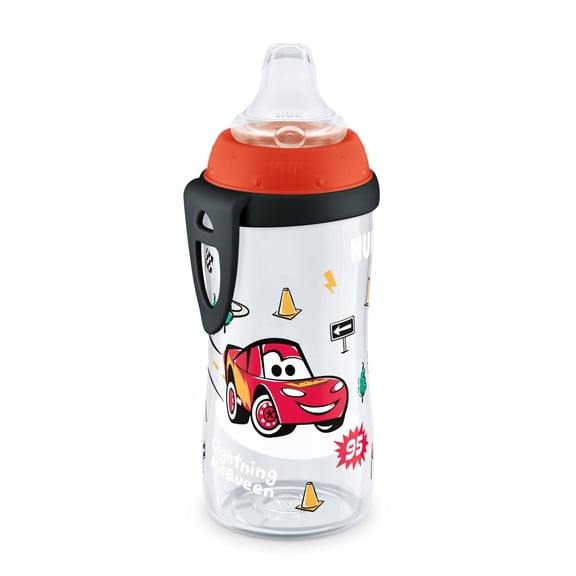
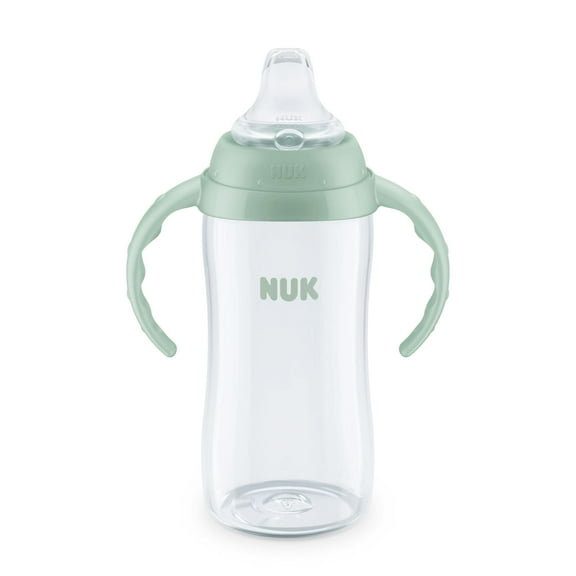
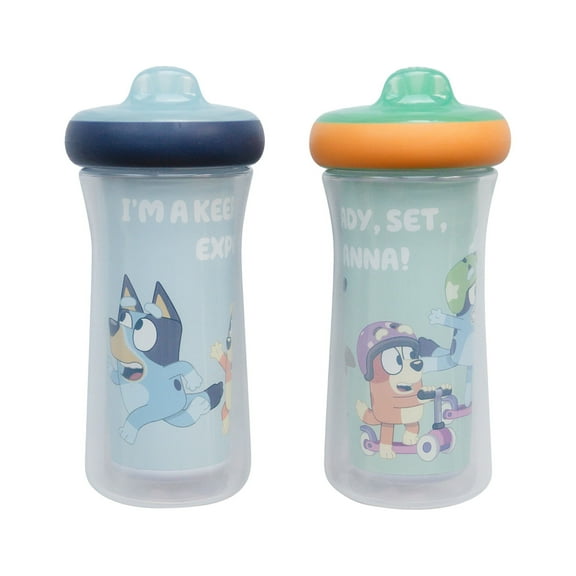
Soft spouts can feel familiar when you’re moving from bottles to transition cups. Hard spouts may suit older toddlers when you want a firmer drinking surface.
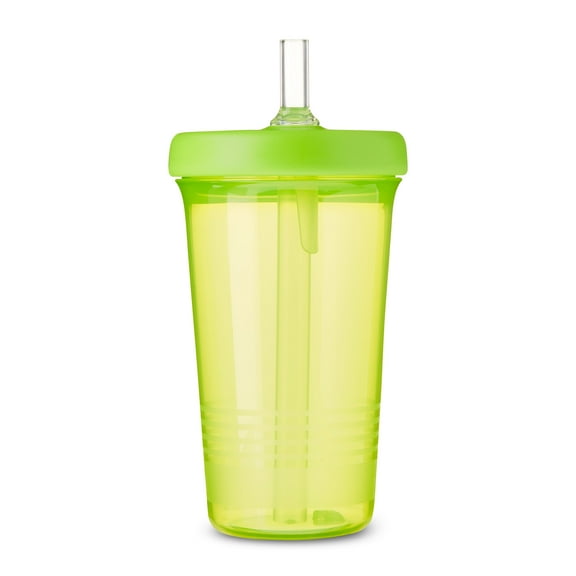
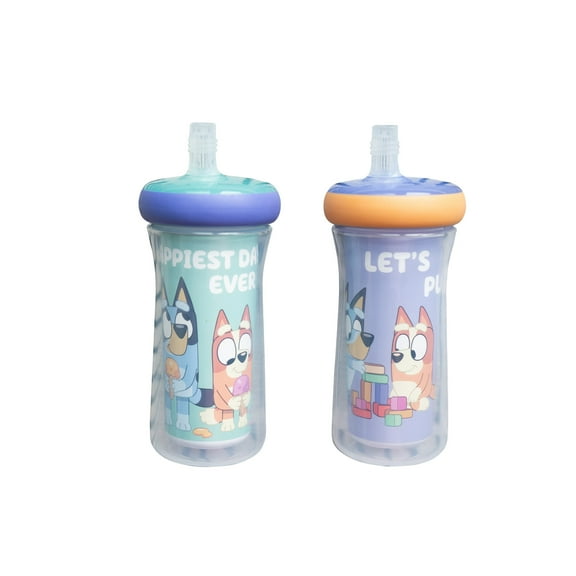
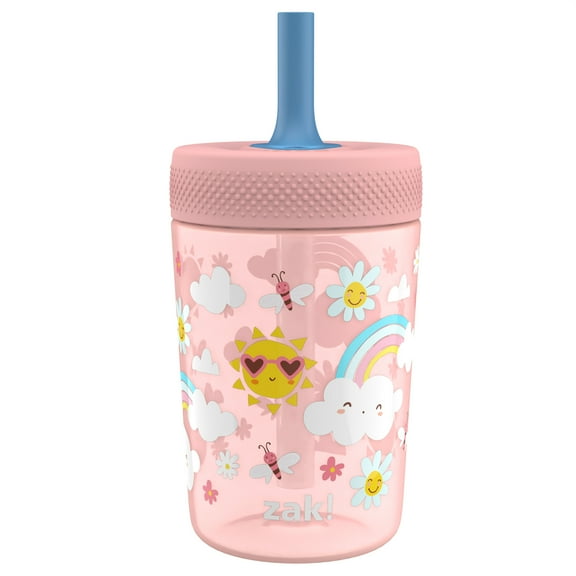
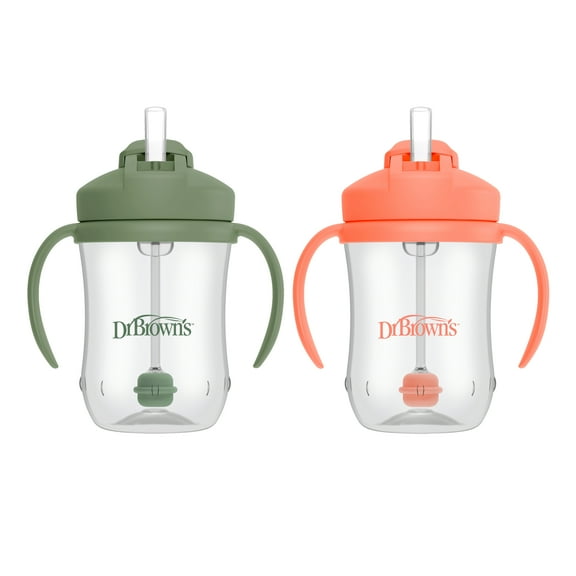
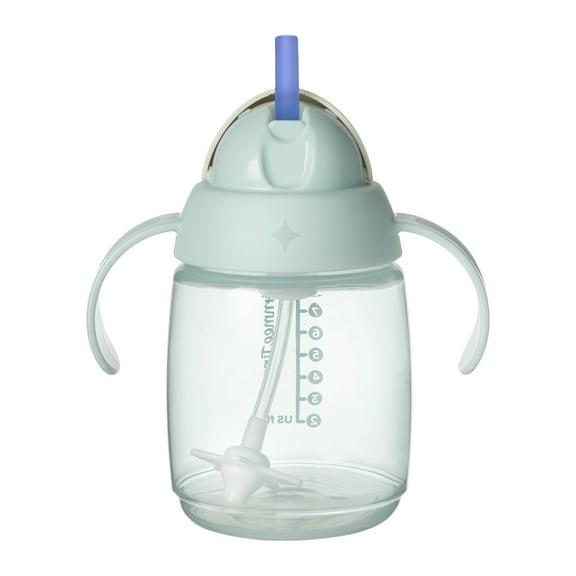
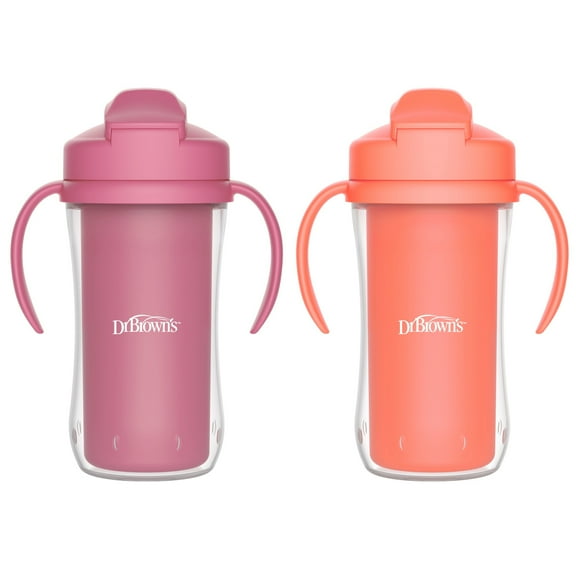
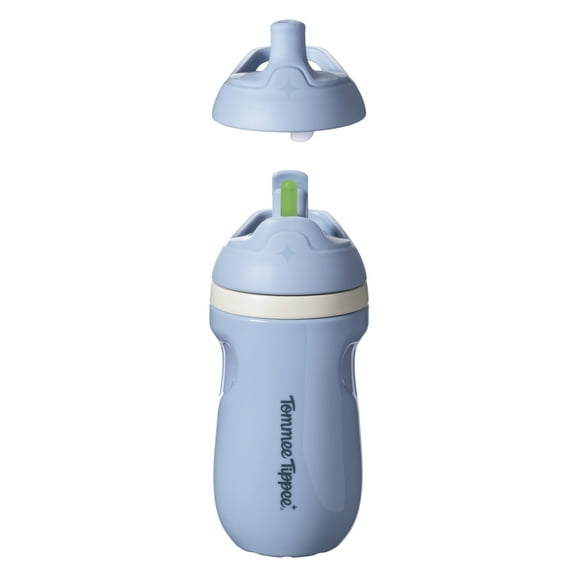
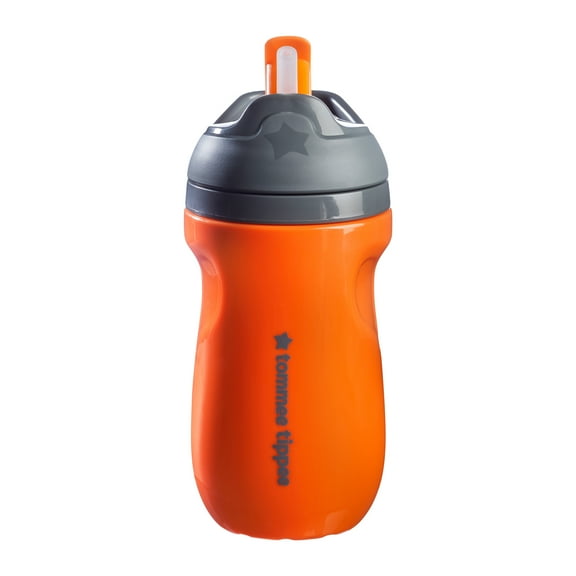
If you’re considering sippy cups with straws, you should compare standard and weighted straw designs. You can help your child sip from different angles with a weighted straw sippy cup.
When you want spill proof sippy cups, you should look at the valve mechanism and seal design. You’ll usually get more mess control from tighter lids and secure silicone seals.
- You can choose soft spouts for early transitions and familiar sipping motion.
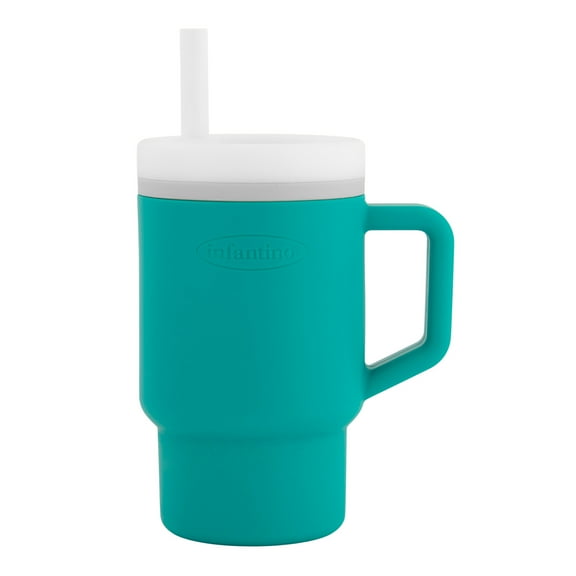
- You can pick straw cups when you want flexible sipping during stroller rides or car trips.
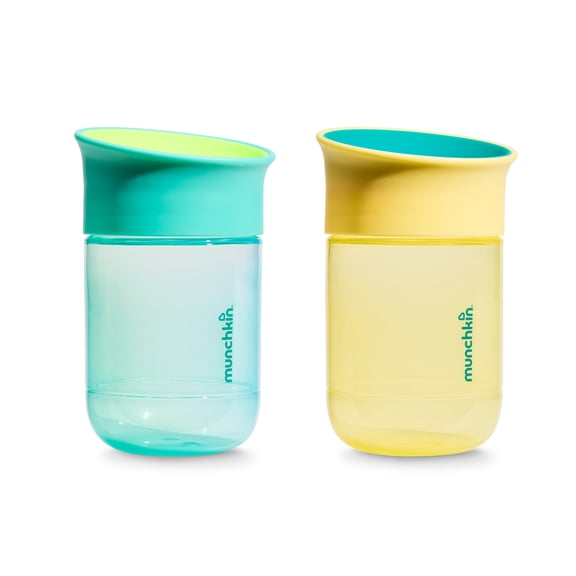
- You can try 360 rim cups when you want drinking from any edge without a protruding spout.
- You can compare weighted straw designs when your child tips the cup often.
Free-flow styles can feel simpler when you want fewer moving parts to wash. Spill-proof valve styles can work well when you want more control over drips in diaper bags.
How to compare materials and cleaning needs
You should compare material choices based on feel, durability, and daily cleaning habits. You’ll commonly see silicone, plastic, stainless steel, and glass across this category.
Silicone sippy cups can feel soft in little hands and flexible in a packed bag. Plastic cups can offer lightweight carrying when you want an easy everyday option.
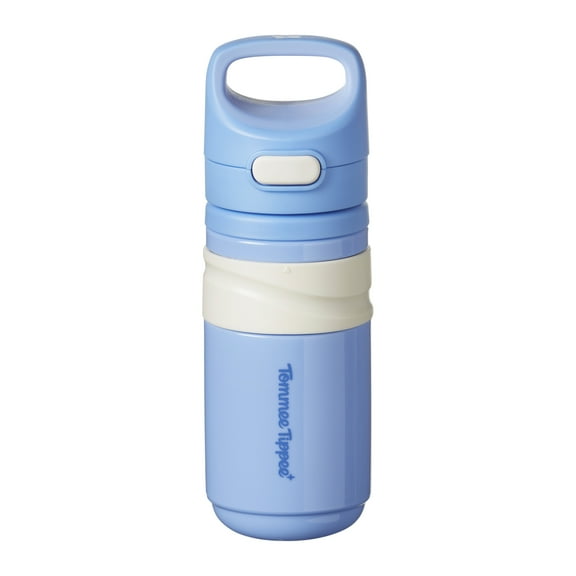
Stainless steel cups can help you choose a sturdier body for frequent outings. Glass cups can appeal when you prefer a clear look and a more substantial feel.
When you review material safety, you should check product details for BPA-free construction. You’ll want that information clearly listed before you compare lids, handles, or valves.
Cleaning matters just as much as cup style when you’re planning daily use. You can save time by checking how many parts come apart after meals.
If you run cups through the dishwasher, you should verify dishwasher-safe parts in the item description. You’ll also want to compare whether straws, valves, and seals detach easily.
Matching sippy cups to everyday routines
You can narrow your options faster when you match features to real routines. You’ll likely want different cup styles for home meals, daycare bags, and travel days.
For quick breakfasts at home, you may prefer transition cups with simple lids and easy-grip handles. You can move from milk to water or other kid-friendly drinks with less fuss.
During errands or stroller walks, you may want spill proof sippy cups with secure lids. You can carry them more confidently when bags get tipped or cups get dropped.
If your child likes to move while drinking, sippy cups with straws can make frequent sips easier. You can also compare weighted straw options for reclining seats or couch snuggles.
For daycare or preschool, you should look for easy labeling space and straightforward assembly. You’ll appreciate cups that come apart quickly when you’re packing several feeding items.
When your toddler resists one cup style, you can switch by age stage or rim type. You may find that a 360 rim works where a spout or straw didn’t.
What to look for before you choose
You should compare age stage, spout type, material, and cleaning steps before you decide. You’ll make a more confident choice when those details match your daily routine.
With the right sippy cups, you can support smoother transitions, cleaner packing, and easier mealtime sipping. You’ll feel more prepared when each cup fits your child’s stage and your schedule.