


Find auto parts that fit
Let’s search for parts that fit your vehicle.Silicone Car Squeegees in Car Squeegees














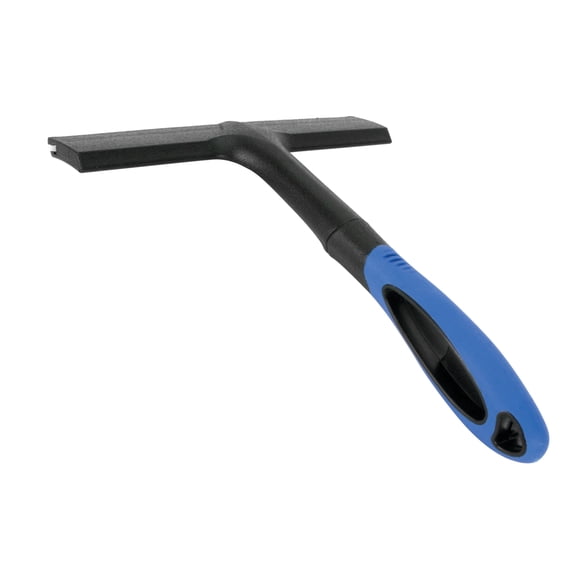

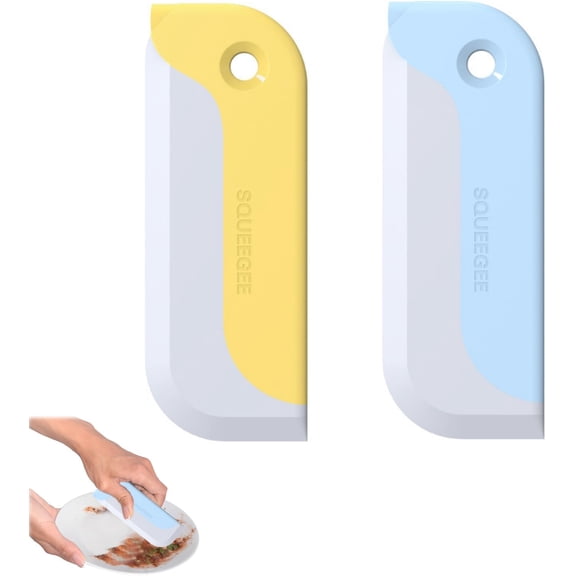


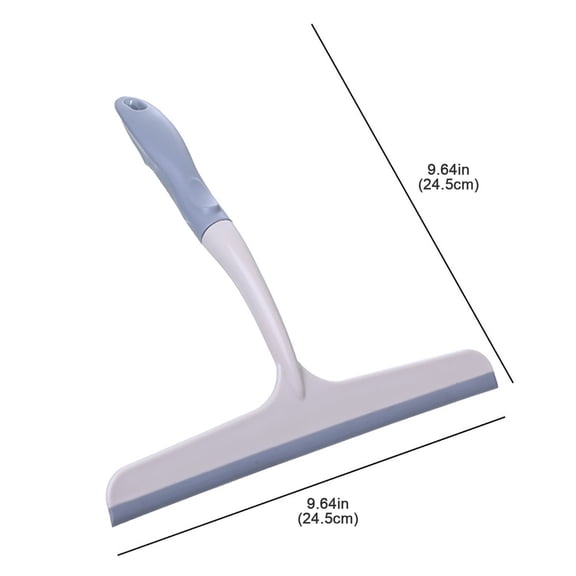

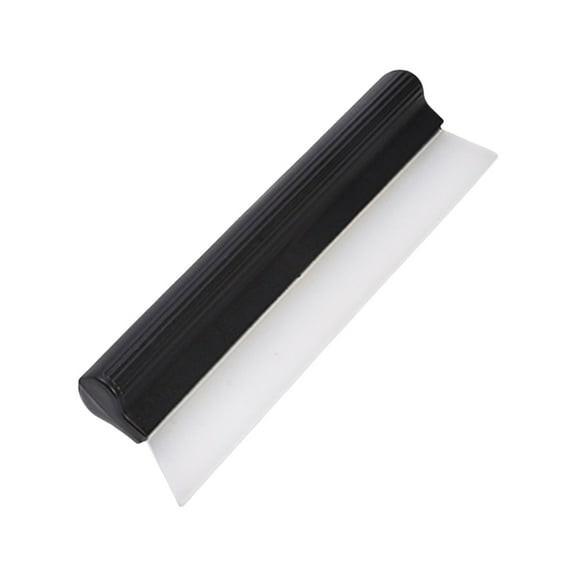




About Silicone Car Squeegees in Car Squeegees - Walmart.com
You can choose a silicone car squeegee to dry painted panels and glass with smooth, controlled passes after each wash. You also get a category built around flexible blades, useful widths, and multi-surface drying needs.
When you compare drying tools, you should focus on clean blade contact, paint-safe flexibility, and coverage across curved vehicle surfaces. You can also use these tools on windshields, side glass, and shower doors when versatility matters.
How to choose a silicone car squeegee
You should start with blade material, because that decision shapes how the edge follows paint, trim, and glass. You can compare durable silicone, soft silicone, and flexible rubber based on feel and intended use.
If paint contact is your primary concern, you should look for a clean, smooth edge that conforms to body lines. You can get consistent passes when your blade stays free of grit and flexes across contours.
You may prefer a soft silicone squeegee when you want an edge that bends around mirrors, pillars, and curved panels. You should also compare how each material feels during repeated drying sessions around larger vehicles.
- You can clear water from hoods, roofs, and doors with broad, even passes.
- You can reduce towel saturation by moving standing water off glass before wiping details.
- You can use many styles on shower glass and household windows after car care.
- You can compare compact and wider blades based on mirrors, windshields, and larger panels.
You may also notice silicone stays pliable through repeated wash routines and storage between uses. You can keep your drying routine steady when your edge remains flexible and easy to guide.
Choosing a silicone squeegee for car drying by width and blade type
You should compare blade width next, because width affects coverage on broad panels and control on narrow sections. You can choose 12-inch or 14-inch options for larger vehicles, or a small silicone squeegee for detail work.
If you drive an SUV, truck, or van, you may want a wider blade for roofs, doors, and tailgates. If you dry mirrors, spoilers, and tight curves, you may find compact sizes easier to handle.
You should also compare blade type, because a T-bar blade, straight blade, and flexible edge each move differently. You can choose a silicone blade squeegee that matches your grip style and drying pattern.
If you want even contact across flat doors and hoods, you may prefer a straight blade. If you need more adaptability around curves, you may lean toward a flexible edge instead.
You should check handle grip and balance before you decide, because wet hands can change your control. You may prefer a handle that feels stable during full-vehicle drying sessions in the driveway or garage.
When you compare material and width together, you can match your tool to both panel size and surface shape. You should use that approach if you dry paint, trim, and glass in one routine.
What to look for in a silicone squeegee for windows and glass
You should match blade size to the surfaces you clean frequently instead of choosing one format for every task. You can use wider blades on broad glass and panels, while smaller options fit mirrors and narrow windows.
If your routine includes household glass, you may want a silicone squeegee for windows with a flexible, even edge. You can move water across shower doors and home windows with the same tool you use on your vehicle.
You should also consider edge softness when you switch between windshields, rear glass, and bathroom glass. You can keep contact consistent when the blade follows light curves and flat sections without skipping.
If storage matters, you may like a compact format that fits detailing caddies, trunks, or wash buckets. You can keep a car squeegee ready for quick drying after touchless washes or weekend cleanups.
You may also be checking availability for silicone blade squeegees locally while comparing styles online. You should still focus first on blade width, edge shape, and material softness before choosing a format.
How to match use cases with the right silicone car squeegee
You can pair wider blades with sedans, SUVs, and trucks when you want quick coverage on roofs and doors. You can pair compact blades with mirrors, emblems, and curved trim when precision matters more.
If you wash several vehicles at home, you may want one wider tool and one smaller backup. You can build a more organized routine when each blade size has a clear job.
You can also use a silicone squeegee for car drying after rinsing around grilles, sunroofs, and rear windows. You should follow with a microfiber towel for leftover droplets around seams, badges, and tight edges.
If you want one tool for the garage and home, you can compare models intended for car drying and window cleaning. You may like using the same flexible edge on shower glass after finishing your windshield.
You should think about how often you wash, where you store supplies, and which surfaces you dry first. You can make a clearer choice when your tool fits your vehicle size, glass needs, and handling preference.
When you choose carefully, you get a silicone car squeegee that supports clean passes across paint and glass. You can finish with drier panels, clearer windows, and less water left to wipe by hand.