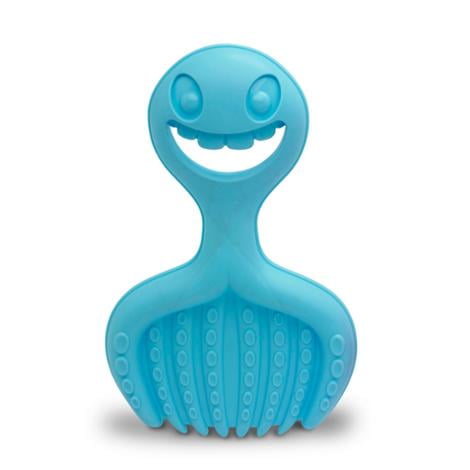
Sand Flea(3)
AEVXKHI Sand Fleas Rake, Stainless Steel Sand Sifter, Collapsible Shark Tooth Sifter, Detachable 54 Inches Long Handle, Sand Crab Catcher with Foldable Pail for Collecting Fleas, Shells, Shark Teeth

AEVXKHI Sand Fleas Rake, Stainless Steel Sand Sifter, Collapsible Shark Tooth Sifter, Detachable 54 Inches Long Handle, Sand Crab Catcher with Foldable Pail for Collecting Fleas, Shells, Shark Teeth
Stainless Steel Sand Flea Rake Accurate Sand Sifter Shovel Time Saving Metal Detecting Shovel with Removable Handle for Outdoor $51.99
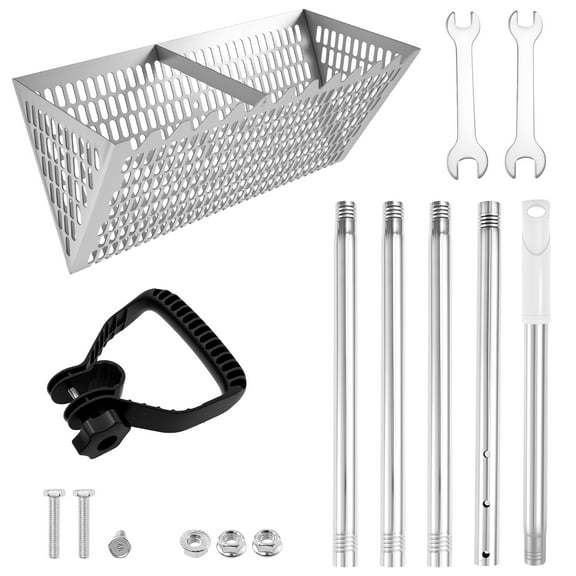
Stainless Steel Sand Flea Rake Accurate Sand Sifter Shovel Time Saving Metal Detecting Shovel with Removable Handle for Outdoor
Clearance Danhjin Sand Sifters for Beach, Sand Flea Rake Digging Tools Shovel 11.5 inches, Metal Detector Accessories for Treasure Hunting $6.99 Was $20.99

Danhjin Sand Sifters for Beach, Sand Flea Rake Digging Tools Shovel 11.5 inches, Metal Detector Accessories for Treasure Hunting
FAQ
How do I choose a sand flea rake size?
Picking the right setup comes down to comfort, reach, and what you’re collecting.
- Handle length: Longer handles help you work the surf zone without crouching. Some listings note assembled lengths around 54 inches, which can add extra reach.
- Basket/scoop capacity: Larger heads move more sand, which can be useful for sand crabs (sometimes called sand fleas) or shells, but they’re heavier to pull.
- Material: Stainless steel is popular for durability at the beach.
- Portability: Detachable or collapsible handles and foldable pails pack smaller for travel and storage.
Review each product’s dimensions and specs to match your height, typical surf conditions, and how much you want to sift per pass.
How do you use a sand sifter at the beach?
Basic technique is simple and can be adapted to your beach conditions.
- Pick your spot: Work near the waterline or shallow surf where sand is loose and washes through the sifter.
- Angle and scoop: Push the scoop or rake slightly downward into the sand, then lift as waves recede so water helps sift.
- Shake and rinse: Let water drain through the holes to reveal shells, shark teeth, or crabs where permitted.
- Repeat in passes: Make short, overlapping passes rather than deep holes.
Stay aware of waves and foot traffic, and follow local guidelines. Results can vary with surf, sand grain size, and how steadily you sift.
When should I choose a collapsible handle for travel?
A collapsible or detachable handle can be helpful when space and portability matter.
- Limited storage: If you’re packing a car trunk, carrying gear to the beach, or stowing it in a closet, compact sections are convenient.
- Frequent travel: Break-down designs fit better in luggage and are easier to transport.
- Assembly trade-offs: Sections add joints, so you may need to check connections and tighten hardware periodically.
- Specs to review: Look for the assembled length (some list around 54 inches) and how small it breaks down.
Many items can be ordered online with pickup or delivery options, so you can select the format that fits your trip plans.
How do I clean and care for a metal sand scoop?
Simple care can help maintain stainless steel tools used around salt and sand.
- Rinse after use: Flush with fresh water to remove salt, sand, and debris from the basket, joints, and handle connections.
- Dry thoroughly: Wipe down and air-dry to reduce moisture exposure.
- Inspect hardware: Periodically check screws, nuts, and detachable handle sections and retighten if needed.
- Store smart: Keep it in a dry spot; foldable pails or carry bags can help keep parts together.
While stainless steel is designed for durability, exposure varies by conditions. Regular rinse-and-dry routines can support longevity without requiring harsh cleaners.
What’s the difference between a rake and a scoop?
Both sift sand, but they’re shaped for different motions and targets.
- Sand flea rake: Typically a wider, slotted basket pulled through the swash zone to move more sand per pass—useful for finding sand crabs or larger shell pieces.
- Sand scoop/sifter: A perforated shovel-style head that you push and lift. It’s handy for sifting shells, shark teeth, and for metal detecting in wet or shallow water.
- Handles: Rakes often have long, detachable handles; scoops may be handheld or long-handled for water use.
Your choice depends on where you’ll search (surf vs. shoreline) and whether you prefer pulling a rake or lifting a scoop.
Popular in Sand Flea Toys Beach Rakes and Sifters
Related Products
Sand Remover for Beach, Sand Removal Bag,Powder Pouch Sand Remover Brush Beach Vacation Camping Essentials
 Sand Remover for Beach, Sand Removal Bag,Powder Pouch Sand Remover Brush Beach Vacation Camping Essentials$10.74current price $10.74
ReadyShovel Leather and Metal Sand Scoop Carrier
 ReadyShovel Leather and Metal Sand Scoop Carrier$21.23current price $21.23
sixwipe 27 Pcs Beach Toys for Kids, Collapsible Sand Bucket and Shovels Set with Mesh Bag & Sand Molds, Sand Castle Toys for Beach, Travel Sand Toys for Beach, Sandbox Toys for Toddlers Kids Age 3-10
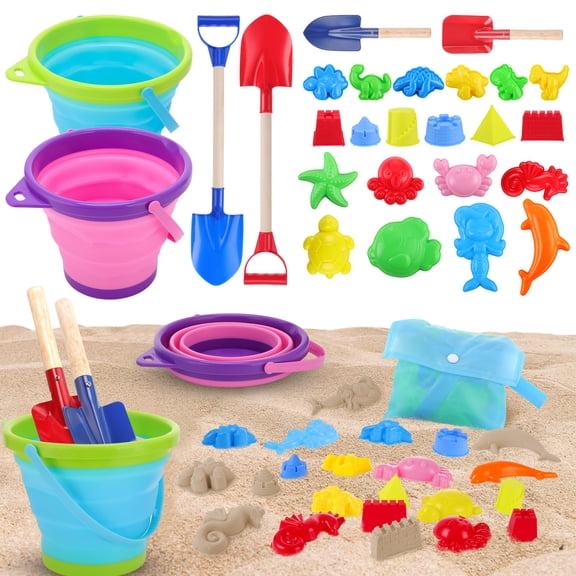 sixwipe 27 Pcs Beach Toys for Kids, Collapsible Sand Bucket and Shovels Set with Mesh Bag & Sand Molds, Sand Castle Toys for Beach, Travel Sand Toys for Beach, Sandbox Toys for Toddlers Kids Age 3-10$24.99current price $24.99
Darzheoy Beach Sand Toys Set for Kids - Bucket with Sifter, Shovel, Rake and 2 Animal Molds for Kids & Toddlers - Sand Buckets and Shovels for Kids, 7 Piece Beach Toy Set
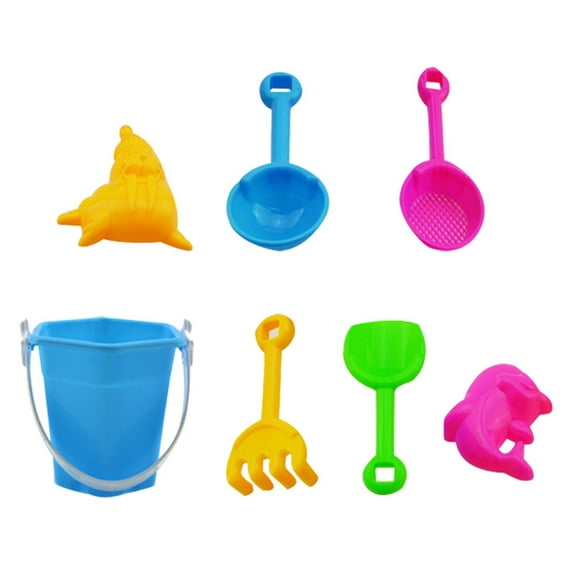 Darzheoy Beach Sand Toys Set for Kids - Bucket with Sifter, Shovel, Rake and 2 Animal Molds for Kids & Toddlers - Sand Buckets and Shovels for Kids, 7 Piece Beach Toy Set$2.59current price $2.59
KiddiTouch 35Pcs Beach Sand Toy, Sandbox Toys with Collapsible Bucket & Mesh Bag, 18 Sand Molds Tools, Castle Kit for Girls Kids Ages 3-12
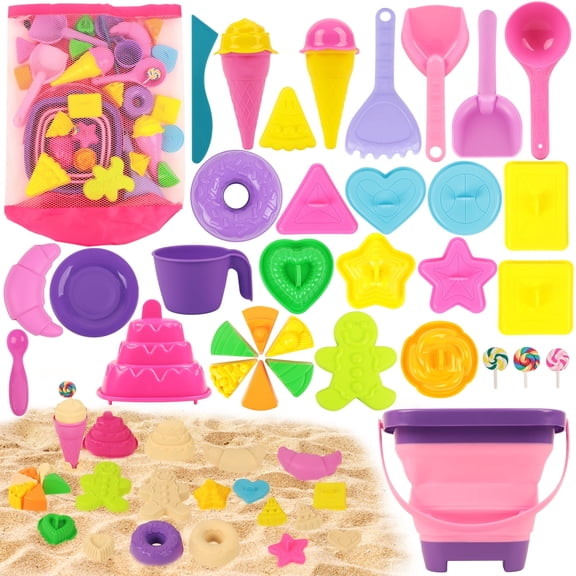 KiddiTouch 35Pcs Beach Sand Toy, Sandbox Toys with Collapsible Bucket & Mesh Bag, 18 Sand Molds Tools, Castle Kit for Girls Kids Ages 3-12$15.99current price $15.99
Beach Toys 19 Piece Sand Toys Set for Kids Ages 3-12, Includes Water Wheel Beach Tool Kit Bucket Watering Can Molds with Mesh Bag for Sandbox Beach Sandpit
 Beach Toys 19 Piece Sand Toys Set for Kids Ages 3-12, Includes Water Wheel Beach Tool Kit Bucket Watering Can Molds with Mesh Bag for Sandbox Beach Sandpit$22.99current price $22.99
Sand ,Sand Set Tool Metal Tool Metal And Siuke Sand and Shovel Set
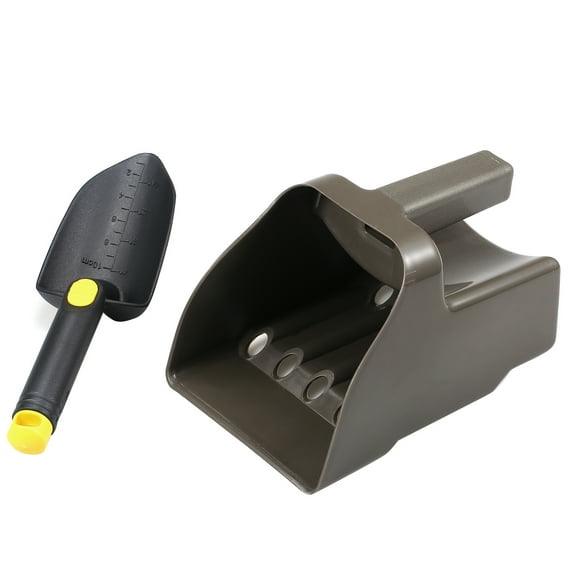 Sand ,Sand Set Tool Metal Tool Metal And Siuke Sand and Shovel Set$17.45current price $17.45